Every autumn, as golden leaves drift downward and garden beds begin their slow descent into dormancy, a silent, microscopic drama unfolds beneath the surface. For many home gardeners, the changing season is a time to kick back, let nature take its course, and leave the garden cleanup for a lazy spring weekend. Unfortunately, leaving decaying foliage, fallen fruit, spent stems, and diseased plant debris scattered across your beds sets the stage for a devastating spring comeback.
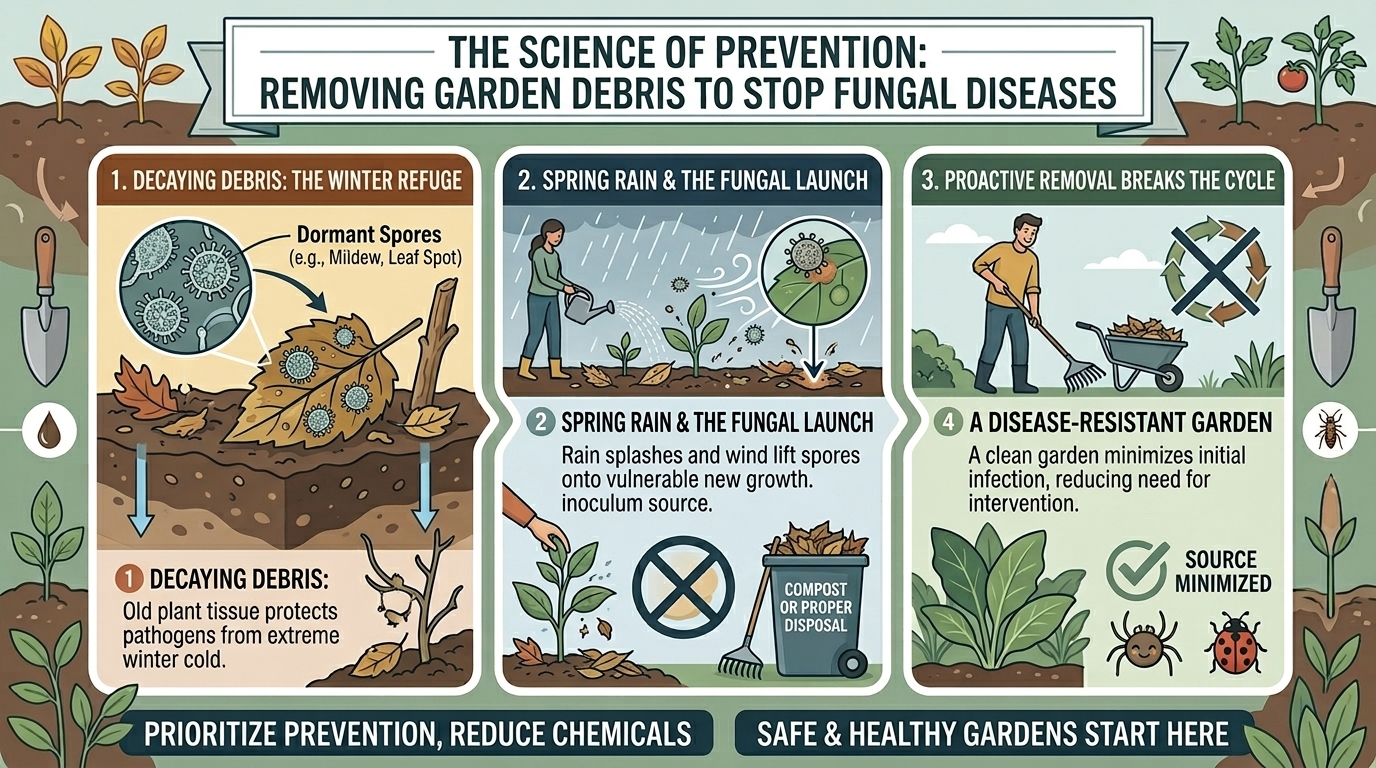
Fungal plant pathogens do not simply vanish when the weather turns cold. Instead, countless destructive species—including powdery mildew, black spot, blight, rust, and botrytis—use dead plant tissue as a winter survival bunker. By failing to clear away decaying organic debris in the fall, you are unwittingly providing a luxury resort for overwintering fungal spores, ensuring that next year’s crops face an immediate, uphill battle.
If you garden in regions with high humidity, damp coastal air, or frequent seasonal rainfall—such as the damp maritime climate of Washington state, the foggy microclimates of San Francisco, the diverse growing zones of New York and California, or the humid springs of Texas—managing plant debris is the single most important line of defense against plant disease.
This comprehensive guide explores the fascinating science of how fungi survive winter, the specific diseases lurking in your garden debris, step-by-step sanitation protocols, and frequently asked questions to keep your landscape thriving year-round.
The Science of Overwintering: How Fungi Survive the Cold
To understand why garden cleanup is so critical, we must look at how fungi operate. Unlike plants that rely on photosynthesis or animals that generate internal heat, fungi are master adapters capable of entering dormant states when environmental conditions turn hostile.
The Lifecycle of Plant-Parasitic Fungi
Most common garden fungi reproduce by producing microscopic spores (analogous to seeds). When a growing season ends and frost arrives, these fungi face a harsh reality: their living host plants are dying back. To bridge the gap until spring, they shift into specialized survival structures:
- Sclerotia: Hardened, compact masses of fungal mycelium that look like tiny black or dark brown mustard seeds. They can survive freezing temperatures in soil or inside decaying stems for years.
- Cleistothecia / Pseudothecia: Enclosed fruiting bodies formed on dead leaves (especially common with powdery mildew and black spot on roses). Inside these structures, sexual spores safely ride out sub-zero temperatures.
- Mycelial Dormancy: The thread-like body of the fungus simply hunkers down inside fallen leaves, decaying fruit, and unharvested vegetable stalks, feeding on dead cells until warmth and moisture return in spring.
The Spring Awakening
The moment spring arrives with its combination of warm sunshine, April showers, and tender new plant growth, these overwintering structures wake up. Spores are forcefully ejected or splashed upward by raindrops hitting the soil, landing directly onto the fresh, unblemished leaves of your newly emerged perennials and vegetables. This initial splash is the primary infection cycle of the new growing season. If you remove the source of those spores in autumn, you break the infection chain before it ever begins.
Common Garden Diseases That Overwinter in Debris
Not all garden debris poses the same risk. However, certain plant families harbor notorious pathogens that demand rigorous cleanup protocols.
1. Tomato and Potato Early/Late Blight (Alternaria solani and Phytophthora infestans)
- Where it hides: In infected tomato and potato vines, dropped rotting fruits, and unharvested tubers left in the soil.
- The Spring Threat: Spores splash onto young tomato transplants in spring, rapidly defoliating plants and turning fruits into brown, rotting mush.
2. Black Spot on Roses (Diplocarpon rosae)
- Where it hides: In fallen rose leaves resting on the ground and in lesions on unpruned canes.
- The Spring Threat: The distinctive black, fringed spots appear on lower rose leaves first, working their way upward, weakening the bush and causing premature leaf drop.
3. Powdery Mildew (Erysiphe spp. and others)
- Where it hides: In fallen leaves, herbaceous perennial stems, and weed hosts surrounding your garden beds.
- The Spring Threat: Forms a white, talcum-powder-like coating on squash, cucumbers, peonies, and phlox as soon as warm, humid weather sets in.
4. Gray Mold / Botrytis Blight (Botrytis cinerea)
- Where it hides: In mummified fruits (like strawberries and stone fruits), dead flower heads, and decaying stem tissue.
- The Spring Threat: Thrives in cool, wet spring weather, attacking blossoms, seedlings, and soft fruits with a fuzzy gray coat.
The Golden Rules of Garden Sanitation and Debris Management
Practicing good garden hygiene is not about keeping your yard looking sterile like a golf course; it is about strategic disease management. Follow these core practices to protect your plants:
1. Differentiate Between Compostable and Diseased Material
- Safe for Composting: Healthy plant trimmings, unblemished grass clippings, autumn leaves free of fungal spots, and kitchen vegetable scraps can go straight into your compost bin, provided your pile reaches proper thermophilic (hot) temperatures (130°F to 160°F) to kill pathogens.
- Must Be Discarded or Destroyed: Any plant material showing signs of blight, mildew, rust, or bacterial wilt must never go into a cold home compost pile. Standard backyard compost bins rarely get hot enough to kill tough fungal spores like sclerotia. Instead, bag it and throw it in the municipal trash, or burn it where local ordinances permit.
2. Cut Back Perennials at the Right Time
Wait until late autumn or very early spring (depending on your hardiness zone) to cut back herbaceous perennials like hostas, peonies, and bee balm. Once foliage dies back naturally and turns brown, all sap has receded. Cutting stems cleanly down near the soil line removes potential hiding spots for over-wintering insect pests and fungal mycelium.
3. Clear Fallen Fruit and Mummies
Never leave dropped apples, peaches, tomatoes, or squash sitting on the ground or buried in mulch. These rotting windfalls act as incubators for fungal spores and attract overwintering pests like fruit flies, voles, and beetles.
4. Apply a Clean Layer of Protective Mulch
Once your beds are cleared of debris, apply a fresh, clean layer of shredded bark, straw, or leaf mold (from healthy sources). This acts as a barrier blanket that prevents heavy rain from splashing fungal spores living deep in the soil back up onto your low-growing plants come springtime.
Step-by-Step Seasonal Cleanup Checklist
To make sanitation manageable, break your garden maintenance into an easy seasonal workflow:
- Late Summer / Early Fall:
- Remove fading summer annuals and vegetable plants (especially spent tomato, pepper, and squash vines) immediately upon harvest completion.
- Pick up all dropped fruit daily.
- Mid-to-Late Autumn:
- Rake up fallen leaves, paying special attention to rose, fruit tree, and deciduous shrub beds.
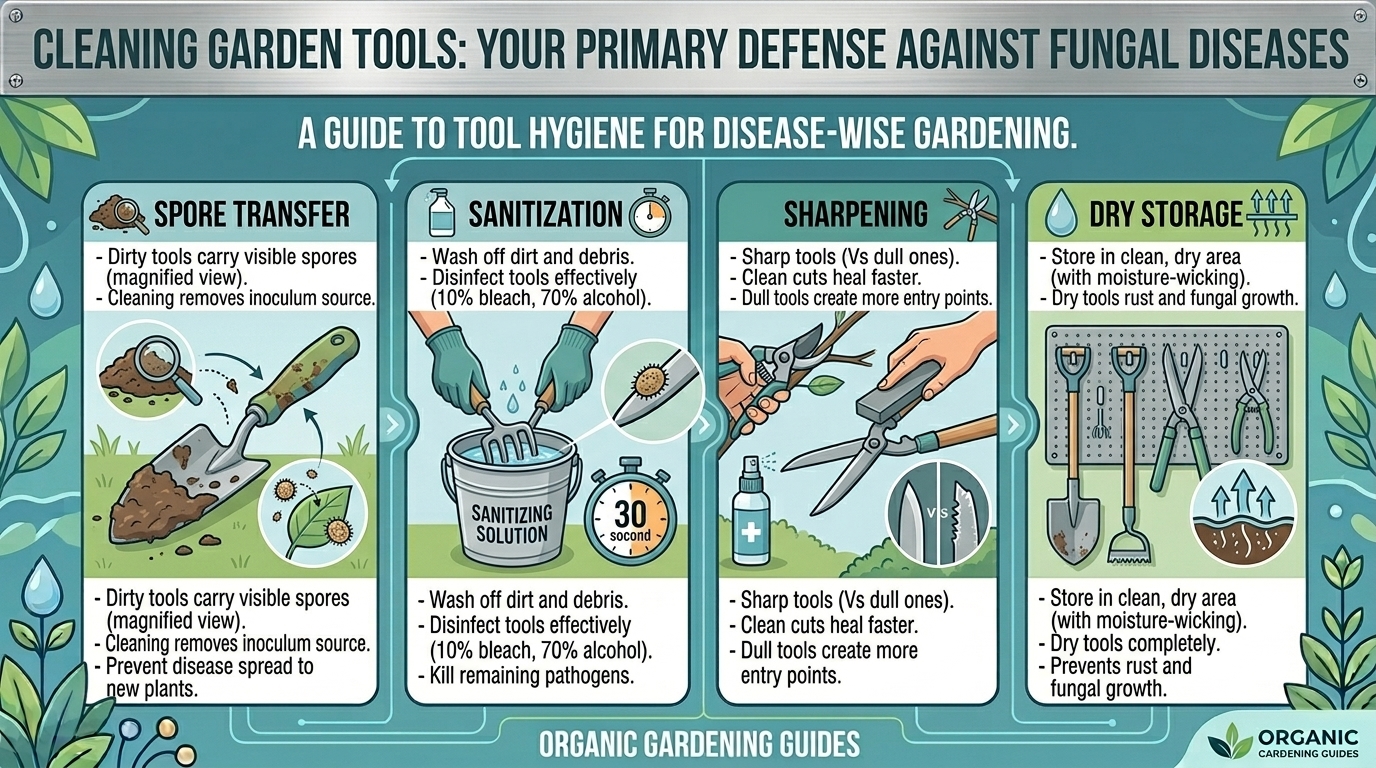
- Cut back diseased perennial foliage to ground level. Clean your pruning shears between cuts using a 10% bleach solution or rubbing alcohol to avoid cross-contamination.
- Winter:
- Keep the garden bed surfaces clear of discarded stakes, plastic pots, and dead brush piles that trap moisture and shelter pests.
- Early Spring:
- Perform a final tidy-up before new shoots emerge. Rake away any lingering debris, apply fresh mulch, and lay down organic pre-emergents if necessary.
Frequently Asked Questions (FAQ)
1. Can I compost diseased plant leaves if I have a hot compost pile?
True hot composting—where the internal temperature of the pile is maintained between 130°F and 160°F for several days and turned regularly—can destroy many pathogens. However, home compost piles often have cool outer edges where fungal spores and viral bodies survive. If you are unsure whether your pile reached high heat throughout, it is always safer to discard diseased foliage in the trash.
2. Does freezing winter weather naturally kill off all fungal spores in the garden?
No. Fungal spores and resting structures (like sclerotia) have evolved to withstand freezing winter temperatures. Snow cover can actually act as an insulating blanket, keeping dormant pathogens safely alive until spring thawing occurs.
3. What is the difference between a fungal spore and a bacterial pathogen in debris?
Fungi reproduce via microscopic spores that travel easily on wind, water droplets, and tools, whereas bacteria typically rely on direct contact, splashing water, or insect vectors. Both, however, utilize dead plant tissue as an overwintering host, making debris removal vital for controlling both types of diseases.
4. Should I leave leaves on my flower beds to protect beneficial insects?
It is true that some beneficial insects (like native bees and butterfly chrysalises) overwinter in leaf litter. To balance insect conservation with disease prevention, practice selective cleanup: clear out only diseased leaves and plants (like roses with black spot or tomatoes with blight), while leaving clean, unblemished autumn leaves from shade trees in ornamental perennial beds as mulch for wildlife.
5. How do I sterilize my pruning tools to prevent spreading fungal spores?
To prevent transferring microscopic fungal spores from an infected plant to a healthy one while pruning, wipe down your shears, loppers, and saws between cuts using isopropyl alcohol (70% or higher), a 10% household bleach solution, or a reliable commercial disinfectant spray.
6. Can mulch harbor fungal spores over the winter?
Yes, certain wood chip mulches can host saprophytic fungi (like artillery fungus or bird’s nest fungi) that feed on decaying wood. While these are generally harmless wood-degraders rather than plant parasites, using well-aged, high-quality mulch and keeping it a few inches away from plant stems prevents moisture-related fungal issues.
7. Why do my indoor houseplants rarely get fungal leaf spot compared to outdoor plants?
Indoor environments typically feature lower relative humidity, zero rainfall splashing water from the soil onto the leaves, and constant air circulation. Outdoors, rain and heavy dew create the continuous moisture films that fungal spores require to germinate and penetrate plant tissue.
8. Does overhead watering worsen fungal spore transmission?
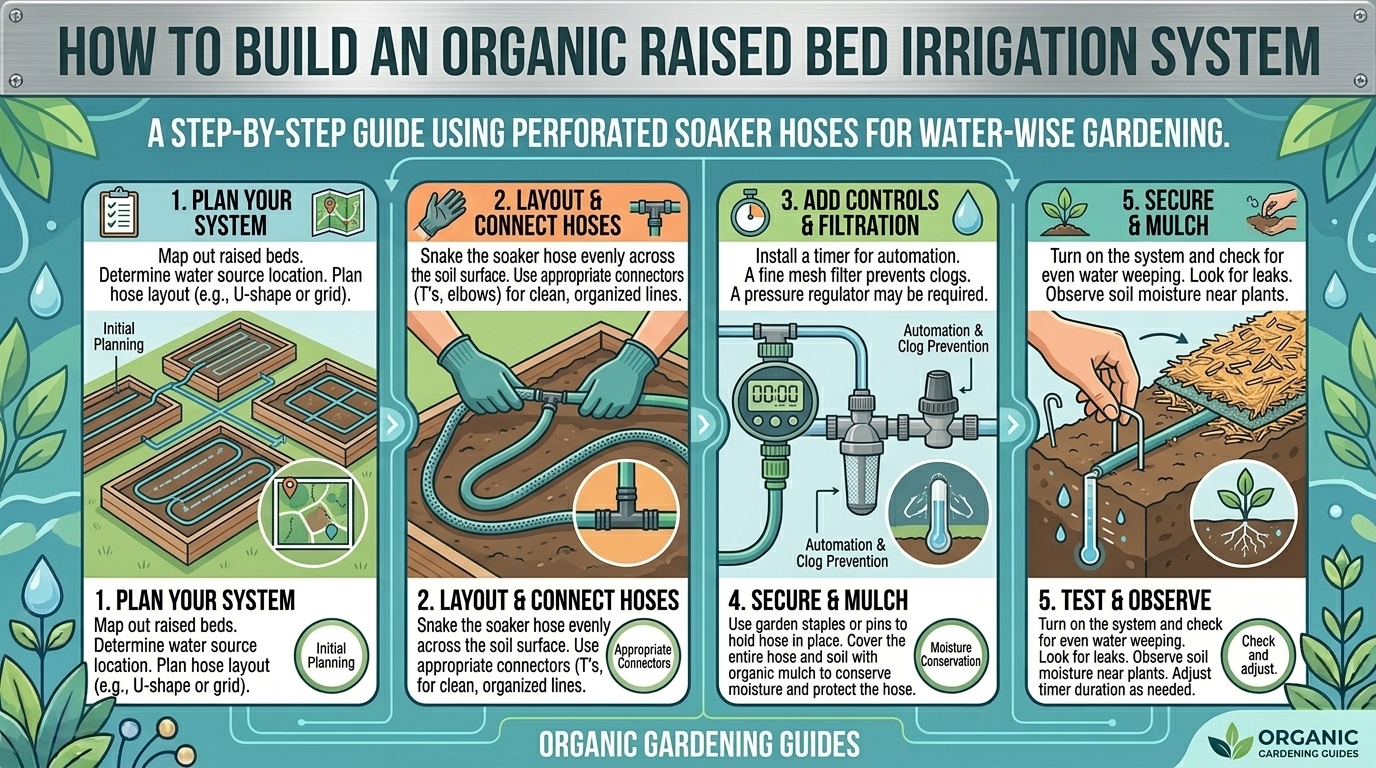
Yes. Watering plants with an overhead sprinkler or hose splashes soil particles and fallen debris droplets upward onto the lower leaves. This splashing action is the number one mechanism by which overwintering soil- and debris-borne spores infect healthy foliage. Switching to drip irrigation or soaker hoses solves this problem.
9. Are certain plant varieties bred to resist overwintering fungal spores?
Yes. When purchasing seeds or nursery stock, look for labels indicating resistance or tolerance to common regional diseases (e.g., tomatoes marked with VFFNTA resist Verticillium, Fusarium, Nematodes, Tobacco Mosaic Virus, and Alternaria). While resistant plants can still catch diseases, they fight them off far more effectively.
10. What is the single most important cleanup task to perform before winter sets in?
The single most critical task is removing all solanaceous crop debris (tomatoes, potatoes, peppers, eggplants) and diseased rose foliage. These two plant groups are notorious heavy-hitters for harboring severe blights and black spot that easily survive winter to ruin next year’s garden.
Conclusion
Garden sanitation is rarely glamorous, but it is the undisputed cornerstone of successful, organic horticulture. By understanding how destructive fungi utilize dead and decaying plant debris as an overwintering survival bunker, you hold the power to disrupt their lifecycle before trouble begins. Clearing out diseased foliage, practicing smart composting, and maintaining clean garden beds across your landscape ensures that your spring awakening is filled with vibrant, disease-free blooms and bountiful harvests rather than recurring plant epidemics.
What is the most stubborn plant disease you battle in your garden each year, and how do you usually prep your beds for winter?