How to choose the best hand trowel and digging shovel for your specific soil type? Every successful garden begins long before seeds sprout or root balls settle into the earth; it starts with the moment steel meets soil. Yet, one of the most common mistakes home gardeners make is relying on generic, bargain-bin tools for every digging task. Using a flimsy plastic trowel on stubborn clay or attempting to scoop loose sand with a narrow trenching shovel turns routine yard work into an exhausting chore—and often results in bent blades, broken handles, and sore wrists.
Soil conditions vary wildly across regions. The heavy, expansive black gumbo clay of Texas demands entirely different blade geometry and steel strength than the rock-strewn glacial till of New York, the dry compacted earth of California, the damp acidic loam of Washington, or the sandy microclimates of San Francisco. Selecting high-performance hand trowels and digging shovels calibrated specifically to your soil composition preserves your energy, protects your tools from mechanical failure, and maintains optimal soil structure.
At KC Plants, we equip gardeners with the practical knowledge, material insights, and regional guidance necessary to master their native soil conditions and build thriving landscapes.
1. Decoding Soil Types and Mechanical Resistance
Before selecting a shovel or trowel, you must understand the mechanical forces at play when your tool enters the ground. Soil resistance is dictated by texture, moisture content, particle density, and compaction.
Soil Classifications and Tool Challenges
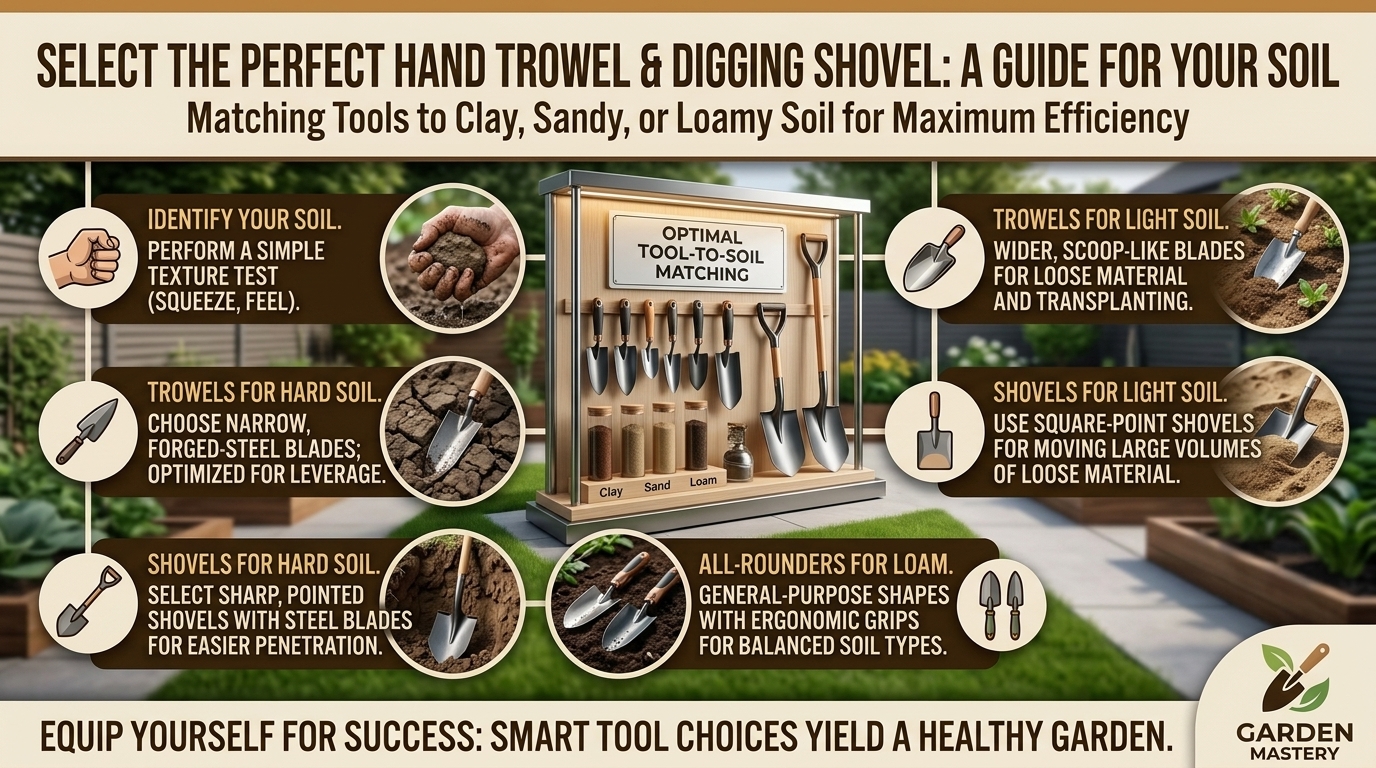
- Heavy Clay Soil (Texas, Parts of California): Highly dense, sticky when wet, and rock-hard when dry. Clay requires thin, sharp, low-friction blades that slice through sticky matrix without clogging or bending under high leverage forces.
- Rocky, Glacial, or Stony Soil (New York, Inland Pacific Northwest): Packed with gravel, shale, or rounded fieldstones. Demands heat-treated, thick-gauge forged steel heads with narrow points that can pry stones loose without chipping or warping.
- Sandy Soil (San Francisco Coastal, Coastal California, Long Island): Loose, non-cohesive, and fast-draining. Slippage and volume loss are the main challenges; tools need wide, dished scoops with raised side flanges to move high volumes of soil efficiently.
- Rich Organic Loam (Washington, Wooded Northeast): Soft, spongy, and filled with root webs. Requires razor-sharp serrated or pointed edges to slice through root mats clean without tearing plant tissues.
| Soil Type | Primary Region Example | Mechanical Challenge | Recommended Trowel Feature | Recommended Shovel Feature |
| Heavy Clay | Texas, Central Valley CA | High suction, high leverage friction | Narrow, polished stainless steel blade | Round-point shovel with step plates |
| Rocky / Stony | New York, Inland WA | High impact impact, prying stress | Heavy-gauge forged carbon steel | Narrow trenching or root-cutting shovel |
| Sandy / Loose | San Francisco, Coastal CA | Soil slippage, low volume hold | Wide, cupped scoop with high sides | Square-mouth or wide round shovel |
| Loam & Roots | Pacific Northwest (WA) | Fibrous root obstruction, binding | Serrated or notched edge profile | Sharp round-point with serrated edge |
2. Hand Trowel Anatomy and Material Selection
Not all hand trowels are created equal. The connection between the blade and the handle, along with the steel alloy used, determines whether a trowel lasts a season or a lifetime.
Material Comparison: Carbon Steel vs. Stainless Steel vs. Aluminum
- Forged Carbon Steel: The gold standard for durability. Highly resistant to bending under extreme prying force (ideal for rocky New York soils). Requires light oiling after use to prevent surface rust.
- Stainless Steel: Low friction and completely rust-proof. Clay slides off polished stainless steel with minimal effort, making it the top choice for sticky Texas gumbo or wet Washington soils.
- Cast Aluminum: Extremely lightweight and immune to rust, but lacks structural flexibility. Under high prying leverage in hard-packed ground, aluminum can snap cleanly in half. Best restricted to light container gardening or loose sandy soils.
Ergonomics and Tang Construction
Always look for a solid-tang or one-piece forged construction where the blade and shank extend continuously into the handle. Socket-joint trowels (where a hollow blade tube receives a wooden peg) frequently break at the stress junction when prying deep taproots. Ergonomic rubberized grip inserts (like TPR) absorb impact shock and reduce hand fatigue during long planting sessions.
3. Digging Shovel Architecture: Matching Blade Profiles to the Task
A standard long-handled shovel is a simple machine relying on lever-and-fulcrum physics. Matching the blade shape to your soil profile ensures maximum energy transfer with every foot step.
Blade Designs Demystified
- Round-Point Shovels: The universal digging tool. The center tip concentrates your body weight onto a small focal point, penetrating hard-packed clay, turf, and mixed loam.
- Square-Mouth Shovels: Designed for scooping, leveling, and moving loose materials (sand, gravel, compost, mulch) rather than breaking undisturbed ground.
- Trenching & Drain Spades: Long, narrow blades with steep side walls. Engineered for digging deep, clean-sided trenches, cutting through dense root networks, and working tight spaces in rocky ground.
1.Assess Soil Density and Select Blade Point Profile:Match blade geometry to soil hardness.
For dense clay or stony ground, select a narrow round-point shovel with a sharpened lead edge to break surface tension. For loose sand or tilled loam, choose a wider scooped blade.
2.Choose Shaft Material (Fiberglass vs. Hardwood vs. Steel):Select appropriate shaft material for leverage demands.
Fiberglass offers weather resistance and structural flex without snapping, perfect for damp climates like Washington. Solid ash wood provides classic balance and shock absorption for rocky soils. Steel shafts maximize strength for heavy construction but add weight.
3.Verify Step Plate Depth and Socket Reinforcement:Protects boots and maximizes downward force.
Ensure the top shoulder of the shovel blade features wide, rolled step plates. This allows you to apply full foot pressure comfortably without tearing boot soles or slipping when driving into hard earth.
4.Sharpen the Lead Edge and Treat the Metal:Maintain tool performance over time.
File a 45-degree bevel onto the digging edge of new carbon steel shovels using a mill bastard file. Wipe metal surfaces with boiled linseed oil to deter rust and keep soil releasing cleanly.
4. Regional Soil Adaptations across the US
Landscaping successfully requires tailoring your tool shed to your immediate geographic reality.
- Texas (Black Gumbo & Caliche): Caliche (hardened calcium carbonate layers) and dense clay require a heavy-duty, narrow-point shovel with turned step plates paired with a narrow, polished stainless steel transplanter trowel.
- California & San Francisco (Compact Sun-Baked Dirt & Coastal Sand): Urban soils in San Francisco often alternate between sandy pockets and dense compacted fill. A heavy-gauge, broad-bladed stainless trowel handles sand, while a sharpened root-cutting spade tackles compacted urban clay.
- Washington (Pacific Northwest Moist Loam & Forest Roots): Wet conditions mean rust protection is paramount. Use full-stainless steel construction and serrated edge trowels to easily saw through aggressive tree and weed root systems.
- New York (Stony Glacial Soil & Cold Clay): Rocky soils destroy cheap tools. Invest in one-piece drop-forged carbon steel trowels and heavy-duty steel-socket shovels capable of leveraging heavy stones without warping the blade socket.
10 Frequently Asked Questions (FAQ)
1. What is the difference between a shovel and a spade?
A shovel features a curved, dished blade with a pointed tip designed for digging into ground and scooping loose soil. A spade features a flat, rectangular blade designed for clean slicing, edging beds, cutting roots, and trenching.
2. How do I keep heavy clay from sticking to my trowel and shovel blades?
Choose polished stainless steel tools rather than painted carbon steel. Additionally, wiping the clean blade with a light coat of food-grade silicone spray or mineral oil creates a hydrophobic barrier that prevents wet clay from adhering.
3. Are fiberglass handles better than traditional wood shovel handles?
Fiberglass handles are stronger, more weather-resistant, and won’t rot or splinter if left out in rain—making them ideal for wet climates like Washington. However, high-quality ash wood handles offer superior shock absorption and balance for traditional gardeners.
4. How often should I sharpen my digging shovel and hand trowel?
Sharpen your primary digging tools once or twice per season, or whenever you notice increased resistance when driving the tool into soil. A simple 10-inch mill bastard file takes under 5 minutes to restore a sharp, 45-degree cutting bevel.
5. Why did the handle of my hand trowel bend while prying out a weed?
This happens when using a stamped sheet-metal or two-piece socket trowel under high prying load. For heavy prying in hard or rocky soil, always use a one-piece forged steel trowel where the blade and tang form a single continuous piece of metal.
6. What is a “transplanting trowel,” and how does it differ from a standard trowel?
A transplanting trowel features a narrower, longer blade (often etched with depth measurement lines). It is specifically engineered for digging deep, slender holes for bulbs and bare-root plants without disturbing neighboring root systems.
7. Which handle length is best for a digging shovel: long handle or D-grip?
Long handles (48–54 inches) provide maximum leverage and reduce back strain during deep excavation work. D-grip handles (27–30 inches) offer superior control and maneuvering room when working in tight spaces, raised beds, or deep trenches.
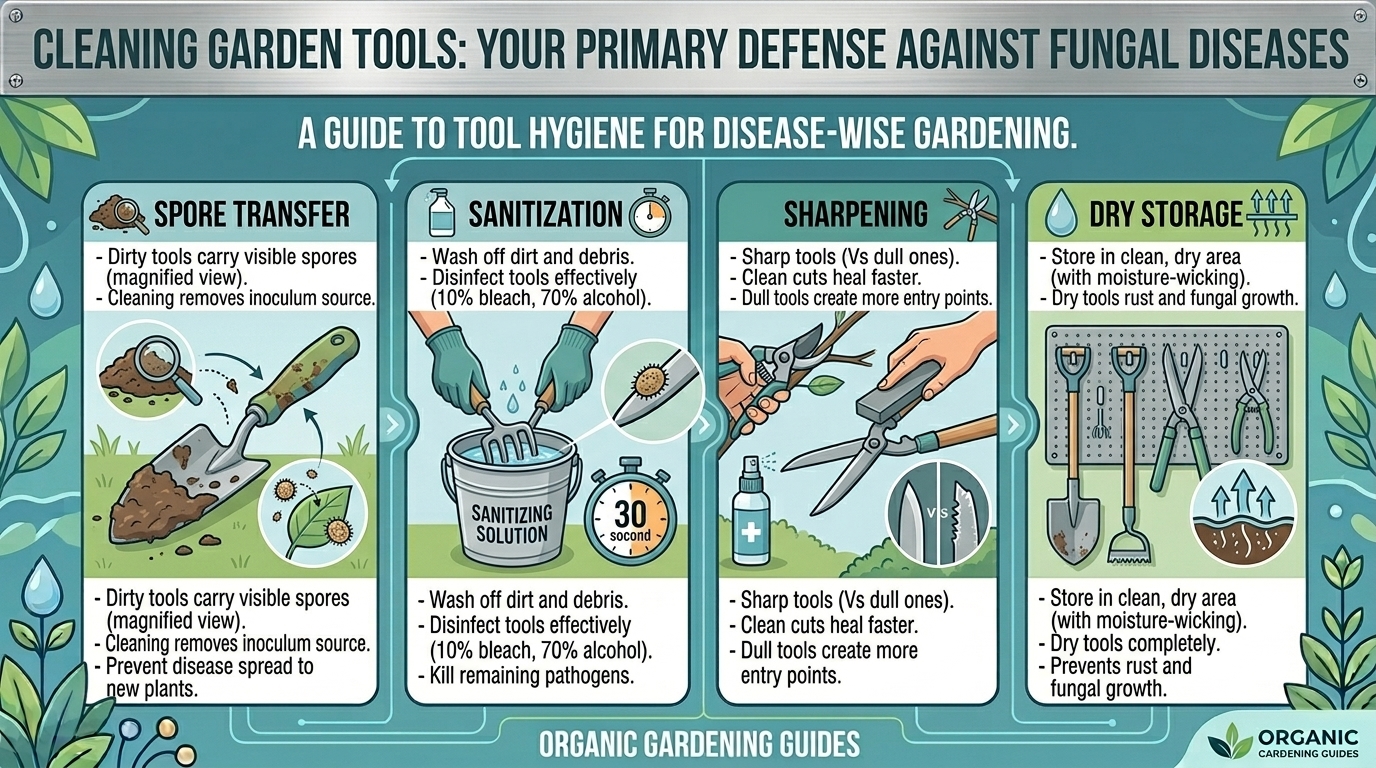
8. How do I clean and store my garden tools to prevent rust during winter?
Scrape off all dried soil with a wire brush, wash the blade clean, and dry thoroughly. Submerge metal heads in a bucket filled with coarse sand damp with mineral oil or linseed oil before storing tools in a dry shed.
9. Can I use a serrated soil knife (Hori Hori) instead of a traditional hand trowel?
Yes! A Japanese Hori Hori knife excels in tough, root-filled, or compacted soils because it combines a sharp digging point, a concave scoop, and serrated sawing edges in one versatile tool.
10. How do I know if a tool is built with drop-forged steel?
Drop-forged tools generally feature a single solid piece of metal without welds, rivets, or folded seams. Look for terms like “one-piece forged” or “drop-forged” stamped directly onto the steel head or product packaging.
Conclusion
Choosing the best hand trowel and digging shovel is not a matter of finding the most expensive option on the shelf; it is about matching blade metallurgy, geometry, and handle construction to your garden’s specific soil profile. Whether breaking through tough Texas gumbo, prying rocks in New York, working coastal sand in San Francisco and California, or slicing root mats in Washington, the right tool eliminates unnecessary strain and lets you focus on creating a beautiful garden.

One comment on “How to choose the best hand trowel and digging shovel for your specific soil type”