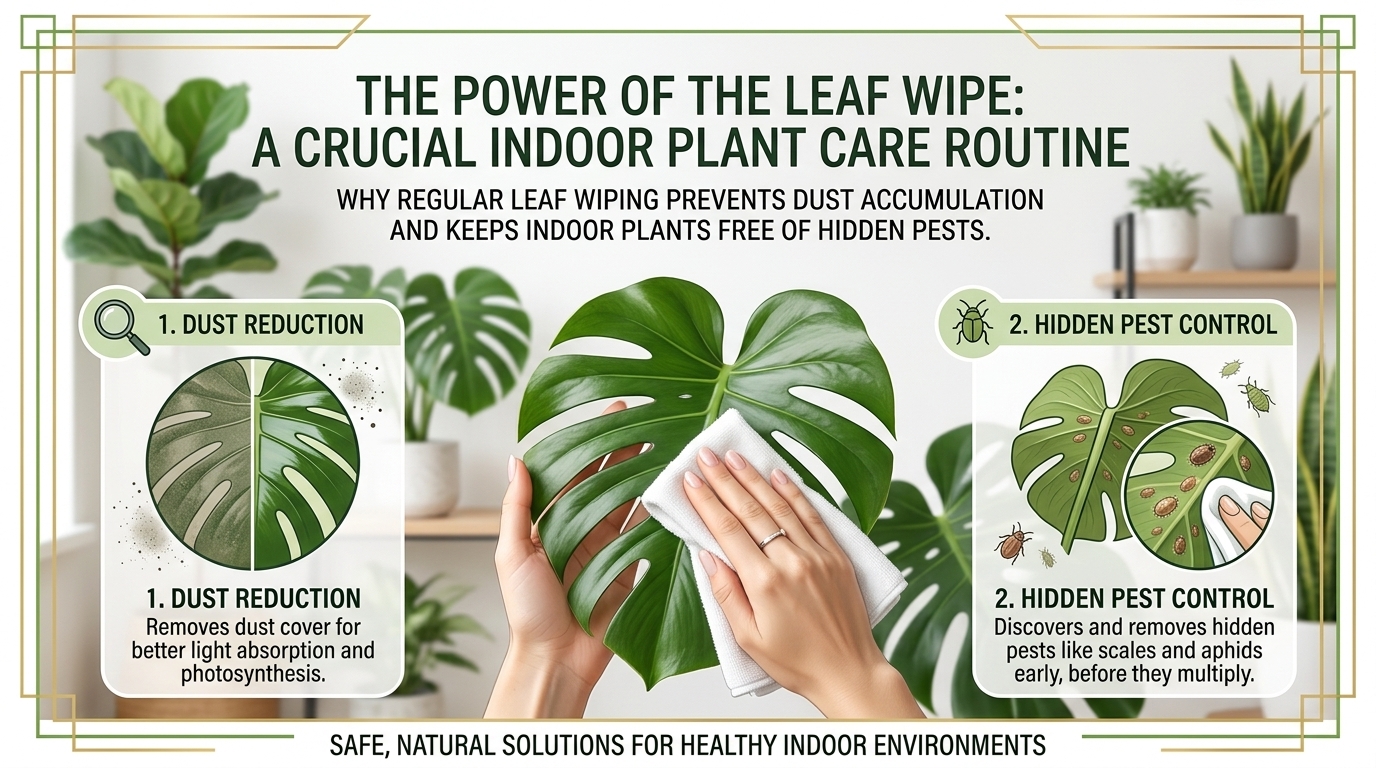
Why Regular Leaf Wiping Prevents Dust Accumulation and Keeps Indoor Plants Free of Hidden Pests
Welcome to kcplants.com, your ultimate digital destination for indoor gardening mastery, botanical health, and sustainable plant care. Whether you are nurturing an urban jungle in a high-rise apartment in San Francisco or New York, cultivating a cozy collection across homes in Washington and California, or battling dry indoor heating and desert dust across Texas, one vital maintenance task often gets overlooked: wiping your indoor plant leaves.
To the naked eye, a fine layer of household dust on a Monstera or Fiddle Leaf Fig might look like a harmless cosmetic nuisance. In reality, that dull gray film is a silent killer. Dust chokes your plants, suffocates their breathing pores, blocks vital sunlight, and—most dangerously—acts as an invisible camouflage and nursery for destructive indoor pests like spider mites, thrips, and mealybugs.
In this comprehensive, SEO-optimized guide, we will explore the science of plant respiration, examine the direct link between dust and pest infestations, and provide a step-by-step masterclass on how to properly clean and protect your indoor greenery.
The Hidden Danger: What Household Dust Does to Indoor Plants
Indoor dust is not ordinary dirt. It is a complex, synthetic-organic mixture composed of sloughed-off human skin cells, pet dander, textile fibers, microscopic carpet particles, cooking oils, and outdoor particulate pollution. When this blanket of dust settles on a broad-leafed indoor plant, several detrimental things happen:
1. Suffocation and Blocked Photosynthesis
Plants “breathe” through microscopic valve-like structures on their leaves called stomata. While stomata are predominantly located on the undersides of leaves, dust accumulation coats the entire surface. A thick dust layer seals these pores shut, severely restricting gas exchange (carbon dioxide in, oxygen out). Furthermore, dust acts like a physical filter, blocking up to 10% to 50% of the light needed for photosynthesis, effectively starving your plant of energy.
2. The Ultimate Pest Camouflage
Pests love neglected plants. A dusty leaf canopy provides the ultimate cover for tiny, soft-bodied insects and their eggs. Spider mites, thrips larvae, and scale insects blend seamlessly into gray, dusty textures. Without regular wiping, an observant grower might miss the earliest stages of an outbreak until webs, sticky honeydew, or severe leaf yellowing give the game away.
Regional Indoor Growing Challenges Across Major Zones
The climate outside your window directly impacts the environment inside your home, changing how dust and pests interact with your indoor plants:
- Texas & California: Air conditioning systems run heavy for months, circulating indoor air continuously and accelerating dust accumulation on broad leaves. Furthermore, arid outdoor winds can drive fine particulate matter indoors whenever windows are cracked open.
- New York & Washington: Seasonal winter heating systems (forced air and radiators) create bone-dry indoor air. This extreme dryness causes dust to cling statically to leaves while creating the absolute ideal breeding ground for spider mites.
- San Francisco: Urban density and coastal winds introduce unique fine city dust and fog residues that dry on windowsills and plant leaves, requiring routine cleaning to maintain vibrant, glossy foliage.
Step-by-Step Guide: How to Properly Wipe and Clean Indoor Plant Leaves
Wiping plant leaves is not just about grabbing a dry paper towel and rubbing. Improper technique can tear delicate foliage, smear oils, or push pests into tighter crevices. Follow this professional multi-step method:
      [ Step 1: Gentle Dusting ]   -->  Use a dry microfiber cloth to remove loose debris
                   ↓
      [ Step 2: Supportive Base ] -->  Cup the leaf from underneath with one hand
                   ↓
      [ Step 3: Moist Wipe ]      -->  Wipe gently from stem to tip with lukewarm water
Step 1: Remove Loose Debris First
Before introducing moisture, use a soft, dry microfiber cloth or a soft-bristled artist’s brush to gently sweep away loose surface dust. This prevents you from creating a muddy paste when you wet the leaves.
Step 2: Support the Leaf from Beneath
Always cup your hand underneath the leaf you are cleaning. Pressing down on an unsupported leaf can snap the stem or tear the leaf tissue, especially on large-leafed tropicals like Monstera deliciosa, Philodendrons, and Rubber Trees.
Step 3: Wipe with Lukewarm Water (and Optional Organic Cleansers)
Dampen a clean microfiber cloth with lukewarm water (never use ice-cold or hot water, as it shocks plant cells). Gently wipe from the base of the leaf stem out toward the tip.
- For Extra Shine & Pest Deterrence: You can add a single drop of mild castile soap or organic horticultural soap to a quart of water. Avoid commercial leaf-shine sprays containing petroleum distillates or mayonnaise, as these clog stomata permanently.
Comprehensive Tips for Maintaining Dust-Free, Pest-Free Foliage
- Clean on a Routine Schedule: Make leaf wiping part of your bi-weekly or monthly plant-care routine. Set a calendar reminder to inspect your plants closely while you clean them.
- Utilize Periodic Showers: For smooth, hardy tropical plants (like Ficus, Dracaena, and Palms), give them a thorough lukewarm shower in your bathtub or sink every couple of months to wash away dust from hard-to-reach nooks.
- Inspect the Undersides: Always wipe and inspect the undersides of leaves. This is where pests like spider mites and aphids congregate and lay their eggs.
- Keep Air Moving: Use small, oscillating indoor fans on low settings. Good indoor air circulation reduces static electricity, keeps dust from settling heavily on foliage, and strengthens plant stems.
Frequently Asked Questions (FAQ)
1. How often should I wipe down my indoor houseplant leaves?
As a general rule, wipe your broad-leafed indoor plants every two to four weeks. If you live in a dusty urban environment, use a central heating system, or have shedding pets, you may need to wipe them every 10 to 14 days.
2. Can I use commercial leaf-shine products from the garden center?
It is best to avoid them. Many commercial leaf-shine sprays contain petroleum-based oils or waxes that leave an artificial gloss by sealing off and suffocating the plant’s stomata. Pure water and gentle organic soap are far safer alternatives.
3. What types of plants benefit the most from regular leaf wiping?
Plants with large, flat, glossy leaves benefit the most. This includes Monstera deliciosa, Fiddle Leaf Figs (Ficus lyrata), Rubber Trees (Ficus elastica), Peace Lilies, Calatheas, and Philodendrons. Fuzzy-leafed plants like African Violets require a soft dry brush rather than wet wiping.
4. Why does dust make my plants more susceptible to spider mites?
Dust provides physical cover and a textured surface that shields tiny spider mites and their microscopic eggs from view and airflow. Furthermore, dusty plants are often stressed due to reduced light and gas exchange, making them weaker targets for pest attacks.
5. Can I use tap water to clean my plant leaves?
Yes, standard tap water is fine for most plants. However, if your tap water is exceptionally hard and leaves white mineral water spots (calcium or lime deposits) on dark leaves, use filtered, distilled, or boiled-and-cooled water instead.
6. Is it safe to wipe fuzzy or velvety plant leaves with a wet cloth?
No. Plants with hairy or velvety leaves (such as African Violets, Episcia, and certain Begonias) trap moisture in their trichomes (hairs), which can lead to rot and fungal spotting. For these plants, use a dry, ultra-soft makeup brush or artist’s paintbrush to gently sweep away dust.
7. Does wiping leaves help prevent fungus gnats?
Directly, no. Fungus gnats live and breed in wet potting soil rather than on foliage. However, maintaining overall plant hygiene—including keeping leaves clean and removing dead organic debris—contributes to an overall healthier indoor growing environment.
8. What is the best cloth to use for wiping houseplant leaves?
Microfiber cloths are the absolute best choice. They trap dust particles effectively using static and physical friction without shedding lint or scratching delicate plant cuticles.
9. Should I wipe leaves in the morning or evening?
Morning is ideal. Wiping leaves in the morning allows any residual moisture on the foliage to evaporate quickly under natural daytime warmth and light, reducing the risk of fungal issues overnight.
10. Can dirty leaves actually stunt a plant’s overall growth?
Yes. When dust blocks sunlight and chokes stomata, the plant’s rate of photosynthesis drops significantly. Reduced photosynthesis means less energy production, leading to slower growth, smaller new leaves, and eventual decline.
Conclusion
Regularly wiping your indoor plant leaves is a simple, meditative, and profoundly impactful habit. By stripping away dust accumulation, you restore your plants’ ability to breathe and absorb sunlight while eliminating the hidden breeding grounds where pests love to hide. Whether you are managing a cozy urban collection or an expansive indoor jungle, a clean leaf is a healthy, vibrant, and resilient leaf.