What Are the Most Effective Organic Ways to Stop Rust Fungus on Garlic and Onion Plants?
Allium rust, caused primarily by the fungal pathogen Puccinia allii, is one of the most persistent and frustrating challenges for growers of garlic, onions, chives, and leeks. Left unmanaged, this fungal infection can rapidly defoliate crops, stunt bulb growth, and drastically reduce yields. Whether you are managing microclimates in coastal locations like San Francisco, dealing with humid springs in Texas, or navigating varied growing zones across California, New York, and Washington, organic management requires a proactive, multi-pronged approach.
At KC Plants, we prioritize sustainable, chemical-free methods to maintain soil health while keeping fungal pathogens under control.
Understanding Allium Rust (Puccinia allii)
Before diving into control methods, it is essential to understand how the pathogen spreads. Allium rust manifests initially as small, white-to-yellowish spots on foliage that quickly erupt into raised, powdery orange or reddish pustules.
As the infection matures, these pustules can turn dark brown or black. The primary driver of rust development is high humidity coupled with mild temperatures (typically between 50°F and 75°F). Wind, splashing water, and contaminated tools quickly transfer airborne spores throughout the garden.
| Disease Stage | Physical Symptoms | Impact on Plant |
| Early Stage | Flecks of pale yellow or white on upper leaf surfaces. | Minimal impact; early window for intervention. |
| Active Stage | Bright orange-red raised pustules; dusty spores rub off easily. | Photosynthesis drops; plant vitality degrades. |
| Late Stage | Leaves turn yellow, wither, and die back; pustules turn black. | Stunted bulb growth; early crop collapse. |
1. Organic Sprays and Biological Treatments
When rust symptoms first appear, targeted organic foliar sprays help halt spore germination and protect healthy green growth.
Sulfur-Based Sprays
Wettable sulfur is an effective OMRI-listed preventative organic fungicide for rust. Sulfur alters the pH on the leaf surface, creating an environment where fungal spores cannot germinate.
- Application: Apply early in the morning before heat rises.
- Caution: Avoid applying sulfur when temperatures exceed 85°F, as it can scorch leaf tissue.
Potassium Bicarbonate and Baking Soda Solutions
Potassium bicarbonate works on contact by disrupting the potassium ion balance in fungal cells, causing them to collapse.
- DIY Spray Formula: Mix 1 tablespoon of potassium bicarbonate (or baking soda), 1/2 teaspoon of liquid horticultural soap (as a spreader-sticker), and 1 gallon of water. Spray thoroughly on both sides of the leaves every 7 to 10 days.
Neem Oil and Copper Fungicides
Horticultural neem oil acts as a physical barrier and mild antifungal agent. For severe outbreaks, copper octanoate (soap-based copper fungicide) provides strong contact control. Use copper sparingly to avoid building up heavy metals in the soil over time.
2. Cultural Practices and Environmental Controls
Preventative cultural care is the most critical defense against allium rust. Adjusting physical growing conditions reduces the environmental triggers the fungus requires.
1.Optimize Plant Spacing and Airflow:Critical for high-humidity microclimates.
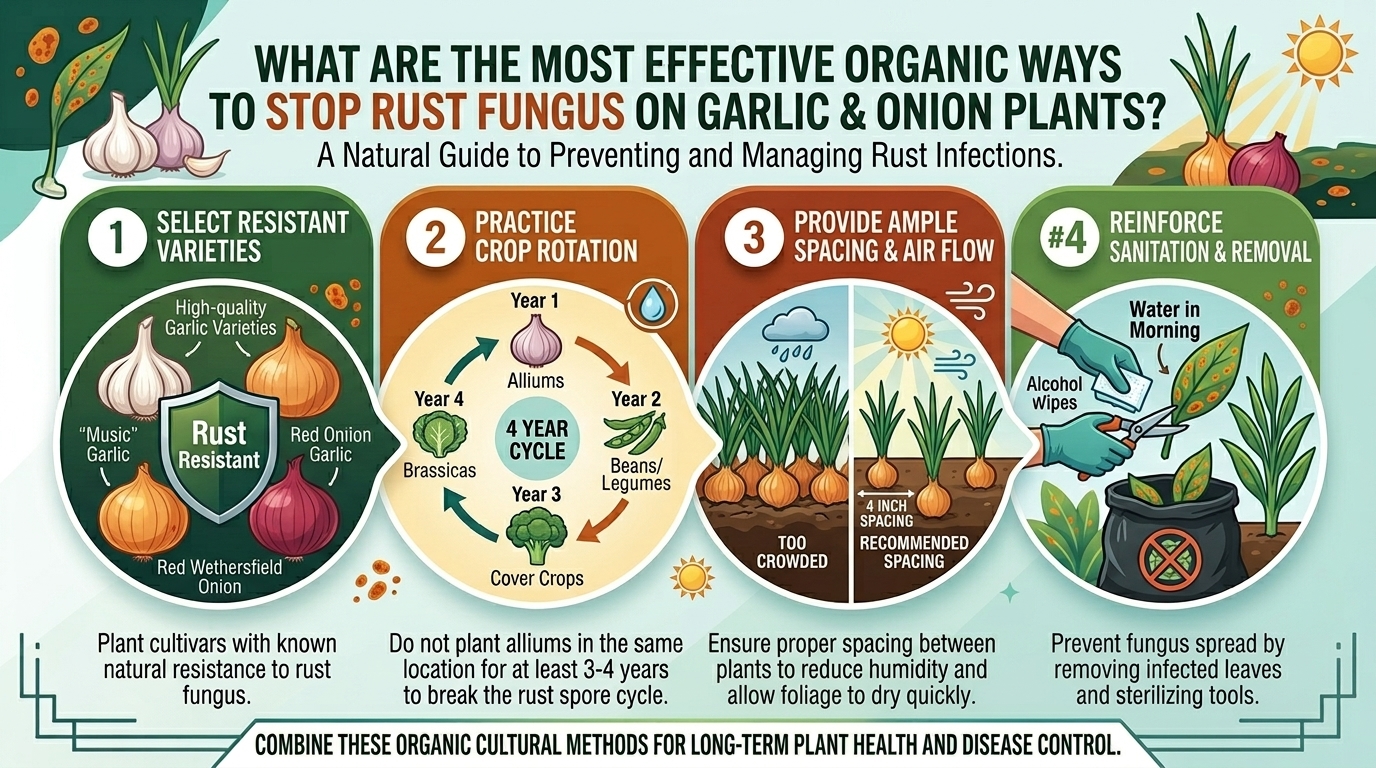
Plant garlic and onions with sufficient distance—at least 4 to 6 inches between plants and 12 inches between rows. Generous airflow dries leaf surfaces quickly after rainfall or heavy morning dew.
2.Switch to Drip Irrigation:Keep foliage completely dry.
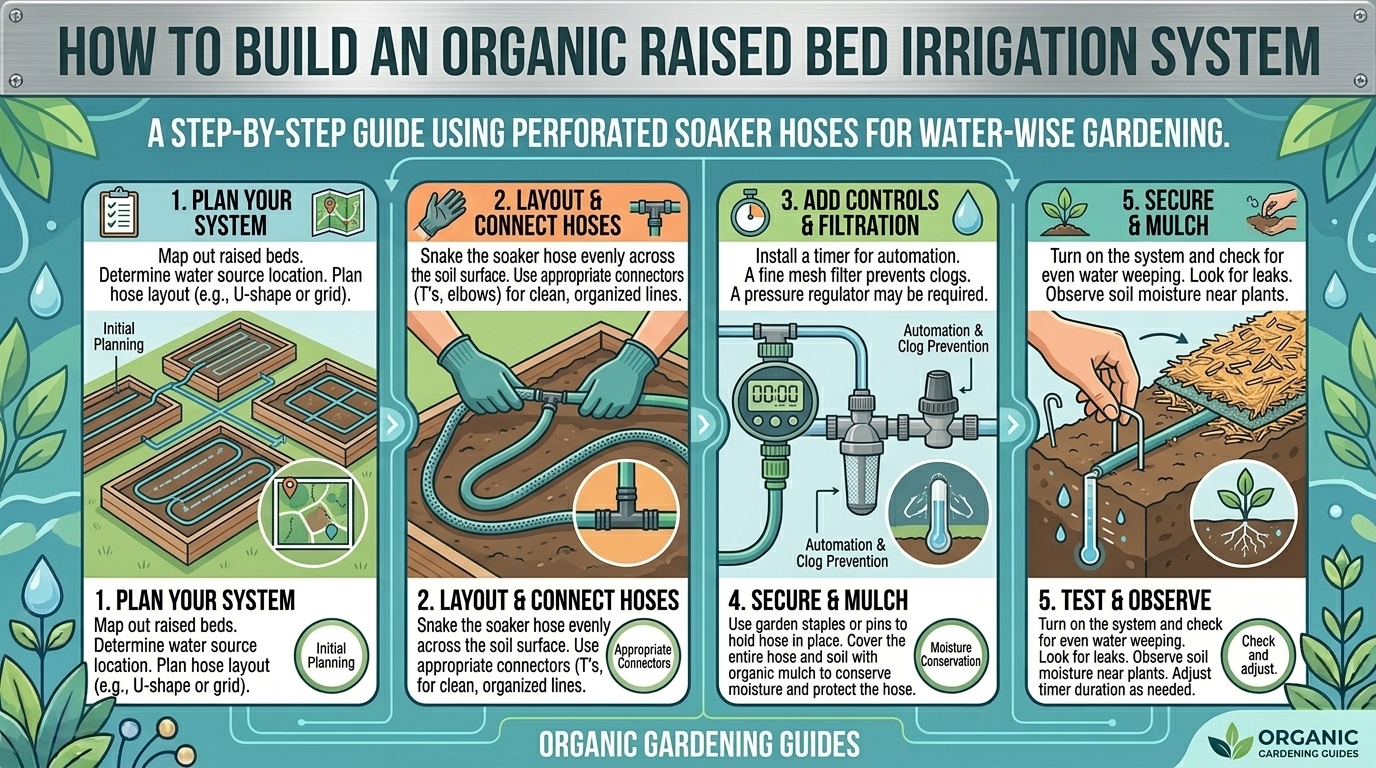
Overhead watering is the primary vector for splashing fungal spores across beds. Transition to drip lines or soaker hoses to apply moisture directly to the root zone while leaving foliage completely dry.
3.Balance Soil Fertility:Avoid excess nitrogen.
Over-fertilizing with high-nitrogen organic inputs causes rapid, tender leaf growth that is particularly susceptible to rust invasion. Balance soil nutrition with adequate potassium and phosphorus.
4.Prune and Destroy Infected Leaves:Sanitation is essential.
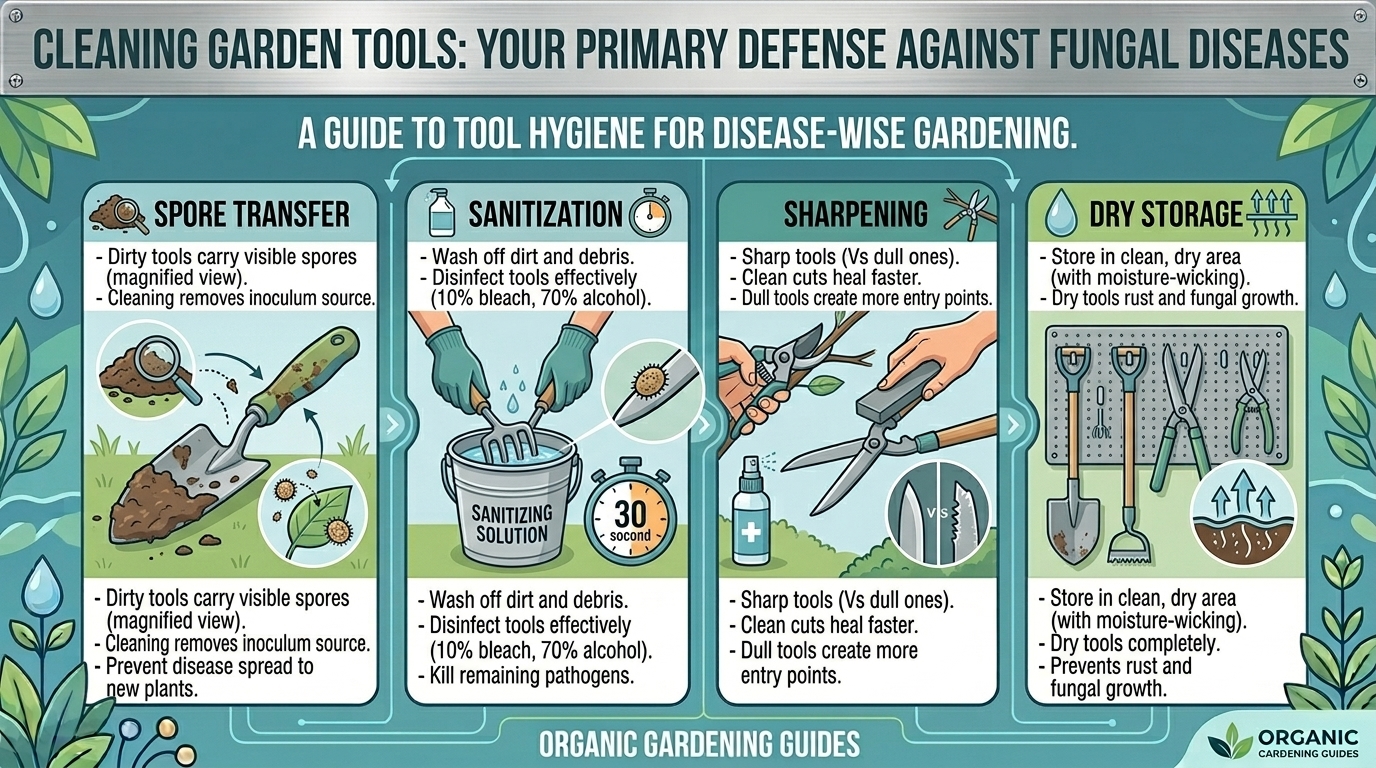
At the first sign of isolated orange spots, carefully trim off severely infected leaves using sanitized shears. Dispose of infected material in the trash—never place rust-infected plants in home compost piles.
3. Crop Rotation and Soil Management
Puccinia allii spores can overwinter in soil debris and volunteer allium plants. Implementing strict cultural routines breaks the disease cycle long-term.
- Implement 3-to-4 Year Crop Rotation: Never plant garlic, onions, shallots, or leeks in the same soil bed consecutive years. Rotate with non-host families such as legumes (beans, peas), brassicas, or solanaceous crops.
- Solarize Soil Between Crops: In sun-drenched regions like Texas or California’s Central Valley, cover bare beds with clear plastic during mid-summer heat for 4 to 6 weeks to destroy soil-borne fungal structures.
- Remove Volunteer Alliums: Eliminate wild garlic or volunteer onions growing near active beds, as they act as host reservoirs for rust spores year-round.
10 Frequently Asked Questions (FAQ)
1. Can you eat garlic or onions harvested from plants affected by rust?
Yes. Rust fungus stays confined to the above-ground foliage and stems. The bulbs beneath the ground remain safe to eat, though they may be significantly smaller in size.
2. Does rust fungus spread to other non-allium plants in the garden?
No. Puccinia allii is host-specific to the allium family (garlic, onions, chives, shallots, leeks). It will not infect tomatoes, peppers, fruit trees, or ornamental plants.
3. Should I harvest my garlic early if it gets rust?
If more than 50% of the leaf canopy has turned yellow or brown from rust, the plant can no longer photosynthesize effectively. Harvesting early is often better than leaving bulbs in the ground where they risk rot.
4. Will compost tea stop garlic rust?
Aerated compost tea contains beneficial microbes that can help suppress leaf pathogens, but it works best as a preventative bio-fertilizer rather than a curative cure for an active rust outbreak.
5. Can I save seed garlic from a crop that had rust?
It is not recommended. While rust is primarily airborne, spores can cling to the outer papery wrappers of harvested bulbs. Always plant clean, certified disease-free seed stock.
6. Does milk spray work on allium rust?
Diluted raw milk (1 part milk to 9 parts water) has mild antifungal properties driven by protein interactions under sunlight. It works reasonably well as a preventative on powdery mildew, but is generally less effective against established rust fungi.
7. Why is garlic rust so common in coastal regions like San Francisco?
Coastal climates experience frequent fog, high atmospheric moisture, and persistent temperatures in the 50°F to 65°F range—creating the ideal breeding ground for rust spore germination.
8. How does weed control impact rust prevention?
Weeds choke air circulation around allium leaves and trap ambient humidity near the soil surface, significantly increasing the duration leaves stay wet.
9. Can rust fungus survive in the soil over winter?
Yes. The fungus forms thick-walled overwintering spores (teliospores) on crop debris left in the garden, allowing it to reinfect plants the following spring.
10. Does mulching help prevent rust?
Yes. Applying a clean layer of straw or wood-chip mulch acts as a physical barrier, preventing overwintered soil spores from splashing up onto lower leaves during heavy rain.
Conclusion
Managing rust fungus on garlic and onions organically requires combining vigilant monitoring with smart cultural habits. By maximizing airflow, switching to drip irrigation, balancing soil nutrients, and applying organic sulfur or potassium bicarbonate treatments at the first sign of disease, you can protect your allium crop and ensure a healthy, robust harvest.
For more region-specific organic growing guides, plant health tips, and sustainable gardening strategies tailored across California, Texas, New York, Washington, and beyond, explore KC