How to Grow an Endless Supply of Organic Cherry Tomatoes in a Sunny Backyard Container Garden
Few sensations rival the taste of a sun-warmed cherry tomato plucked straight off the vine, still carrying the warmth of the afternoon sun. Bursting with concentrated sweetness and rich flavor, homegrown cherry tomatoes taste worlds apart from the uniform, pale fruits found in supermarket aisles.
For gardeners living anywhere from the wide-open spaces of Texas to urban balconies in New York, sunny patios in California, the milder microclimates of Washington, or the foggy hills of San Francisco, growing cherry tomatoes in containers is one of the most rewarding and reliable projects you can undertake.
Even if you lack a sprawling in-ground backyard plot, a sunny container garden using natural organic soils can produce an endless, prolific supply of fruit from mid-summer straight through to the first autumn frosts.
This comprehensive guide covers everything you need to know to establish, nurture, and harvest an endless supply of organic cherry tomatoes.
Table of Contents
- Introduction to Container Cherry Tomato Gardening
- Why Cherry Tomatoes Are the Ultimate Beginner Crop
- Selecting the Right Container and Natural Soil Base
- Choosing the Best Organic Cherry Tomato Varieties
- Planting Your Tomatoes Like a Professional
- Sunlight, Feeding, and Organic Nutrition
- Watering Strategies for Maximum Yield
- Pruning, Staking, and Support Systems
- Regional Growing Adjustments (TX, NY, CA, WA, SF)
- Frequently Asked Questions (10 FAQs)
- Conclusion
1. Introduction to Container Container Gardening
Tomatoes are notoriously vigorous plants. In traditional gardens, they send roots deep into the earth. However, growing them in containers offers distinct advantages: you control the soil quality entirely, you can position the pots to catch every ray of precious sunlight, and you drastically reduce soil-borne diseases and weed competition.
By anchoring your container setup in natural organic soils, you avoid synthetic fertilizers and chemical pesticides. Instead, you build a thriving soil food web filled with beneficial microbes that feed your tomato plants a steady diet of complex minerals, resulting in vibrant foliage, robust disease resistance, and exceptionally sweet fruit.
2. Why Cherry Tomatoes Are the Ultimate Beginner Crop
While large heirloom beefsteak tomatoes can be finicky, prone to cracking, and slow to ripen, cherry tomatoes are heavy-yielding dynamos.
- Prolific Output: A single healthy cherry tomato plant can produce hundreds of individual fruits in a single season.
- Disease Resistance: Most modern and heirloom cherry varieties possess natural immunities to common fungal issues that plague larger tomatoes.
- Faster Ripening: Because of their smaller size, cherry tomatoes ripen much quicker under fluctuating sun conditions, making them ideal for shorter growing seasons or microclimates with variable weather.
3. Selecting the Right Container and Natural Soil Base
Tomatoes have an aggressive root system. Choosing an undersized pot is the fastest way to stunt growth and cut your harvest short.
Container Size Requirements
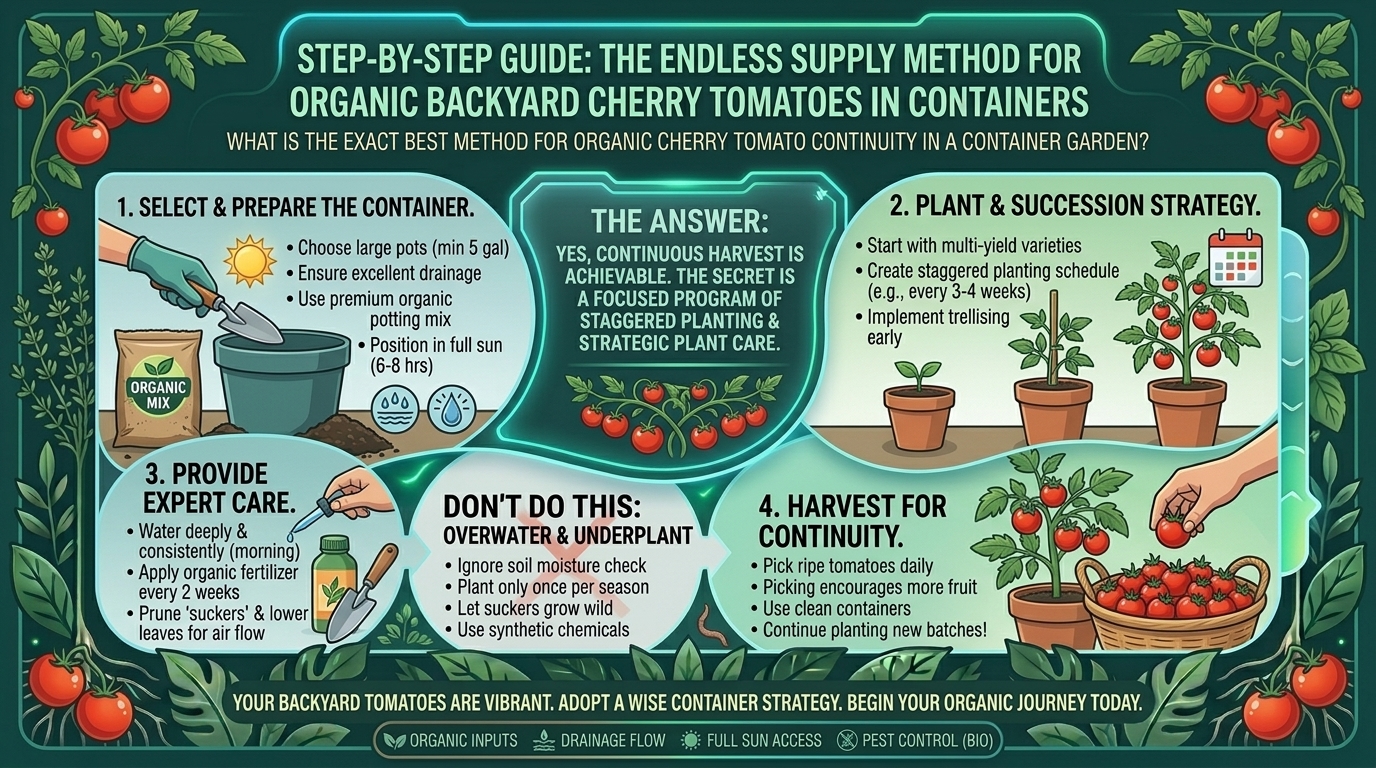
- Minimum Size: Never plant a tomato in a pot smaller than 5 gallons (roughly 12 inches across and 12 inches deep).
- Ideal Size: For indeterminate (vining) cherry tomatoes, a 10-to-15-gallon container, large half-whiskey barrel, or heavy-duty fabric grow bag is absolute perfection. Ensure the bottom features generous drainage holes.
The Ultimate Organic Soil Recipe
Avoid heavy backyard dirt, which packs down tight in containers and suffocates roots. Mix your own rich organic base using:
- 40% High-Grade Organic Compost: Packed with slow-release nutrients and living microbes.
- 40% Coconut Coir: Retains vital moisture during hot summer afternoons without waterlogging.
- 20% Perlite: Creates structural air pockets so oxygen reaches expanding root tips.
- Organic Boosters: Mix in a cup of worm castings, a handful of bone meal (for phosphorus and root strength), and a dusting of glacial rock dust for trace minerals.
4. Choosing the Best Organic Cherry Tomato Varieties
Selecting the right variety sets the tone for your entire harvest. Pay attention to whether a variety is determinate (bush type that stops growing at a certain height) or indeterminate (vining type that keeps growing and fruiting until frost).
- Sweet Million: An indeterminate powerhouse producing massive clusters of bright red, intensely sweet bite-sized tomatoes. Highly disease resistant.
- Sungold: Famous for its brilliant tangerine-orange color and tropical, candy-like sweetness. It is widely considered the best-tasting cherry tomato in existence.
- Black Cherry: Produces dusky, smoky-purple tomatoes with a rich, complex, wine-like heirloom flavor profile.
- Yellow Pear: A charming, pear-shaped heirloom variety that yields mild, low-acid yellow fruits on large, sprawling vines.
- Patio Choice Yellow: A compact determinate variety bred specifically for small pots and sunny patios, offering prolific clusters of sweet golden tomatoes without requiring heavy staking.
5. Planting Your Tomatoes Like a Professional
Tomatoes have a unique biological superpower: every tiny hair along their main stem can transform into a root if buried underground. Planting them deep unlocks a massive root network.
- Strip Lower Leaves: Pinch off the lower leaves of your young tomato seedling, leaving only a cluster of leaves at the very top.
- Dig Deep or Trench: Dig a deep hole (or lay the plant horizontally in a shallow trench if the root ball is stiff), burying two-thirds of the bare stem underground.
- Water in Deep: Press the organic soil gently around the stem and drench thoroughly with room-temperature water to settle the soil around the new roots.
6. Sunlight, Feeding, and Organic Nutrition
Sunlight Requirements
Cherry tomatoes are sun-worshippers. They require at least 6 to 8 hours of direct, unfiltered sunlight daily. Position your containers against a south-facing wall or on a bright, open patio to maximize light exposure.
Organic Feeding Schedule
Because containers restrict root expansion, nutrients wash out over time with regular watering. Keep your plants fueled organically:
- At Planting: Mix organic slow-release granular fertilizer or blood meal/bone meal into your soil base.
- Mid-Season Boost: Every three weeks during active fruiting, top-dress your containers with a handful of fresh worm castings or water with organic liquid kelp meal.
7. Watering Strategies for Maximum Yield
Inconsistent watering is the primary cause of blossom end rot (nasty black patches on the bottoms of tomatoes) and fruit splitting.
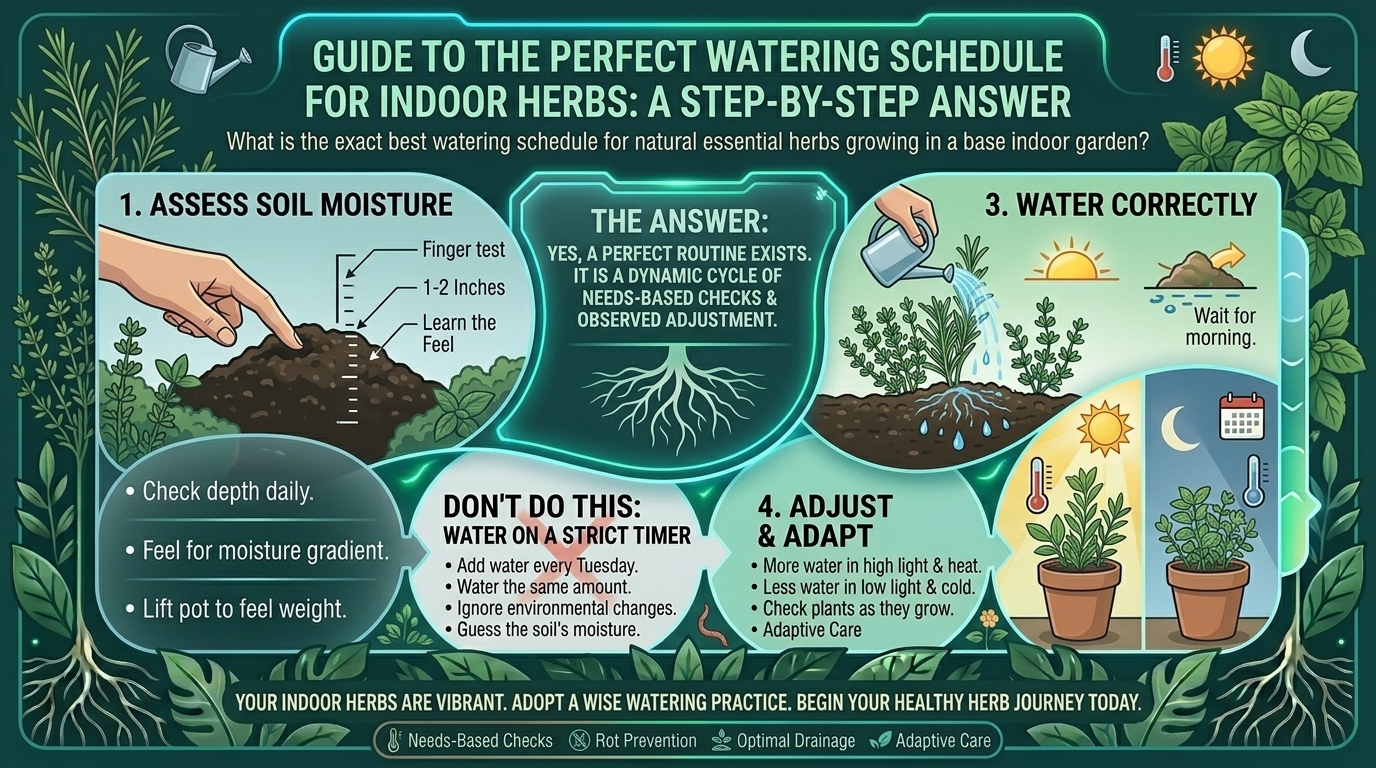
- Deep and Regular: Water your containers deeply until water runs out the bottom drainage holes. Allow the top 1 to 2 inches of soil to dry out before watering again.
- Never Let Them Bone-Dry: If a container tomato dries out completely, its root hairs die back. When you finally flood it with water, the sudden uptake causes the fruit skin to swell and split open.
- Mulch the Top Surface: Cover your container soil with a 2-inch layer of straw or shredded leaves. This prevents water evaporation during scorching summer days and stops soil microbes from baking under harsh ultraviolet rays.
8. Pruning, Staking, and Support Systems
Indeterminate cherry tomato vines can grow upwards of 6 to 8 feet tall. Proper support keeps fruit off the damp ground and ensures air circulates freely to prevent blight.
- Cages and Stakes: Install a sturdy tomato cage, a heavy-duty spiral stake, or a trellis system at the time of planting so you do not accidentally drive stakes through established roots later.
- Pruning Suckers: For indeterminate varieties, pinch out the “suckers”—the small shoots that emerge in the “V” between the main stem and side branches. Pruning to one or two main stems focuses the plant’s energy into producing heavier clusters of sweet fruit rather than wild foliage.
9. Regional Growing Adjustments (TX, NY, CA, WA, SF)
Your local climate alters how your container cherry tomatoes behave throughout the season.
Texas (Beating the Summer Heat)
- The Challenge: When summer temperatures soar above 95°F (35°C), tomato pollen becomes sterile, causing blossoms to drop without setting fruit.
- The Solution: Provide afternoon shade using a lightweight shade cloth (30% to 40% block). Mulch heavily to keep root zones cool and hydrated.
New York (Maximizing Short Summer Windows)
- The Challenge: Winters linger late, and autumn cools down fast.
- The Solution: Start your seeds indoors under grow lights 6 to 8 weeks before the last frost date, and choose early-maturing varieties like Sungold or Sweet Million.
California (Mediterranean Sunshine)
- The Challenge: Exceptional sunshine yields incredible growth, but drought conditions demand strict water conservation.
- The Solution: Pair heavy coconut-coir soil mixes with automated drip irrigation timers to keep moisture consistent without waste.
Washington (Navigating Cool, Damp Weather)
- The Challenge: Overcast days and rain can trigger fungal leaf spots and slow down fruit ripening.
- The Solution: Place containers against a south-facing brick wall that absorbs daytime heat and radiates it back to the plant overnight. Prune lower leaves aggressively to maximize airflow.
San Francisco (Coping with Fog and Wind)
- The Challenge: Cool marine fog layers and strong coastal winds can chill plants and snap heavy branches.
- The Solution: Position your pots in the sunniest wind-protected microclimate on your deck or patio, and tie your main vines securely to heavy stakes.
10. Frequently Asked Questions (10 FAQs)
Q1: Can I grow cherry tomatoes indoors on a windowsill?
A: Generally, no. Windowsills rarely provide the intense 6 to 8 hours of direct, high-intensity sunlight required for tomatoes to flower and set fruit. However, they will thrive indoors if placed directly under high-output full-spectrum LED grow lights.
Q2: Why are my tomato flowers falling off without turning into fruit?
A: This is usually caused by extreme temperatures (too hot in Texas, too cool in SF), lack of pollination, or irregular watering. Gently shaking the flower clusters midday helps release pollen and ensures successful self-pollination.
Q3: How many cherry tomato plants can I fit in one container?
A: Stick to one plant per 5-to-10-gallon container. Crowding multiple tomato plants into a single pot leads to fierce root competition, nutrient depletion, and poor harvests.
Q4: What causes the bottoms of my tomatoes to turn black and sunken?
A: This is blossom end rot, caused by a calcium deficiency in the developing fruit. It is rarely caused by a lack of calcium in the soil itself, but rather by irregular watering that prevents the roots from absorbing available calcium. Keep your soil moisture steady!
Q5: Do I need to hand-pollinate container tomatoes?
A: Tomatoes are self-pollinating because flowers contain both male and female organs. Outdoors, wind and visiting bees do the work. If your containers are sheltered on a high-rise balcony, gently flicking or vibrating the main flower stems once a day ensures heavy pollination.
Q6: Can I save seeds from my organic cherry tomatoes for next year?
A: Yes, absolutely! If you grew an open-pollinated or heirloom variety (like Black Cherry or Yellow Pear), scoop out the seeds, ferment them in water for a few days to remove the gelatinous coating, dry them on a paper towel, and store them in a cool, dark envelope for next season.
Q7: Why are my tomato leaves turning yellow at the bottom of the plant?
A: Lower yellow leaves are a normal part of the plant’s aging cycle, especially as it channels energy upward. Simply clip off yellowing lower leaves to improve air circulation and prevent soil splash-back diseases.
Q8: How do I know when a cherry tomato is ready to pick?
A: A ripe cherry tomato should yield slightly to gentle pressure and slip off the vine with a soft tug or a gentle snap at the stem joint. If it requires hard pulling, it needs another day or two in the sun.
Q9: Can I reuse my organic container soil next year?
A: Yes, provided the previous plants were healthy and free of disease. Rejuvenate old soil by dumping it into a wheelbarrow, removing old root clumps, and mixing in 50% fresh compost and organic amendments to restore lost nutrients.
Q10: Are container-grown cherry tomatoes as flavorful as garden-bed tomatoes?
A: Often, they are even sweeter! Because you control the exact water and nutrient inputs in a container, you can practice “deficit irrigation” slightly as fruit ripens, concentrating sugars inside the fruit for incredible flavor.
Conclusion
Growing an endless supply of organic cherry tomatoes in a sunny backyard container garden is an achievable, deeply satisfying project for gardeners of all experience levels. By investing in a spacious container, building a rich, living organic soil base, securing maximum sunlight, and keeping moisture steady, you unlock a continuous harvest of sweet, juicy fruit right outside your back door.