Why Crop Rotation is Necessary in a Home Vegetable Garden to Prevent Soil-Borne Plant Diseases
Introduction: The Hidden World Beneath Your Garden Beds
Every home gardener dreams of stepping out into their backyard and harvesting a bounty of vibrant, flawless vegetables. Whether you are tending a lush raised bed in a suburban backyard in Texas, a compact container setup on a New York balcony, a sprawling sunny plot in California, a cool-climate garden in Washington, or an urban patch in San Francisco, the underlying foundation of your success is always the same: healthy soil.
However, soil is not an inert medium; it is a living, breathing ecosystem teeming with microscopic life. While many of these microorganisms are beneficial—breaking down organic matter and feeding your plants—others are pathogens waiting for the right host.
If you plant the same vegetable family in the exact same spot year after year, you are ringing the dinner bell for these soil-borne diseases. At kcplants.com, we champion sustainable, science-backed gardening practices. One of the most powerful, cost-effective, and natural tools in your gardening arsenal to combat these pathogens is crop rotation.
This comprehensive guide will explore the science of crop rotation, why it is vital for home gardens across diverse climates, how to design a rotation plan, and how it protects your harvest from devastating soil-borne diseases.
The Core Science: What is Crop Rotation and Why Does It Matter?
Defining Crop Rotation
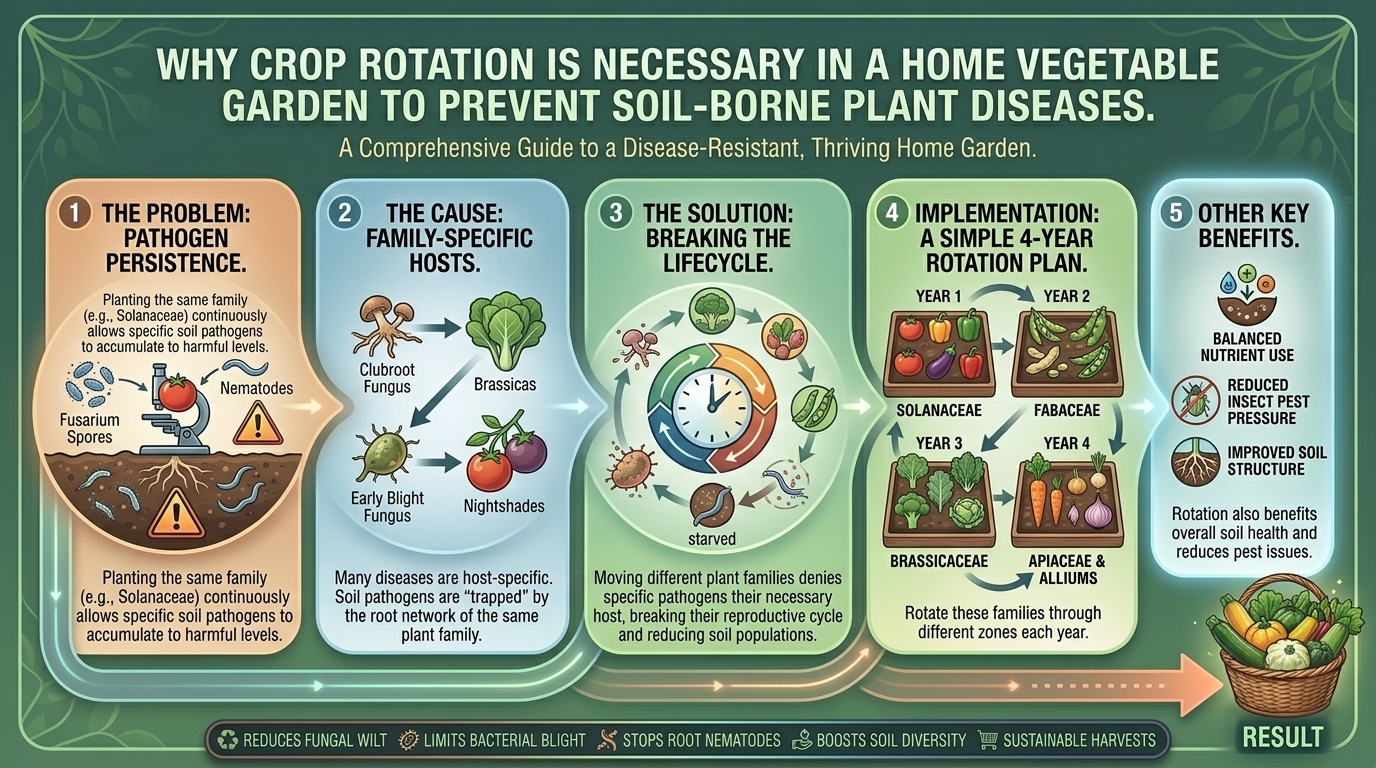
Crop rotation is the practice of systematically changing the location of specific vegetable families in your garden beds from year to year, rather than planting them in the same place continuously.
To understand why this matters, you must understand that plants are categorized into botanical families. Members of the same family share similar nutritional needs, root structures, and, most importantly, susceptibilities to specific pests and diseases.
When you grow a plant from the nightshade family (like tomatoes) in a patch of soil, it exudes specific root exudates and draws upon specific nutrients. If you plant a tomato in that same spot the following year, the soil is already depleted of those specific nutrients, and any pathogens left behind by the previous year’s plant find a ready-and-waiting host.
How Pathogens Build Up in the Soil
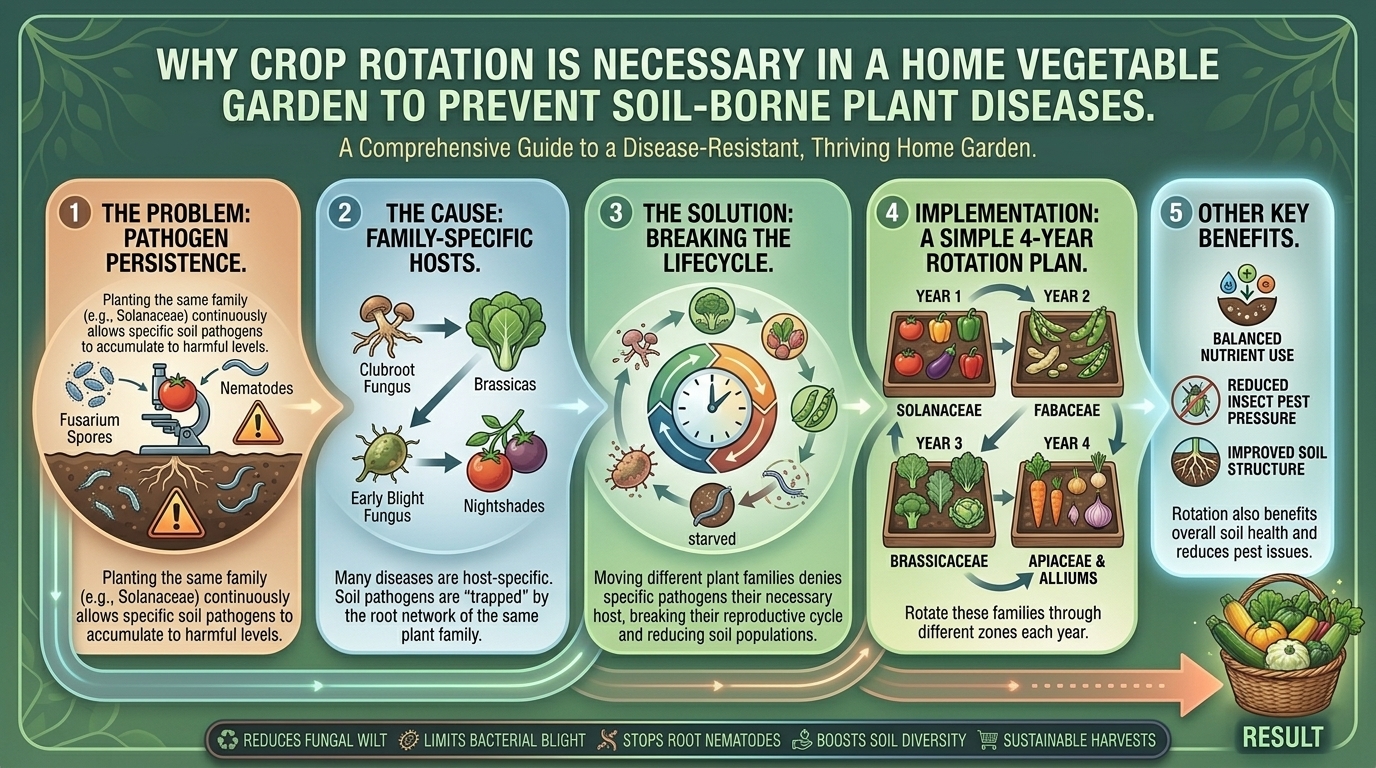
Soil-borne pathogens—including fungi, bacteria, nematodes, and oomycetes—can survive in the soil for years, often in the form of resistant spores or resting structures.
- Year 1: You plant susceptible crops. A few pathogens infect the plant, multiply, and drop back into the soil via decaying roots or leaves.
- Year 2 (Continuous Planting): The pathogen population explodes because their preferred host is readily available. The disease pressure overwhelms the soil’s natural defenses.
- Year 3 and Beyond: The soil becomes “sick” or “fatigued,” resulting in stunted growth, lower yields, and total crop failure.
By rotating crops, you break this biological feedback loop. Deprived of their preferred host for a period of several years, pathogen populations naturally starve and decline.
Major Soil-Borne Plant Diseases Prevented by Crop Rotation
Different plant families are vulnerable to unique sets of soil-borne diseases. Below are the primary culprits that crop rotation helps keep at bay:
1. Fusarium Wilt and Verticillium Wilt
- Target Families: Nightshades (Solanaceae) such as tomatoes, peppers, eggplants, and potatoes.
- The Threat: These are fungal pathogens that invade the plant’s vascular system (xylem), clogging the water-transporting tissues. Leaves turn yellow, wilt during the heat of the day, and eventually die.
- Why Rotation Works: Fusarium and Verticillium spores can persist in the soil for many years. Rotating out of nightshades for 3 to 4 years starves the fungus of a living vascular host.
2. Clubroot
- Target Family: Brassicaceae (Cabbage family) including broccoli, kale, cabbage, radishes, and turnips.
- The Threat: Caused by a slime mold-like organism (Plasmodiophora brassicae), clubroot causes roots to swell into grotesque, club-like galls. Plants cannot take up water properly, leading to wilting and stunting.
- Why Rotation Works: Clubroot thrives in acidic, poorly drained soils (common in parts of Washington and New York). A strict 4-year rotation away from brassicas drastically reduces spore counts.
3. Early Blight and Late Blight
- Target Families: Solanaceae.
- The Threat: While late blight is famous for destroying foliage rapidly in humid environments (like parts of New York), early blight often overwinters in crop debris and soil, splashing up onto lower leaves.
- Why Rotation Works: Removing infected debris and moving nightshade beds away from last year’s footprint prevents the splash-zone infection cycle.
4. Common Scab and Bacterial Wilt
- Target Family: Potatoes and other root crops.
- The Threat: Common scab creates rough, corky lesions on potato tubers, ruining their appearance and storage life. Bacterial wilt attacks potatoes and tomatoes alike, causing rapid collapse.
- Why Rotation Works: Pathogens responsible for scab thrive in alkaline soils and linger on decaying organic matter. Rotation helps manage organic residue breakdown timing.
Regional Garden Realities: Adapting Crop Rotation to Your Climate
At kcplants.com, we recognize that gardening in Texas is vastly different from gardening in San Francisco or New York. Climate dictates your growing seasons, which in turn influences how quickly soil biology operates.
Texas (USDA Zones 6–9)
- The Challenge: Long, intense summers and mild winters mean soil microbial activity remains high almost year-round. Pathogens can reproduce rapidly across multiple short seasons (spring and fall gardens).
- Rotation Strategy: Utilize a fast-paced seasonal rotation. Because you can squeeze in spring, summer, and fall crops, your rotation plan needs to track three distinct windows per year rather than just an annual cycle.
New York (USDA Zones 3–7)
- The Challenge: Freezing winters provide a natural dormancy period, but heavy spring rains create waterlogged soils prone to fungal spores like clubroot and root rots.
- Website Tip: Focus your 3-to-4-year rotation on spring-to-fall annual cycles, ensuring good drainage is integrated into your raised beds or in-ground plots.
California (USDA Zones 5–10)
- The Challenge: Microclimates vary wildly—from the Mediterranean warmth of Southern California to the foggy, cool maritime air of the Bay Area. Drought conditions can concentrate salts, while moisture encourages root nematodes.
- Rotation Strategy: Incorporate cover crops (like cereal rye or crimson clover) during your dry or cool off-seasons to improve soil structure and outcompete residual pathogens.
Washington (USDA Zones 4–9)
- The Challenge: Wet springs and damp autumns in Western Washington create a breeding ground for fungal pathogens. Eastern Washington’s drier climate requires careful irrigation management.
- Rotation Strategy: Prioritize wide-spacing and rigorous family grouping to maximize air circulation and minimize soil splash diseases during the rainy seasons.
San Francisco (USDA Zones 10)
- The Challenge: Urban microclimates, limited space (container gardening and small backyards), and cool, foggy summers.
- Rotation Strategy: If you rely on containers or raised beds, crop rotation means swapping the soil mix or completely reallocating which pots grow which plant families each season.
The Major Vegetable Families: Your Rotation Building Blocks
To build an effective rotation plan, you must group your vegetables into their respective families. Here are the four primary groups utilized in home gardens:
+-----------------------------------+---------------------------------------+
| Vegetable Family                  | Common Garden Crops                   |
+-----------------------------------+---------------------------------------+
| 1. Nightshades (Solanaceae)       | Tomatoes, Peppers, Eggplants, Potatoes|
| 2. Cabbage/Brassicas (Brassicaceae)| Broccoli, Cabbage, Kale, Radish, Turnip|
| 3. Legumes (Fabaceae)             | Beans, Peas, Lentils                  |
| 4. Cucurbits (Cucurbitaceae)      | Cucumbers, Squash, Melons, Pumpkins   |
+-----------------------------------+---------------------------------------+
(Note: Root crops like carrots, beets, and onions often form auxiliary groups that fit neatly into rotation gaps because they have minimal disease overlap with the heavy hitters above.)
Step-by-Step Guide: Designing a 4-Year Garden Rotation Plan
A standard 4-year rotation is the gold standard for home vegetable gardens. It ensures that any given plant family returns to the same plot of soil only once every four years, starving out most species-specific pathogens.
Step 1: Map Your Garden Space
Divide your garden into four distinct zones, beds, or quadrants. If you have raised beds, assign one bed to each zone.
- Zone A
- Zone B
- Zone C
- Zone D
Step 2: Assign Families to Zones for Year 1
- Zone A: Nightshades (Tomatoes, Peppers)
- Zone B: Brassicas (Cabbage, Broccoli) + Root Crops
- Zone C: Legumes (Beans, Peas) + Cucurbits (Squash, Cucumbers)
- Zone D: Alliums (Onions, Garlic) + Greens (Lettuce, Spinach)
Step 3: Shift the Families Each Year
Follow this clockwise or linear shift pattern:
- Year 2: Zone A gets Zone B crops; Zone B gets Zone C crops; Zone C gets Zone D crops; Zone D gets Zone A crops.
- Year 3: Shift again.
- Year 4: Shift again.
- Year 5: Return to the original layout (completing the full cycle).
Advanced Tips for Maximum Soil Health and Disease Prevention
- Incorporate Cover Crops: During your rotation cycle, dedicate a season to growing cover crops like hairy vetch, buckwheat, or daikon radishes. They suppress weeds, fix nitrogen, and disrupt pathogen life cycles through bio-fumigation.
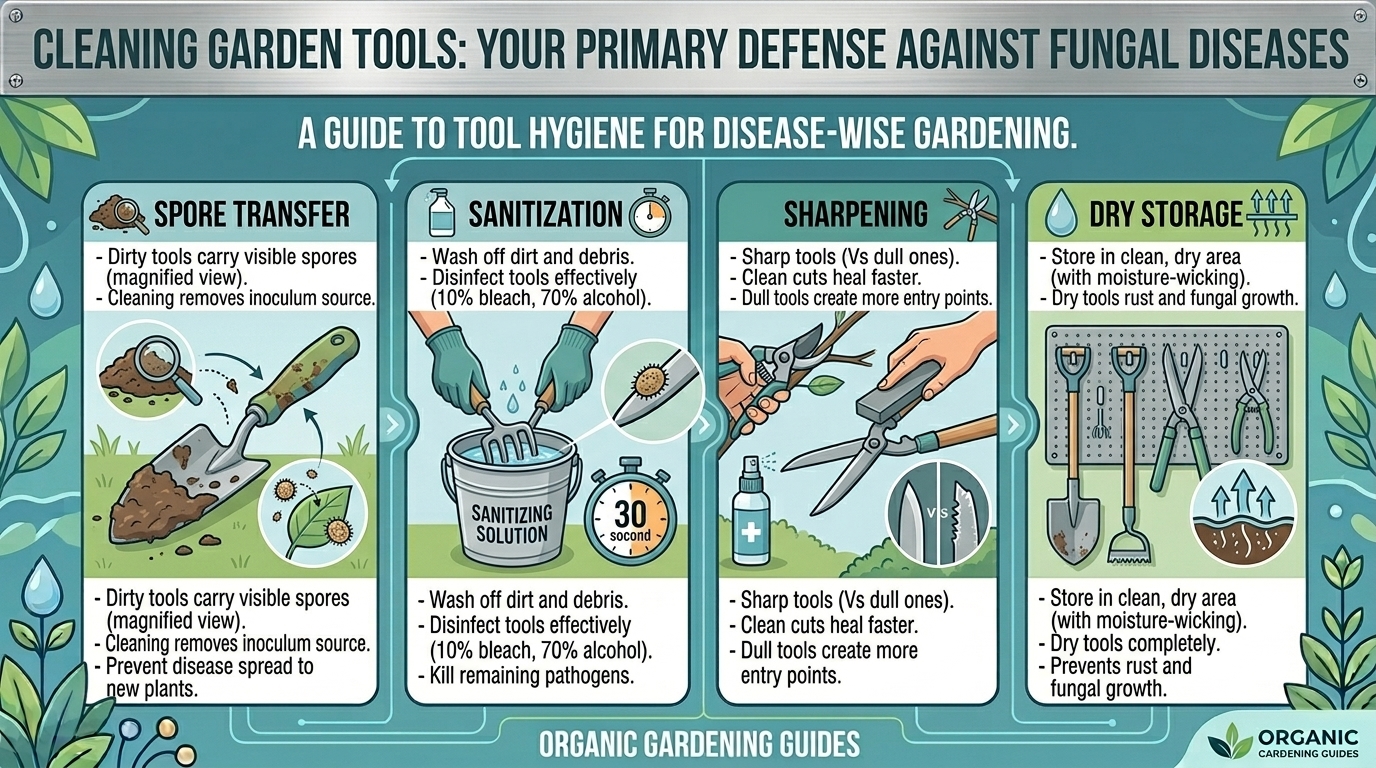
- Practice Sanitization: Never throw diseased plant material into your home compost bin if you suspect a soil-borne fungus or bacterial wilt. Dispose of it in municipal yard waste or trash to prevent reintroducing pathogens via compost.
- Manage Soil pH: Pathogens like clubroot thrive in acidic soil. Test your soil annually (especially in rainy regions like Washington and New York) and amend with agricultural lime if necessary to keep pH near optimal ranges.
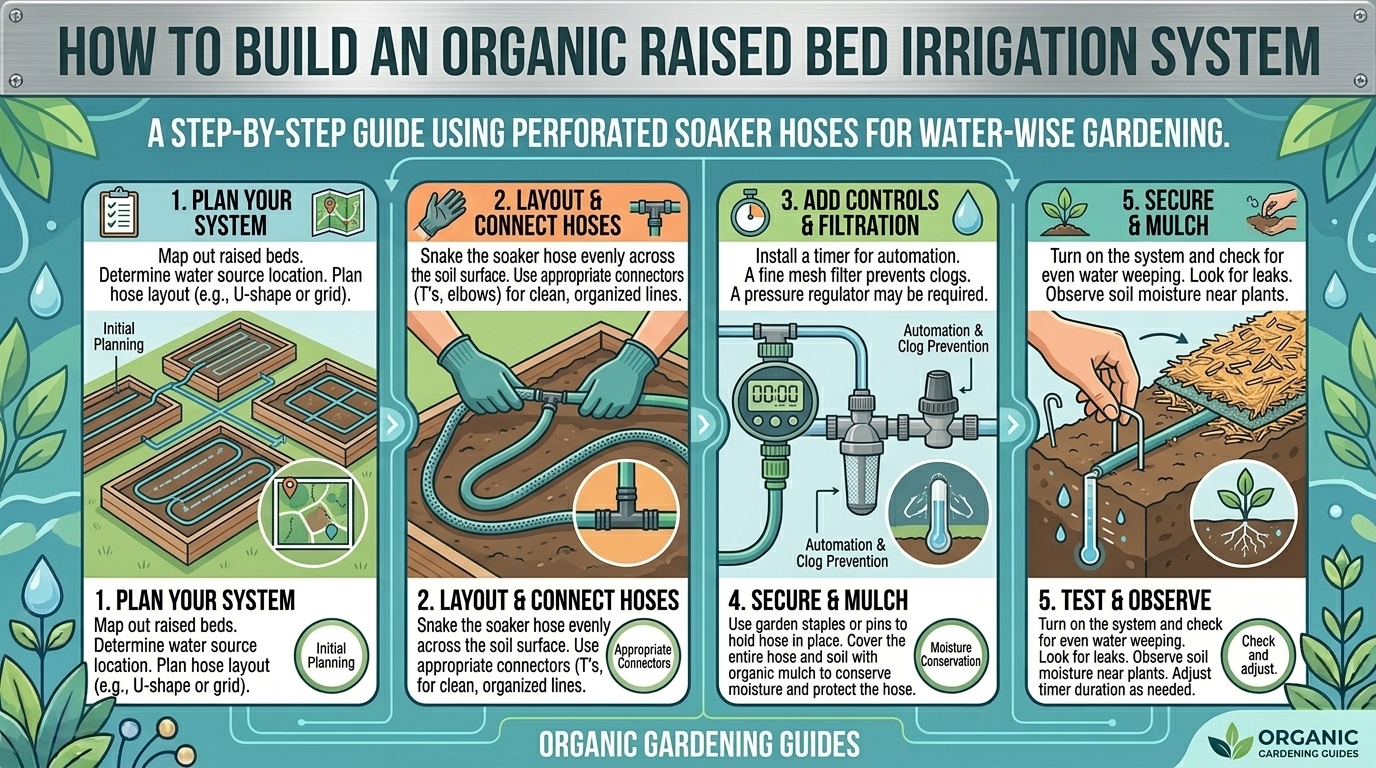
- Practice Good Irrigation: Overhead watering splashes soil spores onto lower foliage. Use drip irrigation or soaker hoses to keep foliage and surface soil stable.
Frequently Asked Questions (FAQ)
1. What happens if I don’t practice crop rotation in my home garden?
If you grow the same crops in the same spot year after year, soil-borne pathogens and pests specific to that plant family multiply rapidly. Over time, you will notice declining yields, stunted plant growth, increased vulnerability to weather stress, and total crop failure due to diseases like wilt or root rot.
2. Can I rotate crops in small raised beds or containers?
Yes! Even in small urban spaces like San Francisco or apartment balconies in New York, you can practice rotation. In containers, simply swap which plant family goes into which pot each season. For small raised beds, divide a single bed into mini-quadrants or treat separate raised beds as your rotation zones.
3. How many years should my rotation cycle be?
A 4-year rotation cycle is widely considered the gold standard for home vegetable gardens. This length of time is sufficient to starve out most persistent soil-borne fungi, bacteria, and spores that rely on specific host plants to survive.
4. What should I do if my garden space is too small for a 4-year rotation?
If space is severely restricted, aim for at least a 2-to-3-year rotation, prioritize strict garden sanitation, remove crop residue immediately at the end of the season, and heavily incorporate disease-resistant plant varieties and organic compost to boost beneficial soil microbiology.
5. Do root crops like carrots and onions need to be rotated?
Yes. While they have fewer devastating soil-borne pathogens than nightshades or brassicas, they are still vulnerable to pests like onion maggots, carrot rust flies, and fungal root rots. Integrate them into your rotation plan as buffer crops between heavy feeders.
6. Can beneficial cover crops replace crop rotation?
Cover crops cannot entirely replace crop rotation, but they are an incredible complementary tool. Planting bio-fumigant cover crops (like mustard greens or specific radishes) can help suppress soil-borne pathogens during your rotation cycle, but rotating plant families remains essential.
7. Does crop rotation help with insect pests as well as diseases?
Absolutely! Many insect pests—such as the Colorado potato beetle or squash vine borer—spend part of their life cycle overwintering in the soil right beneath their host plants. Moving your crops makes it much harder for emerging pests to find their food source in the spring.
8. How do I handle perennial vegetables like asparagus in a rotation plan?
Perennial vegetables (like asparagus, rhubarb, and artichokes) stay in the same spot for many years and cannot be rotated annually. To manage this, dedicate a permanent, separate bed exclusively for perennials and build your crop rotation plan around the remaining annual garden beds.
9. Are there exceptions where certain plants can grow in the same spot continuously?
Some very resilient crops or heavy-composted garden setups can sometimes tolerate short-term repetition, but continuous growing almost always invites disease pressure eventually. It is always safer to follow a rotation schedule, even with hardy plants like zucchini or leafy greens.
10. Where can I find more region-specific soil health advice for my garden?
For tailored advice suited to your local climate—whether you are gardening in the humid heat of Texas or the cool maritime air of Washington—explore our expert guides, soil calculators, and planting calendars right here at kcplants.com.
Conclusion
Crop rotation is much more than an old-fashioned gardening tradition; it is a vital, science-based strategy for maintaining a thriving, disease-free home vegetable garden. By understanding plant families, respecting the biology of soil pathogens, and mapping out a structured multi-year plan, you protect your harvest and build long-term soil fertility.