Why Adequate Spacing Between Potato Plants Prevents Tuber Rot and Increases Overall Crop Yield
Introduction: The Underground World of Potato Cultivation
Few garden vegetables offer the comforting, earthy satisfaction of harvesting a fresh crop of potatoes (Solanum tuberosum). Shoveling aside loose, rich soil to reveal smooth, golden, red, or purple tubers feels like unearthing buried treasure. Yet, novice and intermediate gardeners alike often experience a heartbreaking discovery at harvest time: buckets filled with rotting, mushy, diseased tubers, or an underwhelming yield of small, marble-sized potatoes.
While issues like poor soil nutrition or erratic watering certainly play a role, the single most critical factor determining potato health, tuber size, and disease prevention is adequate plant spacing.
Potatoes are heavy underground producers that require precise spatial boundaries to thrive. When planted too close together, they wage a silent, destructive war beneath the soil surface and within the green canopy above.
This comprehensive, highly informative guide explores the science of potato spacing, how overcrowding triggers catastrophic tuber rot, and how to optimize your yields. Whether you are managing heavy soils in Texas, urban garden plots in New York, Mediterranean microclimates in California, foggy coastal zones in San Francisco, or damp spring soils in Washington, mastering plant spacing is your ultimate key to a bumper harvest tailored for kcplants.com.
The Botanical Biology of Potato Growth
To understand why spacing matters, you must first understand how a potato plant grows and reproduces. Unlike tomatoes or peppers that produce fruit above ground, potatoes are modified stems called tubers that swell underground on specialized underground stems known as stolons.
1. Stolon Expansion and Tuber Initiation
As a seed potato sprouts, it sends green shoots upward to capture sunlight and roots downward to anchor the plant. Simultaneously, underground stems (stolons) push outward horizontally from the main stem. At the tips of these stolons, the plant stores carbohydrates, swelling them into what we harvest as potatoes.
If potato plants are crowded too closely together:
- Stolon Interlocking: The underground stolons cross paths and tangle.
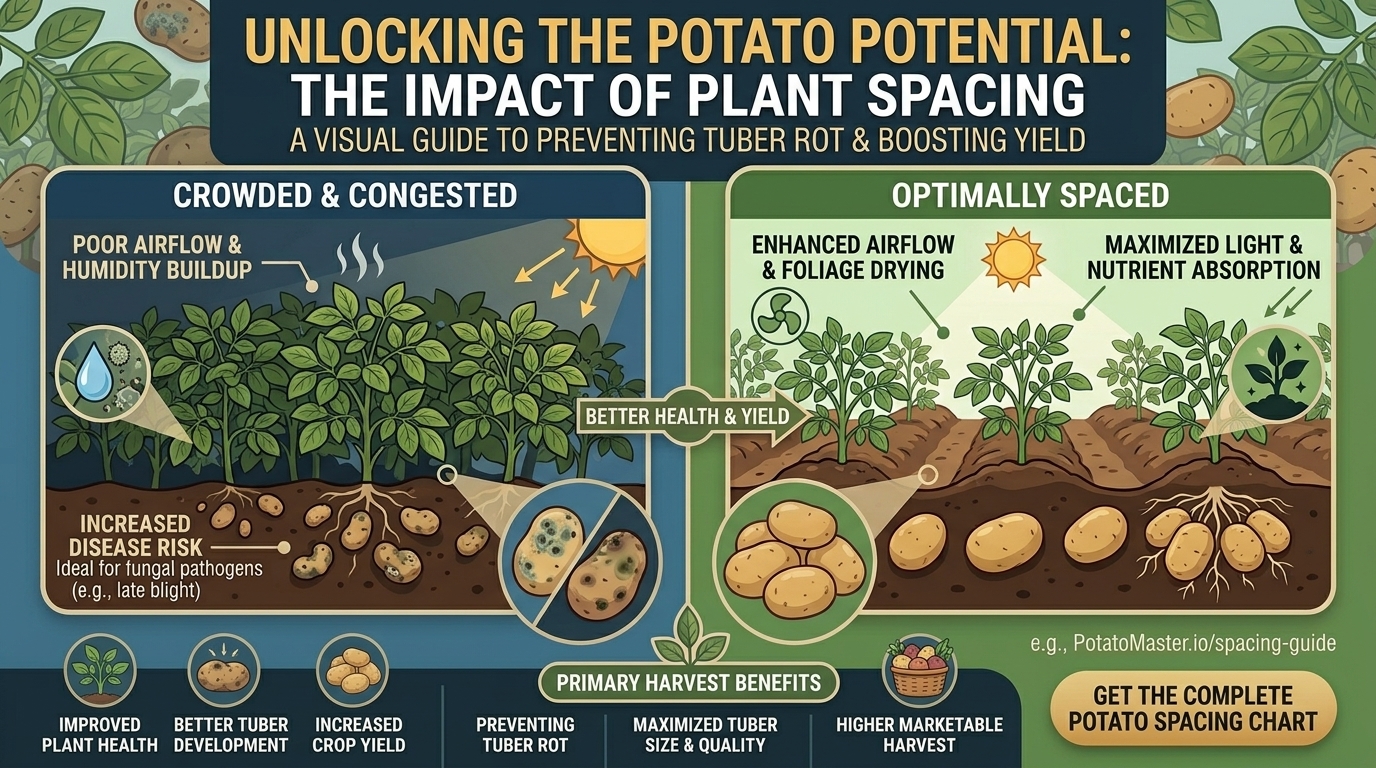
- Space Competition: There is simply no physical room in the soil matrix for multiple tubers to expand. Instead of large, uniform potatoes, you get cramped, deformed, or stunted tubers that compete for the same pocket of nutrients.
2. The Above-Ground Canopy and Microclimate
Above ground, a potato plant produces a dense, bushy mass of foliage (known as “haulms”). Proper spacing ensures that air circulates freely through this canopy. When plants are crowded, air stagnation creates a humid microclimate right at the soil line—the absolute breeding ground for fungal pathogens.
Regional Growing Realities for kcplants.com Growers
Climate dictates how moisture behaves in your garden, making regional spacing adjustments vital for success.
Texas: Balancing Heat, Irrigation, and Soil Drainage
- The Challenge: Texas soils can range from heavy, moisture-retaining clays to sandy loams. Spring rains followed by intense heat can superheat crowded beds, trapping humidity and cooking shallow tubers.
- The Solution: Increase spacing slightly (up to 14–16 inches apart) in humid or heavy-soil regions of Texas to maximize air movement across the soil surface and reduce heat-island effects between neighboring plants.
New York: Navigating Spring Rains and Late Blight Pressures
- The Challenge: New York spring seasons are notoriously wet, and summer humidity brings the constant threat of Phytophthora infestans (Late Blight)—the infamous fungus responsible for historical potato famines.
- The Solution: Generous spacing (12 inches minimum) is mandatory in New York. Proper spacing allows foliage to dry rapidly after morning dew or heavy rain showers, drastically cutting down fungal spore germination rates.
California & San Francisco: Leveraging Microclimates
- The Challenge: Interior California is dry and warm, requiring efficient moisture retention, while San Francisco and coastal zones experience cool, damp fog that blankets gardens daily.
- The Solution: In San Francisco’s foggy climate, wider spacing is essential to help the soil dry out between coastal mists. In drier interior California regions, standard spacing works wonderfully as long as consistent drip irrigation is maintained.
Washington: Managing Pacific Northwest Moisture and Damp Springs
- The Challenge: Washington’s cool, wet springs mean soils stay saturated longer. Saturated soil combined with close planting leads almost universally to seed piece decay and tuber rot.
- The Solution: Plant seed potatoes slightly shallower in well-milled raised beds with strict 12-to-15-inch spacing to prevent waterlogging and subterranean rot.
The Direct Link Between Overcrowding and Tuber Rot
Tuber rot is generally caused by fungal and bacterial pathogens that thrive in wet, oxygen-deprived environments. Overcrowding accelerates this destruction through several specific mechanisms:
1. Restricted Air Circulation and Soil Drying
When potato foliage forms an impenetrable wall, sunlight cannot penetrate to the soil surface, and wind cannot sweep away evaporating moisture. The soil stays damp for days longer than it should. Pathogens like Pythium (leak) and various bacterial soft rots thrive in this perpetually soggy, airless zone, attacking developing tubers directly through their skins or via minor abrasions.
2. The Spread of Blight and Fungal Pathogens
Foliar diseases like Early Blight (Alternaria solani) and Late Blight spread rapidly when leaves touch. In an overcrowded row, spores wash or blow easily from one plant to the next. Once the leaves are infected, the fungus can travel down the stems or wash into the soil during rain, infecting the tubers below.
3. Shallow Tubers and Green Potatoes
When plants are cramped, they often push stolons upward, resulting in potatoes forming very close to or right on the surface of the soil. Exposed to sunlight, these tubers turn green and produce solanine, a toxic, bitter compound. Furthermore, surface-level tubers are vulnerable to temperature swings, pest attacks, and secondary rots.
Mathematical Breakdown: Ideal Spacing Guidelines
To maximize both total crop weight and individual tuber size, follow these industry-standard spacing measurements:
| Potato Type / Variety | Minimum Spacing Between Plants | Spacing Between Rows / Trenches | Recommended Planting Depth |
| Early/New Potatoes (Small, quick harvest) | 8 to 10 inches | 24 inches | 3 to 4 inches |
| Maincrop Potatoes (Large storage tubers) | 12 to 15 inches | 30 to 36 inches | 4 to 5 inches |
| Fingerling Varieties (Long, slender tubers) | 10 to 12 inches | 30 inches | 3 to 4 inches |
| Container/Grow Bag Potatoes | 1 plant per 10-gallon bag | N/A | Layered up to 12 inches |
Best Practices and Pro Tips for Maximizing Yields
Implementing correct spacing is just the first step. Combine your spatial strategy with these expert horticultural practices:
- Cut Seed Pieces Correctly: If you are cutting larger seed potatoes into smaller chunks, ensure each piece has at least two strong “eyes.” Allow the cut surfaces to callous over in a dry, well-ventilated room for 24 to 48 hours before planting to prevent seed-piece rot in the soil.
- Hilling is Mandatory: As your potato plants grow to about 8–10 inches tall, mound loose soil, straw, or compost around the lower stems (a process called hilling). This covers developing tubers, prevents greening, and effectively expands the subterranean real estate available for tuber growth.
- Practice Crop Rotation: Never plant potatoes in the same bed where tomatoes, peppers, eggplants, or potatoes grew the previous year. These crops all belong to the Solanaceae (nightshade) family and share soil-borne pathogens that cause rot and wilt.
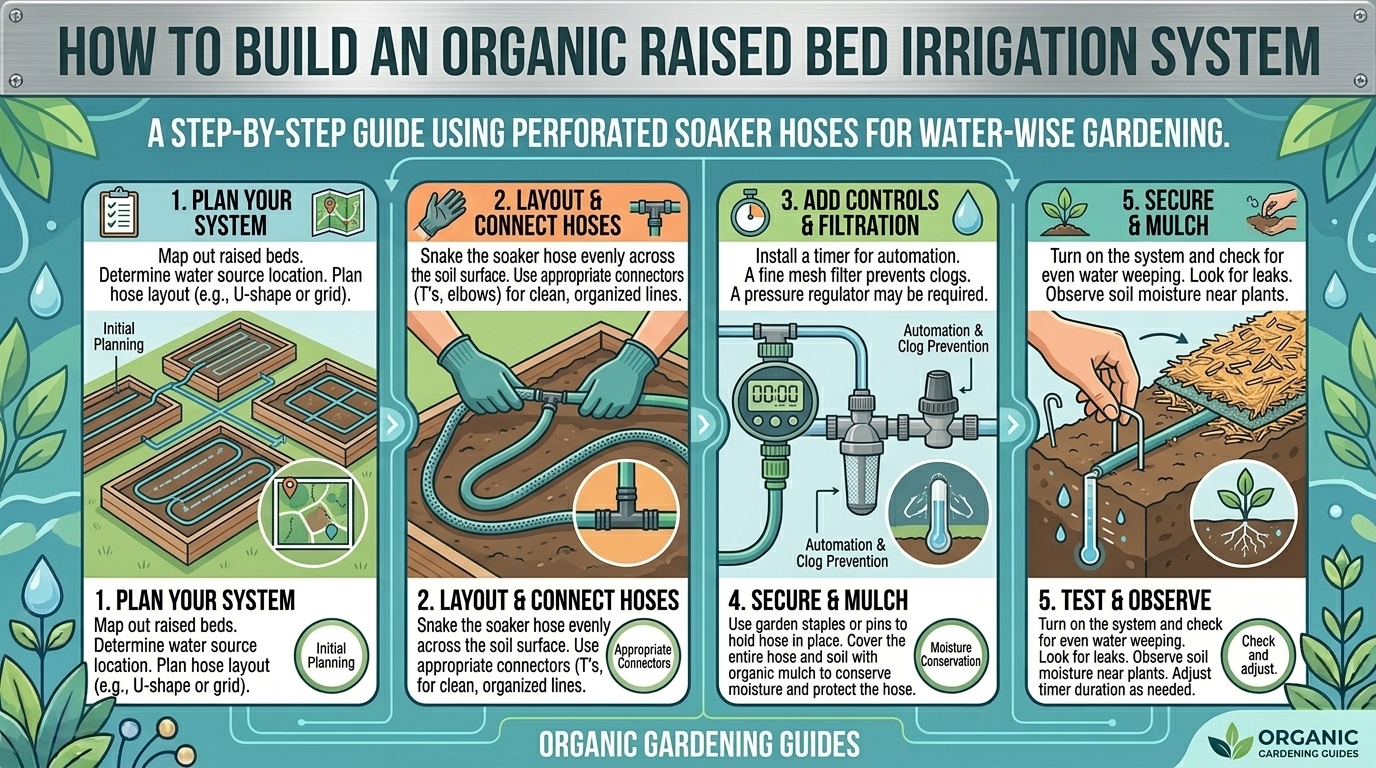
- Master Water Management: Switch from overhead sprinklers to drip irrigation or soaker hoses. Keeping foliage dry is one of the single most effective ways to stop the spread of fungal rots in dense plantings.
Frequently Asked Questions (FAQs)
1. What happens if I plant my potatoes too close together?
Planting potatoes too close together creates intense competition for light, water, and nutrients. Above ground, it creates a damp canopy prone to fungal blights. Below ground, the tubers collide, resulting in stunted, small, misshapen potatoes and a dramatically reduced overall harvest.
2. How many inches apart should standard maincrop potatoes be planted?
Standard maincrop potatoes should be spaced 12 to 15 inches apart within rows, with rows spaced roughly 30 to 36 inches apart to allow enough room for proper hilling and airflow.
3. Can I plant whole seed potatoes closer together than cut seed pieces?
Generally, no. While whole, smaller seed potatoes (often called “chat” seed) are less prone to rotting upon planting, they still require the same physical growing space beneath the soil to produce a full yield of large tubers. Keep spacing at 10 to 12 inches.
4. How does adequate spacing prevent tuber rot?
Adequate spacing allows air to circulate freely through the plant canopy and promotes rapid evaporation of moisture from the soil surface. By eliminating stagnant humidity and soggy soil pockets, you starve moisture-loving fungi and bacteria of the wet environment they need to trigger rot.
5. Why are my harvested potatoes turning green and bitter?
Green potatoes are caused by exposure to sunlight. When potatoes form too close to the surface—often exacerbated by poor planting depth or cramped conditions—they catch stray sunlight, turning green and developing a toxic, bitter compound called solanine. Hilling soil over them prevents this.
6. What is the ideal planting depth for seed potatoes?
Seed potatoes should typically be planted 4 inches deep in loose, well-draining soil. Planting them too shallowly leads to surface exposure, while planting them deeper than 6 inches can delay emergence and increase the risk of seed rot in cool, wet soils.
7. Can I grow potatoes successfully in containers or grow bags?
Yes! Container growing is a fantastic alternative for small spaces. For a 10-gallon grow bag, plant no more than one to two seed potatoes. Overcrowding grow bags will result in tiny, tangled tubers due to restricted root and stolon volume.
8. How do regional climates affect potato spacing choices?
Climate heavily influences moisture retention. In wet regions like Washington or New York, wider spacing is essential to prevent fungal blights and root rot. In arid or hot zones like Texas, proper spacing ensures individual plants don’t fiercely deplete localized soil moisture pools during dry spells.
9. Should I hill my potato plants even if they are spaced properly?
Yes. Hilling is a critical part of potato cultivation regardless of spacing. It protects shallow tubers from sunlight, provides loose soil for expanding tubers, and improves overall drainage immediately around the main root zone.
10. How do I know when it is time to harvest my potatoes?
Potatoes are generally ready to harvest when the above-ground foliage turns yellow and naturally dies back (usually 90 to 120 days after planting, depending on the variety). For tender “new” potatoes, you can gently harvest a few tubers 2 to 3 weeks after the plants finish flowering.
Conclusion: Reap a Bountiful, Healthy Potato Harvest
Mastering the geometry of your garden bed is just as important as watering and fertilizing. By giving your potato plants the breathing room they desperately need beneath the soil and across the green canopy, you effectively shut down the primary environmental triggers of tuber rot.
Whether you are cultivating crops in the clay soils of Texas, managing urban garden beds in New York, navigating the coastal fog of San Francisco, soaking up sun in California, or working through spring rains in Washington, disciplined plant spacing guarantees larger, cleaner, and more abundant harvests.