Welcome to the ultimate herb cultivation and harvesting guide by KCPlants, custom-tailored for passionate food growers, culinary gardeners, and herbalists across America’s diverse agricultural climates—from the sun-drenched yards of Texas and California to the crisp seasonal corners of New York and Washington, and the unique, breezy microclimates of San Francisco.
Step out into your garden on a warm summer afternoon, brush your hand gently against a sprawling clump of Mediterranean oregano (Origanum vulgare), and inhale deeply. The rich, earthy, wonderfully pungent aroma instantly transports you to a sun-baked Italian bistro. Oregano is the absolute heartbeat of Mediterranean cooking—an indispensable flavor profile for pizzas, pasta sauces, roasted meats, and vinaigrettes.
Beyond its culinary brilliance, oregano is one of the toughest, most resilient perennial herbs you can grow. Once established, it spreads rapidly, blanketing garden beds, containers, and borders with a wave of aromatic green foliage and delicate purple or white flowers.
However, many home gardeners make a critical mistake when harvesting their oregano: they treat it like lettuce, picking random leaves here and there, or they harvest incorrectly, causing the plant to become woody, sparse, and leggy by mid-summer.
To keep your oregano plants lush, productive, and bursting with flavor for months on end, you must master the art of strategic pruning harvest.
This comprehensive, SEO-optimized guide explores the physiology of perennial herb growth, step-by-step harvesting techniques, regional strategies across the US, and actionable tips designed to help your website rank effortlessly on Google.
The Biology of Oregano: Why Strategic Pruning Creates Bushy Growth
To understand why cutting your oregano correctly leads to a denser, more productive plant, you must examine how stems grow and branch.
+-------------------------------------------------------------+
                  THE OREGANO GROWTH MECHANISM
+-------------------------------------------------------------+
| APICAL DOMINANCE: Main stems grow upward toward sunlight   |
| NODE SITES:      Pairs of tiny leaves where side shoots hide|
| THE TRIGGER:     Pruning removes the tip and awakens nodes  |
| THE RESULT:      One cut stem branches into two thick shoots|
+-------------------------------------------------------------+
1. Apical Dominance Explained
Like many woody herbs (such as thyme and rosemary), oregano exhibits a growth habit called apical dominance. The plant’s primary energy is directed to the tip of the main stem (the apex), encouraging it to shoot straight up toward the sun. Left alone, these stems eventually grow long, floppy, and woody near the base, while the center of the plant becomes sparse and bare.
2. Awakening Dormant Growth Nodes
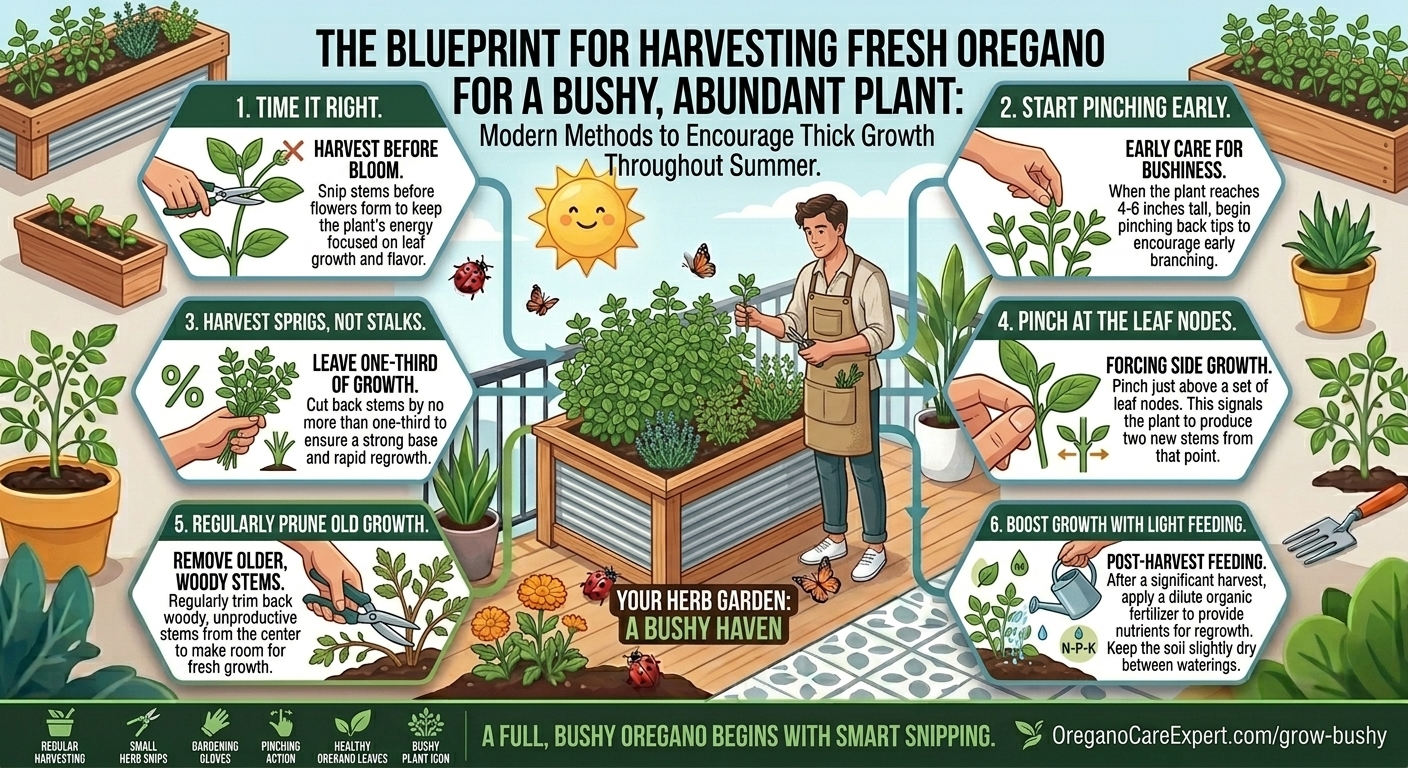
Along each oregano stem, leaves and tiny side branches emerge in opposite pairs at specific junctures called nodes. When you make a clean, strategic harvest cut right above a set of healthy nodes, you disrupt apical dominance.
Deprived of its primary growing tip, the plant instantly redirects its stored energy downward, activating the dormant growth buds hiding at those lower nodes. Instead of continuing upward on a single stem, the plant splits, forcing two brand-new, vigorous side shoots to emerge. Multiply this across an entire plant, and every harvest transforms a single stem into a thick, multiplying bush.
Step-by-Step Guide: How to Harvest Oregano Sprigs Correctly
Harvesting oregano isn’t about aimlessly plucking individual leaves. Follow this professional workflow to maximize your yield and improve plant health simultaneously.
+-------------------------------------------------------------+
                    THE OREGANO HARVEST WORKFLOW
+-------------------------------------------------------------+
| 1. Wait for Stems to Reach 6 to 8 Inches in Length          |
| 2. Grab Clean, Sterilized Pruning Shears or Scissors        |
| 3. Cut Stems Back by One-Third to One-Half (Just above nodes)|
| 4. Never Strip Stems Bare or Cut into Old Woody Stems       |
| 5. Process Sprigs Immediately for Fresh Use or Drying       |
+-------------------------------------------------------------+
Step 1: Time Your Harvest Right
Allow your young oregano plants to establish strong root systems in spring until they reach at least 6 to 8 inches tall. Once they form sturdy stems and lush foliage, you can begin harvesting regularly throughout summer. Morning—just after the morning dew has dried—is the optimal time to harvest, as essential oil concentrations peak at sunrise.
Step 2: Use Clean, Sharp Tools
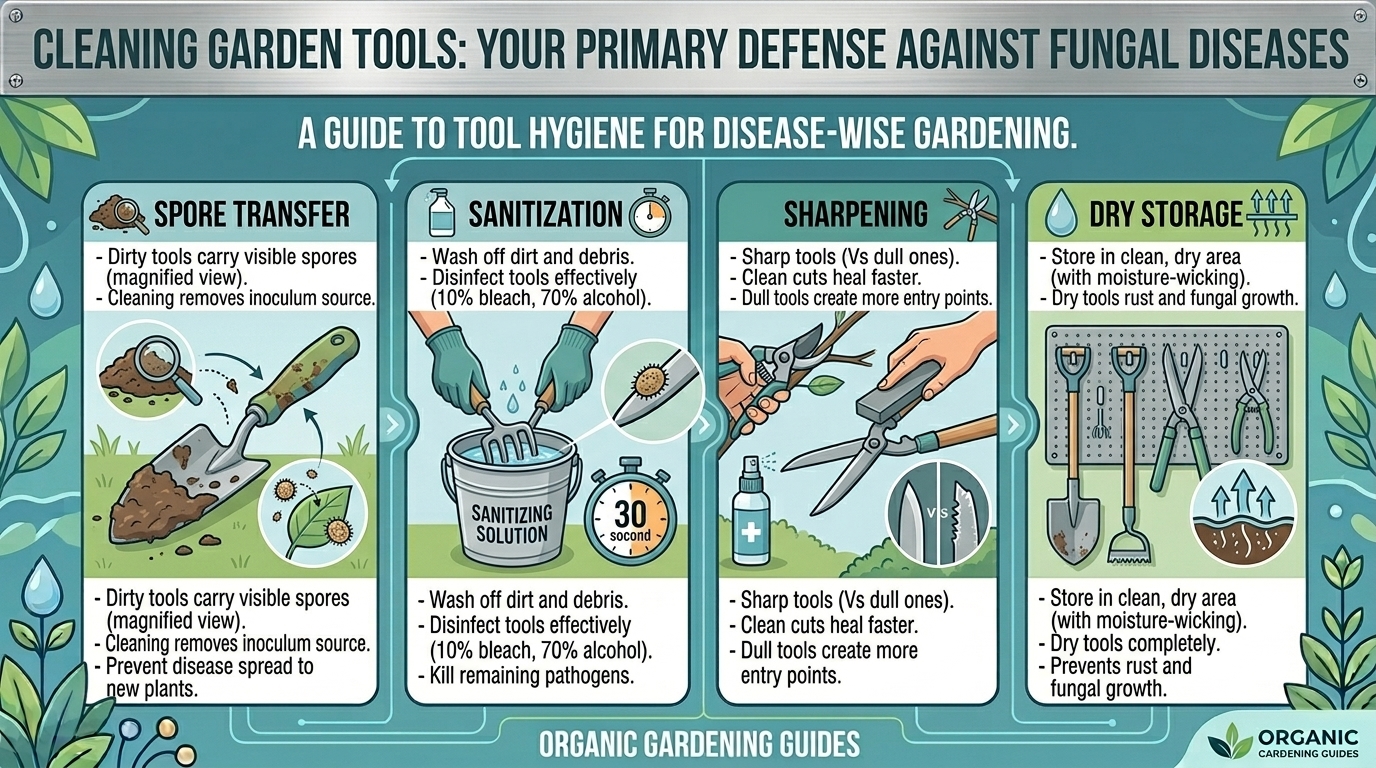
Never rip or tear oregano sprigs off by hand; pulling can shred the delicate vascular tissue, leaving jagged wounds open to disease. Always use clean, sharp kitchen scissors or pruning shears sterilized with rubbing alcohol.
Step 3: Cut Back by One-Third to One-Half
Position your shears roughly one-third to halfway down a healthy, vigorous stem, making sure your cut is made immediately above a pair of leaves or a growth node.
- Never chop your oregano all the way down to the flat dirt surface, as old, woody stems lack the active nodes required to push out new growth. Always leave at least two to three sets of lower leaves on every stem to power recovery.
Step 4: Harvest Before Flowering (Optional Taste Preference)
In mid-summer, oregano produces clusters of tiny pink or white flowers. While edible and adored by honeybees, heavy flowering diverts energy away from leaf production and can make the leaves taste slightly more bitter. Snip off flower buds as they form to keep the plant focused on producing sweet, tender culinary foliage.
Regional Harvesting Strategies Across the US
Different American climates present distinct weather profiles that dictate how oregano grows and how frequently you can harvest.
☀️ Texas & Southern California (Managing Heat & Drought)
- The Challenge: While oregano is exceptionally drought-tolerant and loves the sun, intense summer heatwaves (above 95°F) can cause plants to go semi-dormant, turning stems woody and bitter.
- Regional Strategy: Harvest your oregano frequently during the cooler spring and early summer mornings. During peak summer heat, provide your plants with light afternoon shade or morning drip irrigation, and give them a light post-summer trim to encourage a fresh autumn flush.
🌉 San Francisco (Coastal Fog & Mild Year-Round Air)
- The Challenge: San Francisco’s cool maritime climate and frequent fog create a mild environment where oregano grows steadily, but high humidity can trap moisture in dense clumps.
- Regional Strategy: Because growth is steady, you can harvest small batches weekly. Ensure your oregano plants are spaced with plenty of open air around them to prevent damp microclimates from breeding mold or fungal leaf spots.
🌲 Washington & New York (Spring-to-Fall Growing Seasons)
- The Challenge: Crisp four-season climates mean oregano enjoys a vigorous, explosive growth period from late spring through early autumn before dying back to its hardy root crown during freezing winter months.
- Regional Strategy: Maximize your harvests aggressively during July and August. In late autumn, once freezing weather arrives and top growth turns brown, cut the plant down to 2 inches above the soil line and cover the crown with a protective layer of straw mulch for the winter.
Post-Harvest Care: Keeping Your Oregano Beds Thriving
Harvesting stimulates growth, but supporting that growth requires proper maintenance.
- Moderate Watering: Oregano is a native Mediterranean herb that despises “wet feet.” Allow the soil to dry out completely between deep watering sessions. Overwatered oregano develops root rot and loses its pungent essential oil flavor.
- Avoid Heavy Fertilizing: Unlike heavy-feeding vegetables, oregano actually thrives in poor, well-draining soil. Excess nitrogen fertilizer results in rapid, weak, tasteless growth. A light annual top-dressing of compost in spring is more than enough.
- Dividing Overcrowded Clumps: Every 3 to 4 years, a healthy oregano patch will expand into a dense, overcrowded mat. In early spring, dig up the clump, divide it into smaller sections with a sharp spade, and replant them to restore vigor.
Frequently Asked Questions (FAQ)
1. Why is my oregano plant becoming woody and sparse at the bottom?
Woody, bare stems are natural as oregano ages, but they are usually accelerated by lack of regular harvesting. Pruning and harvesting your oregano frequently prevents tall, leggy growth and forces the plant to branch out densely from lower nodes.
2. Can I dry my harvested oregano sprigs for winter use?
Yes! Oregano is one of the absolute best herbs for drying. Tie harvested sprigs into small, loose bundles and hang them upside down in a warm, dark, well-ventilated room for 1 to 2 weeks, then strip the dried leaves into airtight glass jars.
3. How often can I harvest oregano during the summer?
During peak summer growing conditions, you can harvest healthy oregano plants every 2 to 3 weeks. Never remove more than one-third of the plant’s total foliage during a single harvesting session.
4. Should I cut off the flowers when my oregano blooms?
It is recommended to snip off flower buds if your primary goal is maximum culinary leaf production. Flowering takes energy away from the leaves and can cause them to become slightly more bitter. However, leaving a few flowers for local bees is great for garden biodiversity!
5. Why does my home-grown oregano lack strong flavor?
Weak flavor is usually caused by overwatering, excessive fertilizer, or lack of direct sunlight. Oregano needs full sun (at least 6 to 8 hours daily) and dry, lean soil to concentrate its essential oils.
6. Does oregano survive freezing winter weather?
Yes! Common oregano (Origanum vulgare) is a hardy perennial (typically thriving in USDA Zones 4 through 9). While top foliage dies back in winter, the underground root system survives and pushes out fresh green shoots every spring.
7. Can I grow oregano successfully in containers and pots?
Oregano thrives exceptionally well in pots, window boxes, and fabric grow bags. Containers naturally restrict root spread and provide the sharp, fast-draining soil oregano loves. Just ensure the pot has good drainage holes.
8. What is the difference between Greek oregano and common oregano?
Greek oregano (Origanum hirtum) features white flowers, hairy grey-green leaves, and a much sharper, robust, traditional culinary flavor. Common oregano has pink/purple flowers, smoother green leaves, and a milder, slightly sweeter flavor profile.
9. Can I propagate new oregano plants from my existing harvest sprigs?
Yes! You can take 4-inch stem cuttings from your harvested oregano sprigs, strip the lower leaves, dip the base in rooting hormone, and plant them in moist potting mix to grow brand-new cloned plants.
10. Why are the leaves on my oregano turning yellow?
Yellow leaves are almost always a sign of overwatering or poor soil drainage. Ensure your plants are not sitting in standing water, let the soil dry completely between waterings, and check that your garden bed drains well.
Conclusion
Mastering the art of harvesting fresh oregano sprigs is a simple yet transformative skill that turns a modest herb garden into a thick, lush, continuous culinary powerhouse. By making strategic cuts just above growth nodes, honoring the plant’s need for full sun and lean, well-draining soil, and harvesting frequently throughout the summer, you guarantee a robust supply of flavorful herbs.
Whether you are gardening beneath the blazing Texas sun, managing maritime microclimates in San Francisco, or enjoying a vibrant summer season in New York, Washington, and California, proper oregano management yields incredible results.
Happy gardening and cooking from all of us at KCPlants! May your oregano beds grow thick, bushy, and abundantly flavorful all season long.