Living in a vibrant, bustling urban center—whether you are high above the streets of Manhattan in New York City, taking in the bay breezes in San Francisco, soaking up the tech-forward atmosphere of Seattle, Washington, enjoying the year-round sunshine of California, or relaxing on a breezy patio in Austin, Texas—does not mean you have to sacrifice your dream of growing your own food and greenery.
In fact, one of the most rewarding urban homesteading projects you can undertake is transforming a compact apartment balcony into a flourishing, entirely natural organic oasis.
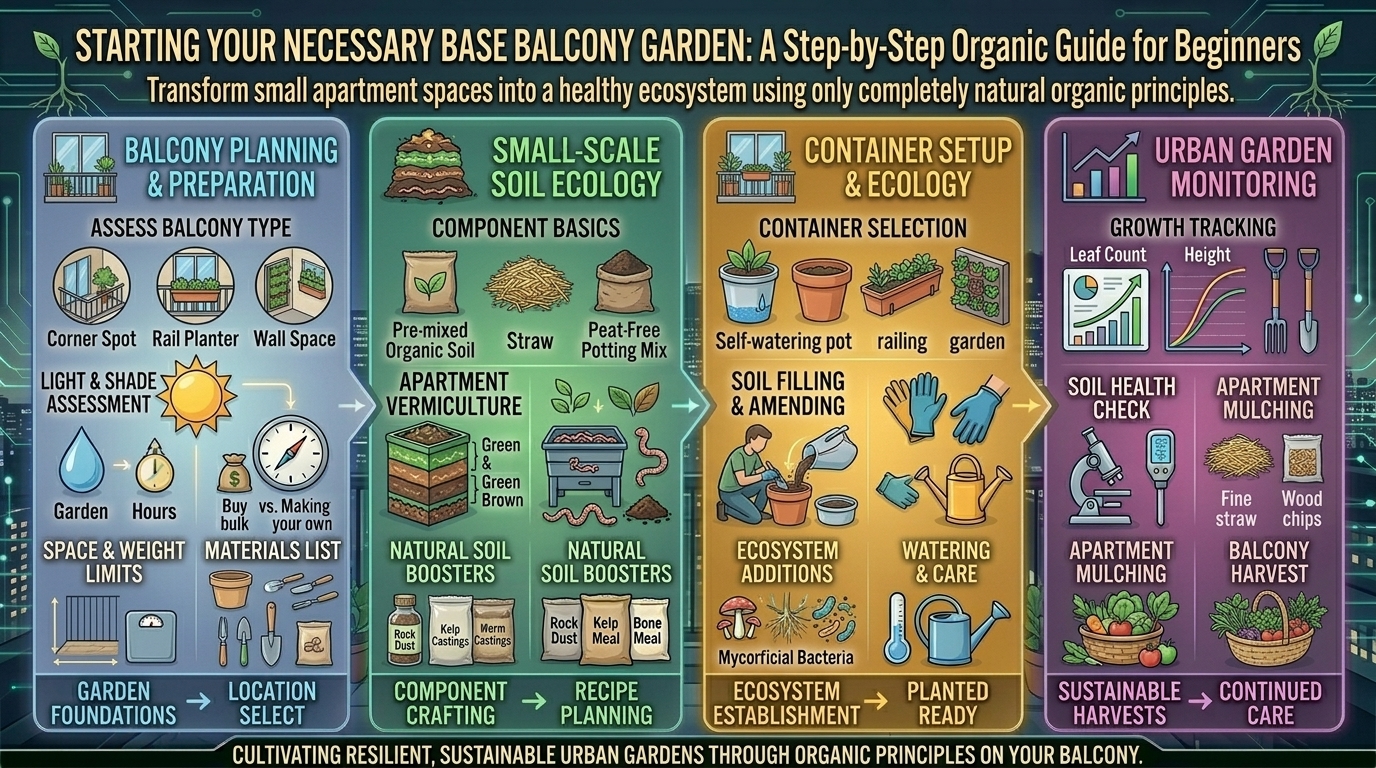
When space is at a premium, every square inch matters. You cannot rely on sprawling backyard acreage or heavy synthetic chemical inputs. Instead, you need a smart, streamlined, step-by-step approach to build a necessary base home garden using 100% natural, organic methods. This comprehensive guide will walk you through everything you need to know to turn your apartment balcony into a productive, chemical-free sanctuary.
1. Assessing Your Balcony Microclimate (The First Critical Step)
Before buying a single pot or bag of soil, you must understand your balcony’s unique environmental conditions. Urban balconies create distinct microclimates shaped by surrounding architecture, wind tunnels, and sunlight angles.
A. Sunlight Exposure (The Fuel for Your Plants)
- Full Sun (6+ hours of direct sunlight): Ideal for sun-loving fruiting crops like cherry tomatoes, chili peppers, strawberries, and culinary herbs like rosemary, thyme, and basil.
- Partial Sun / Shade (3 to 6 hours of sunlight): Perfect for leafy greens (kale, spinach, leaf lettuce), root crops (radishes, carrots), and shade-tolerant herbs like mint, cilantro, and parsley.
- Full Shade (Less than 3 hours of direct light): Focus on shade-loving ornamentals, microgreens, ferns, and salad greens that won’t bolt or wither without intense sunlight.
B. Wind and Height Considerations
If you live on a high-floor apartment in San Francisco, New York, or downtown Seattle, strong winds can be a major hurdle. Wind dehydrates plants rapidly, snaps tender stems, and can blow lightweight pots over.
- Tip: Choose heavy terracotta, ceramic, or thick fabric pots, and consider installing a decorative bamboo or mesh windbreak if your balcony experiences severe gusts.
2. Choosing the Right Natural Containers for Small Spaces
On a small apartment balcony, traditional heavy wooden raised beds are usually impractical. Instead, you need versatile, space-efficient containers that promote optimal root health naturally.
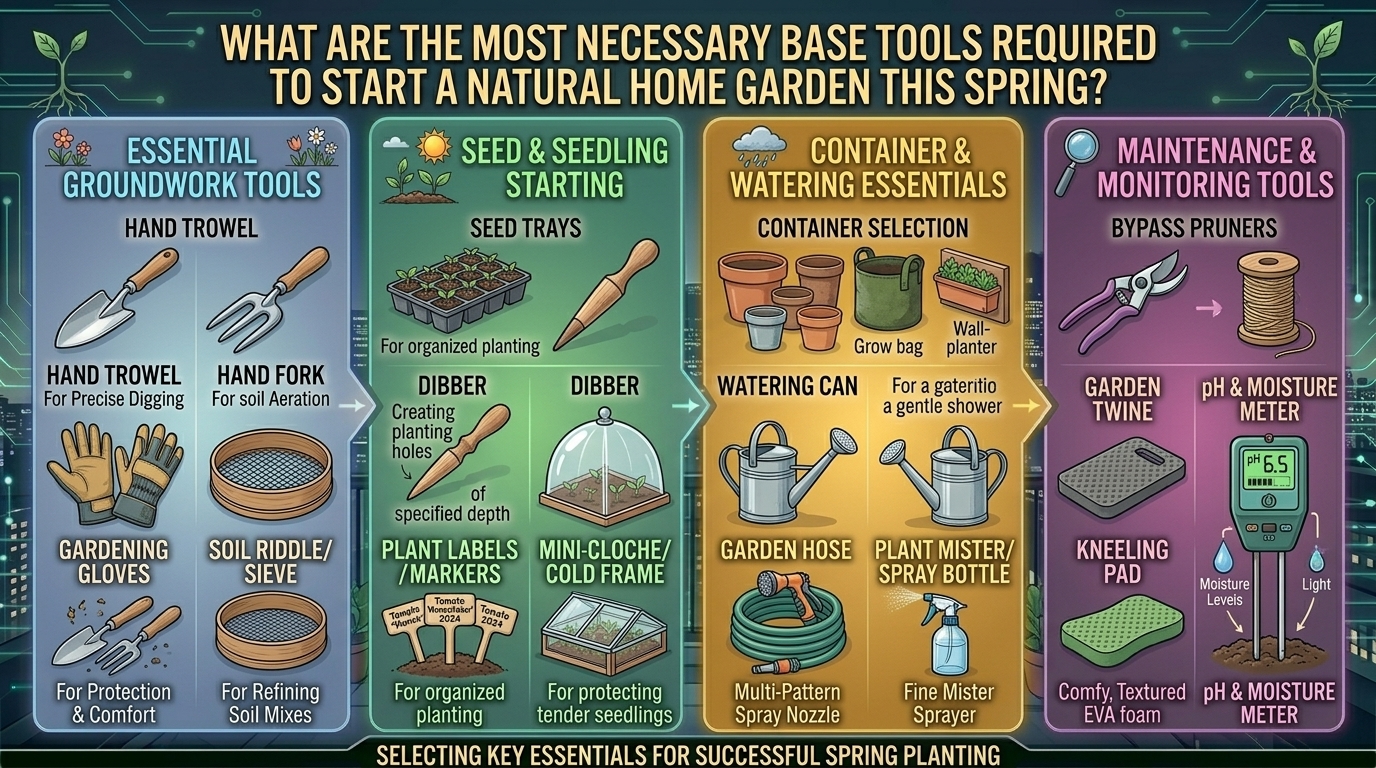
- Fabric Grow Bags: A favorite among urban gardeners. Made from breathable non-woven fabric, they allow air to prune plant roots naturally (preventing plants from becoming root-bound), ensure exceptional drainage, and are lightweight and foldable when empty.
- Self-Watering Containers: Perfect for busy city dwellers or hot climates like Texas. These pots feature a bottom reservoir that draws water upward via capillary action, keeping soil consistently moist and preventing water from dripping onto the balcony below.
- Vertical Planters and Railing Boxes: Make use of unused vertical space by hanging window boxes over your balcony railing or mounting vertical pocket planters against an exterior wall.
3. Building Your Living Organic Balcony Soil Base
Just because you are gardening in containers on a balcony doesn’t mean you should rely on dead, sterile potting soil. To achieve vibrant growth, you need a living organic soil mix designed specifically for small-space containers.
The Ideal Balcony Organic Soil Formula:
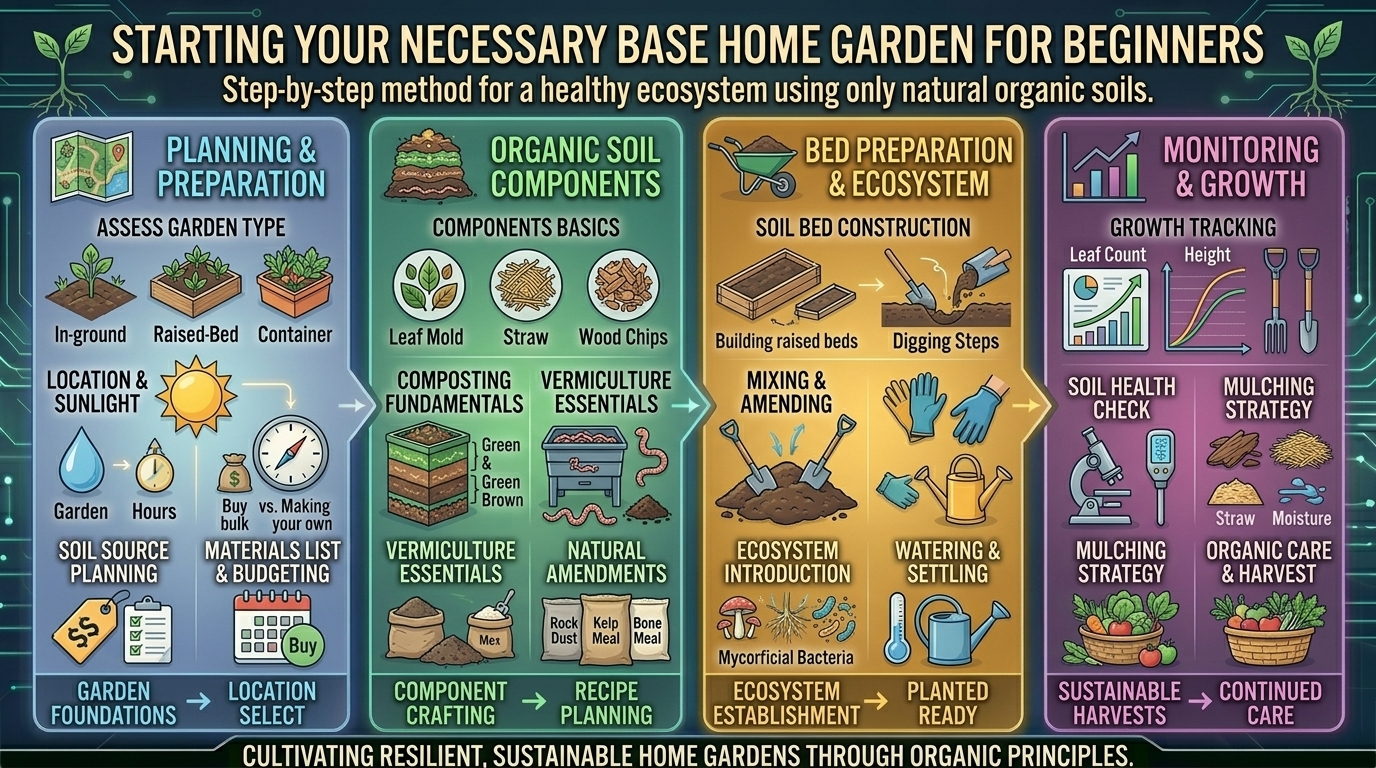
- 40% Coco Coir or Peat Moss: Acts as a lightweight moisture sponge. (Coco coir is renewable and sustainable).
- 40% High-Grade Organic Compost and Worm Castings: Delivers rich microbial life, slow-release nutrition, and enzymes.
- 20% Perlite or Pumice: Ensures lightweight aeration so water drains freely and roots don’t suffocate.
Organic Soil Amendments for Containers:
Mix in a small handful of organic nutrient meals per cubic foot of soil to fuel your plants:
- Kelp Meal: Provides trace minerals and natural growth hormones.
- Bone Meal or Vegan Bloom Meal: Boosts root development and fruiting.
- Mycorrhizal Fungi: Inoculate your plant roots with these beneficial fungi at planting time to maximize nutrient and water uptake in restricted container spaces.
4. Selecting the Best Crops for a Balcony Garden
Do not try to grow giant pumpkins or sprawling watermelons on a compact balcony. Choose high-yield, compact, or dwarf varieties that thrive in containers:
- Leafy Greens: Loose-leaf lettuce, arugula, Swiss chard, and spinach. You can harvest them repeatedly using the “cut-and-come-again” method.
- Compact Herbs: Basil, chives, cilantro, parsley, thyme, and mint (always keep mint in its own separate container so it doesn’t choke out other plants).
- Dwarf Fruiting Veggies: Micro-dwarf tomatoes (like Tiny Tim), patio bell peppers, bush cucumbers, and bush green beans.
- Edible Flowers: Nasturtiums and pansies add stunning bursts of color to your balcony salad bowls while naturally deterring certain pests.
5. Step-by-Step Setup Guide: Building Your Balcony Oasis
Follow this chronological roadmap to bring your balcony garden to life without stress or mess.
Step 1: Clean and Protect the Surface
Sweep your balcony floor thoroughly. If your balcony flooring is prone to water staining or moisture accumulation, place plastic plant saucers or rolling plant caddies underneath your containers to protect the building surface and allow for easy repositioning.
Step 2: Mix and Fill Your Containers
Combine your coco coir, compost, perlite, and organic amendments in a large bin or tarp. Mix thoroughly, then fill your fabric bags, pots, or railing boxes, leaving about an inch of space at the top.
Step 3: Pre-Moisten the Soil
Water your newly filled containers thoroughly and let them sit for 24 hours. This hydrates dry coco coir and activates the beneficial microbes in your compost.
Step 4: Plant Your Seeds or Transplants
Space your plants according to container size guidelines. Remember that container-grown plants live in a finite amount of soil, so avoid overcrowding them.
Step 5: Mulch and Protect
Top your soil with a thin layer of organic mulch (such as shredded straw or coco coir matting) to prevent moisture evaporation under warm city sun or indoor/outdoor heating vents.
6. Natural Organic Maintenance and Pest Management
Maintaining a balcony garden organically is straightforward when you follow natural routines:
- Smart Watering: Check soil moisture daily by sticking your finger an inch into the soil. Water deeply when dry, ideally in the early morning to minimize evaporation.
- Organic Fertilizing: Because nutrients leach out of containers over time, top-dress your pots with a fresh layer of worm castings halfway through the season, or feed with diluted organic liquid fish/kelp emulsion every two weeks.
- Natural Pest Defense: Pests like aphids and spider mites can still find high-rise balconies. Keep neem oil spray or insecticidal soap on hand, and hang yellow sticky cards near your plants to catch flying pests instantly.
7. Frequently Asked Questions (FAQ)
1. Will my balcony floor be able to hold the weight of heavy pots?
Most modern apartment balconies are engineered to support significant weight (often 50 to 100 pounds per square foot or more). However, if you are using massive ceramic planters filled with wet soil on an older building balcony, it is wise to opt for lightweight fabric grow bags or plastic resin pots to stay well within safe load limits.
2. How do I prevent water from dripping onto my downstairs neighbor’s balcony?
Always use plant saucers beneath traditional pots, or use fabric grow bags paired with low-profile saucers that catch excess drainage water. You can also water your plants slowly and deeply rather than flooding them all at once.
3. What should I do with my balcony garden during freezing winter months?
If you live in a colder region like New York or Washington state, annual plants will die back when frost arrives. You can harvest the last crops, empty spent soil into storage bins to re-amend in spring, and bring perennial herbs indoors or protect cold-hardy greens with frost cloth or mini greenhouse covers.
4. Can I grow vegetables on a north-facing balcony with very little sun?
Yes, but you must adjust your plant selection. North-facing balconies receive cool, indirect light. Focus on shade-tolerant leafy greens like spinach, kale, lettuce, arugula, and herbs like cilantro, parsley, and mint.
5. How often do I need to water container plants on a balcony?
Container plants dry out much faster than in-ground garden beds—especially on windy high-rise balconies or hot summer days in Texas or California. During peak summer heat, you may need to water your containers once or twice a day.
6. Are fabric grow bags better than plastic pots for balconies?
Fabric grow bags are fantastic for balconies because they are lightweight, prevent root-circling by air-pruning roots, and drain excess water perfectly. However, they dry out faster than plastic pots, so keep a closer eye on soil moisture.
7. How do I deal with strong balcony winds knocking over my plants?
Group your containers closely together so they support one another, use heavier materials like stone-composite or terracotta at the base of your arrangement, or invest in low-profile rectangular railing boxes that lock securely onto balcony balustrades.
8. Can I use native soil from a public park for my balcony pots?
Never use native park or ground soil in containers. It is far too heavy, compacts easily in restricted pot spaces, drains poorly, and often contains weed seeds, pollutants, or soil-borne plant pathogens. Always use a custom or bagged organic potting mix.
9. What is the best way to get rid of fungus gnats on a balcony?
Fungus gnats thrive in constantly wet topsoil. Let the top 2 inches of your container soil dry out completely between watering sessions, set out yellow sticky cards at the base of the stems, and dust the soil surface with food-grade diatomaceous earth.
10. Can I grow root vegetables like carrots on a balcony?
Absolutely! Just make sure your container is deep enough. Choose short, round carrot varieties (like Parisian Market) or ensure your fabric grow bags or window boxes are at least 10 to 12 inches deep for standard carrot varieties.
Conclusion
Creating a completely natural, organic home garden on a small apartment balcony is an incredibly rewarding way to connect with nature right in the heart of the city. By carefully assessing your sunlight, choosing smart space-saving containers like fabric grow bags, building a rich living organic soil base, and selecting high-yield dwarf crops, you can enjoy fresh, pesticide-free produce no matter how limited your square footage is.