Cultivating a lush, productive vegetable garden inside your home—whether on a sunny kitchen windowsill, under specialized LED grow lights in a spare room, or on a compact apartment shelving unit—is a deeply rewarding pursuit. Harvesting fresh cherry tomatoes, crisp lettuce, spicy radishes, and fragrant herbs right where you live brings a unique joy to plant parenting.
However, bringing nature indoors comes with a catch: indoor vegetable gardens lack outdoor predators.
Without beneficial predatory insects like ladybugs, lacewings, parasitic wasps, and foraging birds to keep herbivorous pests in check, a single stray aphid or spider mite hitchhiking on a new grocery store herb can multiply exponentially. Within weeks, a minor insect visitor can explode into a full-scale infestation, covering your prized indoor tomato vines in sticky honeydew, webbing, and distorted foliage.
When faced with bugs indoors, many panicked growers reach for commercial aerosol insecticide sprays. Do not do this. Spraying synthetic chemical pesticides or toxic neurotoxins inside your enclosed living space, kitchen, or bedroom severely compromises your indoor air quality and leaves chemical residues on vegetables you intend to eat.
Fortunately, you can completely protect, manage, and eradicate indoor garden pests using 100% natural, organic methods.
Whether you are managing moisture-trapping indoor setups in Washington State, dealing with high indoor humidity in New York, maintaining urban apartments in San Francisco, or handling container gardens across California and Texas, this comprehensive guide explores the absolute best natural organic pest control methods for an indoor vegetable garden.
1. The Golden Rule of Indoor Pest Management: Prevention and Early Detection
The most effective pesticide is the one you never have to spray. Managing pests organically indoors relies on robust cultural practices that stop outbreaks before they begin.
[ Indoor Pest Defense Strategy ]
       │
       ├──> 1. Strict Quarantine (Inspect All New Additions)
       │
       ├──> 2. Environmental Optimization (Airflow & Humidity)
       │
       ├──> 3. Routine Physical Hygiene (Leaf Wiping & Dust Removal)
       │
       └──> 4. Early Action (Yellow Sticky Traps & Biologicals)
1. Quarantine New Plants
The number one way pests enter an indoor garden is via newly purchased houseplants, grocery store herb pots, or outdoor plants brought inside for the winter. Always isolate new additions in a separate room for at least 14 days to monitor for hidden pests or microscopic egg masses before placing them near your main indoor vegetable setup.
2. Optimize Indoor Airflow and Humidity
Pests like spider mites thrive in stagnant, hot, dry indoor air, while fungus gnats thrive in constantly soggy soil.
- Place small, low-decibel oscillating fans near your indoor plant shelves to keep air moving constantly. Moving air disrupts flying insects like fungus gnats and whiteflies, making it difficult for them to land, mate, or settle on your vegetables.
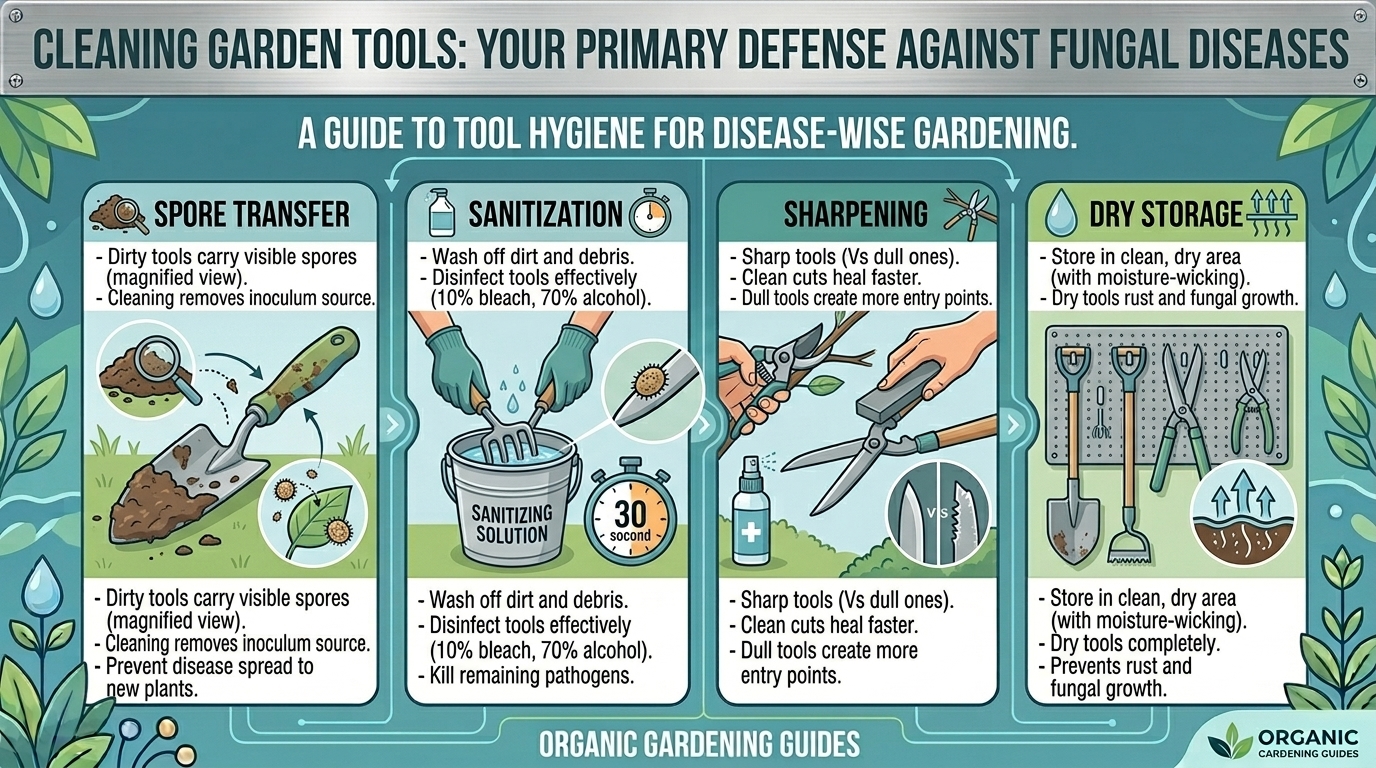
3. Maintain Leaf Hygiene
Indoor leaves collect household dust, which blocks microscopic stomata and hides tiny pests. Wipe down the broad leaves of your indoor vegetable plants (such as peppers and chard) every couple of weeks using a soft, damp microfiber cloth.
2. The Big Four Indoor Pests and How to Beat Them Naturally
Before applying treatments, you must accurately identify which pest has invaded your indoor vegetable garden.
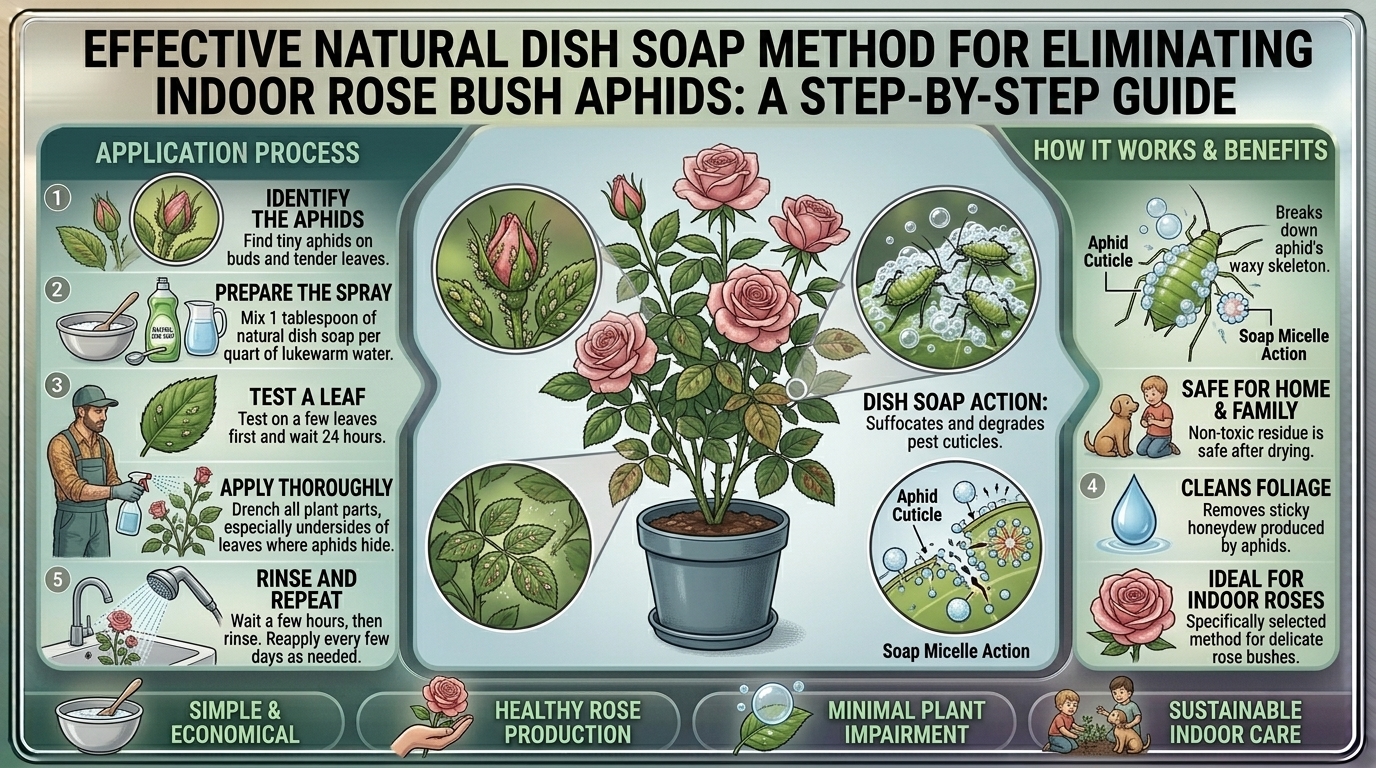
1. Aphids
- What They Look Like: Tiny, pear-shaped, soft-bodied insects clustering on tender new shoot tips and the undersides of leaves. They range in color from green and yellow to black and pink.
- The Damage: They pierce plant tissue and suck out sap, causing curled, yellowing leaves and excreting sticky “honeydew” that promotes black sooty mold.
2. Spider Mites
- What They Look Like: Infinitesimal arachnids (hard to see without a magnifying glass) that spin fine, silken webs across leaf axils and undersides.
- The Damage: They cause stippling—tiny yellow or white speckles across the leaf surface—eventually turning leaves bronze and causing total defoliation in dry indoor air.
3. Fungus Gnats
- What They Look Like: Tiny, frantic black flies buzzing around the soil surface and potting mix.
- The Damage: While adults are harmless nuisances, their translucent subterranean larvae chew through fine root hairs, stunting plant growth.
4. Whiteflies
- What They Look Like: Tiny, moth-like white insects that flutter up in a small white cloud when you brush against the foliage of infested plants.
- The Damage: Like aphids, they suck plant sap and weaken heavy feeders rapidly.
3. The Absolute Best Natural Organic Pest Control Methods
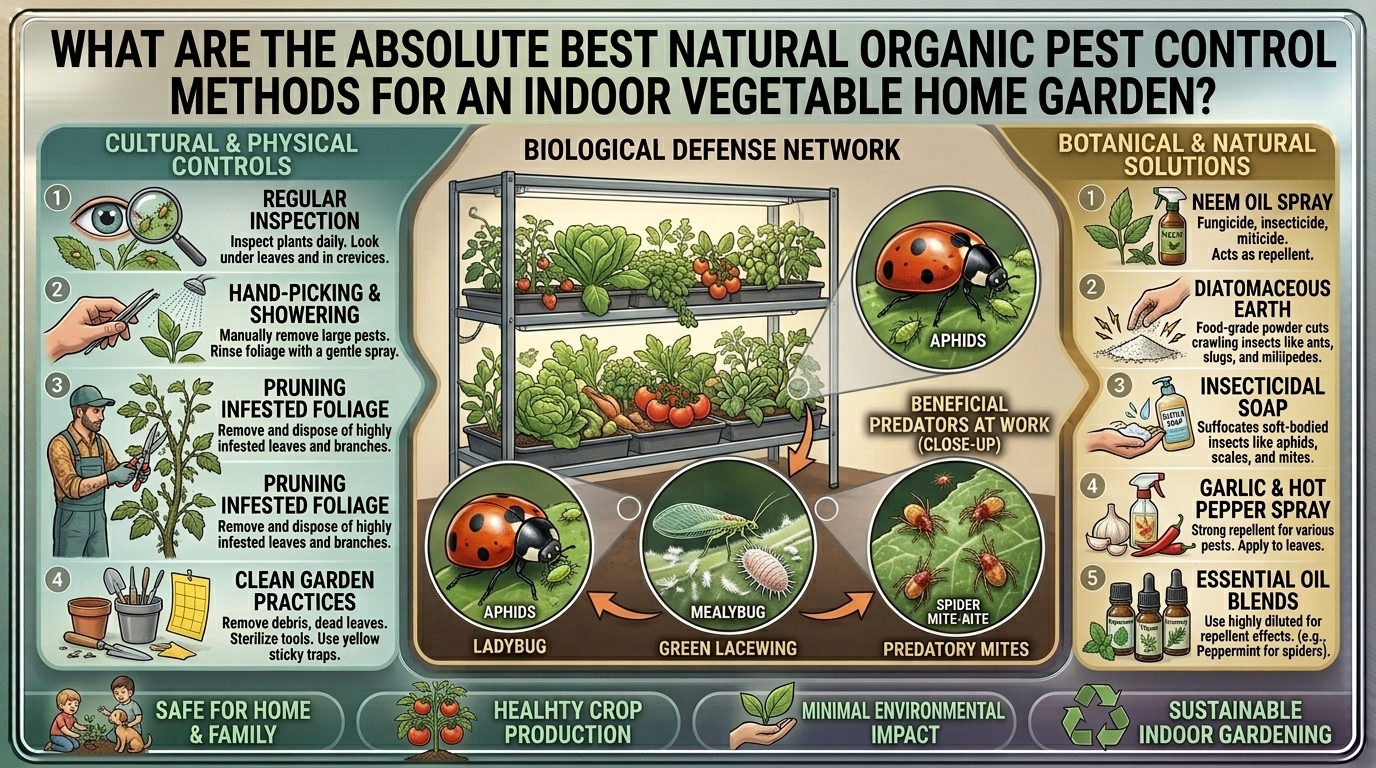
When an infestation occurs, deploy these safe, non-toxic organic treatments specifically tailored for indoor living spaces.
Method 1: Pure Cold-Pressed Neem Oil Sprays
Neem oil is an organic botanical extract pressed from the seeds of the tropical neem tree (Azadirachta indica).
- How It Works: Neem oil contains azadirachtin, a natural compound that acts as an anti-feedant and insect growth regulator. It disrupts the hormonal lifecycle of pests, preventing them from eating, molting, or reproducing.
- Application Protocol: Mix 1 teaspoon of pure cold-pressed neem oil and a few drops of mild organic liquid dish soap (to act as an emulsifier) into one quart of warm water. Shake thoroughly in a spray bottle and mist all plant surfaces, paying special attention to the undersides of leaves where pests hide. Apply every 7 to 10 days until the infestation clears.
Method 2: Insecticidal Soap Sprays
Commercial potassium salts of fatty acids (insecticidal soaps) are powerful, fast-acting organic contact killers.
- How It Works: The soap molecules break down the protective waxy outer cuticle of soft-bodied insects like aphids and whiteflies, causing them to dehydrate and perish rapidly.
- Application Protocol: Spray directly onto visible pests. Crucial Rule: Insecticidal soaps only work on contact while wet. Once dry, they leave no residual chemical toxicity, meaning you must spray the insects directly.
Method 3: Biological Bti (Bacillus thuringiensis israelensis) for Soil Pests
For managing indoor fungus gnat larvae in your potting mix, chemical sprays are useless. You need a targeted biological solution.
- How It Works: Bti is a naturally occurring soil bacterium that produces protein crystals toxic exclusively to the digestive tracts of gnat, mosquito, and blackfly larvae. It is completely harmless to humans, pets, earthworms, and plant roots.
- Application Protocol: Steep a chunk of mosquito dunk or sprinkle Bti granules in your watering can for 30 minutes, then water your indoor vegetable pots with the solution. It wipes out gnat larvae within 48 hours.
Method 4: Yellow and Blue Sticky Traps
- How It Works: Simple, non-toxic yellow or blue cards coated with a mess-free adhesive. Adult flying pests (whiteflies, fungus gnats, and winged aphids) are naturally drawn to the bright color, fly onto the card, and get permanently trapped.
- Application Protocol: Insert small stakes holding yellow sticky cards directly into your potting mix at soil level to catch gnats, and hang blue or yellow cards near plant stems to capture adult whiteflies and thrips.
Method 5: Horticultural Castile Soap and Rubbing Alcohol Spot Treatments
For stubborn localized outbreaks of aphids or mealybugs on tough-stemmed crops like indoor peppers:
- Application Protocol: Dip a cotton swab into standard isopropyl (rubbing) alcohol and dab it directly onto individual pests. The alcohol dissolves their waxy coatings instantly on contact without harming sturdy plant stems.
4. Regional Considerations for Indoor Pest Control Across the U.S.
Indoor climate control and regional weather patterns influence how indoor pests behave:
Washington State & Pacific Northwest
- Climate Challenge: Cool, damp winters require heavy residential indoor heating, which drops indoor relative humidity and creates a dry indoor environment that triggers aggressive spider mite explosions.
- Management Strategy: Increase indoor humidity around vegetable shelves using pebble trays or small ultrasonic humidifiers, and mist plant foliage regularly with clean water to deter dry-air mites.
New York & Northeast
- Climate Challenge: Tightly sealed apartment buildings with forced-air heating systems bake indoor air during winter, turning apartments into tropical incubators for whiteflies and aphids.
- Management Strategy: Inspect indoor herbs and greens weekly, and run small oscillating fans to maintain continuous air movement across plant canopies.
Texas
- Climate Challenge: Blistering outdoor heat drives people indoors with air conditioning running constantly, sealing indoor spaces tight and reducing natural ventilation.
- Management Strategy: Use yellow sticky traps proactively in all indoor containers to catch stray pests before they colonize your indoor tomato or lettuce crops.
California & San Francisco
- Climate Challenge: Mild outdoor temperatures in San Francisco allow gardeners to transition container vegetables between sunny outdoor balconies and indoor bright windowsills easily.
- Management Strategy: This indoor-outdoor transition is the #1 way pests enter the home. Always quarantine and spray plants with neem oil before bringing balcony vegetables back inside your living room.
5. Frequently Asked Questions (FAQ)
1. Are natural organic pest control sprays safe to use around cats and dogs?
While natural remedies like neem oil and insecticidal soaps are vastly safer than synthetic neurotoxic pesticides, pure essential oils and concentrated neem can cause mild stomach upset if a curious cat or dog licks wet plant foliage. Always let sprayed plants dry completely out of reach of pets, or place your indoor vegetable setup on high shelves or enclosed grow cabinets.
2. Can I eat my indoor vegetables after spraying them with neem oil?
Yes, absolutely! However, because you are consuming the leaves or fruits of your indoor crops, always wash your harvested vegetables thoroughly under lukewarm running water before eating. Furthermore, stop spraying neem oil at least 7 to 10 days before harvesting leafy greens or edible fruits.
3. Why do my indoor vegetable plants keep getting pests even though my windows are closed?
Pests can enter your home in surprising ways: hitching a ride on grocery store produce, clinging to your clothing after walking outdoors, hiding in newly purchased potting soil bags stored in a garage, or flying in through open doors.
4. Can I use dish soap from my kitchen sink to make insecticidal spray?
Standard household dish soaps (like Dawn) contain strong degreasers and chemical detergents that can strip the delicate protective wax off plant leaves (phytotoxicity), causing leaf burn. Always use pure potassium salt insecticidal soaps or certified organic liquid castile soap.
5. How long does it take to eliminate an indoor aphid infestation organically?
Because aphids reproduce rapidly, a single treatment will rarely wipe them out entirely. You must maintain a strict treatment cycle—spraying with neem oil or insecticidal soap every 5 to 7 days for three consecutive weeks—to catch newly hatched nymphs before they can reproduce.
6. Do indoor herbs like basil and mint get pests?
Yes! Indoor culinary herbs like sweet basil, mint, and cilantro are frequent targets for aphids, spider mites, and whiteflies. Because you harvest herbs frequently for cooking, avoid heavy chemical sprays entirely and rely exclusively on gentle insecticidal soaps or physical hand-wiping.
7. Can I use ladybugs indoors for pest control?
While releasing purchased live ladybugs works wonders in an outdoor greenhouse, releasing ladybugs inside a residential home is strongly discouraged. Once released indoors, they will quickly fly toward your windows and interior lights, dying off without a massive outdoor food source, leaving you with hundreds of dead beetles scattered across your living room floor.
8. Will letting my indoor plants dry out kill spider mites?
No. In fact, spider mites prefer dry conditions. Underwatering your indoor vegetable plants weakens their cellular turgor pressure, making them even more vulnerable to rapid sap-sucking pest damage. Always keep your indoor vegetables properly hydrated.
9. How do I get rid of tiny white powdery spots on my indoor plant leaves?
Those white spots are often not pests, but rather powdery mildew, a common indoor fungal disease caused by high humidity combined with poor air circulation. Treat it naturally by spraying the leaves with a mixture of water, a splash of organic milk, or potassium bicarbonate.
10. What is the best lighting setup to prevent weak, pest-prone indoor plants?
Indoor vegetables like tomatoes and peppers require intense light to stay vigorous. If placed in a dim indoor corner, they grow weak, spindly, and etiolated, making them easy prey for pests. Use full-spectrum LED grow lights positioned 6 to 12 inches above the canopy for 12 to 16 hours daily to ensure robust plant immunity.
Conclusion
Protecting an indoor vegetable home garden from annoying and destructive pests does not require turning your living space into a toxic chemical zone. By embracing a proactive defense strategy centered on strict quarantine, optimal airflow, leaf hygiene, and targeted organic treatments like cold-pressed neem oil, insecticidal soaps, and Bti bacteria, you can maintain a thriving, pest-free indoor harvest year-round.
Whether you are managing coastal apartments in San Francisco, high-humidity rooms in New York, dry indoor heating in Washington, or container collections across Texas and California, natural organic pest management guarantees safe, healthy, and delicious homegrown vegetables.
What indoor vegetable crops do you currently grow, and what natural methods have you found most effective when tackling stubborn household pests?