There are few plants as breathtaking, fragrant, and emotionally rewarding to grow indoors as a miniature or patio rose bush. Bringing the elegance of blossoming roses inside your home—whether placed on a bright south-facing windowsill in New York, on an urban apartment ledge in San Francisco, or under specialized LED grow lights in Washington, California, or Texas—transforms any indoor living space into a botanical sanctuary.
However, growing roses indoors also invites one of the most frustrating challenges in horticulture: aphids.
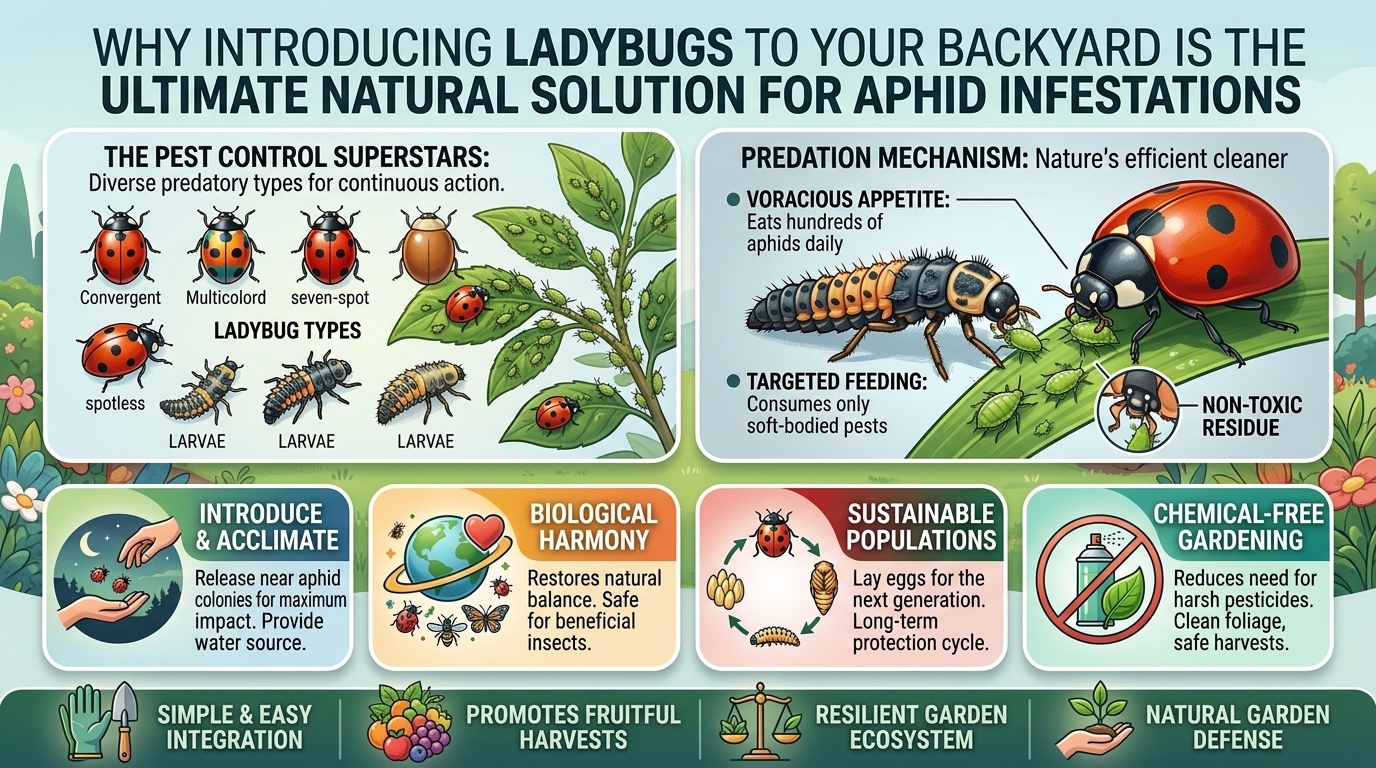
Because indoor environments lack outdoor predators like ladybugs, parasitic wasps, and insectivorous birds, a single stray aphid hitchhiking on a plant can multiply at an astonishing rate. Within days, the tender new shoot tips, swelling flower buds, and undersides of your indoor rose leaves can become completely blanketed in a sticky, swarming mass of green, pink, or black sap-sucking insects.
When faced with a sudden aphid explosion indoors, many panicking plant parents reach for harsh, aerosol-based synthetic chemical insecticides. Never spray chemical nerve agents inside your home. Doing so ruins your indoor air quality, triggers respiratory sensitivities, and leaves toxic chemical residues throughout your living space.
Instead, you can easily eradicate aphids using a time-tested, highly effective, 100% natural remedy: a simple spray made from natural liquid soap and water.
This comprehensive guide explores the science behind soapy water, step-by-step mixing and application instructions, safety protocols for delicate indoor roses, and regional best practices.
1. The Anatomy of an Aphid Infestation on Indoor Roses
To defeat your enemy, you must understand it. Aphids are tiny, soft-bodied, pear-shaped insects that target the most vulnerable parts of your indoor rose bush.
Why Indoor Roses Are Prime Targets
- Tender Growth: Indoor roses are constantly pushed into rapid vegetative growth by indoor warmth and fertilizers, producing soft, succulent new stems that offer zero physical resistance to an aphid’s piercing mouthparts.
- Lack of Wind and Rain: Outdoors, wind beats aphids off plants and heavy rain washes them away. Indoors, stagnant air creates a protected breeding paradise.
The Damage They Cause
Aphids possess a needle-like mouthpart called a stylet, which they insert directly into the plant’s phloem (vascular system) to drink sugary plant sap.
- Stunted Buds: Heavy aphid feeding sucks the life out of developing rosebuds, causing them to twist, deform, and fail to open.
- Sticky Honeydew and Sooty Mold: As they feed, aphids excrete a sticky, sugary liquid called “honeydew.” This sticky coating drips down onto lower leaves, attracting black sooty mold that blocks sunlight and chokes the plant.
2. The Science: Why Natural Soap Kills Aphids (Without Harming Roses)
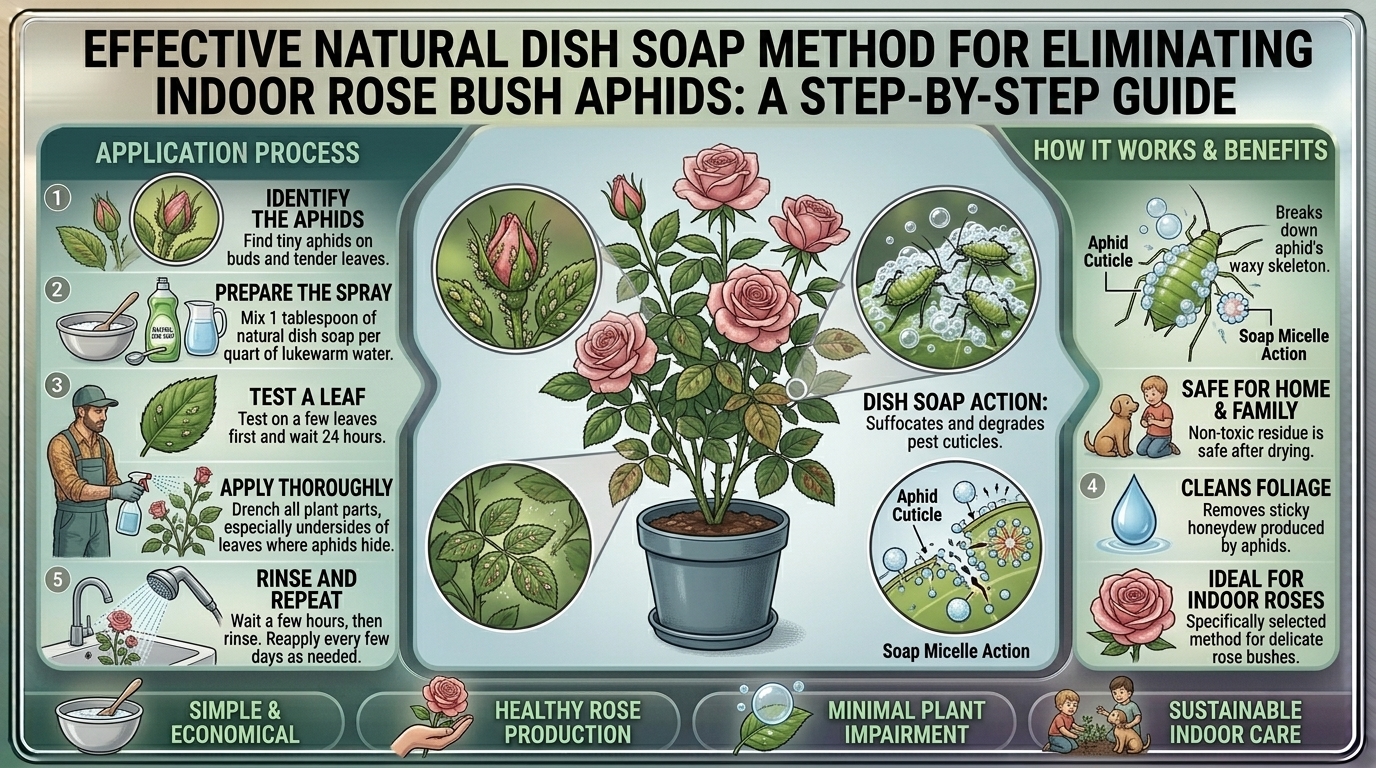
How does a simple squirt of dish soap destroy an insect? The mechanism is purely physical, not chemical.
[ Soap Spray Mechanism ]
       │
       ├──> 1. Waxy Cuticle Breakdown (Destroys Protective Coating)
       │
       ├──> 2. Rapid Moisture Loss (Desiccation & Suffocation)
       │
       └──> 3. Safe Residue Degradation (Leaves No Toxic Traces)
The Breakdown of the Waxy Cuticle
Insects like aphids breathe through tiny lateral openings along their bodies called spiracles, and their bodies are protected by a delicate waxy outer cuticle that prevents dehydration.
- When you spray soapy water directly onto an aphid, the soap molecules break down and dissolve that protective waxy layer.
- Without their wax coating, the insects rapidly lose body moisture and suffocate as the solution blocks their spiracles.
- Why It’s Safe for Plants: Plant leaves have a much tougher, thicker waxy cuticle than soft-bodied insects, allowing properly diluted soap to target pests while leaving healthy rose foliage unharmed.
3. Step-by-Step Recipe: Making Safe Insecticidal Soap at Home
Not all soaps are created equal. Using harsh commercial degreasers or modern antibacterial dishwashing liquids packed with synthetic fragrances and heavy chemical detergents can strip your rose leaves bare and cause severe chemical leaf burn (phytotoxicity).
The Proper DIY Recipe
- Water: 1 quart of warm, filtered, or distilled water.
- Soap Choice: 1 to 2 teaspoons of pure liquid castile soap (such as Dr. Bronner’s unscented or peppermint) or certified organic liquid dish soap. Avoid harsh chemical degreasers.
- Optional Booster: A few drops of cold-pressed neem oil to disrupt egg-laying cycles, or a pinch of baking soda if you also notice powdery mildew.
Mixing Instructions
Pour the warm water into a clean spray bottle, add your liquid castile soap, and gently swirl or shake the bottle until fully integrated. Use the mixture immediately for maximum efficacy.
4. Step-by-Step Application Guide for Indoor Roses
Applying soap spray incorrectly can result in missed insects or stressed leaves. Follow this strict protocol for 100% eradication:
[ Application Protocol ]
       │
       ├──> Step 1: Isolate and Prune Severely Infested Tips
       │
       ├──> Step 2: Test a Small Leaf Patch (Phytotoxicity Check)
       │
       ├──> Step 3: Spray Every Crevice (Target Undersides)
       │
       └──> Step 4: Rinse and Repeat Every 5-7 Days
Step 1: Isolate and Prune
Move your infested rose bush away from other houseplants to stop the spread. If a single shoot tip is a crawling, knotted ball of hundreds of aphids, use clean pruning shears to snip off that specific tip and drop it into a sealed bag.
Step 2: The Patch Test
Before drenching the entire rose bush, spray a small test patch on a single lower leaf. Wait 24 hours to ensure the soap concentration does not cause brown spotting or leaf curling.
Step 3: Comprehensive Drenching
Take your spray bottle and mist the plant thoroughly. You must spray the undersides of the leaves, leaf axils, and tight flower buds directly. Insecticidal soap only kills on contact while wet; it has zero residual killing power once dry. If the spray does not touch the aphid physically, the aphid survives.
Step 4: The Follow-Up Schedule
Aphids reproduce at breakneck speeds, and unhatched eggs may survive a single treatment. Repeat your soap spray application every 5 to 7 days for three consecutive weeks to completely break the infestation cycle.
5. Regional Adaptations for Indoor Rose Care
Indoor climate variations across the United States dictate how your indoor roses and their pests behave:
New York & Northeast
- Climate Challenge: Winter heating in New York apartment buildings creates exceptionally dry, hot indoor air that triggers rapid aphid explosions on indoor windowsill plants.
- Management Strategy: Mist rose foliage with clean water between soap treatments to keep humidity around the plant balanced and discourage dry-air pests.
San Francisco & California
- Climate Challenge: Mild coastal temperatures allow gardeners in San Francisco to shift patio roses between outdoor balconies and indoor living rooms.
- Management Strategy: Always inspect plants for hitchhiking aphids before moving container roses indoors, and use preventative soap sprays monthly.
Washington State
- Climate Challenge: Extended gloomy winter days reduce natural light levels, weakening indoor roses and making them more susceptible to pest stress.
- Management Strategy: Pair your soap treatments with full-spectrum LED grow lights for 12 hours a day to keep your indoor roses vigorous and resilient.
Texas
- Climate Challenge: Intense summer air conditioning creates sealed, static indoor environments where pests thrive out of the wind.
- Management Strategy: Place a small oscillating fan near your indoor rose displays to circulate air, which physically disrupts flying or crawling insect vectors.
6. Frequently Asked Questions (FAQ)
1. Will natural dish soap kill my indoor rose bush?
If properly diluted (1 to 2 teaspoons per quart of water) using pure castile or mild organic soap, it is completely safe for roses. However, using excessive soap concentrations or spraying plants in direct, scorching sunlight can cause leaf burn.
2. Can I use standard antibacterial kitchen dish soap like Dawn?
While standard commercial dish soaps can work in a pinch, they contain powerful degreasers and synthetic petroleum detergents that can strip the protective wax off delicate rose leaves, causing brown spots and leaf drop. Always opt for pure liquid castile soap.
3. How long does it take for soapy water to kill aphids?
Soap works rapidly by suffocating and dehydrating the insects. Within hours of direct contact, aphids will turn brown, shrivel up, and die. You can wipe away the dead bodies with a damp cloth the next day.
4. Do I need to rinse the soap off my rose leaves after spraying?
It is optional. For delicate indoor roses, rinsing the foliage with clean lukewarm water about 1 to 2 hours after applying the soap spray helps remove dead insect residue and prevents any potential soap buildup on the leaves.
5. Why do aphids keep coming back on my indoor roses?
Aphids have high reproductive rates, and winged adults can fly in through open windows or hitchhike on new plants. Furthermore, if you miss a few hidden eggs or nymphs during your spray session, they will quickly rebuild their colony. Stick to a 3-week spray cycle.
6. Can I use this soap spray on edible indoor vegetable plants too?
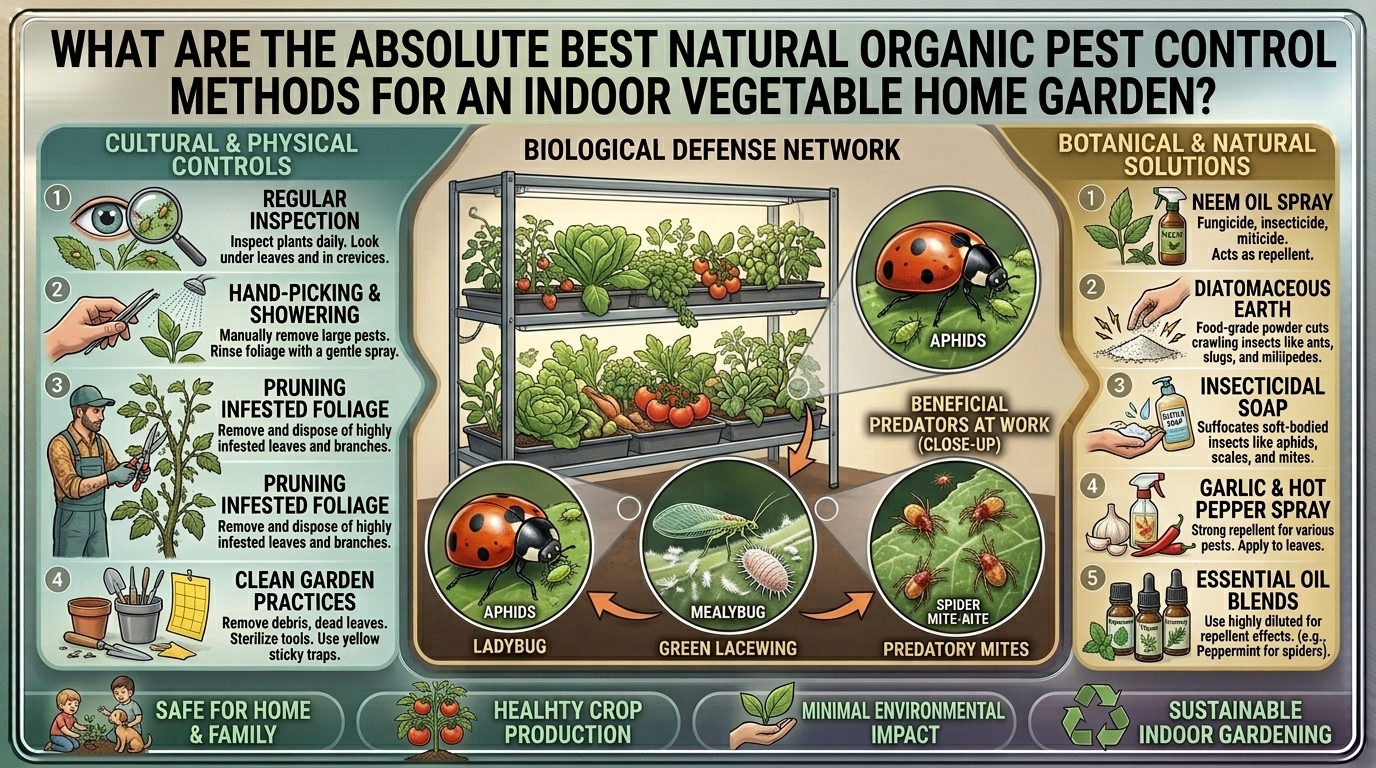
Yes! Natural castile soap spray is 100% food-safe and non-toxic, making it the premier organic pest control method for indoor herbs, lettuce, peppers, and tomatoes. Just rinse the harvested produce thoroughly before eating.
7. Does soapy water kill beneficial insects like ladybugs?
Yes, insecticidal soaps are non-selective contact killers that will harm beneficial insects if sprayed directly on them. However, since this guide focuses strictly on indoor roses where beneficial outdoor predators are absent, you do not need to worry about harming beneficials.
8. What are those tiny white specs left on my rose leaves after spraying?
If you used hard tap water, minerals can bind with the soap to leave a faint white powdery residue on the leaves. Wiping the leaves down with a soft, damp microfiber cloth easily removes this harmless mineral film.
9. Can I add rubbing alcohol to my soap spray for a tougher infestation?
Yes. Adding 1 tablespoon of standard isopropyl (rubbing) alcohol to your quart of soapy water boosts the drying and killing power against heavy aphid clusters. Always test a single leaf first to ensure it is not too harsh for your specific rose variety.
10. How can I prevent aphids from attacking my indoor roses in the first place?
Keep your indoor roses healthy by placing them in bright light, watering them consistently, fertilizing with balanced organic nutrients, and wiping their leaves down with a damp cloth every two weeks to remove dust and microscopic pests.
Conclusion
Battling pesky aphids on your indoor rose bushes does not require filling your home with toxic chemical sprays or expensive commercial pesticides. By mixing a simple batch of pure liquid castile soap and water, you can safely, effectively, and naturally eliminate aphids on contact while protecting your indoor air quality and plant health.
Whether you are managing an urban apartment in San Francisco, windowsill roses in New York, or container displays across Washington, California, and Texas, natural soapy water is your ultimate secret weapon for vibrant, pest-free indoor roses.
What variety of indoor rose do you grow, and what natural home remedies have you found most effective when managing stubborn indoor pests?