Welcome to kcplants.com, your trusted resource for indoor plant care. Whether you are building an urban indoor jungle in a high-rise apartment in New York or San Francisco, managing a sprawling collection in a sunlit home in California or Texas, or nurturing moisture-loving tropicals through damp winters in Washington, one universal truth unites all plant parents: pests happen.
An indoor plant collection is an artificial ecosystem. Without the natural predators, harsh weather, and checks and balances found in the wild, a single stray insect can rapidly multiply into a devastating infestation. Left unchecked, a localized issue on a single trailing Epipremnum can cascade across your entire green collection, turning a thriving oasis into a heartbreaking graveyard of droopy, webbed, and sticky foliage.
This comprehensive guide is designed to help you master the art of early identification, decode subtle distress signals, execute swift containment strategies, and implement robust preventative routines tailored for indoor growers.
Part 1: Why Indoor Environments Invite Pests
Before diving into specific bugs, it is vital to understand why indoor plants are uniquely vulnerable. In native habitats or outdoor nurseries, wind, rain, and beneficial insects (like ladybugs and lacewings) keep pest populations in check.
Indoor environments, by contrast, feature:
- Stable Temperatures: Climate-controlled homes in regions like Texas and California maintain warm temperatures year-round, removing natural winter dormancy cycles for bugs and allowing them to breed continuously.
- Lack of Air Movement: Stagnant indoor air allows crawling and airborne pests to easily settle on neighboring foliage without being blown away.
- Low Humidity: Artificial heating and cooling systems often create dry indoor air—particularly during winter in New York and Washington—which creates paradise conditions for spider mites.
Part 2: The Most Common Indoor Houseplant Pests (And How to Spot Them)
Early detection is your absolute best defense. Below are the five most notorious indoor houseplant pests, complete with visual markers, hidden hiding spots, and damage profiles.
1. Spider Mites
- The Culprit: Not actually insects, but tiny arachnids related to spiders and ticks. They thrive in warm, dry indoor air.
- Visual Identification: Because they are microscopic (less than 1mm), you rarely see the pest itself first. Instead, look for fine, silky webbing stretched across the undersides of leaves, leaf axils, or where petioles meet the stem.
- Damage Sign: Leaves develop a stippled, speckled appearance (tiny yellow, white, or bronze dots) as mites pierce plant cells to suck sap. Eventually, leaves turn yellow, dry up, and drop off.
- High-Risk Plants: Calatheas, Alocasias, Monsteras, and palms.
2. Mealybugs
- The Culprit: Soft-bodied, wingless insects covered in a powdery, white, cotton-like wax secretion.
- Visual Identification: They look like tiny pieces of fluffy white lint tucked tightly into leaf joints, stem nodes, and the undersides of leaves.
- Damage Sign: Mealybugs feed on plant juices, stunting new growth. They also excrete a sticky, sugary liquid called “honeydew,” which coats the leaves and can develop into a black, unsightly sooty mold.
- High-Risk Plants: Hoyas, succulents, jade plants, and African violets.
3. Scale Insects
- The Culprit: Immobile sap-sucking insects that disguise themselves cleverly as part of the plant anatomy.
- Visual Identification: Scale appears as small, raised, circular or oval bumps (brown, tan, black, or grey) along stems and the main veins of leaves. Unlike physical plant bumps, scale insects can be scraped off with a fingernail or a credit card.
- Damage Sign: Leaves turn yellow, curl, or drop prematurely, accompanied by a heavy sticky honeydew residue and subsequent sooty mold.
- High-Risk Plants: Ficus varieties (Fiddle Leaf Figs), citrus trees, and monsteras.
4. Fungus Gnats
- The Culprit: Small, weak-flying black or dark brown gnats that hover around the soil surface.
- Visual Identification: You will usually spot the adults flying up into your face when you water your plants or brush against the pot. While the flying adults are harmless nuisances, their transparent, worm-like larvae live in the damp topsoil and feed on organic matter and tender young roots.
- Damage Sign: Wilting, poor growth, and yellowing leaves on younger or rooted-cutting plants due to root degradation.
- High-Risk Plants: Any plant kept in consistently wet or moisture-retentive soil, such as ferns and peace lilies.
5. Thrips
- The Culprit: Slender, lightning-fast microscopic insects with fringed wings. They are among the most destructive and difficult indoor pests to eradicate.
- Visual Identification: Adult thrips look like tiny black or yellow dashes, while larvae are pale yellow or translucent. Look for patches of tiny black dots (frass/excrement) left behind on the foliage.
- Damage Sign: Leaves take on a silvery, bleached, or dull bronze sheen, often peppered with black specks. Severe infestations cause complete leaf distortion, bud drop, and plant death.
- High-Risk Plants: Monsteras, Anthuriums, orchids, and fiddle-leaf figs.
Part 3: Step-by-Step Protocol to Stop Spread & Treat Infestations
If you discover pests on a single plant, do not panic—but act immediately. Follow this tactical 4-step framework to quarantine, cleanse, and cure your collection.
Step 1: Immediate Quarantine
The moment you spot an infected plant, isolate it. Move it away from your primary collection entirely—ideally into a separate room like a bathroom or laundry room. Check all neighboring plants within a 6-foot radius, as mobile pests like thrips and flying fungus gnats can easily migrate.
Step 2: Physical Decontamination
Reduce the pest population mechanically before applying any treatments:
- Prune: Trim away heavily damaged leaves or stems where pests are concentrated. Seal pruned debris in a plastic bag and throw it in the outdoor trash.
- Shower: Take the plant to the sink or shower and give it a thorough rinse with lukewarm water. Use a strong stream of water to blast away loose spider mites, aphids, and dust.
- Alcohol Swabs: Dip a cotton swab in rubbing alcohol (isopropyl alcohol) and dab it directly onto stubborn mealybugs or scale. The alcohol instantly dissolves their protective waxy coatings.
Step 3: Targeted Treatment Application
Choose a treatment that matches your specific pest:
- For Spider Mites, Aphids, and Thrips: Spray all plant surfaces—especially the undersides of leaves—thoroughly with organic insecticidal soap or neem oil. Repeat applications every 7 to 10 days for at least a month to break the egg lifecycle.
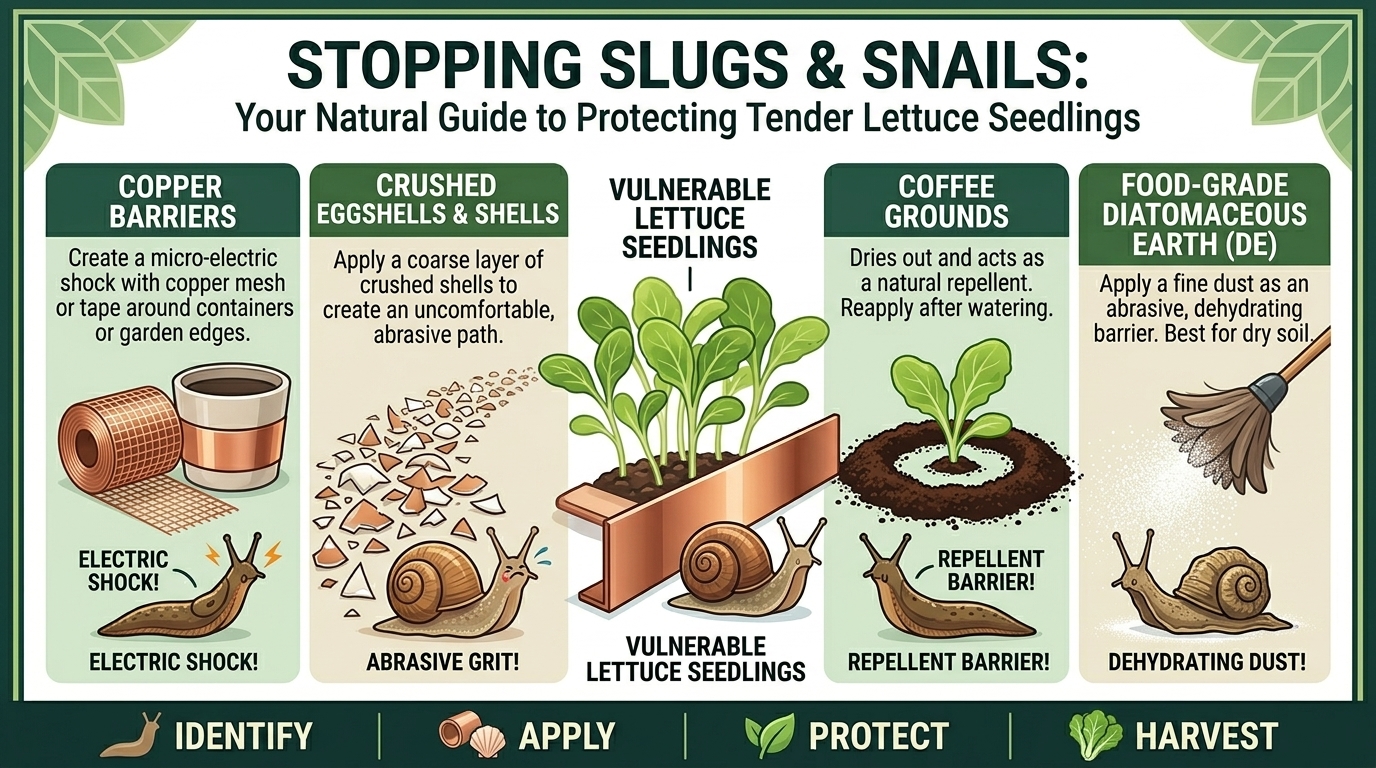
- For Fungus Gnats: Let the top 2 inches of soil dry out completely between waterings. Apply a soil drench containing Bacillus thuringiensis israelensis (BTI), such as Mosquito Bits, which safely kills gnat larvae without harming humans or pets. Yellow sticky traps placed on the soil surface will capture flying adults.
Step 4: Ongoing Monitoring
Keep your quarantined plant separated for a minimum of 3 to 4 weeks. Only return it to your main collection after you have performed multiple inspections and verified that no new pests or eggs have hatched.
Part 4: Proactive Prevention Tips for Plant Parents
The absolute best pest management strategy is prevention. Incorporate these habits into your plant care routine:
- Inspect Before You Buy: Always inspect the undersides of leaves and soil surfaces closely before purchasing a new plant from a local nursery or ordering online.
- Establish a New Plant Quarantine: Treat every new addition as a potential pest carrier. Keep new plants isolated for 2 to 3 weeks before introducing them to your indoor jungle.
- Wipe Foliage Regularly: Dust blocks stomata and provides camouflage for microscopic pests. Wipe down large leaves monthly with a damp microfiber cloth.
- Improve Air Circulation: Run a small oscillating fan on low settings in your plant rooms. Good airflow prevents humidity pockets and deters pests like spider mites and fungus gnats.