Why Companion Planting Basil Next to Tomatoes Improves Flavor While Naturally Keeping Hornworms Away
Welcome back to kcplants.com, your ultimate online destination for sustainable gardening mastery, ecological garden design, and bountiful harvests. Whether you are cultivating a high-yield backyard vegetable plot under the intense, sun-drenched skies of Texas and California, managing creative urban container gardens on a sunny rooftop in New York or San Francisco, or maximizing warm summer microclimates in Washington, every vegetable gardener shares a universal passion: growing the absolute best-tasting tomatoes possible.
For generations, experienced gardeners have sworn by a sacred pairing in the vegetable patch: planting basil right next to tomatoes. While culinary folklore long suggested that these two Mediterranean staples simply taste wonderful together on a plate, modern horticultural science reveals that their partnership runs much deeper. Companion planting basil next to tomatoes creates a mutually beneficial botanical alliance—improving plant health, boosting flavor profiles through root and foliar chemistry, and naturally deterring devastating pests like tomato hornworms.
This comprehensive guide explores the fascinating science behind the tomato-basil alliance, how their root systems and volatile oils interact, why hornworms hate basil, and how you can implement this classic pairing for maximum garden success.
Part 1: The Magic of Companion Planting (The Synergy of Ecosystems)
Companion planting is the practice of growing plants near each other for mutual benefit—whether that benefit involves pest control, pollination, habitat sharing, or nutrient optimization. In nature, plants rarely grow in isolated monocultures; they thrive in complex webs of interaction.
When you pair tomatoes (Solanum lycopersicum) with sweet basil (Ocimum basilicum), you unite two members of different botanical families (Solanaceae and Lamiaceae) that occupy distinct ecological niches.
- The Tomato: A sprawling, deep-rooted summer heavy-feeder with large canopy leaves.
- The Basil: A compact, shallow-toothed annual herb with intense essential oil production and a tightly branched root structure.
Together, they form a cooperative micro-ecosystem that enhances the health and productivity of both species.
Part 2: How Basil Naturally Deters Hornworms and Pests
Tomato hornworms (Manduca quinquemaculata and Manduca sexta) are the stuff of nightmares for vegetable gardeners. These massive green caterpillars can strip a mature tomato plant of its leaves, stems, and green fruit in a matter of days. Fortunately, companion planting basil serves as an effective biological deterrent.
1. Olfactory Confusion (Scent Masking)
Basil is exceptionally rich in powerful volatile organic compounds (VOCs)—specifically eugenol, linalool, camphor, and methyl chavicol. These compounds give basil its distinctive, pungent fragrance.
- When planted densely around the base of tomato plants, basil releases a continuous cloud of aromatic VOCs.
- This intense scent plume overpowers and masks the subtle chemical aroma signals that female hawk moths use to locate tomato plants for egg-laying. Unable to “smell” the tomatoes through the herbal barrier, moths frequently bypass the bed entirely.
2. Repellent Properties
The strong essential oils concentrated in basil leaves are deeply unappealing to many common garden insects. While hornworm moths can occasionally breach the scent barrier, interplanting basil significantly reduces overall pest pressure by confusing crawling and flying predators alike.
3. Attracting Beneficial Predatory Insects
When basil is allowed to mature and produce its delicate white or purple flower spikes, it becomes an absolute magnet for beneficial predatory insects. Parasitic braconid wasps, ladybugs, and lacewings feed on basil nectar. Braconid wasps, in particular, are the mortal enemy of tomato hornworms: they lay their eggs inside hornworm bodies, where the hatching larvae consume the pest from the inside out.
Part 3: The Flavor and Growth Enhancement Connection
Beyond pest control, a longstanding horticultural belief is that growing basil next to tomatoes actually improves the flavor of the fruit. While skeptics once dismissed this as old wives’ tales, modern agricultural research provides compelling explanations.
1. Root Exudate Exchange and Soil Chemistry
Both tomatoes and basil secrete organic compounds from their roots into the surrounding rhizosphere (soil). Basil roots release specific biochemical exudates that alter soil microbial populations, helping suppress soil-borne pathogens and enhancing the plant’s ability to take up micronutrients like iron, magnesium, and phosphorus. Well-nourished plants produce higher concentrations of natural sugars and flavor compounds in their fruit.
2. Microclimate Optimization and Humidity Regulation
Tomatoes require steady moisture, but excessive humidity around the soil surface can foster fungal spores. Basil’s compact, bushy growth habit acts as a living green mulch. It shades the soil directly beneath the tomato, reducing moisture evaporation rates, keeping root zones cool during scorching summer afternoons in Texas and California, and preventing soil from splashing onto lower tomato leaves during rainstorms.
Part 4: Step-by-Step Guide to Planting Tomatoes and Basil Together
To maximize the benefits of this legendary companion planting pair, follow these strategic guidelines:
Step 1: Optimize Spacing
Do not crowd your basil so tightly that it chokes out the tomato’s airflow or steals all surface moisture. Plant one or two basil starts roughly 12 to 18 inches away from the base of each tomato plant, allowing adequate room for both root systems to expand.
Step 2: Match Sunlight and Soil Needs
Both tomatoes and basil are sun worshippers. Ensure your planting bed receives a minimum of 6 to 8 hours of direct daily sunlight. Use rich, well-draining organic compost to support their heavy-feeding requirements.
Step 3: Pinch and Harvest Regularly
To keep your basil producing continuous waves of pungent volatile oils, pinch off the flower buds as they form early in the season. Frequent harvesting for your kitchen pesto encourages the basil to bush out laterally, maximizing its scent-masking canopy around your tomato stems.
Part 5: Frequently Asked Questions (FAQ)
1. Does planting basil next to tomatoes really make the tomatoes taste better?
Yes! While flavor perception is subjective, scientific studies and centuries of grower experience confirm that the unique root exudate interactions, optimal soil shading, and improved overall plant vigor result in healthier tomatoes with enhanced sugar and acid profiles.
2. Can basil completely stop tomato hornworms from attacking my garden?
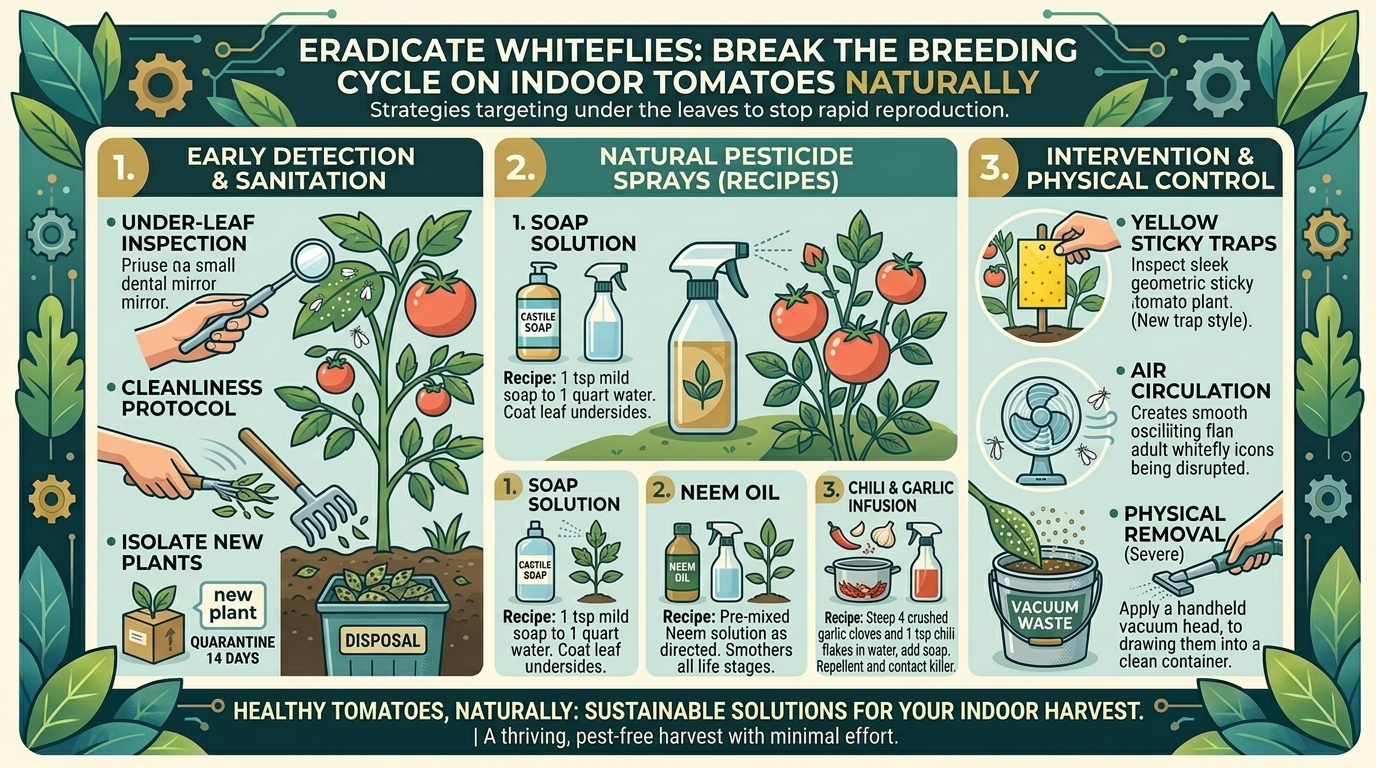
While basil acts as an exceptional natural deterrent through scent-masking and by attracting beneficial predatory wasps, it is not an invincible shield. If a hornworm moth manages to lay eggs, you should still manually inspect your tomato plants weekly for early signs of caterpillars.
3. Do I need to harvest the basil to keep it effective against pests?
Regular harvesting and pruning actually stimulate the basil plant to release fresh waves of volatile organic compounds (VOCs) and encourage bushier growth, making its pest-confusing scent barrier even more potent.
4. Can I plant basil with tomatoes in containers or pots?
Absolutely! Container gardening is a fantastic way to utilize this pairing. Planting a large 15-gallon tomato pot or raised patio container with a central tomato stake surrounded by 3 or 4 sweet basil plants creates a compact, pest-resistant micro-ecosystem on balconies in San Francisco or New York.
5. Are there specific varieties of basil that work best?
Traditional sweet basil (Ocimum basilicum) is the classic choice due to its high concentration of eugenol and strong aroma. However, Thai basil, lemon basil, and cinnamon basil also produce powerful volatile oils that work wonderfully for pest deterrence.
6. Will basil attract pests that might harm my tomatoes?
Generally, no. Basil is exceptionally resilient against most common vegetable pests and tends to repel more insects than it attracts. However, if plants become stressed from drought, watch for occasional spider mites.
7. Do tomatoes benefit basil in return?
Yes! The taller, sprawling canopy of a mature tomato plant provides dappled afternoon shade for basil during intense heatwaves in southern regions like Texas, preventing the basil from bolting (flowering and turning bitter) too quickly.
8. What other companion plants pair well with tomatoes and basil?
Marigolds (for nematode control), garlic and chives (for antifungal properties and pest confusion), and nasturtiums (as a trap crop for aphids) make incredible additions to a tomato-basil polyculture bed.
9. Should I plant basil seeds directly, or use nursery transplants?
While you can direct-sow basil seeds once soil temperatures warm up, starting with healthy nursery transplants planted alongside your tomato starts gives your scent barrier an immediate head start against early-season pests.
10. Can I use dried basil leaves around my tomato plants to deter pests?
No. Dried basil leaves lose their essential volatile oils very quickly. Only living, actively growing basil plants continuously synthesize and release the aromatic compounds required to mask scent plumes and confuse wandering pests.
Conclusion
Companion planting basil next to tomatoes is one of the most rewarding, time-tested traditions in gardening. By harnessing the power of root chemistry, microclimate shading, and aromatic volatile organic compounds, you can naturally deter destructive hornworms, boost your plant health, and harvest tomatoes with richer, more vibrant flavor. Transform your garden beds or urban containers today, and enjoy a flourishing, delicious harvest from coast to coast.