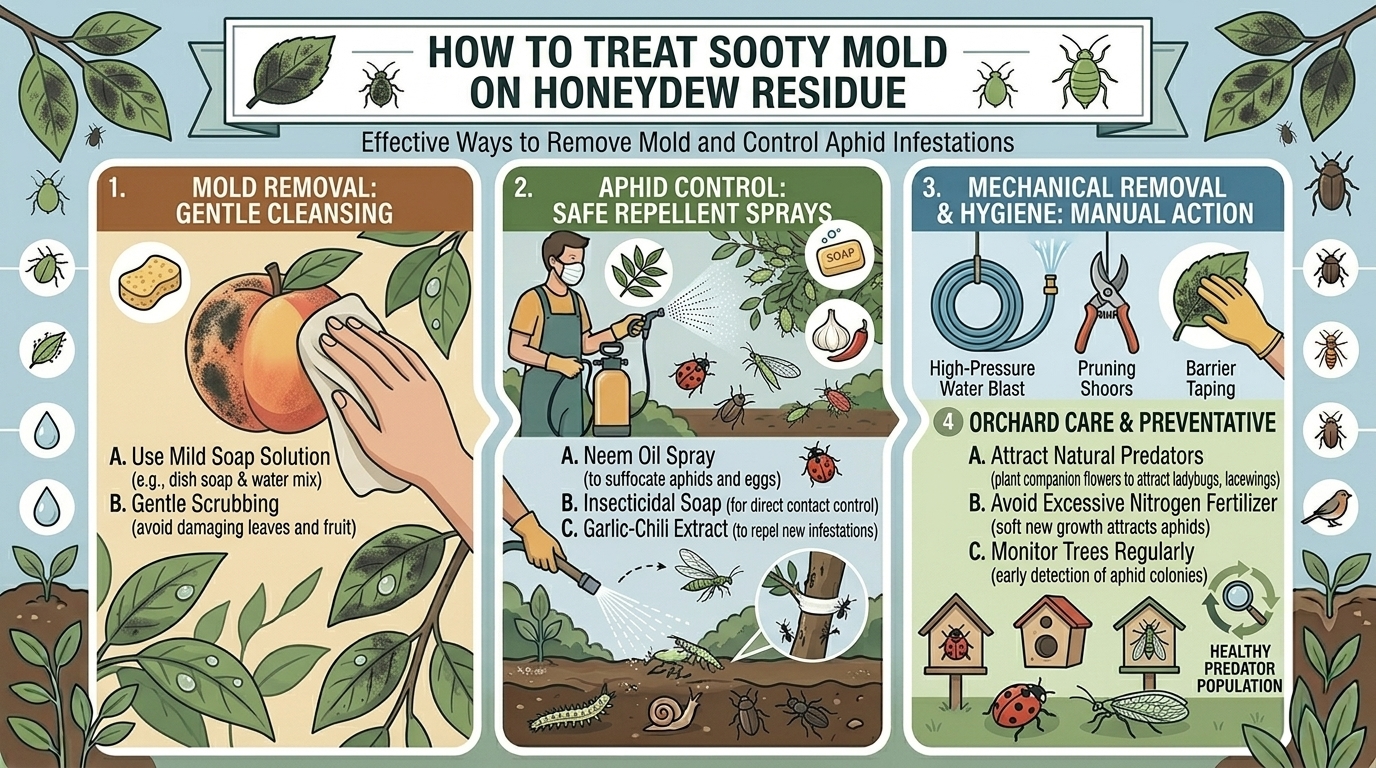
How to Treat Sooty Mold Growing on the Sticky Honeydew Residue Left Behind by Plant Aphids
Walking out to your garden to admire your prized ornamental shrubs, fruit trees, or vegetable crops, only to find them coated in what looks like a layer of dark fireplace soot, can be deeply alarming. Leaves turn sticky, shiny patches catch the light, and a dusty black crust begins to blanket the foliage. It looks like a severe, aggressive plant disease, leading many gardeners to panic and reach for heavy chemical fungicides.
However, this condition—known as sooty mold—is widely misunderstood. Sooty mold is not a parasitic plant pathogen that infects or invades living plant tissues. Instead, it is an opportunistic fungus that feeds entirely on a sweet, sticky waste substance called honeydew, which is excreted by sap-sucking insects like aphids, whiteflies, and soft scale.
Whether you are managing a backyard garden in the humid climate of Texas, maintaining urban container plants in New York or San Francisco, or dealing with damp garden conditions in Washington state and California, understanding how to break this ecological chain is vital. This comprehensive guide explores the science of sooty mold, step-by-step cleaning protocols, effective organic treatments for the underlying aphid infestations, and frequently asked questions to restore your plants to vibrant health.
The Root Cause: Unpacking the Aphid-Honeydew-Mold Connection
To successfully treat sooty mold, you must look past the black coating on the leaves and examine the real culprit: sap-sucking insects, primarily aphids.
1. The Feast: Phloem Sap and Excess Sugar
Aphids feed by piercing plant stems and leaves with needle-like mouthparts to drink nutrient-rich phloem sap. Because plant sap contains an overwhelming excess of sugars relative to proteins, aphids must filter massive volumes of fluid through their bodies to extract enough nutrition. They excrete the excess sugar as a clear, sticky, sugary liquid called honeydew.
2. The Spores Arrive: The Birth of Sooty Mold
As honeydew coats the leaves, stems, and even patio furniture or cars underneath the plant canopy, airborne fungal spores (Capnodium, Fumago, and Cladosporium species) land on the sugary film. Finding an immediate, rich food source, these spores germinate rapidly, spinning a dense web of dark, thread-like mycelium that creates the characteristic velvety black coating.
3. The Danger to Your Plants
While sooty mold does not suck nutrients directly out of the leaf, it poses an indirect threat:
- Blocked Photosynthesis: The thick black crust acts like a physical sunshade, blocking vital sunlight from reaching the chloroplasts inside the leaves.
- Stunted Growth: Severe encrustation reduces a plant’s ability to manufacture energy, leading to weakened vigor, premature yellowing, and heavy leaf drop.
- Aesthetic Ruin: Plants lose their natural color and look dirty, sticky, and neglected.
Step 1: Eliminate the Source (Killing the Aphids)
If you wash off the sooty mold without dealing with the aphids, the mold will simply return within days as the remaining insects continue to pump out fresh honeydew.
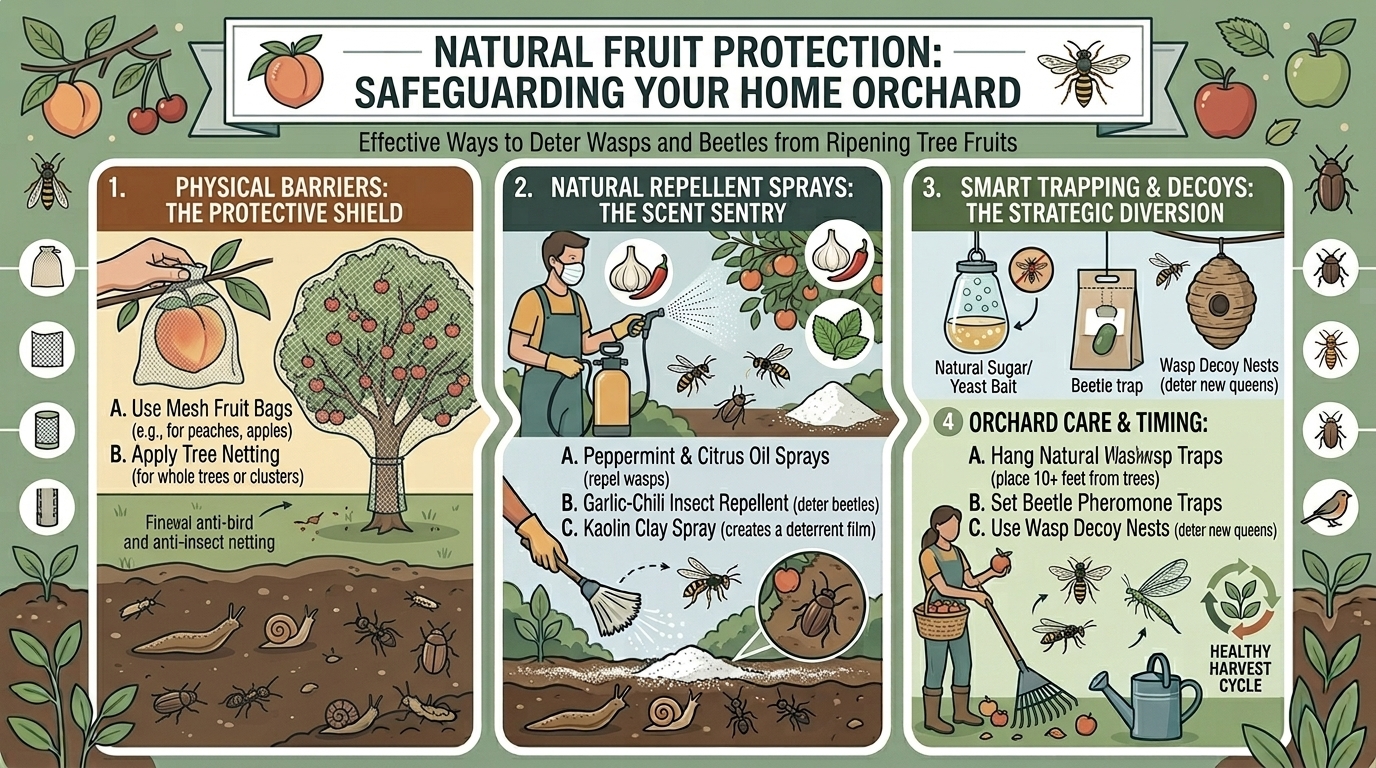
1. Organic Horticultural Oils and Insecticidal Soaps
- How they work: Safe, OMRI-listed horticultural oils (such as neem oil or narrow-range paraffinic oils) and potassium salt-based insecticidal soaps work on contact to suffocate aphids and soft-bodied nymphs.
- Application Rule: Spray thoroughly at dawn or dusk. Ensure you coat every surface, paying special attention to the undersides of leaves and tender shoot tips where aphids congregate. Never spray oils when temperatures exceed 90°F to avoid frying the foliage.
2. Introduce Beneficial Predatory Insects
Nature provides a built-in defense mechanism against aphids if you create a welcoming habitat:
- Ladybugs and Green Lacewings: Larvae and adult lady beetles consume hundreds of aphids daily.
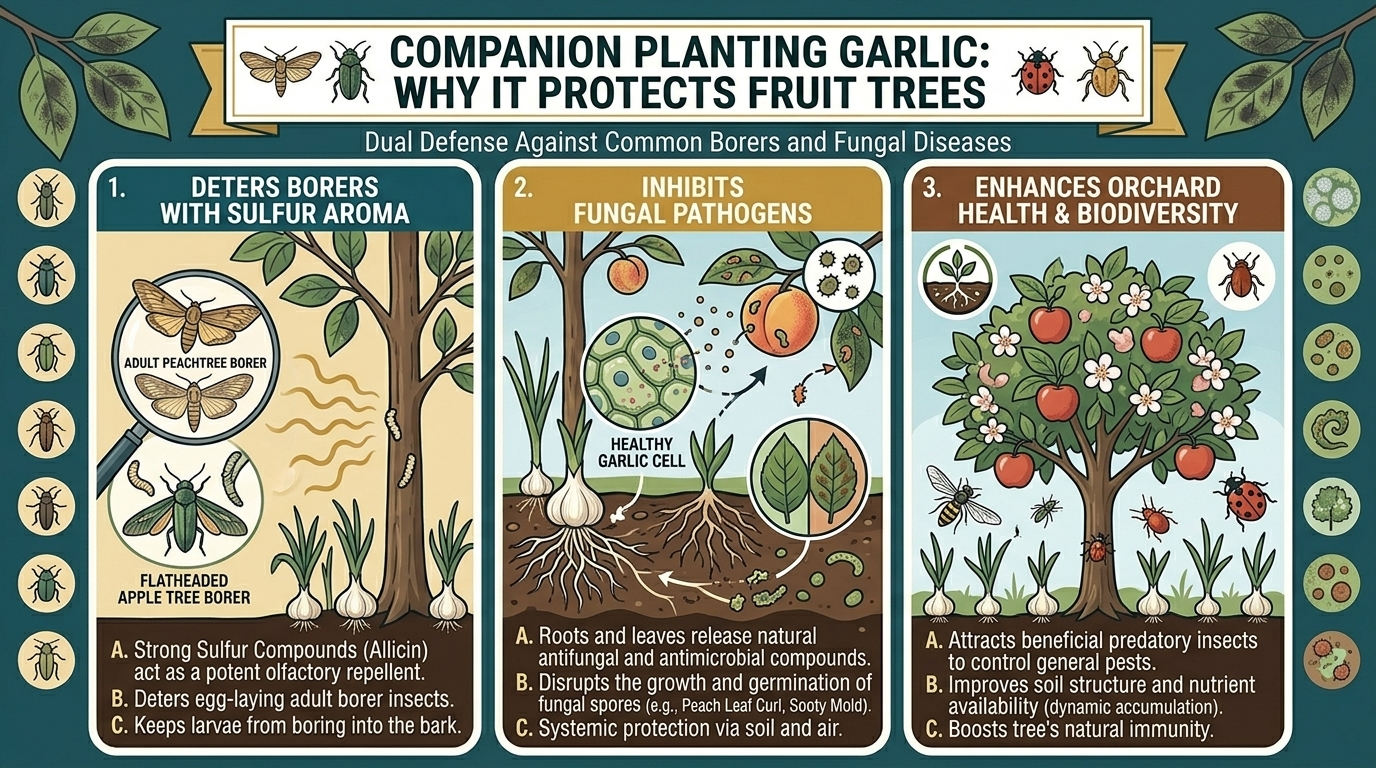
- Companion Planting: Plant nectar-rich umbrella flowers nearby—such as yarrow, dill, fennel, and sweet alyssum—to attract predatory hoverflies and parasitic wasps that decimate aphid colonies naturally.
3. Disrupt “Ant Farming” Behavior
If you notice ants marching up and down your plant stems alongside aphids and sooty mold, you are witnessing an alliance. Ants love harvesting sweet honeydew, and they will actively protect aphids from ladybugs and other predators.
- Solution: Apply a sticky insect barrier band (like Tanglefoot) around the trunks of woody trees, or place boric acid-based ant bait stations near the base of the plant to break the ant-aphid farming loop.
Step 2: Safely Clean the Sooty Mold from Leaves
Once the aphid population is under control and honeydew production stops, the existing sooty mold will dry up, lose its grip, and become much easier to remove.
The Gentle Washing Protocol
- Mix a Safe Solution: Combine 1 teaspoon of mild liquid Castile soap with 1 quart of lukewarm water in a bucket or handheld spray bottle. Avoid harsh dish detergents containing heavy degreasers, as they strip the protective waxy cuticle of the leaves.
- Spray and Loosen: Spray the soapy water generously over the affected leaves. Let it sit for 2 to 3 minutes to soften the fungal mat.
- Wipe or Rinse: For sturdy indoor houseplants or broad-leaf ornamentals (like Fiddle Leaf Figs or Citrus), gently wipe each leaf clean using a soft microfiber cloth with upward strokes. For delicate outdoor plants, use a gentle handheld hose nozzle set to a “shower” setting to blast away the loosened flakes.
- Rinse Thoroughly: Flush the leaves with clean water afterward to remove residual soap.
Step-by-Step Maintenance Action Plan
- Week 1 (Diagnosis & Knockdown): Identify the aphid infestation and wash away heavy honeydew deposits. Apply an organic insecticidal soap or horticultural oil spray to wipe out active pests.
- Week 2 (Follow-Up Treatment): Reapply your organic spray to target any newly hatched aphid nymphs. Wipe down or hose off remaining loose sooty mold flakes.
- Week 3 (Predator Integration & Barriers): Install ant baits or trunk barriers if ants are present. Plant or support beneficial insect attractors nearby.
- Week 4 (Recovery Check): Inspect new growth. If new leaves emerge clean, shiny, and free of sticky residue, your treatment cycle has successfully broken the problem.
Frequently Asked Questions (FAQ)
1. Is sooty mold toxic to humans, pets, or wildlife?
No. Sooty mold is non-toxic and non-pathogenic to animals and humans. It stays entirely on the exterior surface of the plant and does not produce dangerous mycotoxins that will harm your family or household pets. However, heavy black coatings can trigger allergic reactions in sensitive individuals if disturbed into a dust cloud.
2. Can I use a chemical fungicide to kill sooty mold?
Using fungicides to treat sooty mold is ineffective and a waste of resources. Because sooty mold is a symptom of a sap-sucking insect problem rather than an internal plant infection, applying fungicides will not stop the mold from returning. You must target the aphids producing the honeydew.
3. Will rain naturally wash away sooty mold on its own?
Light rain rarely washes away established sooty mold because the fungal mats are held together by sticky honeydew residue. However, once you eliminate the aphids and the honeydew dries out, heavy seasonal rainfall can help loosen and flake off the dead fungal crust over time. Manual washing speeds up recovery drastically.
4. Why are ants always crawling on my plants when sooty mold is present?
Ants are farming the aphids. They feed on the carbohydrate-rich honeydew excretions. To protect their food source, ants actively herd aphids to fresh plant growth and chase away natural predators like ladybugs. Eliminating the ants makes it much easier for beneficial insects to wipe out your aphid problem.
5. Can sooty mold kill my outdoor trees or indoor houseplants?
Directly? No. Indirectly? Yes, if left unchecked for years. By blocking up to 40% of incoming sunlight, severe sooty mold starves the plant of energy. Combined with the sap drain from thousands of feeding aphids, it can severely stunt growth and cause premature leaf drop.
6. What household plants are most vulnerable to sooty mold?
Plants with sweet sap and tender new growth are prime targets. Common victims include citrus trees (lemons, limes, oranges), crape myrtles, roses, gardenias, hibiscus, and indoor tropicals like Monsteras and Ficus trees experiencing aphid or scale outbreaks.
7. Can I use vinegar or bleach solutions to clean sooty mold off leaves?
Never use vinegar or bleach solutions on plant foliage. Vinegar has a low pH that damages stomatal guard cells and burns leaf tissue, while bleach is far too caustic and will chemically scorch your plants. Stick to mild Castile soap solutions.
8. Does sooty mold affect fruit if it grows on ripening produce?
If sooty mold grows on the skin of citrus fruits or apples due to dripping honeydew from upper branches, it does not ruin the internal fruit. You can easily wash the black soot off the skin with warm soapy water before peeling or eating the fruit.
9. Why does my patio furniture look sticky and black under my trees?
This is a classic sign of canopy infestation. Sap-sucking insects high up in tree branches are producing heavy honeydew that drips downward onto patio tables, decks, and parked cars, creating an ideal surface for airborne sooty mold spores to colonize. Treat the tree canopy above to stop the drip.
10. How do I prevent sooty mold from coming back next season?
Prevention relies on early detection. Inspect your plants weekly during spring and summer for the first signs of curling leaves or sticky residue. Maintain balanced fertilization (excess nitrogen creates soft, succulent growth that attracts aphids) and encourage a healthy population of beneficial garden predators.
Conclusion
Sooty mold can make your favorite plants look like they are suffering from a terminal illness, but it is ultimately an indicator of a manageable underlying pest problem. By treating the root cause—eliminating the sap-sucking aphids producing the sticky honeydew—and gently washing away the leftover fungal residue with mild soapy water, you can restore your plants’ health and beauty. Keep a close eye on your garden’s ecosystem, practice proactive pest management, and enjoy a lush, clean, and thriving landscape!