How to Safely Manage Cutworm Populations That Cut Down Young Seedling Stem Overnights in Spring
Spring is a season of profound optimism in the garden. You carefully sow tender seeds or transplant delicate vegetable starts—peppers, tomatoes, brassicas, and beans—into warm, rich soil. You water them gently, admire their vibrant green leaves, and turn in for the night, dreaming of the bountiful harvest ahead.
Then, morning arrives. You walk out to your garden beds with your morning coffee, only to experience every gardener’s gut-wrenching heartbreak: your pristine, healthy seedlings are lying flat on the soil surface, cleanly severed at the stem base just above the soil line, as if an invisible lawnmower sliced through them overnight.
The culprit behind this nocturnal devastation is not a disease, nor a wandering mammal, but one of the most stealthy and destructive subterranean pests of the spring garden: the cutworm.
Whether you are managing vegetable beds in the scorching spring warmth of Texas, protecting spring crops through damp soil cycles in New York, nursing organic vegetable starts across California, contending with cool-season pest pressures in Washington, or cultivating urban raised beds in San Francisco, managing cutworm populations safely and organically is essential for preserving your harvest.
This comprehensive masterclass explores cutworm biology, detective work for identifying their presence, physical and biological control methods, and long-term preventative strategies to protect your spring seedlings.
The Culprit Revealed: Understanding Cutworms
Despite their name and devastating habits, cutworms are not worms at all; they are the larval stage (caterpillars) of various nocturnal brown or gray miller moths belonging to the family Noctuidae.
Adult moths are harmless nectar-feeders that flutter around outdoor lights at night, but they lay their eggs on weeds, lawn grasses, and garden debris in late winter or early spring. When the eggs hatch, hungry caterpillars emerge ready to feed.
1. Behavior and Feeding Habits
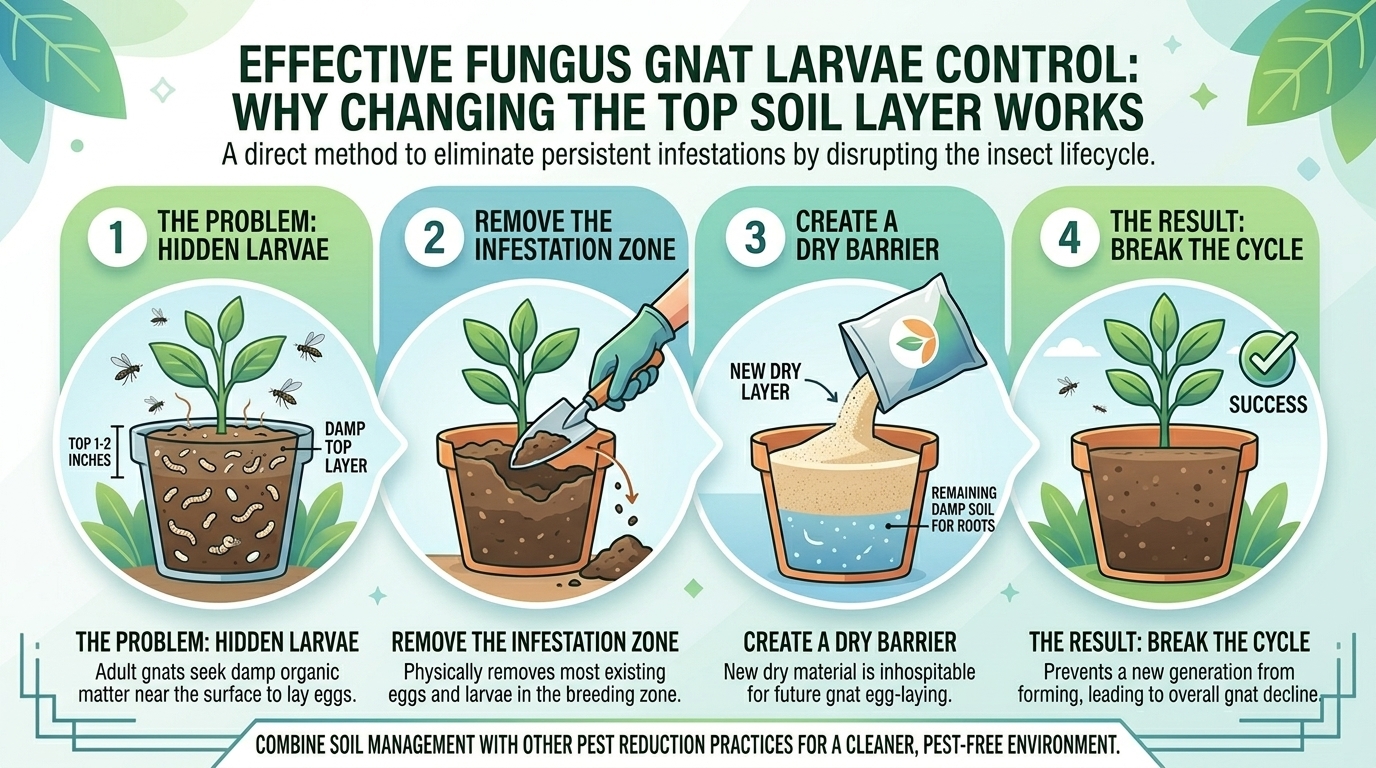
- The Nocturnal Marauder: Cutworms spend bright sunny spring days curled into tight C-shaped rings just beneath the soil surface (roughly 1 to 2 inches deep) or hiding under mulch, rocks, and plant debris.
- The Overnight Massacre: As twilight falls, they emerge from their subterranean hiding spots, crawl across the soil surface, wrap their bodies around the tender stems of young seedlings, and chew straight through them.
- Wasteful Destruction: A single cutworm often cuts down multiple seedlings in a single night—far more than it can actually consume. They simply take a single bite or completely decapitate the plant, leaving the withered stem to dry out in the sun.
2. The Four Main Types of Cutworms
- Climbing Cutworms: Unlike subterranean species, these caterpillars climb up mature plants to feed on foliage, buds, and developing fruit (frequently targeting tomatoes and fruit trees).
- Subterranean (Underground) Cutworms: These stay entirely beneath the soil surface, feeding on roots and chewing underground stems, causing sudden plant collapse without visible stem slicing.
- Surface Cutworms: The classic culprits responsible for felling young spring transplants right at the soil line.
- Armyworms: While technically a relative, they occasionally march through gardens in dense numbers, devouring all green plant material in their path.
Complete Tools and Materials Checklist
Safely eradicating cutworms without relying on toxic synthetic neurotoxins requires a blend of physical barriers, biological controls, and manual vigilance.
| Category | Item | Recommended Specification | Purpose |
| Physical Barrier | Cardboard or Plastic Collars | Toilet paper rolls, clean tin cans, or plastic cups | Wraps around seedling stems to block cutworms |
| Biological Control | Beneficial Nematodes (Steinernema carpocapsae) | Live micro-organisms in powder/gel form | Hunt down and parasitize subterranean cutworms |
| Biological Control | Bacillus thuringiensis (Bt) | Commercial caterpillar spray/dust | Organic bacterium that kills chewing caterpillars |
| Manual Defense | Diatomaceous Earth (DE) | Food-grade mineral powder | Creates a jagged, drying surface barrier on soil |
| Sanitation | Hand Trowel | Small stainless steel trowel | Used for manual nighttime hunting or soil inspection |
Step-by-Step Guide: Proven Methods to Stop Cutworms
Defending your spring seedlings requires a multi-layered defense strategy combining physical exclusion, biological warfare, and organic treatments.
Phase 1: Installing Physical Collars (The Ultimate Preventative)
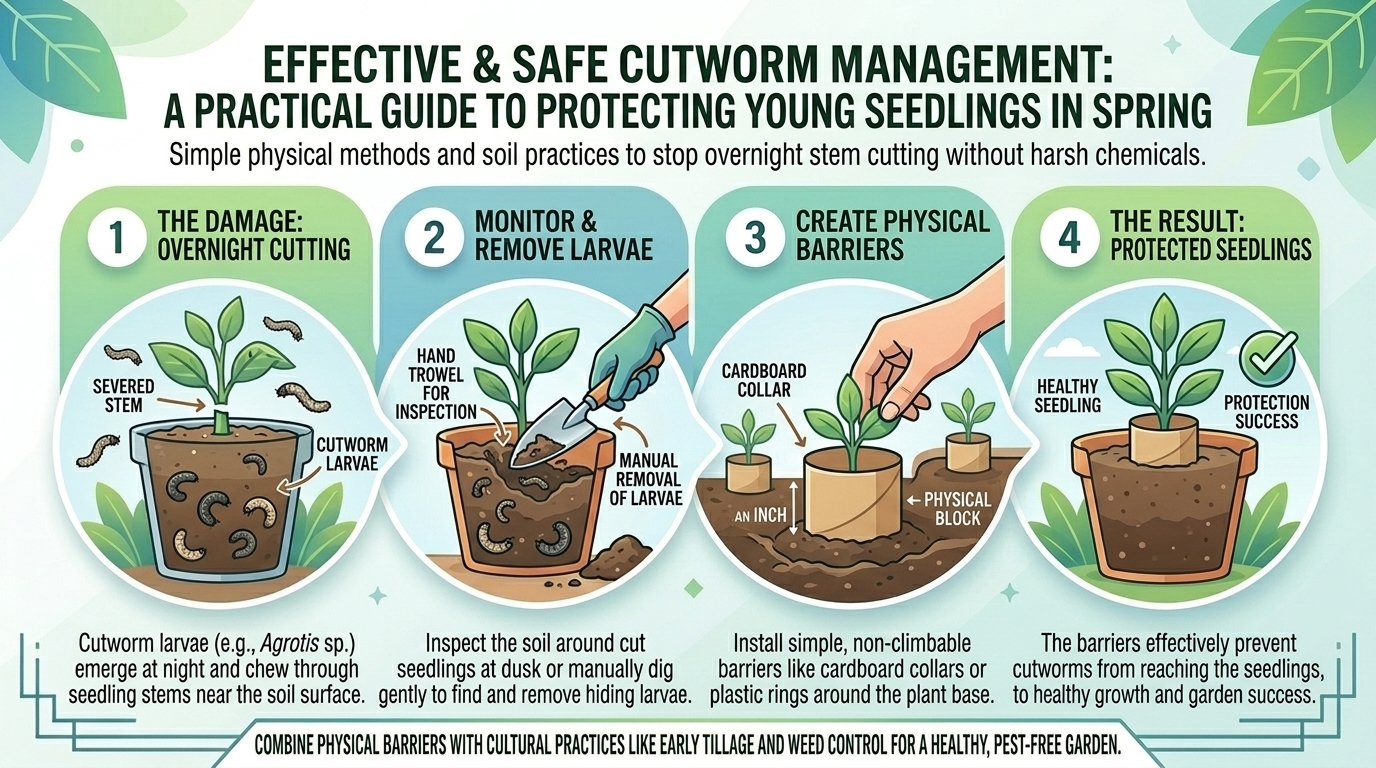
The absolute most foolproof way to stop surface cutworms from felling your young transplants is to create an impassable physical collar around every single seedling.
- Repurpose Household Items: Collect clean toilet paper rolls, paper towel tubes cut in half, disposable plastic drinking cups with the bottoms cut out, or clean tin cans with both ends removed.
- Plant with the Collar: When transplanting your tomatoes, peppers, or brassicas, sink the cardboard or plastic cylinder directly into the soil so that 1 to 2 inches are buried underground and 2 to 3 inches remain above the soil surface.
- The Protective Shield: Place your seedling in the center. The buried barrier blocks subterranean crawlers, while the height above ground prevents surface-traveling cutworms from reaching the tender stem. (Cardboard tubes will naturally biodegrade into the soil by mid-summer).
Phase 2: Biological and Organic Treatments
If you are direct-sowing seeds (like beans, corn, or squash) where physical collars are impractical, utilize organic biological controls:
- Deploy Beneficial Nematodes: Apply microscopic, beneficial soil-dwelling nematodes (Steinernema carpocapsae) to your garden beds in early spring. Mix them into water and saturate the soil. These harmless roundworms actively seek out subterranean cutworms, enter their bodies, and eliminate them within 48 hours.
- Spray with Bt (Bacillus thuringiensis): If climbing or surface cutworms are actively chewing on plant stems and leaves, spray the foliage and base of the plants with organic Bt. When the caterpillar ingests the bacteria, it paralyzes its digestive system, causing it to stop feeding and die naturally within days.
- Apply Food-Grade Diatomaceous Earth: Dust a ring of dry food-grade Diatomaceous Earth around the base of your plants. The microscopic fossilized algae shells lacerate the soft bodies of crawling cutworms, causing them to dehydrate. (Note: DE must be reapplied after rain or heavy morning dew).
Phase 3: The Nighttime Hunt (Manual Removal)
For dedicated organic gardeners who want immediate results, nothing beats a flashlight hunt.
- Gear Up After Dark: Wait until 1 to 2 hours after total darkness falls on a warm spring night. Grab a flashlight and a bucket of soapy water.
- Scan the Soil: Walk your vegetable beds and inspect the soil surface around recently damaged seedlings. You will often spot plump, brownish-gray caterpillars actively wriggling or feeding on stems.
- Pick and Drop: Pluck the cutworms off the soil and drop them into the soapy water to dispatch them instantly.
Regional Considerations for Cutworm Management
Environmental variations dictate how early and aggressively cutworms emerge across different growing zones:
- Texas: Rapid spring warming across Texas triggers early moth activity and egg-laying. Apply beneficial nematodes and install seedling collars as soon as early spring crops go into the ground.
- New York and the Northeast: Spring thaw leaves behind decaying weed matter and crop residue that attracts overwintering cutworm pupae. Clear all garden debris thoroughly in early spring before planting.
- California: Mild California winters allow various generations of cutworms to persist. Implement physical collars on cool-season brassicas and leafy greens early in the spring planting cycle.
- Washington and the Pacific Northwest: Cool, damp spring conditions in Washington keep cutworms active near the soil surface for longer periods. Rely on physical collars and Bt sprays, as heavy rains wash away Diatomaceous Earth quickly.
- San Francisco: Urban microclimates in San Francisco experience cooler fog-laden springs. Inspect community garden raised beds carefully and use clean potting soil mixes to avoid introducing overwintering pupae.
Long-Term Preventative Strategies
Preventing cutworm infestations next year starts with proper end-of-season and early-spring garden hygiene:
- Clear Weedy Areas in Autumn: Cutworms love laying eggs on dense winter weeds (like chickweed, dandelions, and wild grasses). Clear your garden beds completely of weeds and crop residue every fall.
- Tandem Spring Tilling: Tilling or turning over the top 2 inches of garden soil 2 to 3 weeks before spring planting exposes overwintering pupae to hungry birds and solar desiccation.
- Attract Natural Predators: Encourage native bird populations, toads, ground beetles, and spiders in your garden. A single toad or robin can consume dozens of cutworms a day.
Troubleshooting Common Cutworm Issues
- Issue: Seedlings are still being cut down despite applying Diatomaceous Earth.
- Solution: Spring morning dew or overnight irrigation instantly wets Diatomaceous Earth, rendering it completely useless until it dries out. Switch to physical cardboard collars or apply beneficial nematodes instead.
- Issue: I searched the soil with a flashlight at night, but I couldn’t find any cutworms near the damaged plants.
- Solution: The damage might be caused by subterranean cutworms that never surface, or by slugs and snails (which leave a slimy silver mucus trail). Check for slime trails or dig 1 inch into the soil around the roots to check for underground larvae.
- Issue: My indoor-started tomato transplants were cut down the very first night outdoors.
- Solution: This is the classic signature of hungry surface cutworms waiting in uncollared garden beds. Always install protective paper or plastic collars at the exact moment you transplant starts outdoors.
Frequently Asked Questions (FAQ)
1. What eats through plant stems overnight in the spring?
The primary culprit is the cutworm—the nocturnal larval caterpillar of various ground-dwelling miller moths that hides in the soil by day and cuts down tender seedling stems at night.
2. How do I stop cutworms without using chemical pesticides?
You can use physical barriers (like cardboard or plastic seedling collars), biological controls (beneficial nematodes and Bacillus thuringiensis), or manual nighttime hand-picking with a flashlight.
3. Will cutworms climb up tall plants or just cut down seedlings?
While standard surface cutworms only cut down young seedlings at the soil line, climbing cutworms can scale mature plants to feed on foliage, buds, and developing fruit.
4. How deep should I bury a seedling collar to block cutworms?
Bury your protective collar (such as a tin can or cardboard tube) 1 to 2 inches deep into the soil, leaving 2 to 3 inches exposed above the surface to block both subterranean and surface crawlers.
5. Do beneficial nematodes kill cutworms safely?
Yes. Beneficial nematodes (Steinernema carpocapsae) are microscopic, non-toxic roundworms that actively hunt down and parasitize soil-dwelling pests like cutworms, grubs, and flea beetle larvae without harming plants or pets.
6. Why do cutworms cut down more plants than they eat?
Cutworms exhibit wasteful feeding behavior. They often slice through multiple stems in a single night simply to test plants or reach preferred feeding positions, leaving the severed plants behind.
7. Can I use coffee grounds or eggshells to stop cutworms?
While garden folklore often recommends crushed eggshells or coffee grounds, they offer minimal to no protection against determined cutworms. Physical barriers and biological controls are vastly superior.
8. What does cutworm damage look like compared to slug damage?
Cutworms cleanly slice through the main stem of a young plant, leaving a smooth cut. Slugs and snails typically chew irregular jagged holes in leaves and low stems while leaving a shiny, silvery slime trail behind.
9. When is the peak season for cutworm damage?
Cutworm damage peaks in early to mid-spring when overwintering larvae emerge hungry and active just as gardeners are setting out tender young spring vegetable transplants.
10. Where can I find more expert organic gardening advice and pest control guides?
For comprehensive horticultural advice, regional planting strategies, and expert plant health resources tailored to your backyard, visit kcplants.com.
Conclusion
Finding your prized spring seedlings lying severed on the ground overnight can feel discouraging, but you don’t have to surrender your garden to cutworms. By combining physical seedling collars, organic biological controls like beneficial nematodes and Bt, and vigilant cultural practices, you can outsmart these nocturnal pests and protect your harvest. Whether you are managing raised beds in urban San Francisco or expansive suburban gardens in Texas, these safe, sustainable methods ensure your spring garden thrives from day one.