How to Safely Tie Heavy Stem of Monstera Plants to Natural Bamboo Support Stakes Indoors
Welcome back to kcplants.com! If you are a plant collector or urban jungle enthusiast located anywhere from the bright apartments of Texas and California to the historic high-rises of New York, or the charming indoor spaces of Washington and San Francisco, you have likely experienced the majestic, unruly growth of a mature Monstera deliciosa.
Often called the Swiss Cheese Plant, Monsteras are legendary for their iconic split leaves, tropical grandeur, and vigorous vining habits. However, as they mature, their thick stems and heavy foliage outgrow their juvenile posture. Left unsupported, they sprawl across floors, snap under their own weight, or sprawl haphazardly over furniture.
In their natural jungle habitats, Monsteras are hemiepiphytes—they climb massive rainforest trees using aerial roots for support. When growing indoors, replicating this vertical climb with natural bamboo stakes and soft plant ties is the secret to a healthy, structurally sound, and breathtakingly architectural plant.
This comprehensive guide explores the mechanics of Monstera climbing, step-by-step staking techniques, and regional care tips to help your indoor jungle thrive.
1. Understanding Monstera Growth: Why Support is Essential
Before grabbing twine and stakes, it helps to understand how Monsteras grow in nature and why vertical support transforms their health.
The Hemiepiphytic Nature of Monsteras
In the wild, a young Monstera germinates on the dark rainforest floor and instinctively crawls toward the darkest vertical shadow—which represents a tree trunk. Once it reaches the tree, it abandons soil rooting and climbs upward toward the sunlight, anchoring itself with stout aerial roots.
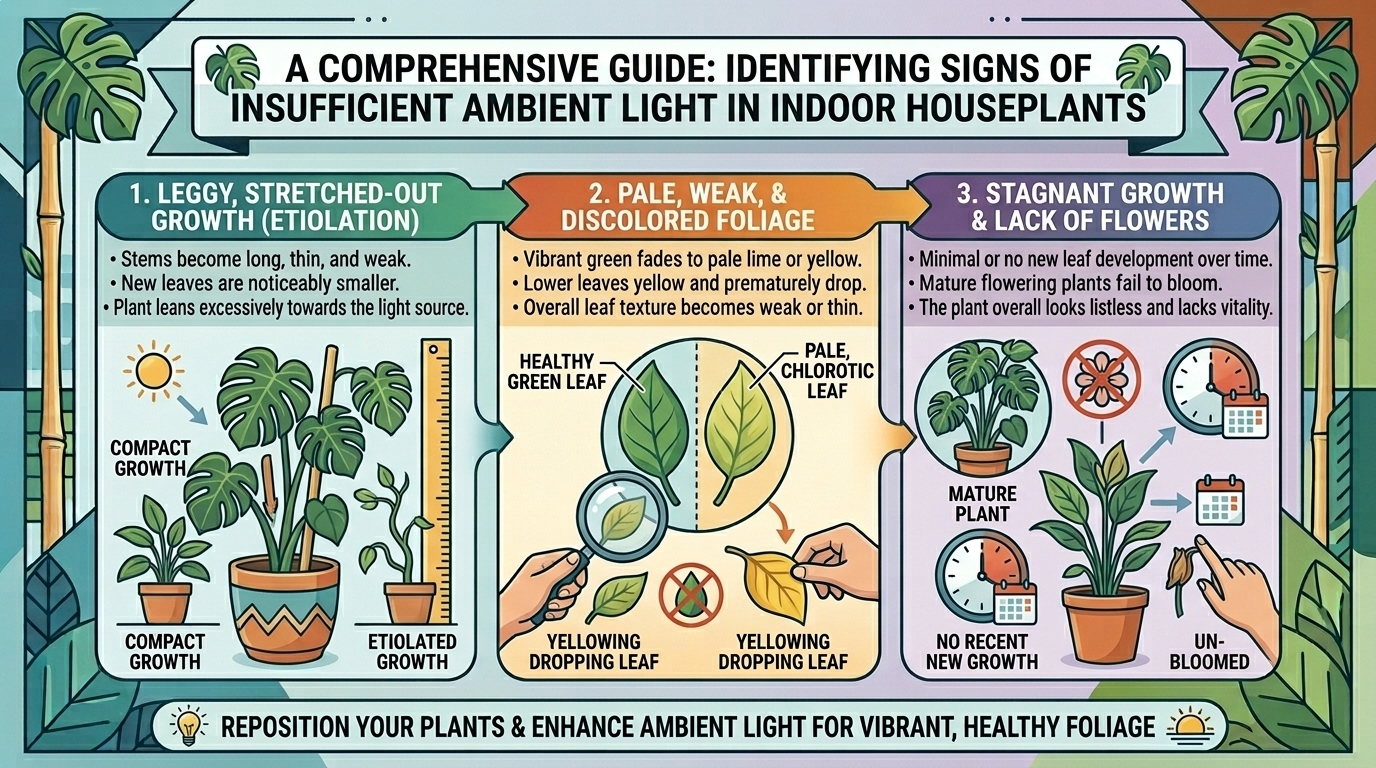
- Larger Fenestrations (Splits): As a Monstera climbs upward toward better light, its leaves grow significantly larger and develop dramatic splits (fenestrations). When left crawling horizontally on the ground, leaves remain smaller and leggy.
- Stem Integrity: Fleshy Monstera stems are not rigid tree trunks; they are flexible vines designed to rely on external scaffolding. Without support, gravity takes over, leading to snapped stems and bruised foliage.
2. Why Choose Natural Bamboo Stakes?
When selecting support structures, gardeners have many options, including plastic poles, moss poles, and metal cages. However, natural bamboo stakes offer distinct horticultural and aesthetic advantages:
- Eco-Friendly and Sustainable: Bamboo is a rapidly renewable natural resource that blends seamlessly with organic indoor decor.
- Rigid and Lightweight: Bamboo provides sturdy, unyielding structural support for heavy stems without adding massive weight to your decorative pots.
- Aesthetic Harmony: Unlike industrial metal stakes or bright plastic rods, bamboo’s earthy wood tones mimic the look of natural tree bark, keeping your indoor plant looking wild and authentic.
3. Regional Indoor Considerations
Your local climate dictates how indoor humidity and heating impact your Monstera’s stem flexibility and aerial root health.
New York & Washington (Chilly Winters & Dry Indoor Heating)
- The Challenge: Central heating dries out indoor air significantly, making plant stems more rigid and prone to snapping if bent too aggressively during the staking process.
- The Solution: Mist stems lightly or wait until a warm, humid summer day to adjust and tie down stiff Monstera stems. Avoid placing your staked Monstera near drafty winter windowpanes.
San Francisco & California (Coastal Dampness & Fog)
- The Challenge: Milder coastal temperatures and high humidity keep plant tissues supple and flexible, but damp indoor microclimates mean you must ensure ties don’t trap moisture against the stem, which can invite fungal rot.
- The Solution: Use breathable natural fiber ties (like jute or cotton twine) rather than plastic-coated wire that traps water.
Texas (Intense AC and Rapid Growth)
- The Challenge: Texas homes experience heavy air conditioning cycles in summer, which can cause indoor air to fluctuate wildly in humidity. However, warm temperatures fuel explosive Monstera growth.
- The Solution: Check your ties every 2 to 3 months. Fast-growing Texas Monsteras will quickly outgrow tight ties, which can girdle and choke thick stems.
4. Tools and Materials Needed
Gather these items before you begin your staking project to ensure a clean, damage-free process:
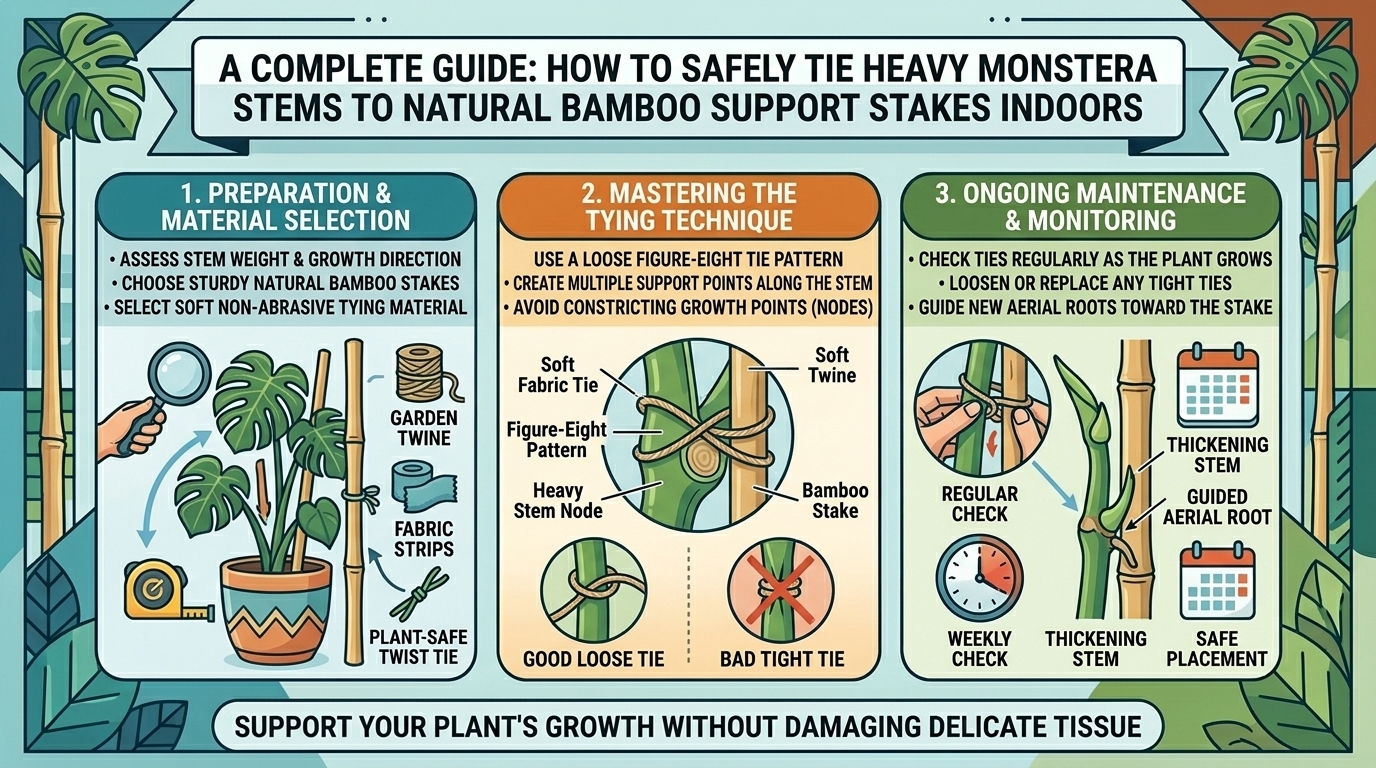
- Natural Bamboo Stakes: Choose thick, sturdy stakes (at least 3 to 4 feet tall and 1/2-inch to 1-inch in diameter depending on plant size).
- Soft Plant Ties: Use soft, flexible materials such as jute twine, strips of old cotton fabric, florist velcro tape, or specialized plant rubber ties. Never use thin fishing line, metal wire, or tight zip-ties, which slice into delicate plant stems.
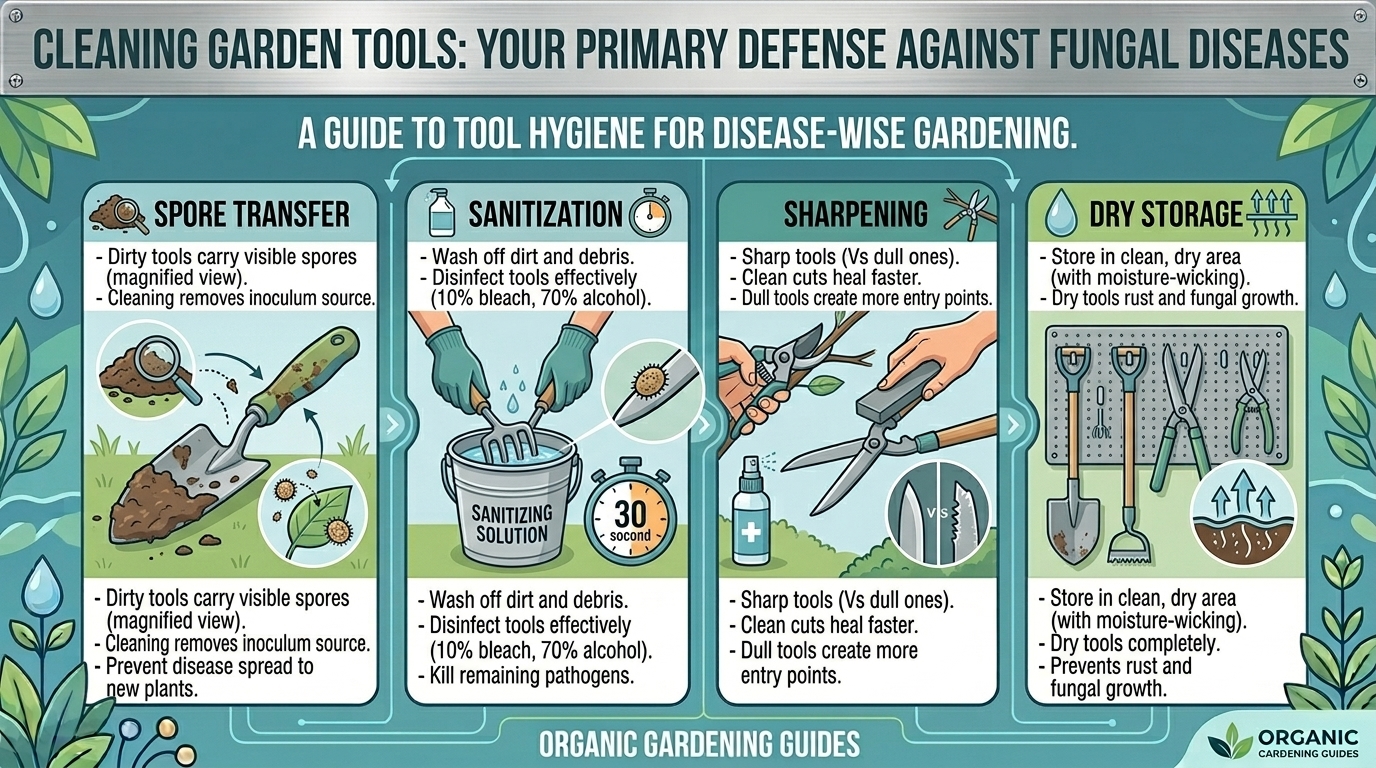
- Sharp, Sterilized Shears: To trim away dead leaves or unruly, dried-up aerial roots if necessary.
- A Second Set of Hands: For massive, sprawling Monsteras, having a helper hold the heavy stems upright while you secure the ties makes the job much easier.
5. Step-by-Step Guide to Staking a Heavy Monstera
Follow this detailed, step-by-step process to secure your Monstera safely without causing plant trauma.
Step 1: Assess and Map the Plant
Before inserting anything into the pot, stand back and look at your Monstera.
- Identify the main stem (or stems) and note which direction the plant naturally wants to lean.
- Always insert your support stakes behind the back of the plant (where aerial roots emerge and leaves face outward). Never jam a stake directly through the center of the root ball, as this will sever major root systems.
Step 2: Inserting the Bamboo Stakes
Push the bamboo stakes firmly down into the soil near the inner rim of the pot, sinking them as deep as possible for maximum stability.
- Pro Tip: For exceptionally large, top-heavy Monsteras, use two or three bamboo stakes arranged in a triangular tripod formation to distribute the weight evenly.
Step 3: Positioning the Main Stems
Gently gather the heavy, sprawling stems and lean them toward the bamboo stake.
- Go Slowly: If a stem has grown sideways for a long time, do not force it upright all at once, or the stem may snap. Bend it gently over the course of several days, securing it a little higher each week until it rests comfortably against the stake.
Step 4: Tying the Stems Correctly (The “Figure-Eight” Method)
How you tie the stem is crucial for plant health.
- Avoid Girdling: Never tie a string tightly wrapped around both the stake and the stem like a tourniquet. This stops nutrient transport and damages the bark.
- The Figure-Eight Loop: Wrap your soft jute twine or velcro tie around the bamboo stake first, cross it over in a figure-eight shape, and then loop it loosely around the Monstera stem. This leaves a small cushion of space between the stem and the stake, preventing friction burn and allowing the stem to thicken naturally as it grows.
Step 5: Managing Aerial Roots
As you stake your Monstera, you will notice long, brown, noodle-like aerial roots dangling from the nodes.
- You can gently guide these aerial roots downward and push them directly into the potting soil (where they will root and provide extra structural stability and water uptake), or tuck them neatly against the bamboo stake.
6. Maintenance and Long-Term Care Tips
- Inspect Ties Bi-Annually: As your Monstera puts out new leaves and thickens its stems, check your ties every few months. Cut away old twine that has become too tight and replace it higher up on the new growth.
- Rotate for Balanced Growth: Rotate your potted Monstera 90 degrees every month. Because Monsteras naturally lean toward light sources, regular rotation prevents them from growing crookedly away from your support stakes.
- Wipe Down Leaves: While adjusting your plant, take a moment to clean dust off its broad fenestrated leaves with a damp cloth to maximize light absorption.
7. Frequently Asked Questions (FAQ)
1. Should I tie Monstera stems by the leaf petioles or the main stem?
Always tie the main woody stem (the vine), never the leaf petioles (the long stems holding individual leaves). Leaf petioles need to pivot and swivel naturally to track light. Tying them down restricts their movement and can snap them off completely.
2. Can I use a moss pole instead of a natural bamboo stake?
Yes! Moss poles are fantastic because they allow aerial roots to grip into moist sphagnum moss. However, for extremely heavy, woody mature Monsteras, bamboo stakes often provide superior structural strength and durability compared to standard bendable moss poles.
3. What is the best material to use for tying plant stems?
Soft, wide materials are best. Jute twine, strips of soft cotton cloth, stretchy plant rubber ties, and soft hook-and-loop garden velcro strips distribute pressure evenly across the stem without cutting into plant tissue.
4. What should I do if a heavy Monstera stem accidentally snaps while staking?
Don’t panic! If a stem cracks partially, splint it immediately with a small piece of bamboo and wrap it loosely with soft twine; many tropical plants will naturally heal themselves. If the stem snaps completely, trim the broken piece off cleanly and propagate the top cutting in water!
5. How deep should I push the bamboo stake into the pot?
Push the stake as close to the bottom of the pot as safely possible without puncturing the container. A shallow stake will quickly tip over under the immense weight of a mature, top-heavy Monstera.
6. Do I need to stake a young, small Monstera?
Young, juvenile Monsteras with flexible, upright stems usually do not need staking. However, once the plant starts developing long, trailing vines (typically when it reaches 2 to 3 feet in height), introducing a stake prevents future sprawling.
7. Why is my staked Monstera leaning heavily to one side?
Leaning usually happens because light is coming from only one direction, causing the plant to stretch toward it. Rotate your pot regularly and ensure your ties are securing the main stem firmly to the central stake.
8. Can I prune my Monstera instead of staking it?
Pruning removes growth tips and can control overall size, but it won’t stop a vining plant from trying to crawl horizontally. Staking is required to maintain a vertical, space-saving indoor tree habit.
9. Should I cut off the long aerial roots hanging from the stems?
It is generally best to leave aerial roots alone, as they are part of the plant’s natural anatomy. You can tuck them into the soil or wrap them around your bamboo stakes. If they are purely aesthetic nuisances in your living space, you can snip them off cleanly, though it may slightly slow down the plant’s vigor.
10. How often do I need to add new ties as the plant grows?
As your Monstera enters its peak growing season in spring and summer, add a new tie approximately every 6 to 12 inches of upward stem growth to keep the heavy foliage securely supported.
Conclusion
Safely tying heavy Monstera stems to natural bamboo support stakes is a game-changer for indoor gardening. Not only does it transform an unruly, sprawling vine into a stunning, upright architectural masterpiece, but it also mimics the plant’s native jungle habitat, encouraging larger leaves and vigorous, healthy growth.