What Are the Best Companion Plants to Grow Alongside Bell Peppers to Boost Overall Harvest Size?
Bell peppers are among the most rewarding, versatile, and colorful crops you can grow in a home garden. Whether you are harvesting crisp green bells, vibrant yellow blocks, or deeply sweet red and orange varieties, sinking your teeth into a homegrown pepper reveals a flavor profile that store-bought produce simply cannot match.
However, anyone who has tried growing bell peppers knows they can sometimes be finicky. They demand sustained warmth, consistent moisture, and a hefty supply of nutrients to transition from delicate white blossoms into heavy, thick-walled fruits.
For gardeners growing anywhere from the blazing heat of Texas to urban containers in New York, sprawling backyard beds in California, the damp microclimates of Washington, or the foggy, breezy hills of San Francisco, maximizing your pepper harvest comes down to a powerful ecological strategy: companion planting.
Instead of treating your pepper patch as an isolated monoculture, surrounding your bell peppers with specific companion plants can dramatically boost your overall harvest size. Companions act as natural insect repellents, nitrogen fixers, weed suppressors, and pollinator magnets.
This comprehensive guide explores the best companion plants to grow alongside bell peppers, how they boost harvest sizes, and how to set them up using natural organic soils.
Table of Contents
- Introduction to Bell Pepper Companion Synergy
- The Biological Needs of Bell Peppers
- Top 7 Best Companion Plants for Bell Peppers
- Plants to STRICTLY Avoid Near Bell Peppers (Bad Companions)
- Designing Your Companion Pepper Patch Layout
- Building the Ideal Organic Soil Base for Heavy Yields
- Regional Planting Adjustments (TX, NY, CA, WA, SF)
- Watering, Feeding, and Pollination Maintenance
- Pro Tips for Maximizing Pepper Fruit Size and Sweetness
- Frequently Asked Questions (10 FAQs)
- Conclusion
1. Introduction to Bell Pepper Companion Synergy
Monoculture farming—planting rows and rows of the exact same crop—is a modern agricultural invention that invites disaster. In a monoculture, if a specific pest or disease finds your garden, it sweeps through the entire population unchecked.
Companion planting mimics nature’s diversity. When you interplant your bell peppers with herbs, flowers, and alliums, you create a dynamic, multi-layered ecosystem. Pests get confused by mixed aromas, beneficial predatory insects move in to patrol your plants, and subterranean root interactions optimize nutrient availability. The result? Larger, healthier pepper plants yielding bigger, heavier harvests.
2. The Biological Needs of Bell Peppers
Before selecting companions, you must understand what bell peppers require to thrive:
- Heat and Sunlight: Peppers are tropical perennials at heart. They demand full sun (at least 6 to 8 hours daily) and warm ambient temperatures.
- Nutrient Demands: Heavy fruit production requires a steady supply of potassium, phosphorus, and trace minerals, alongside moderate nitrogen.
- Pest Vulnerability: Aphids, flea beetles, hornworms, and thrips love pepper foliage and tender blossoms.
Your companion plants should directly address these needs by shading soil, deterring pests, and attracting pollinators.
3. Top 7 Best Companion Plants for Bell Peppers
1. Basil (The Classic Flavor and Pest Deterrent)
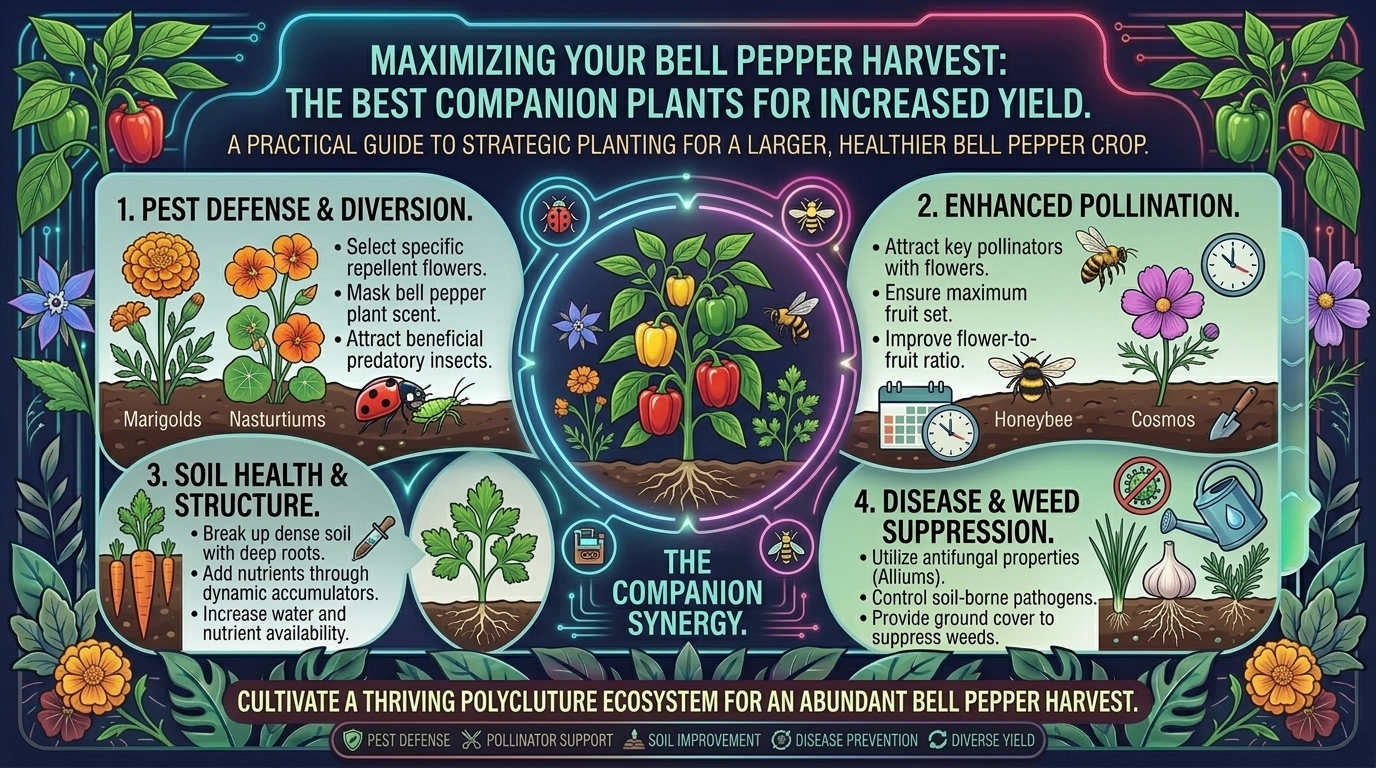
- Why It Works: Basil is the ultimate traditional companion for peppers. Its strong aromatic scent confuses pests like thrips and whiteflies, masking the scent of your pepper plants. Furthermore, basil improves the overall flavor of nearby peppers and thrives in the exact same warm, sunny conditions.
- Spacing: Plant one basil plant directly between each bell pepper plant.
2. Marigolds (The Underground and Above-Ground Security Guard)
- Why It Works: French marigolds (Tagetes patula) are magical multi-taskers. Above ground, their pungent aroma repels tomato hornworms, aphids, and whiteflies. Below ground, their roots release natural compounds (alpha-terthienyl) that suppress destructive microscopic root-knot nematodes in your organic soil.
- Spacing: Line the perimeter of your pepper bed with marigolds or tuck them into corners of your containers.
3. Garlic and Chives (The Antifungal Alliums)
- Why It Works: Belonging to the Allium family, garlic and chives pack heavy doses of sulfur and allicin. Their strong scents deter deer, rabbits, and chewing insects, while their vertical root systems provide natural antifungal soil benefits without competing with pepper roots.
- Spacing: Plant a border of chives or garlic cloves around the outer edge of your pepper patch.
4. Spinach or Lettuce (The Living Mulch)
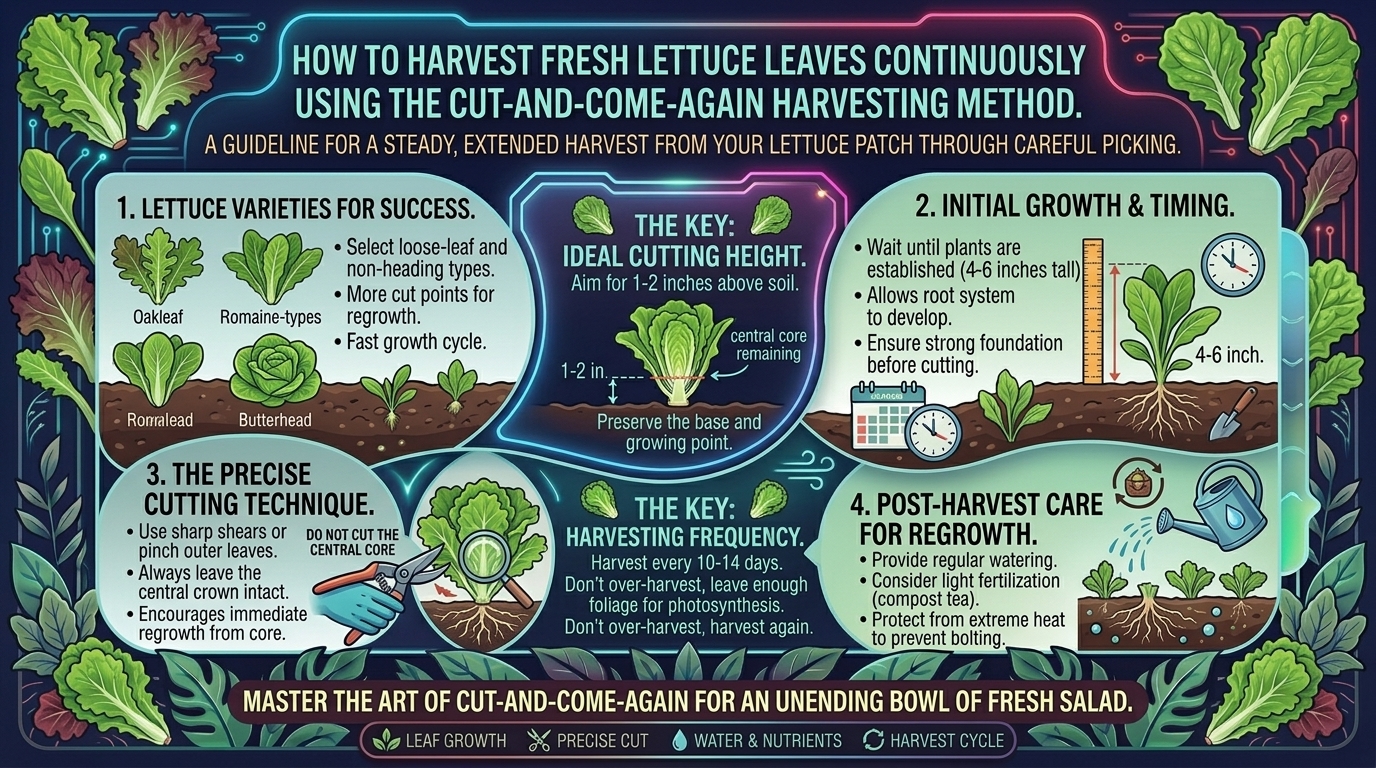
- Why It Works: Bell peppers have relatively broad, open canopies when young. Planting fast-growing, cool-season greens like spinach or loose-leaf lettuce underneath your peppers acts as a living mulch. They shade the soil surface, keep moisture locked in, and suppress weeds before your peppers grow large enough to shade the ground themselves.
- Spacing: Plant tightly beneath young pepper plants; harvest them as the pepper plants mature and expand.
5. Carrots (The Subterranean Space Sharers)
- Why It Works: Carrots grow straight down into the soil, while bell pepper roots occupy a broader, medium-depth zone. Because their root architectures do not overlap, they share soil space peacefully without nutrient competition. Plus, carrots loosen the subsoil as they grow.
- Spacing: Intercrop carrot seeds between pepper plants in a raised bed.
6. Nasturtiums (The Trap Crop)
- Why It Works: Nasturtiums are gorgeous edible flowers with trailing vines. Aphids love nasturtiums—so much so that they will swarm the nasturtiums instead of your prized bell peppers. Acting as a “trap crop,” nasturtiums lure pests away while attracting beneficial ladybugs and parasitic wasps.
- Spacing: Plant nasturtiums at the base of large pepper containers or along the edges of garden beds.
7. Dill or Cilantro (The Pollinator Magnets)
- Why It Works: Bell pepper flowers must be pollinated by bees, wind, or gentle shaking to set fruit. Allowing dill or cilantro to bolt and produce umbrella-like flower heads attracts a massive army of beneficial predatory insects, hoverflies, and native bees to your garden.
- Spacing: Scatter a few dill seeds around the outer boundaries of your pepper patch.
4. Plants to STRICTLY Avoid Near Bell Peppers (Bad Companions)
Just as some plants boost your harvest, others actively sabotage it. Avoid planting these near your bell peppers:
- Fennel: Fennel is the ultimate loner in the garden. It secretes allelopathic chemical compounds from its roots that stunt the growth of almost all neighboring vegetables, especially peppers and tomatoes.
- Kohlrabi and Brassicas (Cabbage, Broccoli, Kale): Heavy feeders that compete aggressively with peppers for soil nutrients and moisture, often attracting cabbage worms that can overwhelm neighboring beds.
- Tomatoes (In Tight Spaces): While tomatoes and peppers belong to the same nightshade family, planting them too closely together in small containers invites shared fungal diseases (like blight) and doubles pest pressure. If grown together, give them plenty of breathing room.
5. Designing Your Companion Pepper Patch Layout
A well-designed companion patch ensures every plant receives maximum sunlight and airflow:
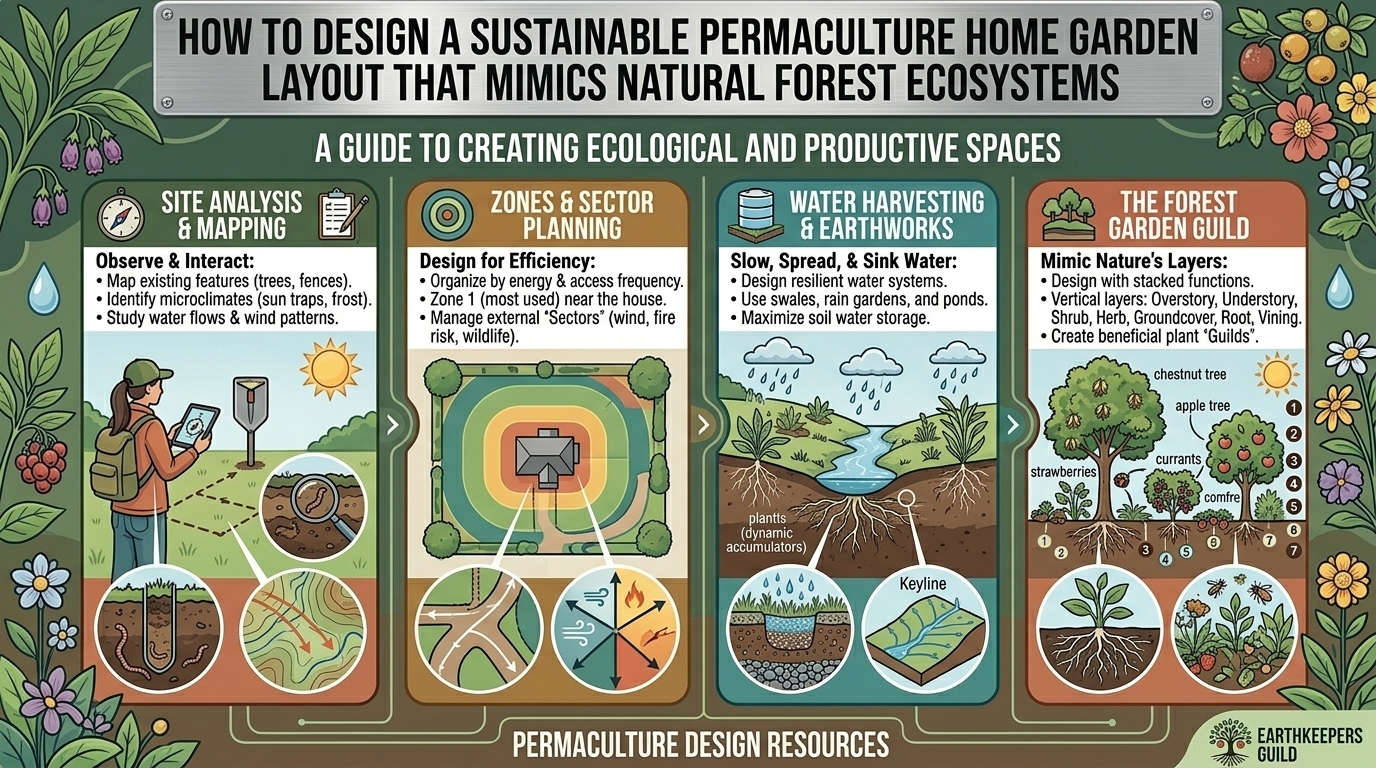
- Center Stage: Place your bell pepper plants in the center or back rows (if against a wall) where they receive the most direct sunlight.
- Mid-Layer: Surround peppers with companion herbs like basil and parsley.
- Outer Rim: Line the absolute perimeter with marigolds, garlic, or chives to establish an aromatic barrier against crawling and flying pests.
6. Building the Ideal Organic Soil Base for Heavy Yields
Bell peppers are heavy feeders. To support a massive harvest, your organic soil base must be rich, nutrient-dense, and well-aerated.
The Ultimate Pepper Soil Formula:
- Aged Compost (40%): Provides a steady baseline of slow-release nitrogen, phosphorus, and living microbes.
- Coconut Coir (40%): Retains vital moisture during hot summer afternoons without waterlogging.
- Perlite or Pumice (20%): Ensures oxygen reaches expanding root tips, preventing root rot.
- Mineral Boosters: Mix in a cup of bone meal (for phosphorus, crucial for heavy flowering and fruiting) and a handful of worm castings at planting time.
7. Regional Planting Adjustments (TX, NY, CA, WA, SF)
Climate heavily influences how your companion pepper patch performs:
Texas (Beating the Summer Heat)
- Adjustment: When Texas temperatures spike above 95°F, bell pepper flowers can drop off without setting fruit. Use a 30% shade cloth during peak afternoon hours and pair your peppers with heat-tolerant basil and marigolds to keep soil cool.
New York (Maximizing Short Summer Windows)
- Adjustment: Start your pepper seeds indoors under grow lights 8 weeks before the last frost. Surround them with basil and chives once moved outdoors to maximize growth during NY’s compressed warm summer window.
California (Mediterranean Sunshine Power)
- Adjustment: California sun drives exceptional pepper yields. Pair your peppers with deep-rooted carrots and drip irrigation systems to maintain consistent soil moisture across the bed.
Washington (Navigating Cool, Damp Air)
- Adjustment: Washington’s damp climate can invite fungal leaf issues. Space your peppers and companion herbs wider apart to encourage maximum airflow, and use plenty of perlite in your soil base.
San Francisco (Managing Foggy Microclimates)
- Adjustment: SF’s cool fog can slow down pepper maturation. Position your companion patch in the absolute sunniest, wind-protected microclimate on your patio, using dark containers that absorb daytime heat.
8. Watering, Feeding, and Pollination Maintenance
- Deep, Consistent Watering: Inconsistent watering causes blossom end rot and fruit splitting in bell peppers. Water deeply until it runs out drainage holes, then let the top 2 inches dry out.
- Mid-Season Organic Feeding: When flowers begin opening, top-dress your pepper bed with organic bone meal or kelp meal tea to provide a potassium and phosphorus boost for fruit development.
- Assisting Pollination: If growing in enclosed balcony spaces where bees are scarce, gently shake the main stems of your pepper plants midday to release pollen and ensure heavy fruit set.
9. Pro Tips for Maximizing Pepper Fruit Size and Sweetness
- Pinch the Early Blossom: When your young pepper transplant first starts flowering, pinch off the very first tiny flower bud. This forces the plant to channel its energy into growing a stronger root system and larger bush before it bears weight.
- Let Them Ripen on the Vine: Green bell peppers are simply unripe red, yellow, or orange peppers. If you leave them on the vine longer, they change color, sweeten dramatically, and double their vitamin C content!
- Mulch Heavily: Cover your soil with a 2-inch layer of clean straw to lock in moisture and protect beneficial soil microbes from baking under UV rays.
10. Frequently Asked Questions (10 FAQs)
Q1: Can I plant bell peppers and hot peppers right next to each other?
A: Yes, you can grow them in the same garden, but be aware that if you save seeds from cross-pollinated plants, the next generation’s fruit may carry unusual heat traits. However, current year fruit flavor is never altered by cross-pollination.
Q2: Why are my bell pepper flowers falling off without growing peppers?
A: This is usually caused by extreme temperatures (too hot or too cool), lack of pollination, or irregular watering. Ensure steady moisture and gentle daily shaking of flower stems if bees are scarce.
Q3: Does basil really improve bell pepper growth?
A: Absolutely! Basil repels thrips, whiteflies, and hornworms while sharing identical soil and sunlight preferences, making it the premier companion plant for peppers.
Q4: How many bell pepper plants can I fit in a 5-gallon container?
A: Stick to one bell pepper plant per 5-to-10-gallon container. Crowding multiple pepper plants into a single pot leads to nutrient competition and drastically smaller harvest yields.
Q5: Can I grow marigolds from seeds directly in the pepper bed?
A: Yes. Marigold seeds germinate rapidly. You can scatter marigold seeds around the perimeter of your pepper bed at the same time you transplant your pepper seedlings.
Q6: Do companion plants replace the need for organic fertilizer?
A: No. While companions deter pests and improve soil biology, bell peppers are heavy feeders that still require nutrient-rich compost, bone meal, and organic amendments to support heavy fruit production.
Q7: Why are my bell pepper fruits staying small and stunted?
A: Stunted fruit is typically caused by an undersized container, lack of direct sunlight, nitrogen deficiency, or irregular watering. Ensure at least 6 to 8 hours of sun and rich organic soil.
Q8: Will planting garlic near peppers affect the pepper’s taste?
A: No. Garlic emits sulfur compounds into the soil and air to deter pests and suppress fungi, but it does not transfer garlic flavor into the flesh of neighboring bell peppers.
Q9: Can I reuse my organic soil mix after a bell pepper harvest?
A: Yes! Dump your container soil into a wheelbarrow, remove old roots, and mix in 50% fresh compost and organic amendments to restore lost nutrients before planting next season.
Q10: How do I know when a bell pepper is fully ripe and ready to harvest?
A: A ripe bell pepper will have reached full size, feel firm and glossy, and show its mature color (red, yellow, orange, or purple). Use clean snips or shears to cut the stem; never yank or pull the fruit off by hand.
Conclusion
By introducing smart companion plants like basil, marigolds, chives, and spinach alongside your bell peppers, you transform your garden from a vulnerable monoculture into a thriving, self-defending ecosystem. These powerful botanical partners deter destructive pests, attract vital pollinators, suppress soil pathogens, and optimize root zones—guaranteeing a massive, high-quality harvest of sweet, crisp bell peppers.