How to Harvest Fresh Lettuce Leaves Continuously Using the Cut-and-Come-Again Harvesting Method
There are few gardening triumphs as satisfying as walking out to your backyard patch, container garden, or urban balcony with a kitchen bowl and harvesting a crisp, vibrant salad minutes before dinner. Store-bought lettuce often arrives wilted, travels hundreds of miles in refrigerated trucks, and loses its vital nutritional value long before it reaches your plate. Growing your own lettuce changes everything—and mastering a specific harvesting technique unlocks a nearly endless supply of greens.
For gardeners growing anywhere from the warm, expansive landscapes of Texas to bustling urban terraces in New York, sun-kissed patios in California, the damp, cool microclimates of Washington, or the foggy, breezy hills of San Francisco, maximizing your harvest is all about efficiency.
The ultimate secret weapon for maximizing yield from a compact space is the “cut-and-come-again” harvesting method. Instead of ripping up an entire lettuce head by the roots, this technique allows you to continually shear outer leaves while leaving the core alive and healthy to push out brand-new growth week after week.
This comprehensive guide covers everything you need to know to establish, nurture, and continuously harvest organic lettuce using natural organic soils and smart harvesting mechanics.
Table of Contents
- Introduction to Continuous Lettuce Harvesting
- What Is the Cut-and-Come-Again Method?
- Choosing the Right Lettuce Varieties for Continuous Yield
- Building the Ideal Organic Soil Base for Rapid Regeneration
- Step-by-Step Guide: How to Execute the Cut-and-Come-Again Technique
- Watering, Feeding, and Plant Recovery Cycles
- Regional Growing and Harvesting Adjustments (TX, NY, CA, WA, SF)
- Preventing Bitterness and Bolting
- Pro Tips for Maximizing Leaf Production
- Frequently Asked Questions (10 FAQs)
- Conclusion
1. Introduction to Continuous Lettuce Harvesting
Traditional commercial farming harvests lettuce all at once: a machine or worker cuts the entire head at soil level, packaging it for distribution while terminating the plant’s life cycle. In a home garden, however, this all-or-nothing approach severely limits your harvest window.
When you treat lettuce as a perennial-style crop through the cut-and-come-again method, you unlock a continuous biological feedback loop. As long as you leave the plant’s central growing crown intact, each harvest triggers the plant’s survival instinct, prompting it to push energy upward into rapid, fresh foliage regeneration.
2. What Is the Cut-and-Come-Again Method?
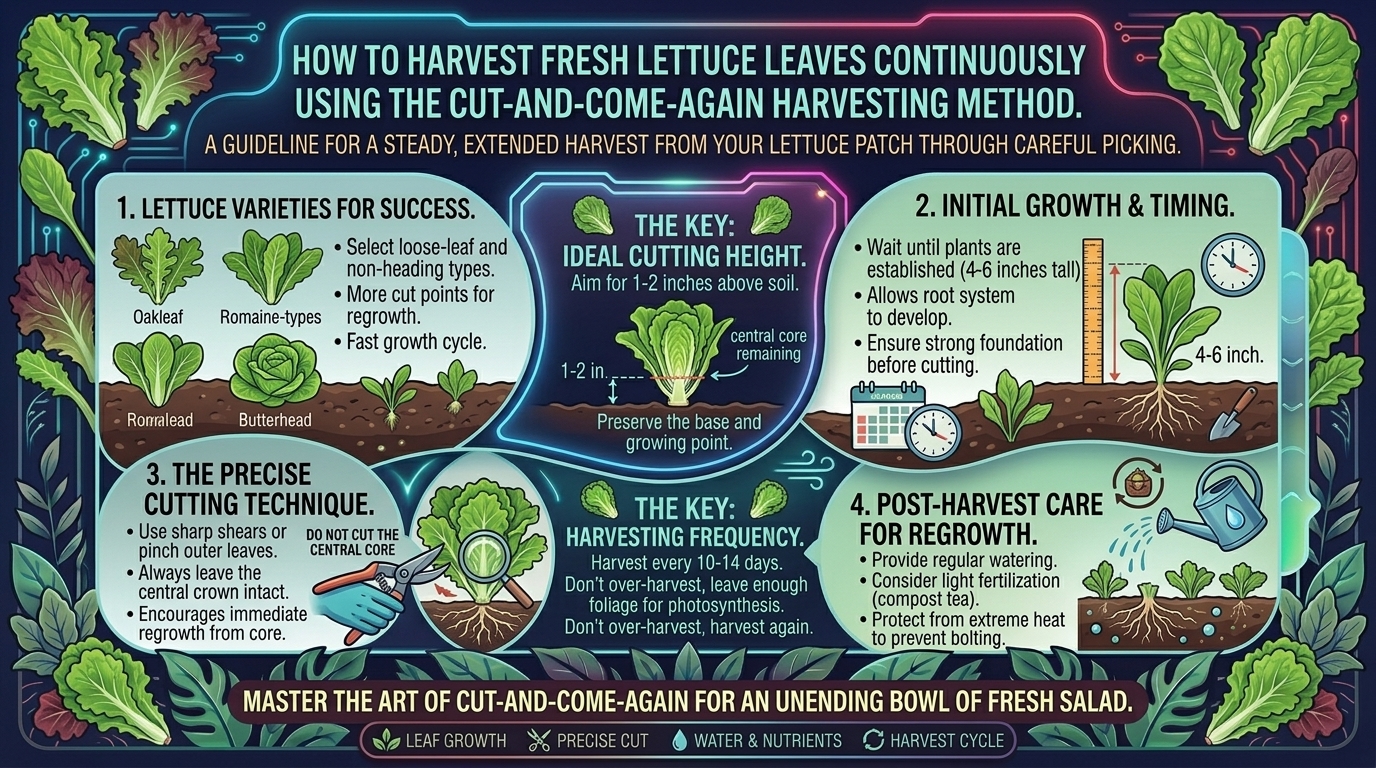
The cut-and-come-again method is a selective harvesting strategy where you clip only the outer, mature leaves of loose-leaf, romaine, or multi-blade lettuce varieties, leaving the inner core and baby leaves untouched.
Why This Method Works:
- Preserved Growth Center: The plant’s meristem (the growing point located at the very center base of the plant) is never damaged.
- Prolonged Lifespan: Instead of harvesting a plant once and throwing it away, a single lettuce plant can yield continuous harvests for 2 to 3 months before eventually tiring out.
- Maximized Space Efficiency: Perfect for container gardeners and small raised beds where square footage is at a premium.
3. Choosing the Right Lettuce Varieties for Continuous Yield
Not all lettuce plants behave the same way under harvesting shears. Selecting loose-leaf or bunching cultivars guarantees success, whereas tight head-forming varieties (like standard Iceberg) are poor candidates for this technique.
- Black Seeded Simpson: A classic, bright green heirloom loose-leaf variety with frilled leaves that tolerate mild warmth and bounce back rapidly after cutting.
- Red Salad Bowl: Features deeply lobed, striking burgundy-red leaves that add color and crunch to salads, with exceptional resistance to bitterness.
- Lollo Rosso: A stunning Italian loose-leaf lettuce with tightly curled, fan-shaped red and green leaves that look gorgeous in container gardens.
- Oakleaf (Green and Red): Named for its distinctive oak-tree-shaped leaves, this variety offers a tender, sweet flavor profile and excellent regrowth capacity.
- Mesclun / Salad Mix Blends: A multi-seed mix of various loose-leaf cultivars that can be sheared en masse like a mini lawn, regrowing multiple times.
4. Building the Ideal Organic Soil Base for Rapid Regeneration
Because plants subjected to the cut-and-come-again method are constantly forced to push out new leaves, they require a high volume of accessible nutrients and moisture. Depleted soil results in slow regrowth and bitter, tough leaves.
The Ultimate Organic Lettuce Soil Formula:
- Rich Organic Compost (40%): Provides a steady, slow-release stream of nitrogen, which is the primary nutrient driving green leaf production.
- Coconut Coir (40%): Retains vital moisture so the shallow roots never experience drought stress.
- Perlite (20%): Ensures oxygen circulates freely around delicate root systems, preventing waterlogging and root rot.
- Organic Boosters: Mix in a handful of worm castings or blood meal at planting time to give young lettuce roots an immediate nitrogen-rich boost.
5. Step-by-Step Guide: How to Execute the Cut-and-Come-Again Technique
Executing this method correctly ensures your plants heal quickly and produce clean, unblemished leaves.
- Wait Until Plants Reach Maturity: Let your lettuce seedlings grow until they are roughly 4 to 6 inches tall before making your first harvest. Never harvest tiny, fragile seedlings.
- Target the Outer Leaves First: Always select the oldest, largest outer leaves resting near the bottom of the plant. These leaves receive the least sunlight and are ready for the kitchen.
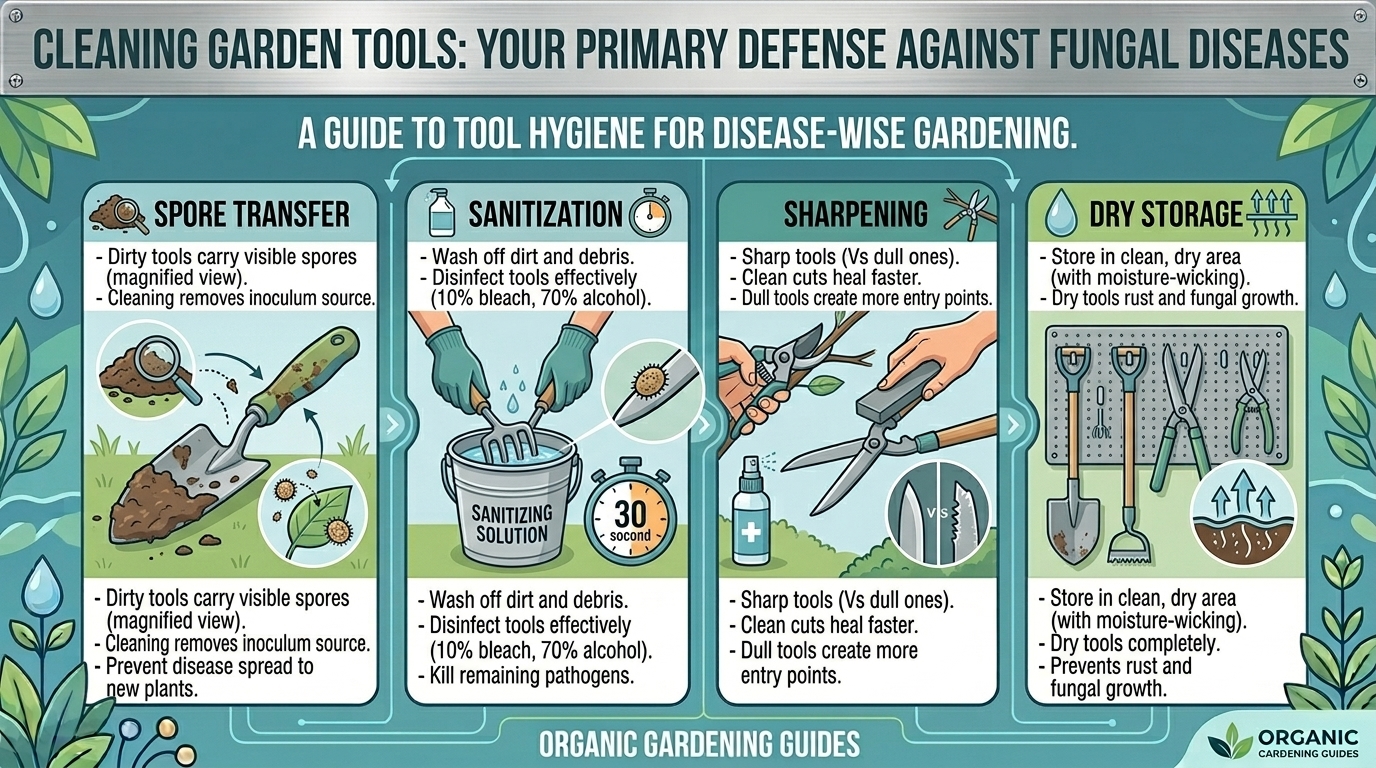
- Use Clean Snips or Scissors: Never rip or tear lettuce leaves by hand, as ragged tearing damages the main stem and invites bacterial rot. Use clean, sharp kitchen shears or bypass pruners to snip the leaf stem cleanly about 1 inch away from the main base.
- Leave the Center Alone: Crucial Step: Never cut into or damage the inner core (the “heart”) of the lettuce plant where new leaves are tightly unfurling.
- Allow Recovery Time: Once harvested, allow the plant 7 to 10 days of rest, sunlight, and moisture to push out a brand-new flush of inner leaves before your next harvest.
6. Watering, Feeding, and Plant Recovery Cycles
Lettuce is roughly 95% water, meaning its crisp texture depends entirely on consistent hydration.
- Shallow Root Management: Lettuce has a very shallow root system restricted to the top 3 to 4 inches of soil. This means the soil surface dries out rapidly. Water your lettuce beds or containers frequently, keeping the soil evenly damp like a wrung-out sponge.
- Liquid Organic Feeding: Because you are repeatedly harvesting leaves, your plants burn through soil nutrients quickly. Every 3 weeks, feed your container or raised bed plants with an organic liquid fertilizer like kelp meal tea or fish emulsion.
- The Plant Retirement Cycle: Even with perfect care, individual lettuce plants eventually exhaust themselves after 8 to 12 weeks of continuous harvesting, often thickening their stems and preparing to flower. When this happens, pull the old plant out, add it to your compost bin, and replace it with a fresh seedling.
7. Regional Growing and Harvesting Adjustments (TX, NY, CA, WA, SF)
Climate variations dictate how long your lettuce patch will thrive before heat or weather interrupts your harvest.
Texas (Beating the Heat)
- The Challenge: Scorching southern heat causes lettuce to bolt (go to seed and turn intensely bitter) overnight.
- The Solution: Grow lettuce during Texas’s cooler autumn, winter, and early spring windows. During warm spells, position containers under 40% shade cloth and water daily to keep soil cool.
New York (Balancing Spring and Fall Windows)
- The Challenge: Freezing winters and humid summers bracket a glorious spring and autumn growing window.
- The Solution: Plant cool-season loose-leaf varieties in early spring for months of continuous cut-and-come-again harvesting, replanting a fresh batch in late August for an abundant autumn crop.
California (Mediterranean Growing Continuity)
- The Challenge: Abundant sunshine keeps plants growing rapidly, but dry conditions require vigilance with moisture.
- The Solution: Pair rich coconut-coir soil bases with morning drip irrigation. The steady Mediterranean sun yields phenomenal, rapid leaf regeneration.
Washington (Maximizing Overcast Growth)
- The Challenge: Cool, damp conditions slow down soil evaporation and invite slugs.
- The Solution: Ensure your soil mix contains ample perlite for drainage. Elevate containers onto plant stands to keep leaves away from damp ground and deter slugs.
San Francisco (The Ultimate Lettuce Haven)
- The Challenge: Cool marine fog and mild year-round temperatures.
- The Solution: San Francisco’s climate is arguably the best in the country for growing lettuce. Because it rarely gets scorching hot, loose-leaf varieties thrive indefinitely, allowing for continuous cut-and-come-again harvesting nearly year-round!
8. Preventing Bitterness and Bolting
Nothing ruins a fresh salad faster than bitter, milky, unpalatable lettuce leaves.
- What Causes Bitterness? When lettuce experiences drought stress, high temperatures, or prolonged daylight (summer photoperiods), it undergoes bolting—shifting its energy from making sweet leaves to flowering and producing bitter latex sap as a defense mechanism.
- How to Prevent It:
- Keep soil consistently moist at all times.
- Provide afternoon shade during warm weather.
- Harvest leaves early in the morning when sugar concentrations in the plant are at their peak.
9. Pro Tips for Maximizing Leaf Production
- Staggered Planting (Succession Planting): Do not plant all your lettuce seeds at once. Plant a small batch of seeds every 2 weeks. This ensures a rolling, continuous supply of young, vigorous plants rather than an overwhelming glut of greens all at once.
- Morning Harvests: Always harvest your lettuce leaves in the early morning before the sun heats up the garden. Morning leaves are fully hydrated, crisp, and bursting with sugar and moisture.
- Mulch the Soil Surface: Scatter a light layer of clean straw or shredded leaves across your soil surface around the base of your lettuce plants. This prevents soil from splashing onto the leaves during watering and keeps the root zone cool.
10. Frequently Asked Questions (10 FAQs)
Q1: Can I use the cut-and-come-again method on romaine lettuce heads?
A: Yes! While traditional romaine forms a tight head, you can harvest individual outer leaves from a growing romaine plant just like loose-leaf varieties, though it will not regenerate indefinitely into a full head once the central bud is compromised.
Q2: Why are my regrown lettuce leaves tasting bitter?
A: Bitterness is almost always caused by high temperatures, erratic watering (letting the soil dry out), or the plant starting to bolt. Harvest your greens early in the morning and ensure consistent soil moisture.
Q3: How many times can I harvest from a single lettuce plant?
A: Using the cut-and-come-again method, a healthy loose-leaf lettuce plant can be harvested roughly 4 to 6 times over a 2-to-3-month period before the plant becomes woody and exhausted.
Q4: Should I cut the entire plant down to 1 inch above the soil?
A: No! While some commercial growers practice “mowing” baby greens all at once, home gardeners achieve much better regrowth by selectively snipping only the outer mature leaves while leaving the inner growing core intact.
Q5: Can I grow cut-and-come-again lettuce indoors on a windowsill?
A: Absolutely! Loose-leaf lettuce has shallow root systems and compact growth habits, making it one of the absolute best crops for indoor windowsills or under full-spectrum LED grow lights in containers.
Q6: How do I wash and store harvested lettuce leaves to keep them crisp?
A: Submerge your freshly harvested leaves in a bowl of ice-cold water for 10 minutes to crisp them up, spin them dry in a salad spinner, and store them in an airtight container lined with a damp paper towel in your refrigerator for up to a week.
Q7: What pests commonly attack indoor or outdoor lettuce patches?
A: Slugs, snails, and aphids are the most common culprits. Slugs can be deterred with organic barriers, while aphids can be gently washed off leaves with a strong spray of water or managed with natural companion plantings.
Q8: What is the best spacing when planting lettuce seeds for this method?
A: If planting for loose-leaf harvesting, space your seeds or seedlings about 6 to 8 inches apart in all directions. This gives each individual plant enough room to branch outward and produce lush outer leaves.
Q9: Can I reuse my organic soil mix after a batch of lettuce finishes?
A: Yes! Lettuce roots are very fine and minimal. Dump your used container soil into a wheelbarrow, remove any old root clumps, and mix in 30% fresh compost to restore nitrogen levels before planting your next round of seeds.
Q10: When should I pull out an old lettuce plant and start fresh?
A: When the main stem thickens into a hard, woody stalk several inches tall, leaves become sparse and bitter, and the center begins stretching upward into a flower spike, your plant’s life cycle is complete. Pull it, compost it, and plant a fresh seedling!
Conclusion
Mastering the cut-and-come-again harvesting method transforms your home gardening experience from a seasonal chore into a continuous, rewarding loop of fresh food production. By protecting the central core of your plants, providing a rich organic soil base, keeping moisture consistent, and harvesting outer leaves with care, you unlock a steady supply of crisp, nutrient-dense salad greens right outside your door.