What Are the Best Long-Blooming Summer Perennials to Keep Your Garden Colorful for Months
There is a magical window in gardening when spring bulbs fade, and the intense heat of summer begins to test the endurance of your landscape. During this transition, many traditional garden flowers bow out, leaving behind tired foliage and empty gaps in your borders. But an exceptional class of plants exists to defy this seasonal slowdown: long-blooming summer perennials.
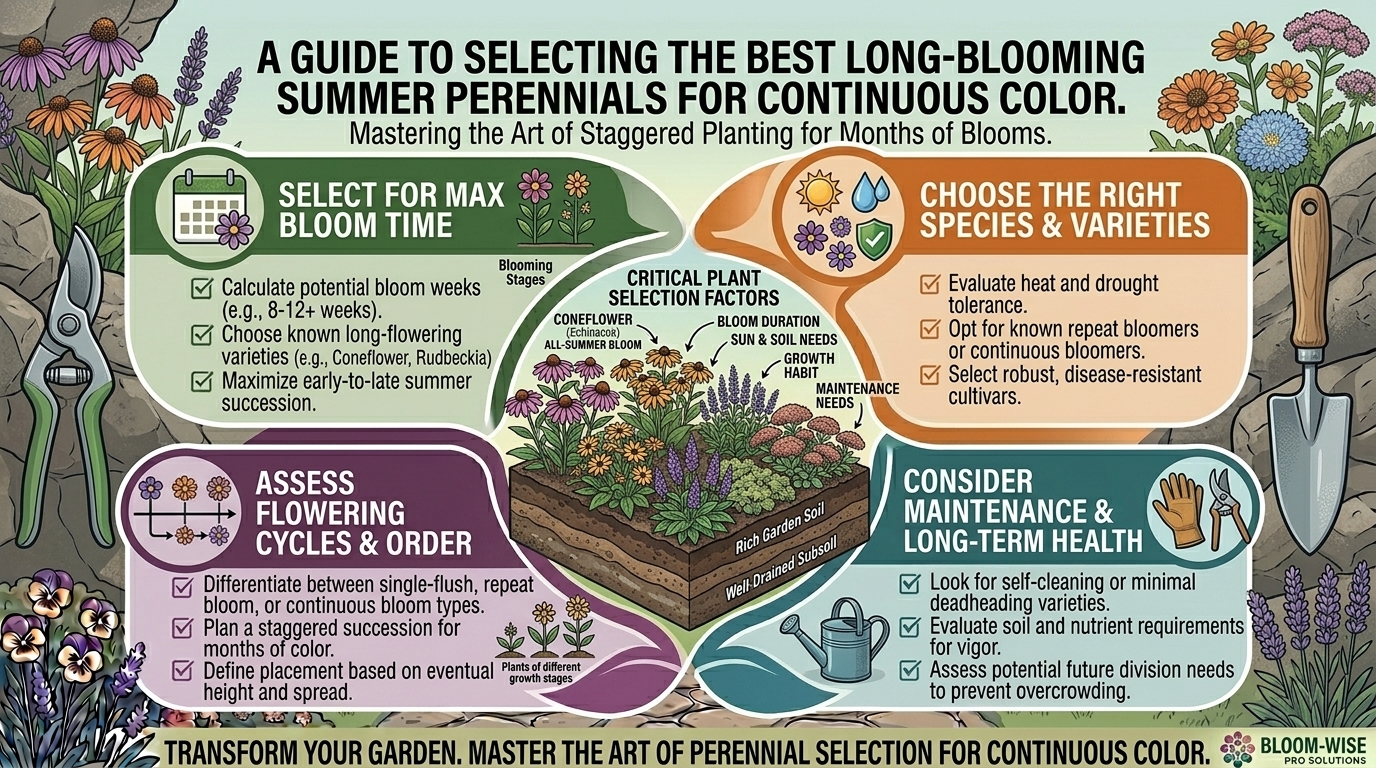
Unlike annuals that must be replanted every year, or short-lived perennials that flash a quick two-week color show and disappear, true long-blooming perennials keep your garden vibrant, textured, and alive with pollinators from early summer straight through the autumn frosts.
Whether you are gardening under the blazing sun of Texas, managing the intense microclimates of New York, working with the Mediterranean rhythms of California, embracing the moisture-rich coastal air of Washington, or curating an urban oasis in San Francisco, choosing the right long-blooming perennials transforms a high-maintenance yard into a resilient, self-sustaining paradise.
In this comprehensive guide, we will explore the absolute best long-blooming summer perennials, regional strategies for success across diverse American landscapes, professional maintenance tips, and answers to your most pressing gardening questions.
1. Top Powerhouse Perennials for Non-Stop Summer Color
To achieve continuous color, you need botanical workhorses. These selections are chosen for their extended bloom windows, resilience, and heavy impact on garden design.
Coneflower (Echinacea purpurea)
- Bloom Window: Early summer to mid-fall
- Ideal Zones: 3–9
- Why It Shines: Coneflowers are the undisputed champions of the summer garden. Traditional varieties display bright pink and purple petals framing a prominent, coppery-orange cone, but modern cultivars expand the palette into fiery oranges, crisp whites, sunny yellows, and deep raspberries. They tolerate poor soil and drought with ease once established.
Black-Eyed Susan (Rudbeckia fulgida)
- Bloom Window: Mid-summer to late autumn
- Ideal Zones: 3–9
- Why It Shines: Nothing captures the golden optimism of summer quite like Rudbeckia. Varieties like Goldsturm produce masses of golden-yellow, daisy-like flowers with contrasting dark centers. They form dense, attractive clumps that crowd out weeds and stand up fiercely to summer storms.
Meadow Sage (Salvia spp.)
- Bloom Window: Late spring straight through frost (with deadheading)
- Ideal Zones: 4–9
- Why It Shines: Salvias offer rich vertical spikes of indigo, violet, deep purple, or rose-pink flowers. Beyond their striking color contrast against round-leaved plants, their aromatic foliage repels deer and rabbits while acting as a magnet for hummingbirds and bumblebees. Shear them back by half after their first heavy flush in July to trigger a massive secondary bloom cycle in late summer.
Blanket Flower (Gaillardia)
- Bloom Window: Early summer to first frost
- Ideal Zones: 3–10
- Why It Shines: If you want relentless color under baking sun and dry conditions, Gaillardia is unmatched. Their brilliant bicolored blooms of rust-red, peach, and bright yellow look like miniature sunbursts. They require almost no supplemental fertilizer and thrive on neglect.
Tickseed (Coreopsis)
- Bloom Window: Early summer to early autumn
- Ideal Zones: 4–9
- Why It Shines: Coreopsis delivers airy clouds of golden, yellow, or bronze flowers that sway gracefully in the summer breeze. Cultivars like Coreopsis verticillata feature fine, needle-like foliage that adds wonderful texture to perennial borders before a single flower even opens.
2. Regional Adaptation: Tailoring Your Perennials to Your Climate
Plant performance varies dramatically depending on regional humidity, winter chill, and summer temperatures. Here is how to adapt these long-blooming powerhouses to major geographic hubs:
Texas Gardens (Extreme Heat & Humidity)
Texas summers demand absolute toughness. Intensely high temperatures and humidity will scorch delicate plants.
- Top Choices: Look to Lantana (often grown as a perennial in the south), Mealycup Sage (Salvia farinacea), Purple Coneflower, and Firebush (Hamelia patens).
- Pro Tip: Ensure your soil is amended with organic matter to retain vital moisture, but guarantee proper drainage to avoid root rot during sudden heavy tropical downpours. Drip irrigation is ideal for keeping foliage dry and minimizing fungal diseases.
New York Gardens (Four Distinct Seasons)
New York landscapes experience freezing winters, warm humid summers, and gorgeous autumns. Perennials here must be reliably cold-hardy while handling summer humidity.
- Top Choices: Black-Eyed Susan, Russian Sage (Perovskia atriplicifolia), Sedum (Autumn Joy), and perennial Asters.
- Pro Tip: Cut back dead top growth in late winter or early spring, and apply a 2-inch layer of organic mulch around the base to protect root crowns from freeze-thaw cycles.
California Gardens (Mediterranean Dry-Summer Climates)
From Southern California down to the coast and valleys, water conservation is paramount. California gardens thrive with drought-tolerant, deep-rooting perennials.
- Top Choices: Yarrow (Achillea millefolium), California Fuchsia (Epilobium canum), Penstemon, and Lavender.
- Pro Tip: Plant during the fall or winter rainy season to allow root systems to establish deeply before the dry summer drought hits. Utilize smart-watering schedules that encourage deep, infrequent soaking.
Washington Gardens (Pacific Northwest Moisture & Mild Summers)
Washington offers cooler summer temperatures, high winter rainfall, and rich soils. While things grow lushly here, powdery mildew and slug pressures require careful plant placement.
- Top Choices: Hardy Geraniums (Cranesbill), Japanese Anemones, Campanula (Bellflowers), and Alchemilla mollis (Lady’s Mantle).
- Pro Tip: Give plants plenty of spacing to maximize air circulation. Avoid overhead watering in the evening to keep fungal leaf spots at bay.
San Francisco Microclimates (Cool, Foggy, & Coastal)
San Francisco is a patchwork of unique microclimates—blustery and foggy near the ocean, warmer and sunnier in the Mission or interior neighborhoods.
- Top Choices: Erigeron glaucus (Seaside Daisy), Scabiosa (Pincushion Flower), Salvia ‘Amistad’, and robust coastal grasses paired with long-blooming perennials.
- Pro Tip: Select varieties that tolerate salt spray and maritime winds. Utilize windbreaks or protective fences if gardening on exposed hilltops or coastal slopes.
3. Landscape Design Strategies for Continuous Color
Planting a single cluster of flowers rarely creates a cohesive look. To maximize visual appeal throughout the summer months, apply these professional landscaping principles:
- The Layering Method: Place taller long-bloomers (like Coneflowers and Rudbeckia) at the back or center of your beds, stepping down to mid-sized plants (Salvias, Coreopsis) in the middle, and spilling ground-huggers (like low-growing Sedums or trailing verbenas) along the front borders.
- Color Echoing: Pick a color palette of two or three dominant tones (e.g., deep purples paired with bright yellows) and repeat them rhythmically across different zones of your yard. This tricks the eye into seeing a larger, more unified landscape.
- Foliage Contrast: Long-blooming flowers look even better when contrasted with striking foliage. Pair fine-textured grasses or dark-leafed shrubs next to broad daisy flowers to create visual depth even when a specific plant is resting between bloom cycles.
4. Professional Maintenance Tips for Maximum Blooms
Getting perennials to bloom for months requires managing their energy. Follow this maintenance checklist to keep your garden performing at its peak:
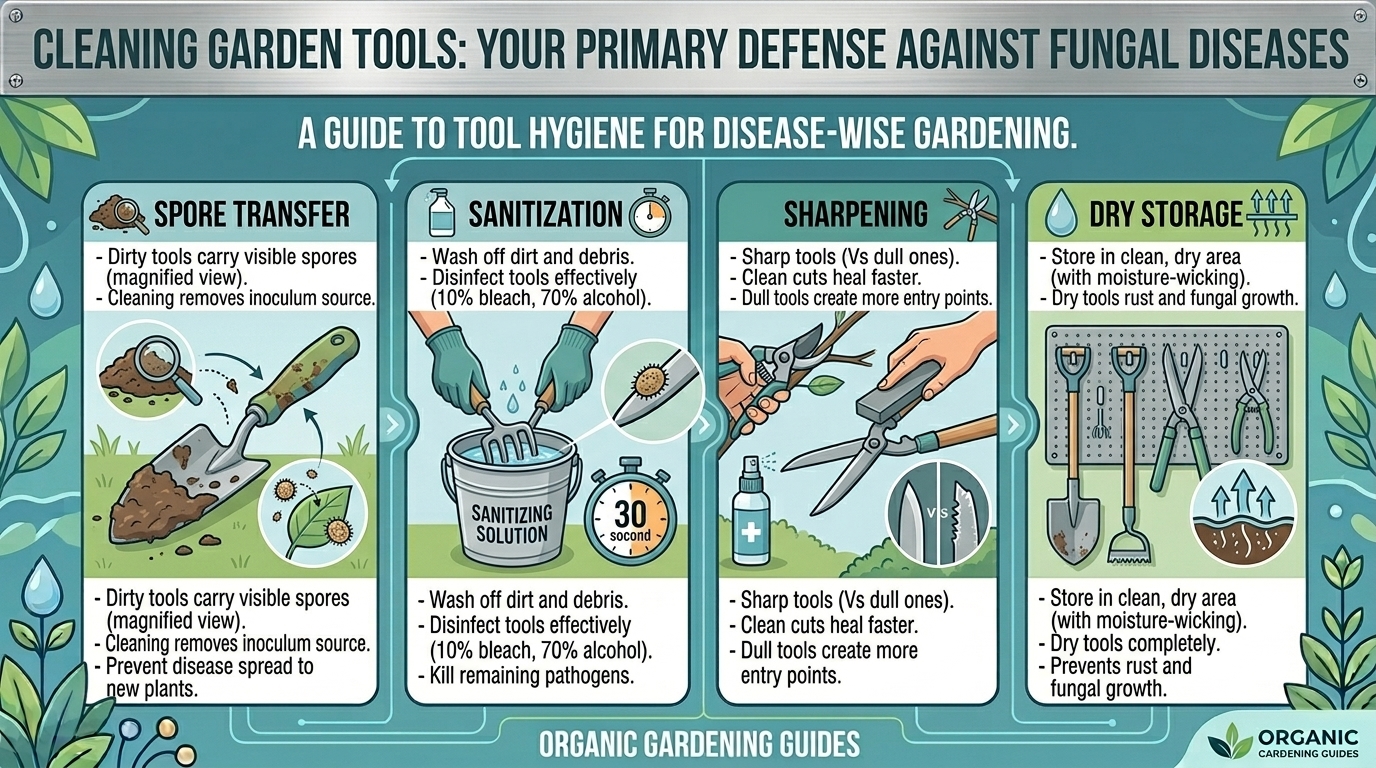
- Deadheading: Remove spent flower heads promptly. This prevents the plant from wasting valuable metabolic energy on seed production, redirecting that energy into pushing out brand-new buds.
- Mid-Summer Shear: For plants like Salvia, Catmint (Nepeta), and coreopsis, use clean garden shears in mid-July to cut the entire plant back by one-third. Water deeply and fertilize lightly; they will flush out with fresh green foliage and bloom heavily again until frost.
- Smart Watering: Water deeply at the base of the plants rather than splashing overhead. Deep watering encourages roots to grow downward rather than staying shallow, making them dramatically more drought-resistant.
- Targeted Feeding: Avoid heavy synthetic nitrogen fertilizers, which cause lush, floppy green growth at the expense of flowers. Instead, work a slow-release organic compost or low-nitrogen, high-phosphorus fertilizer into the soil line in early spring.
5. Frequently Asked Questions (FAQ)
1. What is the absolute longest-blooming perennial for summer?
Hardy geraniums (Cranesbill) and specific varieties of Salvia (such as Salvia ‘Hot Lips’ or Indigo Spires) are widely considered the longest-blooming perennials, often flowering continuously from late spring right up until hard winter freezes if deadheaded regularly.
2. Do long-blooming perennials require full sun?
Most heavy summer bloomers require full sun—meaning a minimum of 6 to 8 hours of direct sunlight daily—to produce abundant flowers. However, shade-tolerant long-bloomers like hardy fuchsias and certain anemones thrive in partial or dappled shade.
3. How do I prepare my garden soil for summer perennials?
Start by clearing weeds and mixing a 2-to-3-inch layer of rich organic compost into the topsoil. Good drainage is universally critical; heavy clay soils should be amended with coarse sand or organic matter to prevent waterlogging during wet seasons.
4. Can I grow long-blooming perennials successfully in containers?
Yes! Compact selections of coreopsis, echinacea, and salvia perform wonderfully in large containers (at least 12–16 inches wide) provided they have excellent drainage holes, high-quality potting mix, and consistent watering schedules.
5. Which long-blooming perennials are best for attracting pollinators?
Coneflowers, bee balm (Monarda), salvias, and yarrow are absolute favorites for bees, butterflies, and hummingbirds, providing both nectar resources through the summer and seed heads for songbirds in the autumn.
6. Are long-blooming perennials deer-resistant?
While no plant is 100% deer-proof, species with aromatic foliage or hairy textures—such as Russian sage, lavender, salvias, and coneflowers—are typically bypassed by grazing deer and rabbits.
7. When is the best time to plant perennials?
Spring and autumn are the prime planting seasons across most climate zones. Fall planting allows roots to establish in cool, damp soil without summer heat stress, while spring planting gives plants the benefit of a full growing season ahead.
8. How often should I divide my long-blooming perennials?
Most vigorous perennials benefit from being dug up and divided every 3 to 4 years in early spring or fall. This prevents overcrowding, rejuvenates aging centers, and gives you free plants to expand your garden or share with neighbors.
9. Why is my perennial growing plenty of leaves but no flowers?
This is almost always caused by too much shade, excessive nitrogen fertilizer, or lack of proper pruning. Ensure your plant is receiving enough direct sunlight and dial back high-nitrogen inputs.
10. How do I protect my summer perennials during winter dormancy?
Most established perennials survive winter underground. Cut back dead perennial stems to about 2 inches above the soil line in late winter, and apply a protective layer of shredded bark mulch or straw to insulate the root crown against extreme temperature fluctuations.
Conclusion
Creating a vibrant, colorful landscape that lasts all summer long does not require endless hours of replanting annuals or battling failing plants. By carefully selecting resilient, long-blooming perennials tailored to your specific regional climate—whether you are gardening in the warmth of Texas, the variable seasons of New York, the dry warmth of California, the lush environment of Washington, or the cool coastal air of San Francisco—you build a resilient ecosystem that gets better and more beautiful year after year.