Every morning, millions of households brew a fresh cup of coffee, leaving behind a dark, fragrant mound of wet grounds in the filter. For the eco-conscious plant parent—whether you are tending a lush urban jungle in a New York City apartment, nurturing a collection of tropical foliage in San Francisco, caring for a sunroom collection in Austin, Texas, or managing houseplants in Seattle—it is tempting to dump those leftover grounds straight into your potted plants as a “free, natural organic fertilizer.”
It sounds like the ultimate sustainable life hack: recycling your daily caffeine ritual to feed your indoor monsteras, pothos, and ferns.
However, before you spoon another scoop of wet coffee grounds onto your indoor houseplants, there is a major catch. While coffee grounds are organic and rich in nitrogen, using them incorrectly in an indoor potted plant can actually stunt growth, invite mold, and severely damage your plants.
This comprehensive, expert-backed guide breaks down the science of coffee grounds, the hidden risks of using them directly in indoor pots, and the safe, proven ways you can harness them for your indoor foliage.
1. What’s Inside Coffee Grounds? (The Nutrient Profile)
To understand why coffee grounds are both praised and criticized in gardening, we have to look at what they contain:
- Nitrogen (N): Used coffee grounds contain roughly 2% nitrogen by weight. Nitrogen is the primary macronutrient responsible for lush, vibrant green foliage growth.
- Organic Matter: They add texture and organic carbon once broken down.
- Trace Minerals: Small amounts of potassium, phosphorus, calcium, and magnesium.
- Caffeine and Tannins: Natural chemical compounds that plants produce to deter pests and suppress competing vegetation in nature.
At first glance, this sounds like an ideal plant food. So why do horticulturists issue warnings about using them indoors?
2. The Hidden Dangers of Putting Coffee Grounds Directly in Indoor Pots
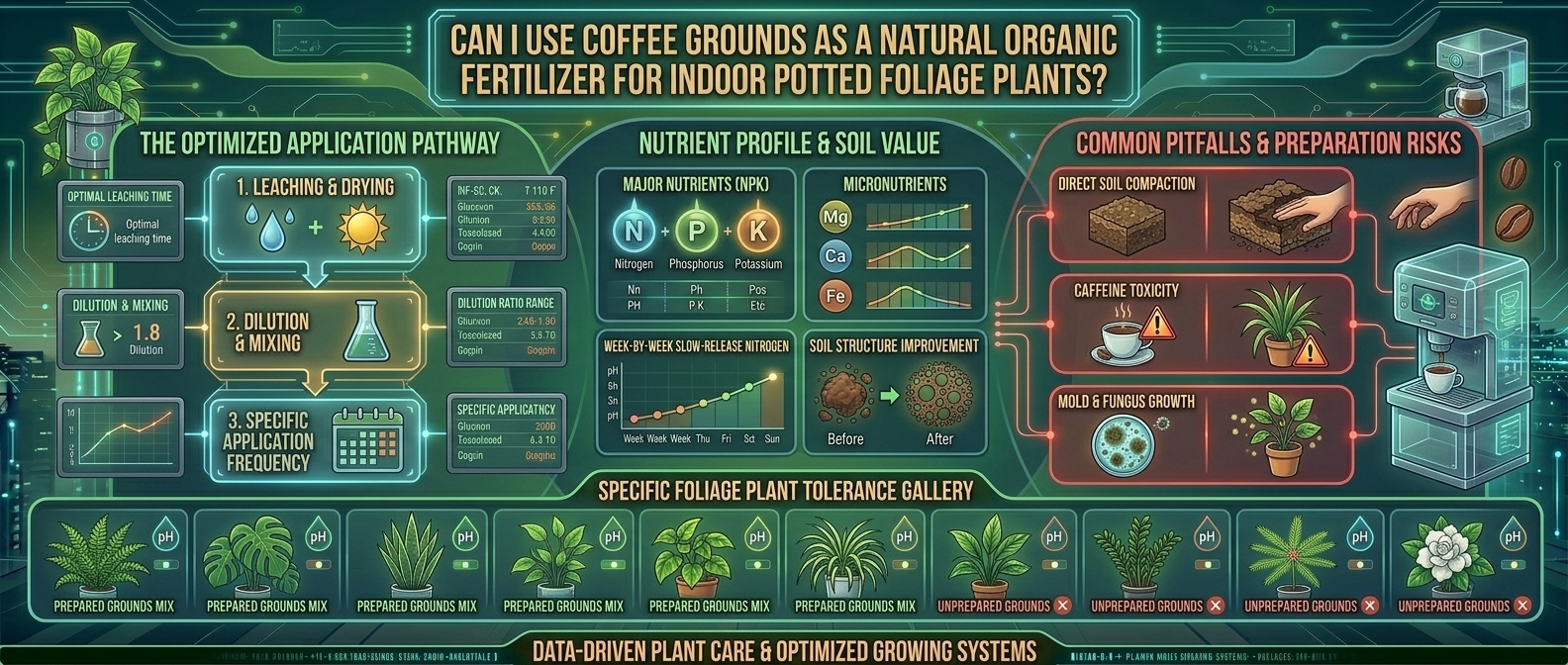
While outdoor garden beds with active earthworms and sprawling microbial ecosystems can eventually process whole coffee grounds, indoor pots are closed, restricted micro-environments. Dumping wet coffee grounds directly onto your indoor potted foliage creates several severe hazards:
A. The Hydrophobic Crust (Suffocating Roots)
When wet coffee grounds dry out on top of a potted plant, they bind together tightly to form a dense, impenetrable crust.
- The Result: This crust acts like a solid plastic shield, blocking air and water from penetrating the potting soil. Your plant’s roots suffocate, and water simply runs down the inside edges of the pot without hydrating the root ball.
B. Extreme Acidity (Is It Actually Acidic?)
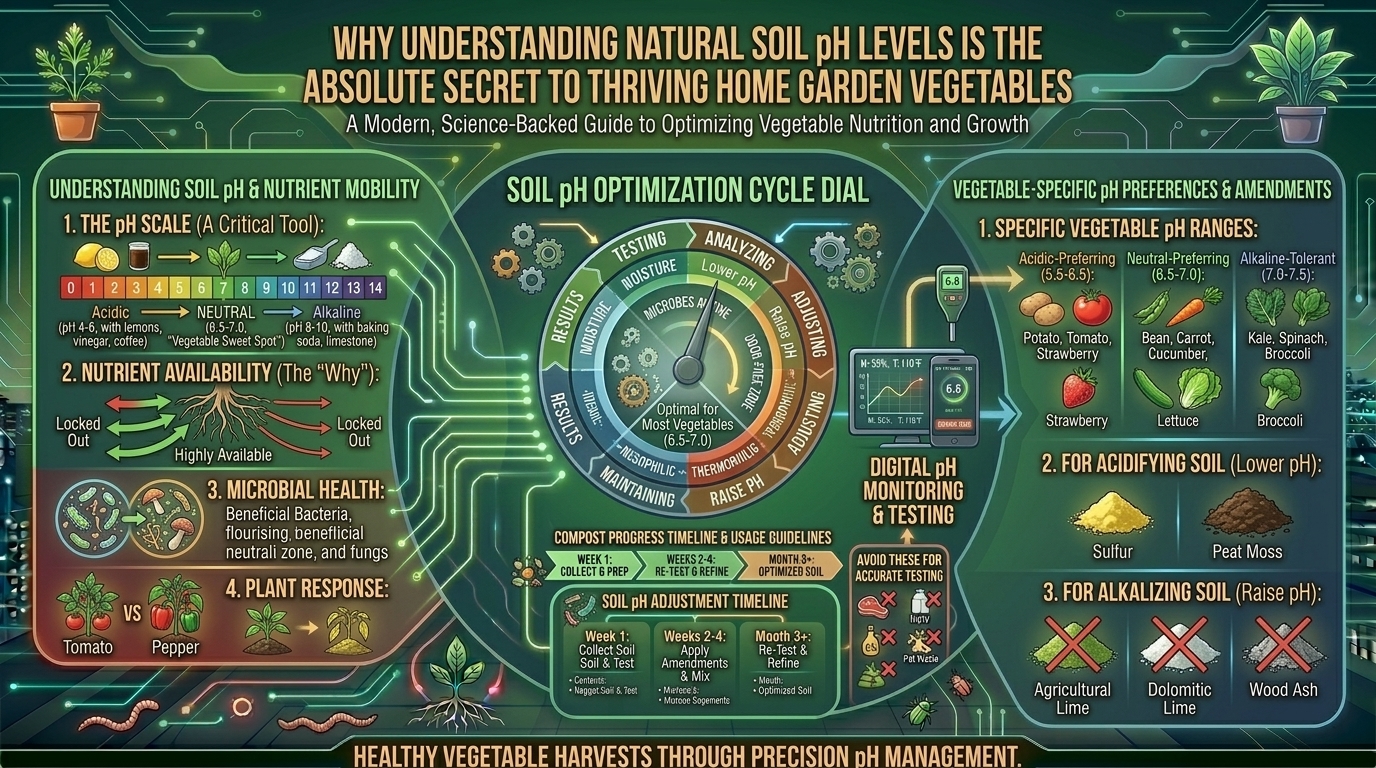
A common gardening myth is that used coffee grounds are fiercely acidic. In reality, the brewing process extracts most of the water-soluble acids, leaving used coffee grounds near-neutral (pH 6.5 to 6.8).
- However, if you apply thick layers of fresh grounds, localized pockets of acidity can form as they begin to break down, which can stress certain indoor plants that prefer neutral soils.
C. Mold, Fungi, and Fungus Gnats
Wet coffee grounds are packed with organic moisture and sugar traces. Placed on top of warm indoor potting soil, they become an absolute breeding ground for saprophytic mold, fungi, and fungus gnats. Within days, white fuzz will cover the grounds, and tiny black flies will hatch out in your living room.
D. Phytotoxicity (Caffeine Stunting Growth)
Coffee evolved to produce caffeine specifically to inhibit the growth of surrounding plants and deter herbivores. Dumping concentrated raw grounds into a small container means your houseplant is sitting in a pool of natural germination- and growth-inhibiting compounds.
3. The Right Ways to Use Coffee Grounds for Indoor Plants
Does this mean you should throw your coffee grounds in the trash? Absolutely not. You just need to change how you use them. Never dump raw, wet grounds directly onto the surface of an indoor pot. Instead, use one of these safe, expert-approved methods:
Method A: Compost Them First (The Gold Standard)
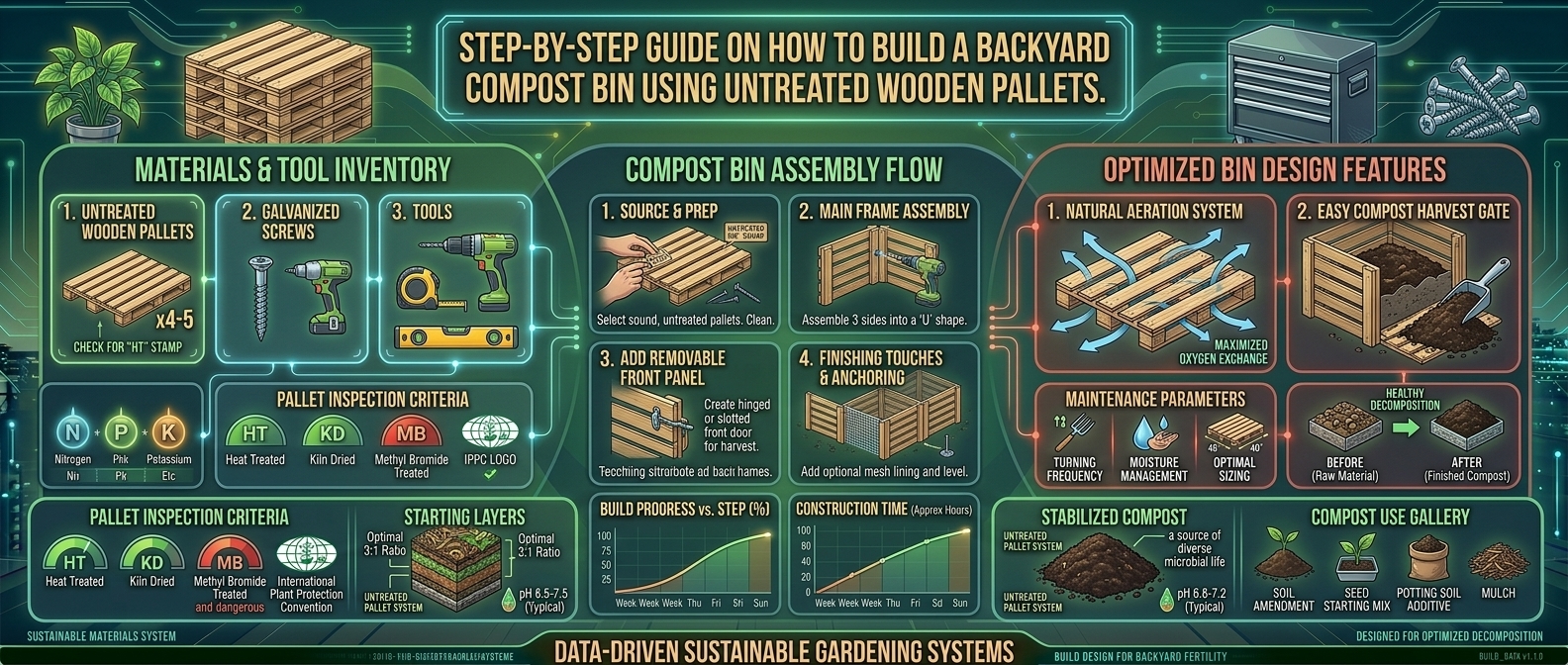
The absolute best way to utilize coffee grounds is to add them to your home compost bin or worm composting (vermicomposting) setup.
- Why it works: Composting breaks down the caffeine, neutralizes any acidity, and transforms the grounds into rich, crumbly humus. Earthworms love coffee grounds. Once fully composted, you can safely mix this black gold into your indoor potting soil.
Method B: Brew “Coffee Tea” (Liquid Organic Nitrogen)
If you want to use the nutrients immediately without risking a moldy crust on your soil, you can brew a diluted liquid fertilizer:
- Take about 1 cup of used coffee grounds and place them in a gallon jug of water.
- Let it steep (brew) for 24 to 48 hours, stirring occasionally.
- Strain the liquid through a fine mesh or cheesecloth to remove all solid grounds.
- Dilute the resulting brown liquid until it looks like weak tea (about a 1:4 ratio with fresh water).
- Water your heavy-feeding indoor foliage plants with this diluted “coffee tea” once a month during spring and summer.
Method C: Bokashi Fermentation
If you use a Bokashi kitchen composting bucket, coffee grounds can be mixed directly in with your daily vegetable scraps, where they ferment safely before being integrated into soil mixes.
4. Which Indoor Plants Love (or Hate) Coffee Nutrients?
If you decide to use diluted coffee tea as a gentle nitrogen boost, keep your specific plant varieties in mind:
- Foliage Plants That Benefit (Acid-Loving or Heavy Nitrogen Users): Tropical foliage plants like Monstera deliciosa, Fiddle-Leaf Figs, Pothos, Ferns, and Philodendrons appreciate a mild nitrogen boost that encourages dark green leaf development.
- Plants to Avoid: Succulents, Cacti, and Mediterranean herbs (like rosemary or lavender) despise excess nitrogen and moisture. Applying coffee-based treatments to succulents will cause weak, stretchy growth and rot.
5. Frequently Asked Questions (FAQ)
1. Can I sprinkle dry coffee grounds on top of my potted houseplants?
No. Even dry coffee grounds will absorb moisture from your watering can or ambient air and quickly clump together into a solid, water-repellent crust that suffocates the plant’s roots and breeds mold.
2. Do coffee grounds repel indoor plant pests like fungus gnats?
No. In fact, doing so often has the exact opposite effect. The decomposing organic matter in wet coffee grounds serves as an ideal food source and breeding ground for fungus gnat larvae.
3. Are used coffee grounds acidic enough to turn hydrangeas blue indoors?
While outdoor gardeners use coffee grounds or sulfur to lower soil pH and shift hydrangea blooms toward blue, doing this effectively in a small indoor potted plant is virtually impossible and usually causes more harm than good to the container ecosystem.
4. How much nitrogen do used coffee grounds actually provide?
Used coffee grounds contain roughly 2% nitrogen, which is considered a low-to-moderate slow-release amount. However, because that nitrogen is locked inside complex organic molecules, plants cannot use it until soil microbes break it down.
5. Can I mix coffee grounds directly into my indoor potting soil before planting?
It is strongly discouraged. Mixing raw, uncomposted coffee grounds directly into pot soil will trigger an active microbial decomposition cycle right against your plant’s roots, consuming available oxygen and nitrogen temporarily (“nitrogen tie-up”).
6. Will brewing coffee destroy the beneficial nutrients?
No. Brewing extracts the water-soluble compounds (like caffeine and some acids), but the bulk of the nitrogen, organic carbon, and trace minerals remain trapped inside the solid coffee grounds, which is why composting or steeping works so well.
7. Is instant coffee powder usable as a plant fertilizer?
Never use instant coffee powder or leftover sweetened/flavored coffee. Instant coffee is highly concentrated, lacks fibrous organic matter, and artificial flavors, sugars, or dairy creamers will instantly rot your soil, attract massive swarms of bugs, and kill your plants.
8. How often can I use diluted coffee tea on my houseplants?
If you choose to use strained, heavily diluted coffee tea, limit applications to once a month during the active growing season (spring and summer). Do not apply it during fall and winter when indoor plants go dormant.
9. Do earthworms in indoor worm bins like coffee grounds?
Yes, Red Wiggler worms adore coffee grounds in moderation! Just ensure the grounds make up no more than 10% to 15% of your worm bin’s total volume so the bin doesn’t become too acidic or dense.
10. What are the best alternative organic fertilizers for indoor potted plants?
Instead of raw kitchen waste like coffee grounds, opt for clean, pre-formulated indoor organic fertilizers such as liquid kelp extract, fish emulsion (odor-filtered varieties), worm casting tea, or slow-release organic granules designed specifically for container gardening.
Conclusion
While recycling your morning coffee grounds into your home garden is a fantastic sustainable goal, dumping raw grounds directly onto your indoor potted foliage plants is a recipe for mold, crusting, and root stress. By respecting the closed nature of indoor pots—and opting instead to compost your grounds, brew a diluted liquid tea, or use commercial organic plant foods—you can safely give your indoor jungle the vibrant green boost it deserves.