Welcome to kcplants, your definitive digital greenhouse and urban gardening hub. Whether you are curating a lush indoor jungle in a high-rise apartment in New York City or San Francisco, managing a bright home in Texas or California, or balancing the crisp, temperate air of Washington, mastering the art of indoor plant styling is one of the most rewarding pursuits for modern plant parents.
Many popular tropical houseplants—such as majestic Monsteras, delicate Calatheas, velvety Alocasias, and sprawling Ferns—originate from lush equatorial rainforests where ambient humidity hovers consistently between 60% and 80%. When brought into our homes, which often feature dry HVAC heating, air conditioning, and arid indoor conditions, these plants frequently suffer from brown leaf tips, crispy edges, and stunted growth.
While individual pebble trays or noisy electronic humidifiers help, the most organic, visually stunning, and effective way to boost humidity is through botanical grouping. By arranging multiple indoor houseplants together strategically, you can engineer a self-sustaining natural microclimate with high humidity.
Below is your exhaustive, master-level guide to building, styling, and maintaining a thriving collective microclimate for your indoor plant collection.
1. The Science of Plant Microclimates: How Grouping Works
To understand why grouping houseplants creates a high-humidity zone, we have to look at plant physiology: a natural process known as transpiration.
Understanding Transpiration
Plants do not absorb water solely to store it; they use water as a transport vehicle to pull essential minerals up from their roots into their leaves. Once that water reaches the leaves, up to 97% of it is released into the surrounding air through microscopic pores called stomata as water vapor.
The Cumulative Effect
When you keep a single houseplant isolated on a wide bookshelf or a wide coffee table, the transpired water vapor quickly diffuses into the larger room’s ambient air, leaving the local humidity around the plant unchanged.
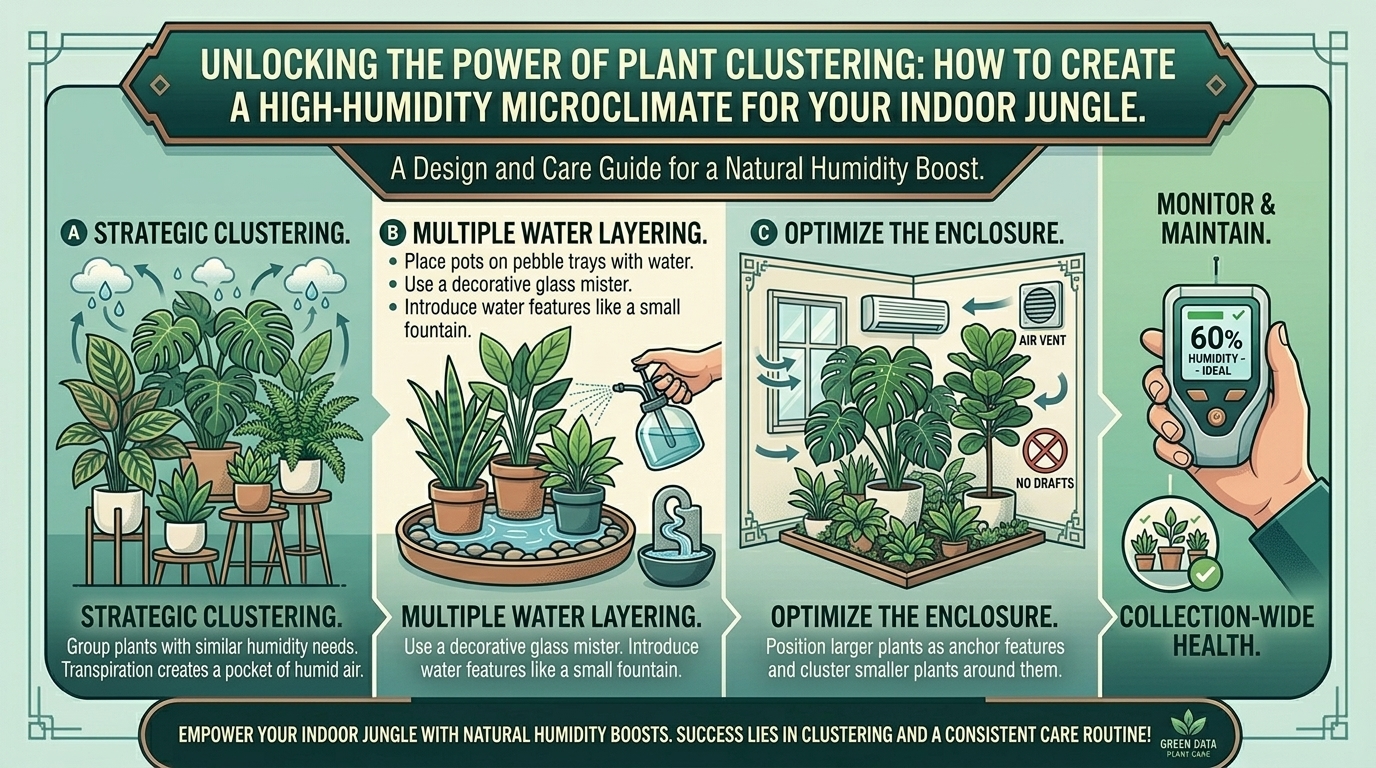
However, when you cluster multiple plants together closely, their cumulative transpiration creates a dense, overlapping canopy of moisture. The air trapped within and immediately above this plant cluster becomes significantly more humid than the rest of the room. In essence, you are building a miniature, indoor tropical rainforest ecosystem right on your tabletop or plant shelf.
2. Regional Climates and Indoor Air: TX, NY, CA, WA, and SF
Your local regional environment heavily dictates how much artificial or natural assistance your plant microclimate needs:
- San Francisco & Washington: Pacific coastal moisture means outdoor humidity is often high, but indoor heating systems during colder months can still strip air of moisture, causing indoor humidity to plummet. Grouping plants in SF and WA helps counter indoor heating dryness naturally.
- New York: New York winters are notorious for dry, radiator-baked apartment air. Grouping tropicals together near south- or east-facing windows is often the single best defense against winter leaf tip browning.
- Texas & California: Abundant sunshine makes large indoor jungle arrangements thrive, but powerful residential air conditioning units can create surprisingly arid indoor conditions. A well-designed plant cluster traps localized moisture, protecting delicate tropical foliage from AC-induced crispiness.
3. Essential Design Principles for a High-Humidity Plant Cluster
Creating a microclimate isn’t just about shoving a dozen pots together in a corner. To maximize both aesthetics and biological efficiency, follow these core design and structural principles:
1. Layering by Height (The Canopy Effect)
In a real tropical rainforest, vegetation is stratified into layers—tall emergent trees, a mid-story canopy, and a damp understory. Recreate this in your home by placing tall, upright plants (like a Ficus Lyrata or Sansevieria) at the back or center, medium-sized leafy plants (like Philodendrons or Monsteras) in the middle, and trailing or low-growing humidity lovers (like Fittonias or Peperomias) at the front and base.
2. Density Over Dispersion
The plants must be close enough that their leaves nearly touch or lightly overlap, creating a physical boundary that traps rising moisture vapor. If pots are spaced two feet apart, the microclimate effect is lost.
3. Combining Plant Varieties Wisely
Group plants with similar watering and lighting needs together. Pairing a drought-tolerant succulent with a moisture-loving fern is a recipe for failure, as their environmental requirements clash entirely.
4. Step-by-Step Guide: Building Your Plant Microclimate Oasis
Step 1: Select Your Anchor Location
Choose a spot that receives bright, indirect sunlight (or matches your chosen plants’ specific light requirements). Avoid placing your cluster directly in front of drafty exterior doors, scorching heater vents, or blowing air conditioning ducts, which will immediately dissipate your hard-earned humidity.
Step 2: Establish a Foundation Tray or Multi-Tiered Stand
To catch excess water and maximize localized humidity, set your plant cluster on a large, shallow waterproof tray, a wide decorative metal saucer, or a multi-tiered plant stand.
Step 3: Implement the Expanded Pebble Tray Method (Optional Boost)
If your home is exceptionally dry, fill your large foundation tray with a 1-inch layer of decorative pebbles or expanded clay hydroton balls, then pour water into the tray until it sits just below the top of the stones. Place your potted plants directly on top of the pebbles. As the water evaporates upward through the clustered pot bases, it feeds moisture directly into the overlapping plant canopy. (Crucial rule: Ensure the bottom of the nursery pots never sit directly submerged in standing water, or you will invite root rot!)
Step 4: Arrange from Tallest to Shortest
Place your tallest anchor plants in the rear or center. Work your way outward, filling gaps with medium foliage and letting trailing vines cascade over the edges of the shelf or table. This creates a dense, visually rich, moisture-trapping wall of green.
5. Selecting the Best Houseplants for a Microclimate Cluster
To build a high-humidity powerhouse cluster, look for tropical species known for their lush leaves and high transpiration rates:
- Calatheas and Marantas (Prayer Plants): Famous for needing high humidity to prevent crisp brown leaf edges. They thrive immensely when clustered with other leafy plants.
- Ferns (Bird’s Nest, Boston, or Maidenhair Ferns): Natural humidity sponges that love moisture-rich air and help contribute to the collective canopy.
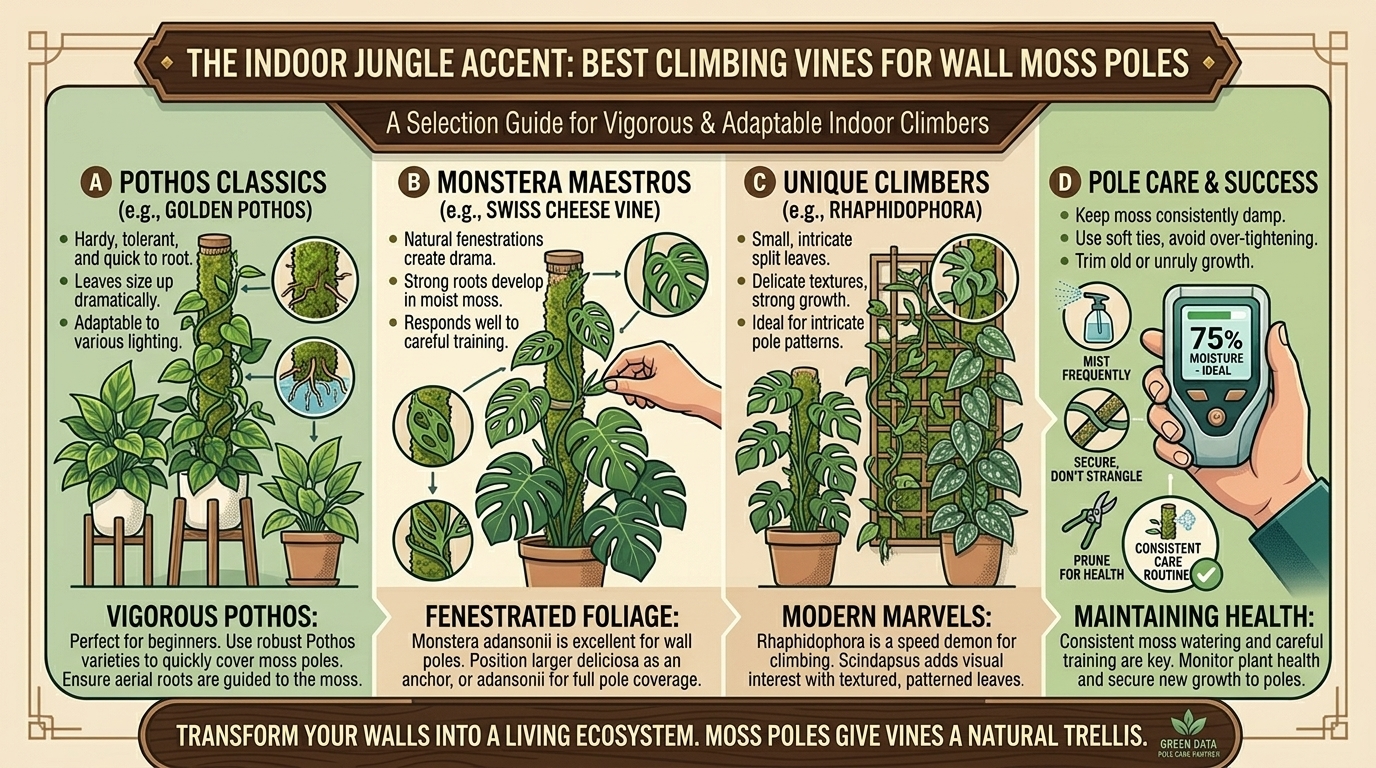
- Monsteras and Philodendrons: Broad leaves release significant amounts of water vapor, acting as natural humidifiers for smaller plants around them.
- Peace Lilies (Spathiphyllum): Excellent indicators of moisture levels that thrive in damp, grouped environments.
- Alocasias and Colocasias: Tropical heavy-hitters with striking foliage that love humid micro-niches.
6. Maintenance and Management of Plant Clusters
While grouping plants makes care more efficient, it also introduces unique management considerations that you must monitor:
- Air Circulation is Non-Negotiable: While you want to trap humidity, you must never trap stagnant air. Stagnant, humid air combined with damp organic matter is a breeding ground for fungal spores, powdery mildew, and fungus gnats. Run a small, low-speed oscillating room fan nearby for a few hours a day to keep air gently moving through your plant cluster.
- Pest Vigilance: Pests like spider mites and mealybugs spread rapidly when plants are touching each other. Inspect your cluster weekly by checking the undersides of leaves and leaf joints. Because the plants are grouped, an outbreak on one plant can quickly hop to its neighbors if left unchecked.
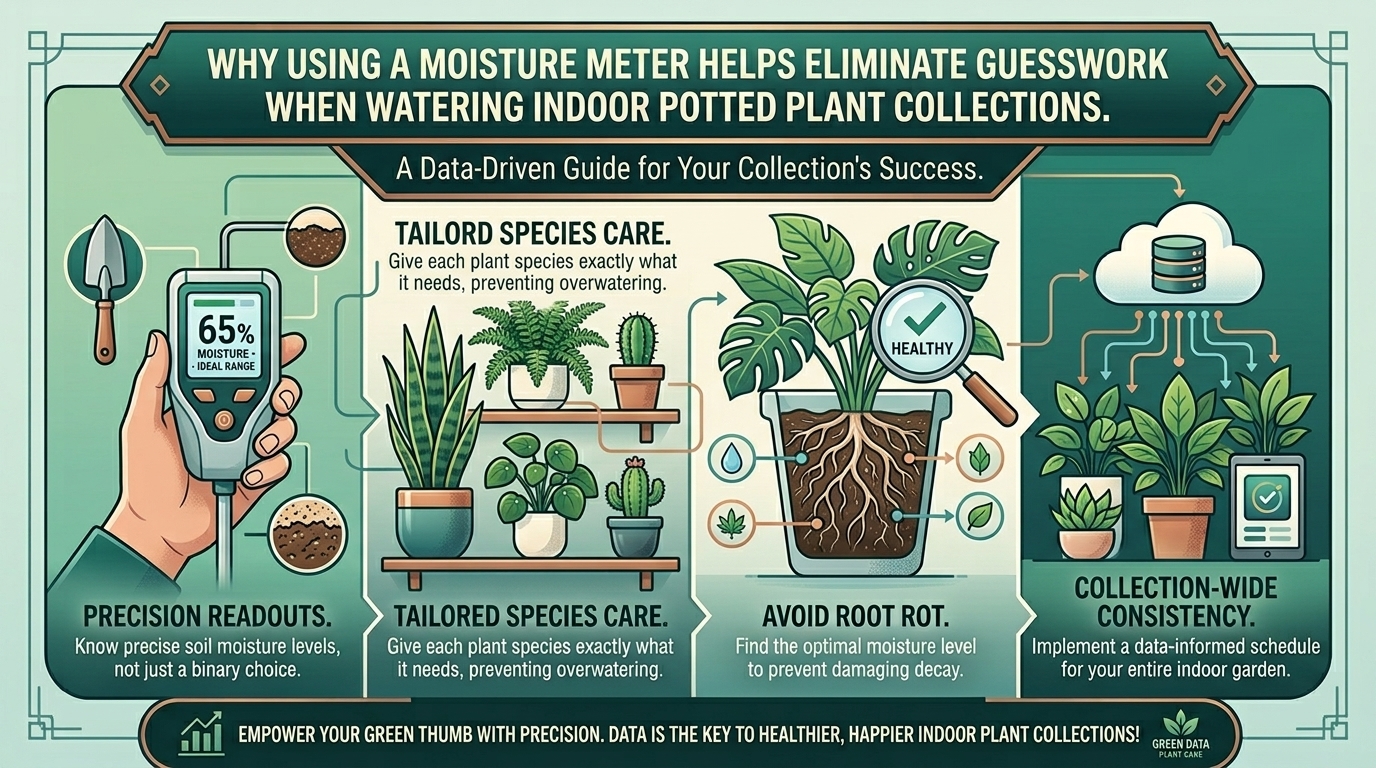
- Adjusting Watering Schedules: Because the microclimate retains ambient moisture around the foliage and topsoil surface, soil in grouped pots may dry out slightly slower than isolated pots. Always check soil moisture with your finger or a moisture meter before watering.
7. Troubleshooting Common Microclimate Issues
- Brown Leaf Tips Despite Grouping: If your plants are clustered but still showing crispy tips, your room’s baseline humidity may be below 30% (common in winter heating seasons). Supplement your cluster with a small cool-mist humidifier placed nearby.
- Fungus Gnats Infesting the Cluster: If tiny black flies are buzzing around your damp soil beds, your cluster is holding too much moisture without enough airflow. Let the top 2 inches of soil dry out completely between waterings, and top-dress pots with a layer of horticultural sand or gnat-control nematodes.
- Leaning and Stretching Plants: Plants on the inner or back side of a dense cluster may stretch frantically toward the light. Rotate your entire tray or plant stand 90 degrees every week to ensure even light distribution across all specimens.
8. Frequently Asked Questions (FAQ)
- How much can grouping plants actually raise the ambient humidity? While results vary based on room size and baseline dryness, studies and grower observations show that grouping 5 to 10 tropical plants together can raise local humidity immediately surrounding the cluster by 10% to 20%, which is often enough to keep humidity-sensitive tropicals happy.
- Can I group succulents and cacti into a high-humidity microclimate cluster? No! Succulents and cacti store water internally and prefer arid, dry, well-ventilated conditions. Grouping them with moisture-loving tropical ferns will cause them to absorb excess ambient moisture, leading to rot and fungal decay.
- Do I still need an electric humidifier if I group my plants? It depends on your climate. In moderate climates, plant grouping is often sufficient. However, during freezing winter months in New York or Washington when indoor heating drops humidity below 25%, an electric humidifier paired with plant grouping is the ultimate winning combination.
- How close do the plants need to be to create a microclimate? Their leaves should be close enough to lightly brush or sit within a few inches of one another. If there is a foot or more of space between pots, the moisture vapor disperses into the room before forming a localized microclimate.
- Does plant grouping attract more pests? It doesn’t attract pests magically from thin air, but because the leaves are touching, if a single plant brings in spider mites or aphids, it makes transmission to neighboring plants effortless. Regular inspection is key.
- Will grouping plants cause my walls or furniture to get moldy? Generally, no, unless the plants are placed directly against a cold exterior wall without airflow, which can cause condensation. Keep clusters at least a few inches away from walls and ensure good room ventilation.
- What is the best type of surface to place a plant cluster on? Waterproof surfaces like stone countertops, sealed wooden tables protected by a large tray, waterproof plant saucers, or metal plant stands are ideal to prevent water damage from occasional spills or misting runoff.
- Should I mist my clustered plants every day? Misting provides only a temporary 5-minute spike in humidity and can actually encourage fungal leaf spot diseases if water sits on leaves in stagnant air. Rely on transpiration and pebble trays rather than heavy daily misting.
- Can I group low-light plants with high-light tropicals in the same cluster? Only if you accommodate their lighting needs. For example, placing a low-light ZZ Plant deep under the canopy of a sun-loving Monstera receiving bright light might work, but mixing shade-dwellers with direct-sun plants in a single cluster is difficult to manage.
- How often should I rearrange my plant cluster? It is great practice to rotate, inspect, and lightly clean or prune your plant cluster every 4 to 6 weeks. This ensures every plant gets balanced light exposure and allows you to catch any early signs of pests or overcrowding.
9. Conclusion
Arranging multiple indoor houseplants together to create a natural microclimate with high humidity is the ultimate intersection of interior design and botanical science. By harnessing the natural power of plant transpiration, you can protect your delicate tropical collections from dry indoor air, slash your maintenance time, and craft a stunning, living indoor rainforest right in your home.