How to Build a Vertical Wall Planter to Maximize Space in a Tiny Urban Apartment Balcony
Living in a vibrant metropolis—whether renting a high-rise apartment in San Francisco, an industrial loft in New York, a residential condo in Texas, or vibrant urban spaces across California and Washington—offers incredible cultural energy. However, it often comes with one major architectural compromise: very limited square footage, especially when it comes to outdoor balconies.
When your outdoor space measures barely four feet wide, filling the floor with bulky plastic pots quickly eliminates any room for a bistro chair, let alone a peaceful place to unwind with morning coffee. The secret to transforming a cramped concrete balcony into a lush, thriving botanical oasis does not lie in expanding your footprint outward—it lies in building upward.
Brought to you by kcplants.com, this comprehensive, expert-led masterclass provides your ultimate, step-by-step blueprint for building a custom vertical wall planter that maximizes every square inch of your tiny urban balcony.
Part I: The Architectural Advantages of Vertical Gardening
Before grabbing your power tools, it helps to understand why vertical gardening is the ultimate solution for small-space urban dwellings:
- Multiplying Your Growing Footprint: By utilizing vertical wall space, a tiny 3×4-foot balcony floor area can easily support 20 to 30 individual plant pots without taking up a single inch of walking or seating space.
- Optimizing Sunlight Capture: Urban balconies are frequently boxed in by neighboring buildings, casting deep shadows. Mounting your plants on a vertical wall allows you to place them higher up where they can catch vital direct or indirect sunlight.
- Aesthetic Privacy and Sound Dampening: A lush green living wall acts as a natural visual screen against neighboring balconies, while dense foliage helps absorb and soften harsh urban street noise.
Part II: Choosing Your Vertical Structure Style
There are several structural methods for building a vertical wall garden on an apartment balcony, depending on your building’s rental guidelines and your DIY skill level:
1. The Hanging Pocket Organizer (No-Drill Rental Friendly)
- Best For: Renters who cannot drill holes into exterior stucco, brick, or concrete walls.
- How It Works: Heavy-duty fabric shoe organizers or specialized felt vertical garden pockets are hung securely from sturdy balcony railings or heavy-duty over-the-door hooks.
2. The Freestanding Wooden Ladder Planter
- Best For: Semi-permanent setups where you want stepped shelving that leans against a wall without permanent anchors.
- How It Works: A tilted A-frame or leaning ladder design featuring wide wooden steps that hold individual herb boxes or potted plants at cascading levels.
3. The Custom Wall-Mounted Cedar Trellis (The Ultimate DIY Build)
- Best For: Maximizing vertical blank exterior walls using weather-resistant lumber and mounting pots or window boxes directly onto a secure wooden grid.
Part III: Step-by-Step Guide to Building a Wall-Mounted Cedar Trellis Planter
For a professional, long-lasting, and stunning urban balcony feature, follow this step-by-step tutorial to build a custom wall-mounted cedar planter grid.
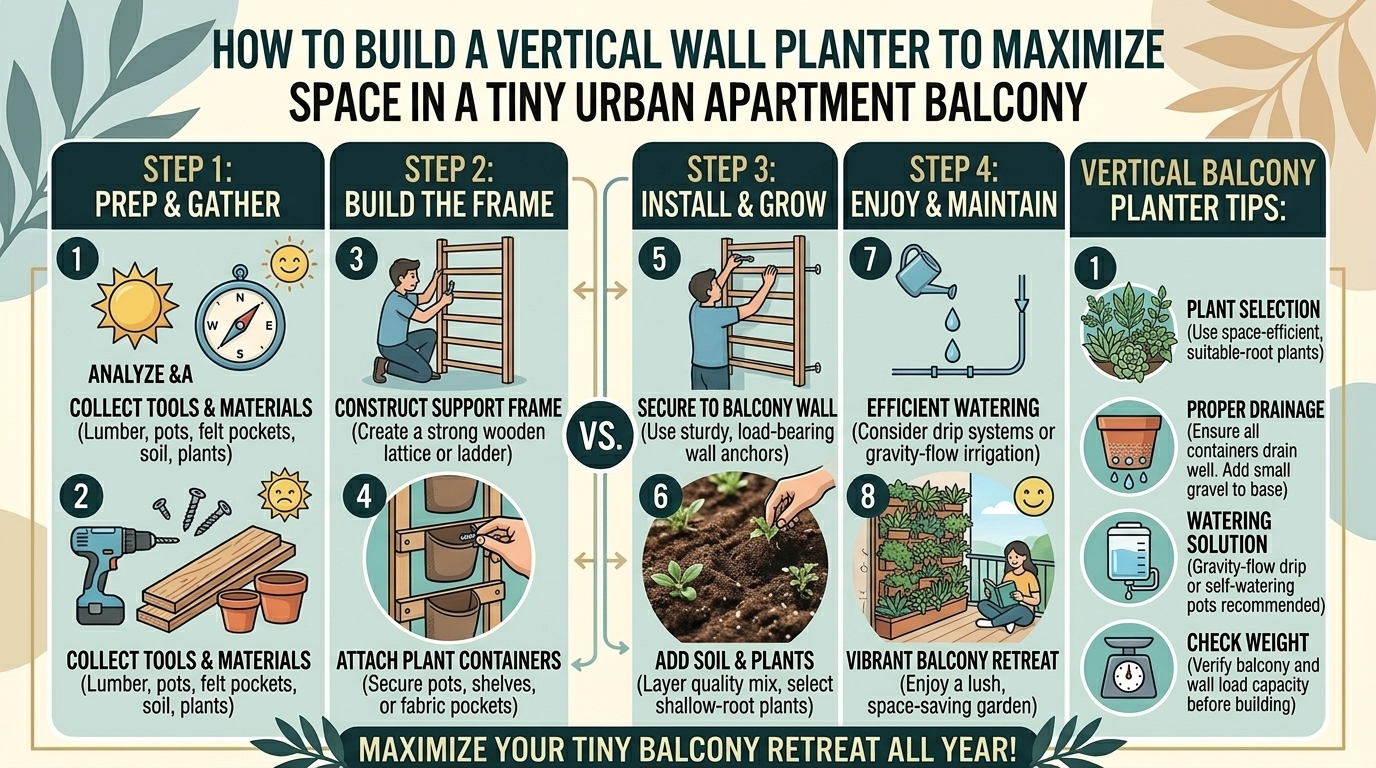
Step 1: Materials and Tools Checklist
- Lumber: Weather-resistant Western Red Cedar or Redwood boards (2x4s for the outer frame and 1x4s for cross slats). Cedar naturally resists rot and moisture without requiring toxic chemical sealants.
- Hardware: Exterior-grade galvanized or stainless steel screws, mounting brackets, wall anchors (appropriate for brick, stucco, or concrete).
- Planters: Lightweight galvanized metal herb buckets, window boxes, or fabric pots fitted with mounting hooks.
- Tools: Power drill, miter saw or hand saw, sanding block, level, and measuring tape.
Step 2: Measuring and Cutting the Frame
- Measure your target balcony wall space, ensuring you leave clearance around vents, electrical outlets, and lighting fixtures.
- Cut two vertical 2×4 support beams to your desired height (e.g., 4 to 6 feet) and horizontal top and bottom framing pieces to your desired width (e.g., 3 feet).
Step 3: Assembling the Grid Structure
- Pre-drill screw holes to prevent the cedar from splitting, then assemble the rectangular outer frame using exterior screws.
- Attach horizontal 1×4 slats across the frame spaced evenly apart (about 6 to 8 inches). These slats will serve as the anchor points where you hang your individual plant pots using “S” hooks or custom brackets.
Step 4: Securing to the Balcony Wall (Safety First)
- Renters Check: If drilling into exterior walls is prohibited, attach your wooden frame securely to your balcony’s metal railing using heavy-duty galvanized U-bolts or heavy-duty zip ties designed for outdoor weight loads.
- If drilling is permitted, locate wall studs or use heavy-duty masonry anchors. Use a spirit level to ensure your vertical frame is completely plumb before tightening all mounting bolts.
Step 5: Hanging and Planting Your Containers
- Hang your selected pots, window boxes, or fabric pockets onto the horizontal slats.
- Fill containers with a lightweight potting mix blended with perlite to minimize total weight load on your balcony wall.
Part IV: Selecting the Best Plants for Urban Vertical Balconies
Balcony microclimates can be punishing—subject to high winds, intense solar reflection off glass buildings, and rapid soil dry-down. Select tough, resilient plants suited to your regional climate:
- Trailing Beauties (Top Tiers): Creeping Jenny, English Ivy, or trailing Petunias cascade downward, creating a lush waterfall effect.
- Compact Culinary Herbs (Middle Tiers): Thyme, oregano, chives, and compact bush basil thrive in wall planters and remain within arm’s reach for kitchen cooking.
- Drought-Tolerant Succulents (Windy High-Rises): Echeverias, Sedums, and Sempervivums withstand scorching afternoon sun and strong winds on high-floor balconies without wilting.
Part V: Pro Tips for Managing a Balcony Vertical Garden
- Account for Weight Loads: Wet soil is heavy. Ensure your mounting hardware and wall anchors are rated to hold significantly more than the dry weight of your wooden frame and pots combined.
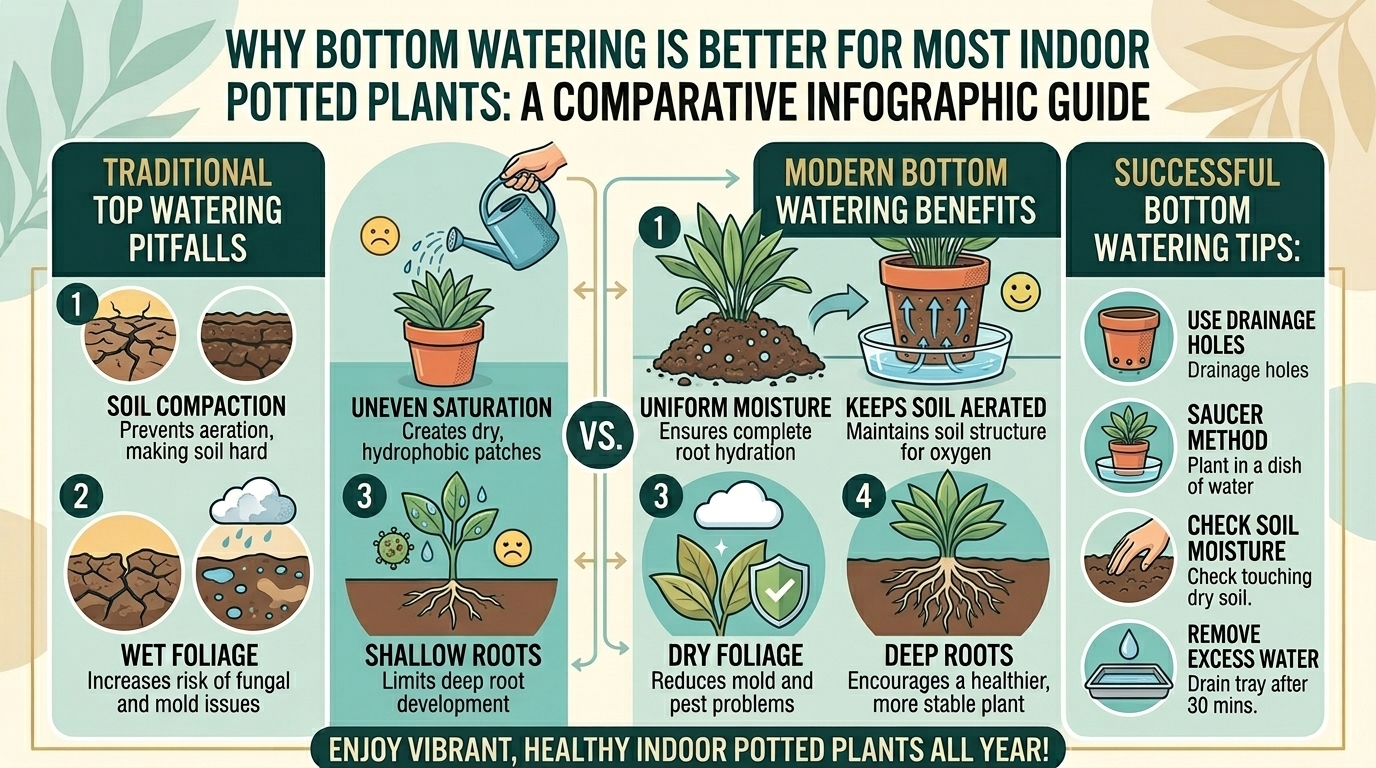
- Smart Drip Irrigation or Top-Down Watering: Watering a vertical wall can be messy if water drips directly onto your balcony floor or neighbor below. Place small saucers beneath upper pots, or rig a simple, low-pressure drip irrigation line running along the top rail with a battery-powered timer.
- Wind Protection: High-rise balconies in San Francisco, New York, or Chicago experience intense wind tunnels. Secure all pots firmly to your trellis so they cannot be dislodged during sudden storms.
10 Frequently Asked Questions (FAQ)
1. How do I build a vertical wall planter if I rent and cannot drill into exterior walls?
You can build a freestanding leaning ladder planter, use heavy-duty over-the-rail hanging brackets, or secure a wooden frame to your balcony’s metal safety railings using heavy-duty galvanized U-bolts or industrial zip ties.
2. What is the best wood to use for an outdoor balcony planter?
Western Red Cedar and Redwood are the gold standards. They contain natural oils that resist moisture, decay, and insect damage without needing harsh chemical treatments.
3. How do I prevent water from dripping onto my balcony floor or downstairs neighbors?
Use planters with attached bottom trays, choose fabric grow bags that retain moisture without spilling, or install a simple, low-cost drip tray system beneath each tier.
4. What kind of soil should I use in vertical wall planters?
Use a lightweight, premium potting mix blended with perlite or vermiculite. Avoid heavy garden soil, which adds excessive weight to your wall structure and compacts easily.
5. Which plants survive best on windy high-rise apartment balconies?
Drought-tolerant succulents (like sedums and echeverias), hardy herbs (rosemary and thyme), and tough trailing vines (creeping Jenny) handle high-altitude winds exceptionally well.
6. How do I water a multi-tier vertical garden efficiently?
You can water by hand using a long-spout watering can starting from the top tier down, or install a simple, inexpensive automatic drip irrigation kit connected to your outdoor spigot or a battery timer.
7. Do vertical wall planters require special sunlight considerations?
Yes. Balconies often receive directional sun. Place sun-loving plants (herbs, succulents) on the upper and outer tiers where light is brightest, and shade-tolerant greens on lower rungs.
8. How much weight can a typical apartment balcony wall support?
It depends on whether you are anchoring into concrete masonry or hanging from railings. Always consult building management guidelines and keep total soil and water weight within safe engineering limits.
9. Can I grow vegetables in a vertical wall planter?
Yes! Compact vegetables like cherry tomatoes, strawberries, radishes, and leafy greens (kale, lettuce, spinach) thrive in vertical wall pockets or hanging gutter planters.
10. How do I winterize my vertical balcony garden in colder climates?
In regions with freezing winters (like New York or Washington), bring tender perennial herbs indoors, empty soil from frost-crackable ceramic pots, and protect wooden structures with a breathable outdoor cover.
Conclusion
Building a vertical wall planter is the ultimate game-changer for transforming a tiny, cramped urban apartment balcony into a flourishing green sanctuary. By choosing rot-resistant cedar, securing your structure safely against wind and weight constraints, and selecting resilient trailing or compact plants, you maximize every inch of vertical space. Visit kcplants.com regularly for expert DIY guides, plant care tips, and inspiration to help your urban jungle thrive!