How to Harvest Fresh Mint Leaves Without Damaging the Aggressive Underground Runner Root System
There is a vibrant, invigorating aroma that fills the air the moment you brush past a lush patch of fresh mint (Mentha spp.). Whether you are muddling bruised leaves into a crisp summer mojito, steeping a soothing digestive tea on a chilly evening, or finely chopping fresh leaves over a Mediterranean grain salad, homegrown mint is an absolute culinary treasure.
Yet, every gardener who has ever introduced mint into their landscape learns a profound lesson very quickly: mint is a horticultural runaway train.
Mint plants do not merely grow; they conquer. Beneath the soil surface lies a web of aggressive, underground horizontal stems known as rhizomes or “runners.” These subterranean highways scout out new territory, popping up fresh green shoots feet away from where you originally planted them.
Because mint is so vigorous, many gardeners assume you can harvest it carelessly, yank at stems, or dig into the dirt without consequence. In reality, aggressive harvesting or disrupting the delicate underground runner network can shock the plant, weaken its vigor, or—ironically—trigger an even more chaotic, uncoordinated burst of sprawling growth.
Mastering the art of harvesting fresh mint requires understanding the delicate balance between gathering abundant culinary foliage and respecting the subterranean root engine below.
Whether you are gardening under the blazing heat of Texas, managing the seasonal shifts of New York, exploring the diverse microclimates of California, working the temperate maritime air of Washington, or tending a compact urban balcony in San Francisco, this comprehensive, SEO-optimized guide teaches you how to harvest fresh mint cleanly, efficiently, and without damaging its aggressive underground runner root system.
Introduction: The Dual Nature of Mint (Vigorous Growth vs. Fragile Balance)
To harvest mint correctly, you must first understand its botanical biology. Mint is a perennial herb renowned for its tenacity. While above-ground stems bear the fragrant leaves we covet, the true engine of the plant is underground.
- The Stolons and Rhizomes: These thick, white, subterranean stems creep just beneath the topsoil layer (typically 1 to 3 inches deep). They store energy, absorb moisture, and send up vertical shoots whenever they encounter favorable sunlight and moisture.
- The Danger of Disturbance: While runners are tough, they rely on an intact root network to feed the upper foliage. If you yank, pull, or dig roughly at the stems during harvesting, you tear the underground rhizomes, expose roots to air, and disrupt the plant’s vascular system.
Harvesting mint should never feel like a wrestling match. It should be a precise, clean horticultural practice that encourages the plant to bush out rather than stress out.
The Golden Rule of Mint Harvesting: Cut, Never Pull
The single most common mistake home gardeners make is treating mint like a pull-toy. Grasping a handful of mint stems and ripping them upward from the base might seem fast, but it is deeply destructive.
- Why Pulling Fails: Pulling tears the delicate stems, strips off vital protective bark, and puts severe tension on the shallow underground runner network. This can wrench the rhizomes loose from the soil, causing sections of the plant to wither and die.
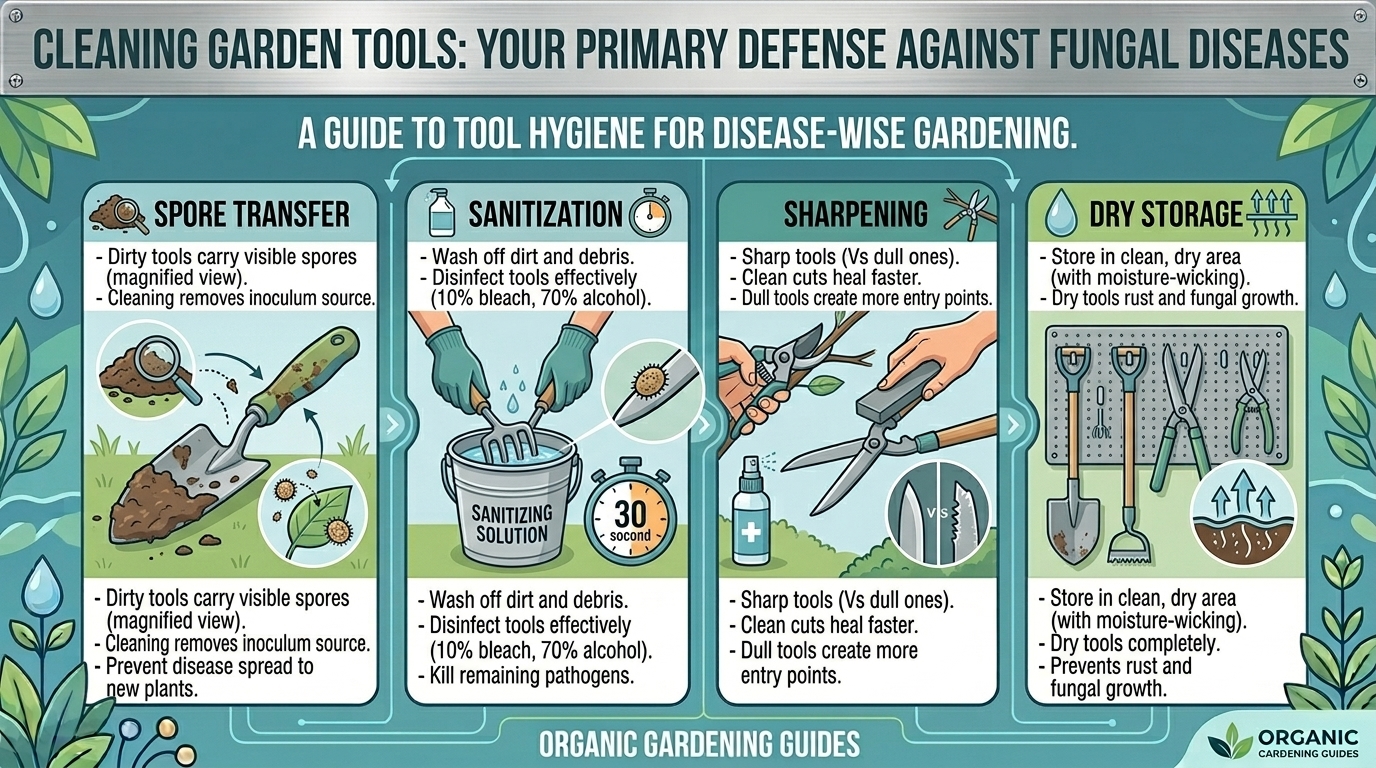
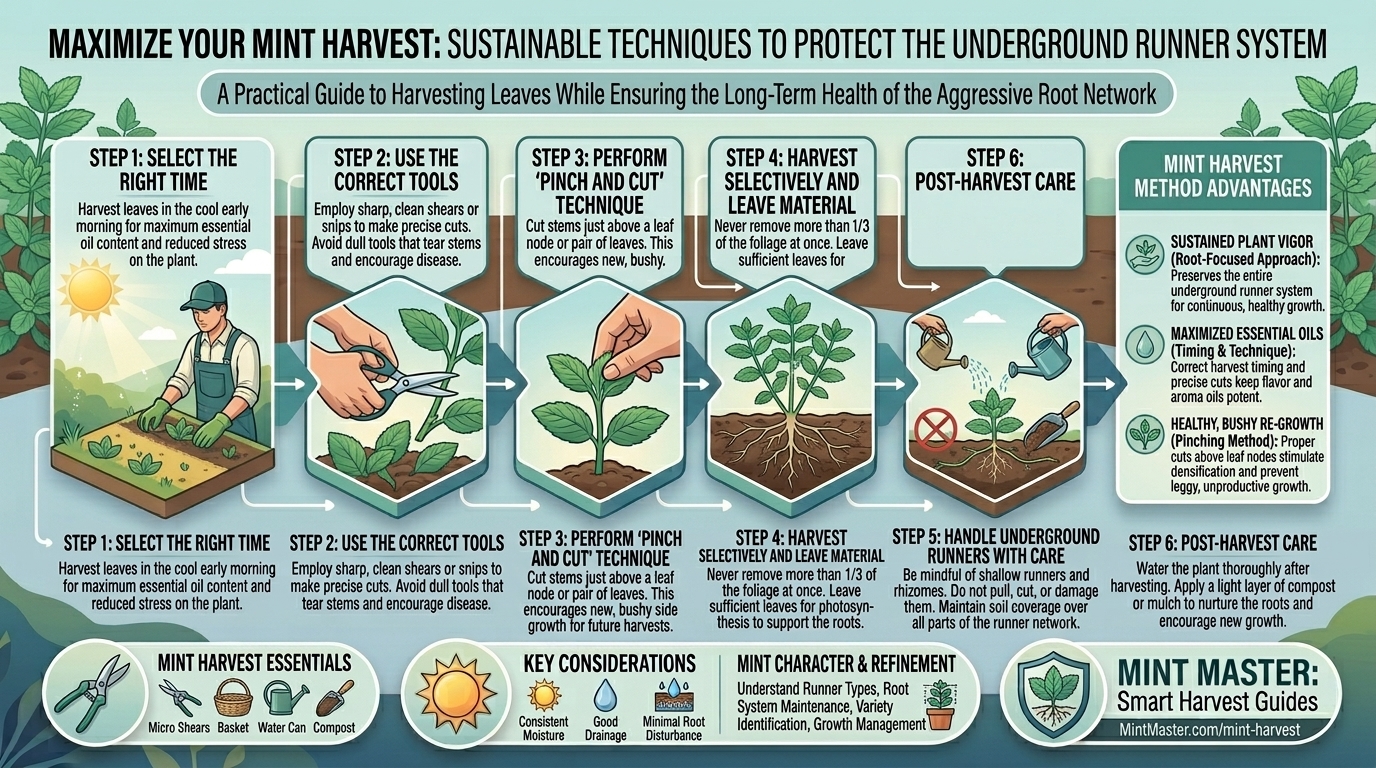
- Why Cutting Wins: Always use clean, sharp garden snips, kitchen scissors, or pruning shears. Cutting makes a clean, surgical wound on the stem that heals rapidly within 24 hours, directing the plant’s energy into lateral branch development rather than wound repair.
Step-by-Step Guide: How to Harvest Mint Like a Master
Follow this systematic framework to gather maximum culinary yield while keeping your underground root system pristine and undisturbed.
Step 1: Timing Your Harvest for Peak Flavor
- The Best Time of Day: Harvest your mint in the early morning, right after the morning dew has evaporated but before the blazing afternoon sun beats down. In the morning, the essential oils (menthol) are at their peak concentration inside the leaves, ensuring maximum flavor and aroma.
- Avoid Mid-Day Heat: Harvesting during peak afternoon heat leaves the plant stressed and dehydrated, reducing the potency of the volatile oils.
Step 2: Target the Right Stems (The “Node Cut”)
- Locate a healthy, vigorous mint stem that is at least 6 to 8 inches tall.
- Look closely along the stem for nodes—the small, slightly swollen bumps where sets of leaves attach to the main stalk.
- Make your cut right above a leaf node, leaving about 1/4 inch of stem above the node, or cut back to a major branching point.
- Why this matters: The dormant buds nestled inside those lower leaf nodes are triggered by your cut to burst open, turning one single stem into two brand-new, bushy side-shoots. You are literally pruning the plant into a denser, higher-yielding shrub while you harvest!
Step 3: Harvest from the Outside In
- When approaching your mint patch (whether in a garden bed, raised bed, or container), harvest from the outer edges inward, or take stems evenly across the entire clump.
- Avoid stripping out one single corner completely, as this unbalances the underground root energy distribution.
Step 4: Protect the Topsoil and Rhizomes
- Never step directly on the soil surface surrounding your mint patch if it is planted in an in-ground bed, as your body weight will compact the earth and crush the shallow underground runners (which sit only 1 to 3 inches deep).
- If your mint is planted in a container or raised bed, keep tools and fingers away from digging into the root zone unless you are intentionally dividing the plant in early spring.
Managing Mint’s Aggressive Underground Runners
Because mint runners are so aggressive, keeping them contained is half the battle of maintaining a healthy harvest. Here is how regional gardeners manage mint sprawl without destroying their root systems:
- Texas: In Texas, mint appreciates a little afternoon shade during scorching July and August afternoons to prevent leaf scorch. Because the soil dries out rapidly, keep underground runners hydrated with consistent mulch or drip lines. If planted in the ground, ensure it is hedged with deep physical root barriers (at least 10–12 inches deep) so runners cannot escape into lawn grass or neighboring flower beds.
- New York: New York winters cause above-ground mint foliage to die back completely, but the underground rhizomes survive safely underground, ready to erupt with fresh green shoots every spring. Clean up dead winter stems in early spring by cutting them down to soil level without disturbing the awakening roots.
- California & San Francisco: San Francisco’s cool, coastal fog provides a dream environment for mint, keeping leaves crisp and hydrated. However, fog-zone growth can become wildly aggressive. Container gardening is mandatory in San Francisco urban patios and balconies to ensure runaway rhizomes don’t crack paving stones or conquer neighbor yards.
- Washington: Western Washington’s damp, temperate climate makes mint thrive with minimal effort. Ensure your mint beds have excellent drainage; waterlogged soil combined with crowded underground runners can lead to fungal root rot.
Container vs. In-Ground Harvesting Strategies
How you harvest depends heavily on where your mint is growing:
1. Harvesting from Containers and Pots (The Urban Favorite)
- The Setup: Growing mint in a pot, fabric grow bag, or window box is the ultimate way to contain its aggressive runners.
- Harvesting Tip: Container mint has a restricted root zone. Because the underground runners cannot spread outward, the pot will eventually become “root-bound” (packed tightly with rhizomes). When harvesting, you can afford to cut stems a bit harder (up to one-third of the plant at a time), but ensure you fertilize monthly with a balanced organic liquid feed to replenish nutrients in the confined soil.
2. Harvesting from In-Ground Beds
- The Setup: If planted directly in the earth, your mint has unlimited room to send out runners.
- Harvesting Tip: Do not panic if you see shoots popping up a foot away from the main clump. You can harvest those outlier shoots freely! To keep the patch tidy, use a sharp spade to slice vertically into the soil around your designated harvest zone once a year, severing escaping rhizomes to keep the patch contained.
Preserving Your Fresh Mint Harvest
If your aggressive mint patch produces far more leaves than you can use in a single afternoon, preserve your harvest so nothing goes to waste:
- Freezing in Ice Cube Tray: Finely chop fresh mint leaves, place them into ice cube trays, fill with water or olive oil, and freeze. Pop out the cubes into a freezer bag for instant use in soups, sauces, or drinks all winter long.
- Hanging to Dry: Gather bunches of 10 to 12 harvested stems, tie them securely with twine, and hang them upside down in a dry, dark, well-ventilated room for 1 to 2 weeks. Once crisp, strip the dried leaves into glass jars for herbal teas.
10 Essential FAQs About Harvesting Mint
1. Why is pulling mint stems by hand bad for the underground roots?
Pulling mint stems yanks upward on the shallow underground rhizomes (runners) that sit just beneath the topsoil. This tears the root network, stresses the plant, and can dislodge sections of the root system entirely, stunting future growth. Always cut stems with sharp shears.
2. How far down the stem should I cut when harvesting mint?
Cut your mint stems back by one-third to one-half, always making your cut right above a leaf node. This stimulates dormant buds at the node to sprout new lateral branches, resulting in a bushier, more productive plant.
3. Will cutting mint too frequently kill the plant?
As long as you leave at least a few sets of lower leaves on each stem so the plant can continue photosynthesis, frequent harvesting actually improves mint health by acting as regular pruning, preventing it from becoming woody and leggy.
4. What is the best time of day to harvest fresh mint leaves?
The early morning is best. Right after morning dew evaporates, the plant’s essential oils (menthol) are at their peak concentration inside the foliage, giving you the most aromatic and flavorful harvest.
5. How do I stop mint underground runners from taking over my garden?
Plant mint in containers, pots, or deep sink-tub barriers buried at least 10 to 12 inches into the ground with the rim sticking an inch above the soil line. This physically blocks the horizontal rhizomes from escaping.
6. Can I harvest mint in its first year after planting?
Yes, but practice moderation. In its first growing season, let the plant establish its root system for the first 6 to 8 weeks, then begin light harvesting by pinching or cutting back outer stems gently.
7. Why are my mint leaves turning brown or black on the stems?
This is typically caused by excess moisture and poor air circulation, leading to fungal issues like mint rust or powdery mildew. Harvest heavily affected stems, dispose of them in the trash (do not compost diseased leaves), and thin out the center of the patch to improve airflow.
8. Does container-grown mint require a different harvesting approach?
Yes. Container mint has limited root space and cannot expand via runners. Therefore, it requires more frequent, moderate harvesting and regular monthly organic fertilization to sustain its dense growth.
9. Can I revive a woody, overgrown mint patch?
Absolutely! If your mint has become tall, woody, and sparse at the base, take sharp shears and cut the entire patch down to about 2 inches above the soil surface. The undisturbed underground runners will rapidly send up a flush of fresh, tender, flavorful green shoots within a couple of weeks.
10. Do different varieties of mint require different harvesting techniques?
No. Whether you are growing classic peppermint (Mentha piperita), spearmint (Mentha spicata), chocolate mint, or apple mint, all varieties share the same aggressive runner root system and respond best to the “cut-above-the-node” harvesting method.
Conclusion
Harvesting fresh mint is one of the most satisfying rituals in home gardening. By trading destructive pulling for clean, precise cutting above the leaf nodes, you gather abundant culinary foliage while keeping the delicate underground runner network safe, healthy, and vigorous.
Whether you are harvesting on a sunlit Texas patio, maintaining containers on a San Francisco balcony, or managing established garden beds in New York, Washington, or California, respecting mint’s subterranean roots guarantees a continuous, aromatic harvest all season long. Grab your snips, cut with care, and enjoy the vibrant taste of fresh, homegrown mint! Happy gardening!