What Are the Best Companion Flowers to Interplant with Leafy Greens for Natural Pest Control?
Welcome to the ultimate guide by KCPlants, custom-tailored for passionate organic gardeners across the diverse climates of America—from the blistering heat of Texas and California to the brisk, seasonal shifts of New York and Washington, and the unique maritime fog of San Francisco.
There is nothing quite like stepping into your garden bed to harvest a bowl of fresh, pristine leafy greens—spinach, kale, Swiss chard, arugula, and crisp lettuce. Yet, every home gardener knows the heartbreaking frustration of walking out one morning only to find those tender leaves riddled with holes, sticky with aphids, or decimated by caterpillars.
For decades, conventional gardening rushed to solve pest problems with synthetic chemical sprays and harsh pesticides. But modern organic growers know a smarter, more sustainable secret: Companion planting with pest-deterring flowers.
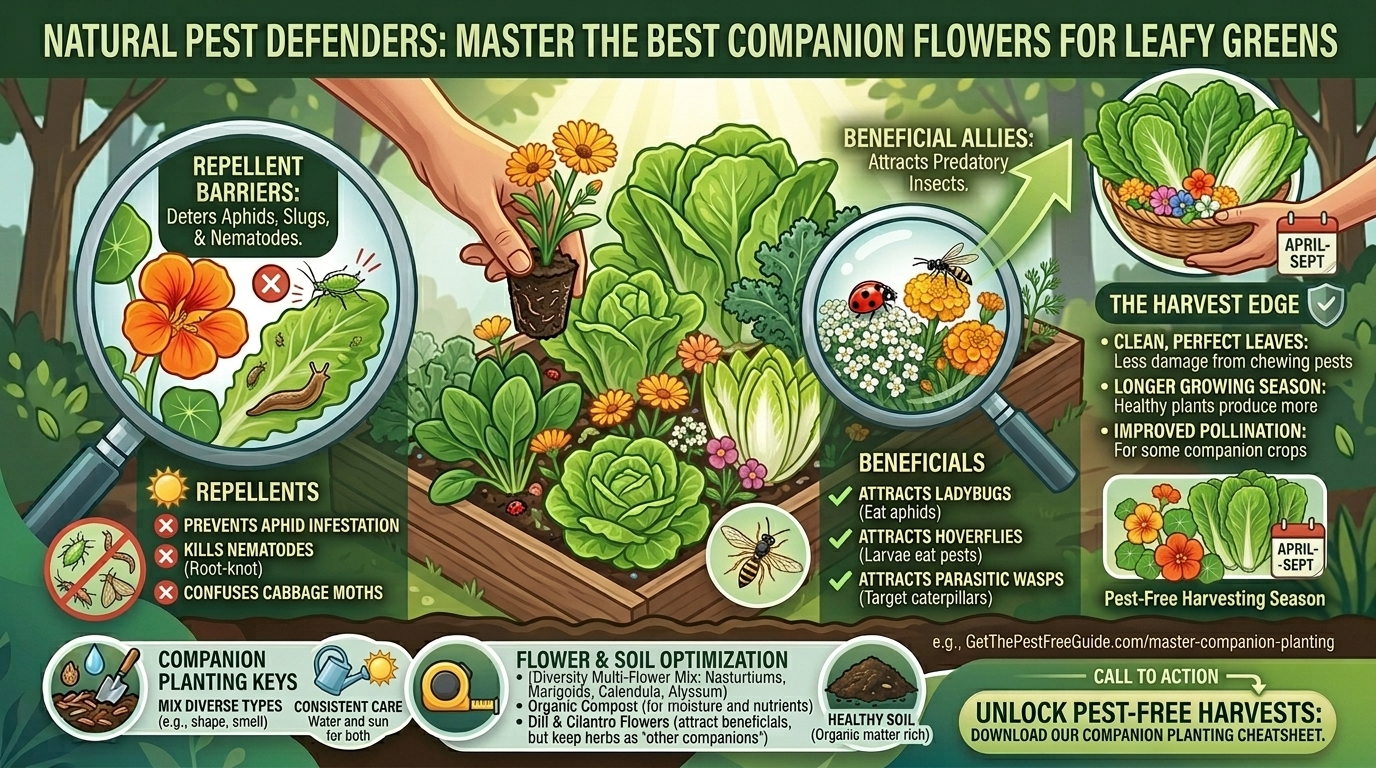
Instead of reacting to pests after an infestation strikes, interplanting vibrant, functional flowers among your leafy greens creates a resilient, bio-diverse mini-ecosystem. These botanical bodyguards work by repelling destructive insects with pungent scents, confusing pests visually, and—most importantly—summoning an army of beneficial predatory insects that wipe out aphids, thrips, and loopers naturally.
This comprehensive, SEO-optimized guide explores the science of companion planting, the best flower species to pair with greens, step-by-step design strategies, and regional execution tactics tailored for the US.
The Science of Companion Planting: Why Flowers Protect Greens
To understand how flowers protect your leafy greens, you must first look at how garden ecosystems function when left alone versus when they are deliberately diversified.
+-------------------------------------------------------------+
               THE NATURAL PEST CONTROL LOOP
+-------------------------------------------------------------+
| 1. DIVERSIFY: Interplant aromatic & nectar-rich flowers      |
| 2. CONFUSE:   Disrupt pest host-finding via scent & sight   |
| 3. ATTRACT:   Lure beneficial predators (Ladybugs, Wasps)   |
| 4. PROTECT:   Predators decimate aphids & caterpillars      |
+-------------------------------------------------------------+
1. Disruption of Pest Search Behavior
Pest insects like aphids, flea beetles, and loopers locate their favorite food sources—your tender greens—primarily by sight and scent. When you plant a monoculture (an entire row of pure lettuce), it acts like a giant glowing billboard for pests. By interplanting brightly colored, heavily scented flowers directly into the beds, you mask the scent of the greens and visually disorient incoming pests, causing them to fly past your patch.
2. Recruiting Beneficial Predatory Insects
Most beneficial insects (such as parasitic wasps, hoverflies, lacewings, and ladybugs) do not survive on pests alone during their entire life cycle. As adults, they require pollen and nectar as an energy source. If your garden only contains leafy greens, these helpful predators have nothing to eat and will fly away to your neighbor’s yard. Providing accessible, shallow-flowered companion plants invites these beneficial insects to take up permanent residence right next to your crops, where they actively hunt down and devour destructive pests.
The Best Companion Flowers for Leafy Greens
Not all flowers are created equal when it comes to pest control. Here are the powerhouse floral champions you should weave into your leafy green beds.
1. Marigolds (Tagetes spp.)
- The Pest Target: Nematodes, aphids, whiteflies, and cabbage worms.
- Why They Work: Marigolds are the undisputed heavyweight champions of companion planting. Their roots secrete a natural compound called alpha-terthienyl, which suppresses soil-dwelling root-knot nematodes. Above ground, their pungent, distinct aroma confuses flying pests and repels squash bugs and tomato hornworms.
- Best Varieties: French marigolds (Tagetes patula) are compact and fit neatly alongside rows of lettuce or spinach.
2. Sweet Alyssum (Lobularia maritima)
- The Pest Target: Aphids and thrips.
- Why They Work: Sweet alyssum produces dense carpets of tiny white, pink, or purple flowers that bloom continuously for months. These flowers are a magnet for hoverflies, whose voracious larvae (aphid lions) can consume hundreds of aphids a day.
- Pro Tip: Let a few patches of sweet alyssum flower freely right at the edges of your kale and chard beds to keep aphid populations permanently suppressed.
3. Nasturtiums (Tropaeolum majus)
- The Pest Target: Aphids, cabbage loopers, and squash bugs.
- Why They Work: Nasturtiums act as the ultimate trap crop. Aphids and caterpillars overwhelmingly prefer nasturtiums over almost any other plant in the garden. By planting nasturtiums a few feet away from your prized Swiss chard or kale, pests will swarm the nasturtiums instead, sparing your harvest. Best of all, both the leaves and flowers of nasturtiums are entirely edible, offering a peppery kick to salads!
4. Calendula / Pot Marigold (Calendula officinalis)
- The Pest Target: Tomato hornworms, aphids, and slugs.
- Why They Work: Calendula produces bright, sticky, resinous orange and yellow daisy-like blooms. Their brilliant colors attract predatory tachinid flies and ladybugs, while their sticky foliage traps crawling pests. Like nasturtiums, calendula petals are edible and add vibrant color to culinary dishes.
5. Dill, Cilantro, and Fennel (The Umbellifers)
- The Pest Target: Aphids, cabbage worms, and mites.
- Why They Work: While technically herbs, letting dill, cilantro, and fennel bolt and produce flat-topped, umbrella-like clusters of tiny flowers (umbels) is one of the most effective ways to attract parasitic micro-wasps and lacewings. These tiny, harmless wasps lay their eggs inside garden pests like aphids, neutralizing them organically.
Strategic Design: How to Interplant Flowers with Greens
Planting flowers randomly won’t yield optimal results. Strategic placement ensures that every square foot of your garden benefits from natural protection.
+-------------------------------------------------------------+
                  COMPANION PLANTING LAYOUTS
+-------------------------------------------------------------+
| METHOD 1: The Border Guard (Plant flowers along edges)      |
| METHOD 2: The Grid Interplant (Alternate greens & flowers)  |
| METHOD 3: The Trap Crop Edge (Lure pests away from center)  |
+-------------------------------------------------------------+
Method 1: The Border Guard
Plant a dense ribbon of low-growing flowers—such as French marigolds or sweet alyssum—all the way around the perimeter of your raised bed or garden plot. This creates a fragrant botanical barrier that deters crawling and low-flying pests before they ever reach your interior rows of lettuce and spinach.
Method 2: The Grid Interplant
For larger beds of leafy greens, weave individual flowers directly into the grid. Space one marigold or calendula plant every 3 to 4 feet among your lettuce or kale heads. This ensures that beneficial predatory insects patrolling the flowers are never more than a few inches away from a potential pest outbreak.
Method 3: The Trap Crop Edge
Position sacrificial trap crops—like sprawling nasturtiums—at the corners or outer edges of your beds, slightly away from your tender salad greens. Check these trap plants weekly; if they become heavily coated in aphids, simply snip off the infested stems and dispose of them.
Regional Companion Planting Strategies Across the US
Different American climates present distinct pest challenges. Tailoring your flower choices to your local environment guarantees maximum protection.
☀️ Texas & California (Warm Climates & Thriving Pests)
- The Challenge: Warm southern and western climates mean an extended growing season where aphids, whiteflies, and nematodes remain active for months, putting immense pressure on spring and autumn greens.
- Regional Strategy: Lean heavily on heat-tolerant French marigolds and zinias, which thrive in intense sunlight and keep nematode populations suppressed in sandy or clay soils. Plant sweet alyssum in partial shade to keep them from scorching under intense afternoon heat.
🌉 San Francisco (Coastal Fog & Soft-Bodied Pests)
- The Challenge: San Francisco’s cool summers and damp marine fog create ideal, humid breeding grounds for aphids, slugs, and snails.
- Regional Strategy: Utilize calendula and nasturtiums, which handle cool, damp coastal air exceptionally well. Their bright colors cut through grey fog days and draw in beneficial hoverflies that target heavy aphid colonies thriving in mild maritime microclimates.
🌲 Washington & New York (Variable Seasons & Cabbage Worms)
- The Challenge: Spring and summer in the Pacific Northwest and Northeast bring cabbage butterflies, loopers, and flea beetles that target cool-season brassica greens like kale, collards, and arugula.
- Regional Strategy: Plant dill, fennel, and sweet alyssum early in the spring. These flowers bloom concurrently with the emergence of spring cabbage moths, summoning parasitic wasps to parasitize pest caterpillars before they can damage your crop.
Step-by-Step Guide: Establishing Your Companion Flower Bed
Follow this step-by-step roadmap to integrate flowers into your leafy green production seamlessly.
- Plan Your Layout: Map out your garden beds, ensuring taller flowers (like fennel or tall marigolds) are placed on the north side of the bed so they don’t cast unwanted shade over shorter greens like lettuce and spinach.
- Prepare the Soil: Work rich organic compost into the entire bed, as both greens and companion flowers share similar nutritional requirements for loose, fertile soil.
- Sow or Transplant Simultaneously: Plant your flower seeds or starter plugs at the exact same time you plant your greens (or slightly ahead of time for trap crops) so they mature together.
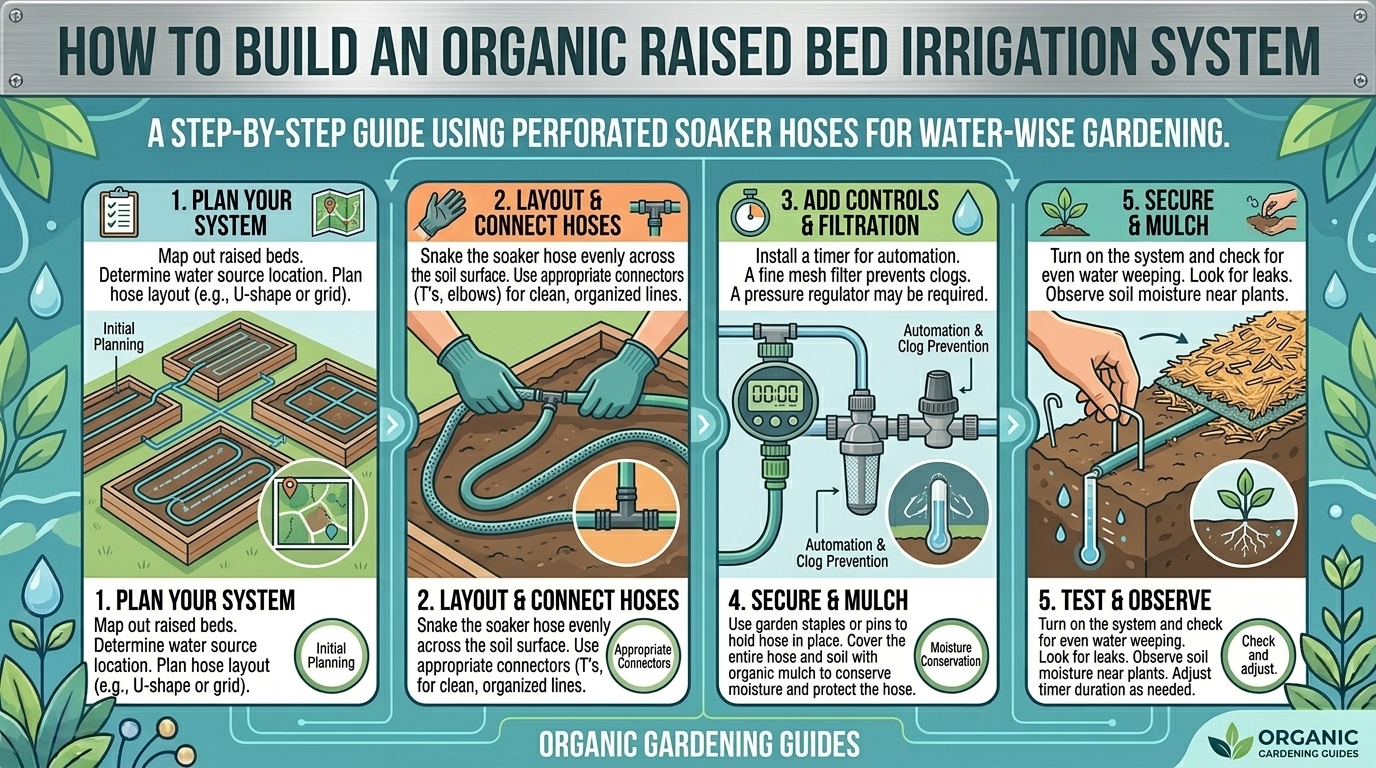
- Maintain Consistent Watering: Ensure uniform moisture across the bed using drip irrigation or soaker hoses, allowing both flowers and greens to develop strong root systems.
- Let Some Flowers Go to Seed: At the end of the season, allow a few calendula or dill plants to drop their seeds naturally; they will self-sow for the following season, establishing a permanent, self-sustaining pest-control cycle.
Frequently Asked Questions (FAQ)
1. Do companion flowers steal nutrients from my leafy greens?
While flowers do consume nutrients and water, planting them strategically at proper spacings (rather than overcrowding) ensures they coexist harmoniously. In fact, many flowers (like marigolds and umbellifers) improve overall soil health and microbial activity, benefiting your greens.
2. Can I eat the companion flowers I plant with my greens?
Yes, many of the best companion flowers are entirely edible! Nasturtiums, calendula, and marigolds (specifically Tagetes tenuifolia / gem marigolds) produce edible petals that add wonderful flavor and color to the very salads you harvest from your garden.
3. How do marigolds stop root-knot nematodes?
Marigold roots secrete a natural biochemical called alpha-terthienyl into the soil. This compound is toxic to microscopic root-knot nematodes, effectively sterilizing the soil around the root zone and protecting your vegetable crops from root damage.
4. Will companion flowers attract bees that sting children or pets?
Flowering plants naturally attract pollinators like honeybees, bumblebees, and native bees. While bees will visit the flowers to gather nectar, they are entirely focused on foraging and will not sting unless directly trapped or stepped on.
5. What are “trap crops,” and how do they work?
Trap crops are plant species that pests find vastly more attractive than your harvest crops. By planting nasturtiums near your greens, pests swarm the nasturtiums instead of your kale or chard, protecting your harvest.
6. Can I grow companion flowers in containers with leafy greens?
Yes! Large containers, window boxes, and fabric grow bags can easily accommodate a combination of leaf lettuce and a compact companion flower like dwarf French marigolds or sweet alyssum.
7. Why are beneficial insects so important for organic pest control?
Beneficial insects (like ladybugs, lacewings, and hoverflies) are natural predators that hunt and consume destructive pests (like aphids and mites) 24/7. Attracting them with flower nectar eliminates the need for chemical insecticides.
8. When is the best time to plant companion flowers with greens?
Plant your companion flowers at the exact same time you plant your cool-season greens in early spring or late summer, ensuring they establish roots and begin producing pollen just as insect activity peaks.
9. Do companion flowers eliminate pests entirely?
No system eliminates 100% of pests. Instead, companion planting creates a balanced ecosystem where predatory insects keep pest populations below the threshold where they cause visible damage to your leafy greens.
10. Which flowers should I avoid planting near leafy greens?
Avoid aggressive, sprawling perennial vines (like morning glories or aggressive mints) that can easily overrun your garden beds, choke out shallow-rooted greens, and compete aggressively for water and soil nutrients.
Conclusion
Transforming your leafy green garden from a vulnerable patch of tender leaves into a self-protecting, biodiverse sanctuary is one of the most rewarding steps an organic gardener can take. By interplanting functional, brilliant companion flowers like marigolds, sweet alyssum, nasturtiums, and calendula, you harness the power of nature to confuse pests, improve soil health, and summon an army of beneficial predatory insects.