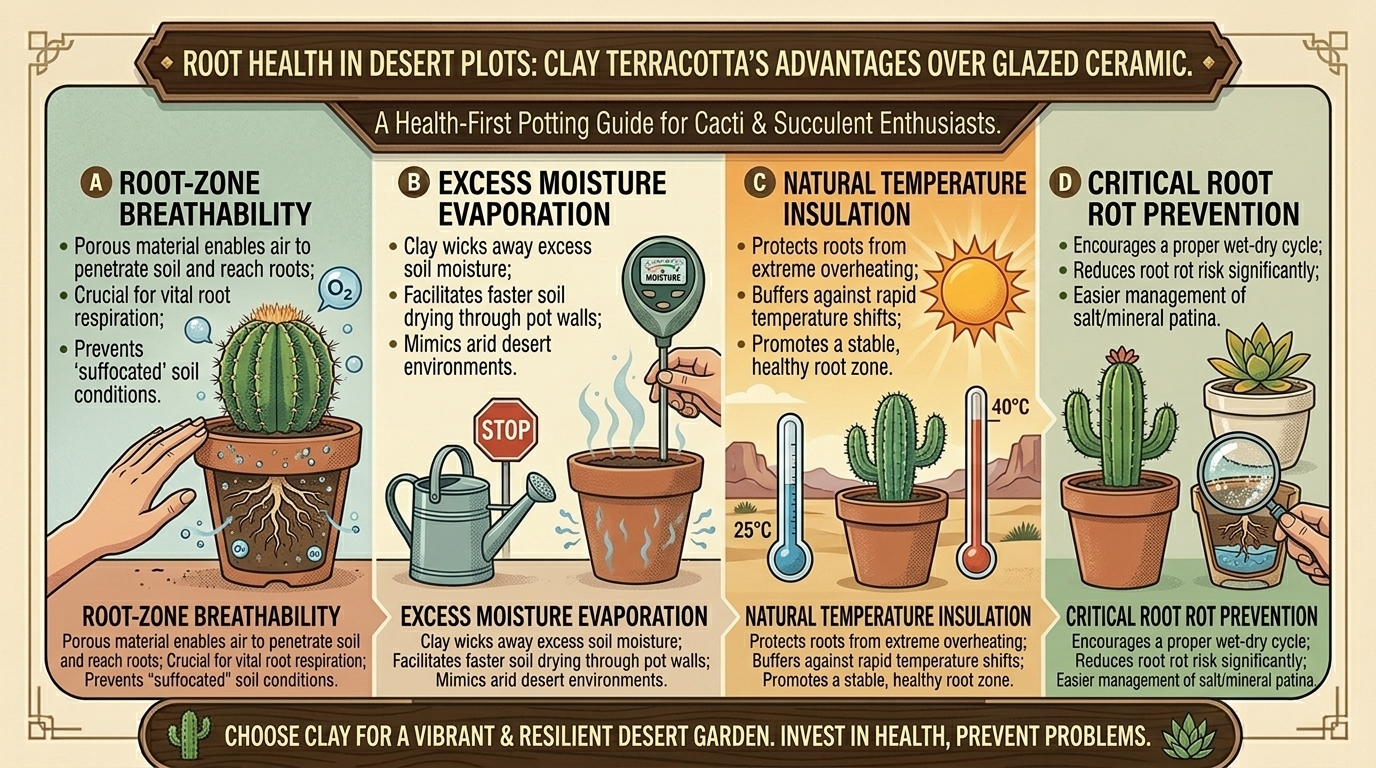
Why Clay Terracotta Pots Are Healthier for Desert Cacti and Succulents Than Glazed Ceramic Containers
Welcome back to kcplants.com! If you are a plant collector anywhere from the sunny expanses of Texas to the coastal mists of San Francisco, the foggy windowsills of Washington and New York, or the Mediterranean microclimates of California, you’ve likely faced the eternal container debate: Terracotta or Glazed Ceramic?
When it comes to aesthetic appeal, glazed ceramics win hands down. They come in every color of the rainbow, feature striking geometric patterns, and add a glossy pop of modern design to any interior. However, if your collection leans toward desert cacti and arid succulents, choosing a container based purely on looks can spell disaster.
In the wild, desert plants evolved to thrive in gritty, fast-draining earth under blazing suns where moisture evaporates rapidly. Recreating this environment indoors requires mimicking those physical conditions. This is where porous clay terracotta reigns supreme over non-porous glazed ceramic containers.
This in-depth guide explores the science, biology, and practical mechanics of why unglazed clay terracotta pots are fundamentally healthier for cacti and succulents, helping you keep your spiky collection thriving through every regional climate shift.
1. The Physiology of Desert Plants: Rooted in Dryness
To understand why terracotta is the gold standard for succulents, we must first look at where these plants come from. Cacti, agaves, aloes, and echeverias originate from arid or semi-arid regions characterized by intense heat, erratic rainfall, and coarse, rocky soil.
The Root System Dilemma
Desert plants have developed specialized root systems to maximize water capture during rare flash floods.
- Shallow and Sprawling: Most succulents have shallow root systems that spread horizontally rather than plunging deep into the ground.
- Extreme Sensitivity to Rot: Because their natural environment rarely stays wet for long, their roots lack the physical defenses against prolonged moisture. When sitting in waterlogged soil for too long, cellular breakdown occurs rapidly, leading to root rot—a fungal or bacterial collapse that is often fatal.
Indoor cultivation introduces a massive variable: airflow and evaporation rates are drastically lower indoors than in a natural desert. This makes container choice your single most powerful tool for preventing moisture-related plant failure.
2. Terracotta vs. Glazed Ceramic: The Core Differences
At first glance, a pot is just a vessel holding soil. But physically and chemically, unglazed terracotta and glazed ceramic are worlds apart.
What is Terracotta?
Derived from the Italian words terra cotta, meaning “baked earth,” terracotta is made from porous, natural iron-rich clay fired at relatively low temperatures. Because it is unglazed, microscopic pores remain open throughout the entire body of the pot.
What is Glazed Ceramic?
Glazed ceramic pots start as clay (sometimes terracotta or stoneware), but a liquid glass mixture (glaze) is applied to the surface before being fired at high temperatures. This baking process melts the glaze into a solid, vitrified, waterproof shell that seals the clay completely.
3. The Superpower of Terracotta: Breathability and Vapor Permeability
The single greatest health benefit of terracotta is its porosity.
The Microscopic Porosity Factor
Think of unglazed terracotta like a sponge made of stone. Millions of tiny, microscopic air pockets and channels run through the walls of the pot. This creates two vital physiological functions for desert plants:
- Moisture Evaporation (Transpiration through Walls): When you water a potted plant, water doesn’t just drain out of the bottom hole; it also absorbs into the clay walls. As air moves around the outside of the pot, this trapped moisture evaporates outward through the surface of the clay. This acts as a secondary evaporation vector, drying out the soil margins much faster than solid plastic or glazed ceramic ever could.
- Oxygen Exchange at the Roots: Plant roots need oxygen to respire and grow. Terracotta allows air to diffuse directly through its walls straight into the root zone. In contrast, glazed ceramic acts as a physical barrier, trapping stale, oxygen-depleted air and moisture inside.
4. Regional Climate Considerations: Why Location Matters
Even though your cacti and succulents live indoors, the outdoor environment of your region dictates indoor humidity, ambient temperatures, and drying times. Here is how terracotta safeguards your plants across different US hubs:
New York & Washington (High Humidity Indoors, Cold Winters)
- The Challenge: Winters in the Northeast and Pacific Northwest involve running central heating systems that dry out the air, but the ambient outdoor humidity and grey winter days mean indoor soil stays damp much longer after watering.
- The Terracotta Advantage: Terracotta accelerates the drying of soil margins, preventing the lingering bottom-of-the-pot moisture pockets that trap root rot during dark winter months.
San Francisco & California (Coastal Dampness & Fog)
- The Challenge: Coastal California and San Francisco experience cool, marine-influenced air, persistent fog, and high relative humidity. Even indoors, humidity can slow down soil drying significantly.
- The Terracotta Advantage: The breathable clay walls pull excess humidity and moisture out of the root ball continuously, acting as a natural defense against San Francisco’s damp microclimate.
Texas (Intense Heat & AC Cycles)
- The Challenge: Texas homes feature intense climate control cycling (heavy AC in summer, heaters in winter). If your succulents are placed near sunny windows, soil can bake, but if placed in cooler corners, moisture lingers.
- The Terracotta Advantage: Terracotta helps regulate sudden shifts in root-zone temperature by allowing gradual evaporative cooling, protecting delicate feeder roots from thermal shock.
5. Comparative Benefits of Terracotta for Cacti
Let’s break down the tangible ways terracotta protects your succulent collection day-to-day:
- Forgiveness for Overwatering: Every plant parent has accidentally overwatered at some point. In a glazed ceramic pot, a heavy hand can mean death sentence water retention. In terracotta, the pot acts as an insurance policy, pulling away excess water through its walls.
- Prevention of Salt Build-Up: Tap water contains minerals and fertilizer salts. In glazed pots, these salts accumulate purely inside the soil and around the rim. In terracotta, water moving through the clay walls often draws mineral salts outward, leaving a distinct white patina (efflorescence) on the outside of the pot rather than scorching the root tips internally.
- Weight and Stability: Cacti like large Echinocactus grusonii (Golden Barrels) or tall Sansevieria can become top-heavy. Terracotta is denser and heavier than plastic or thin ceramic, providing a sturdy, low-center-of-gravity base that prevents tipping.
6. Are There Drawbacks to Terracotta?
To remain objective, terracotta does have a few minor quirks you should manage:
- Faster Watering Frequency: Because terracotta dries out soil quicker, you may need to water your plants slightly more often during the peak summer growing season compared to glazed pots.
- Brittleness: Terracotta is fragile and can crack if dropped or if left outdoors during a hard freeze where trapped soil water expands (though this is less of an issue for indoor-only collections).
- Esthetic Aging: Over time, minerals and fertilizers can stain the outside of terracotta. Many plant lovers adore this rustic, weathered patina, but if you prefer a pristine look, it requires occasional scrubbing.
7. Frequently Asked Questions (FAQ)
1. Can I use glazed ceramic pots for succulents if I add extra perlite to the soil?
Yes, you can! If you love the look of glazed ceramics, you can balance the non-porous nature of the pot by using a heavily amended, ultra-gritty soil mix containing 50% to 70% inorganic materials like perlite, pumice, and coarse sand. However, terracotta still offers a much higher margin of error.
2. Why is there a white powdery crust forming on the outside of my terracotta pot?
This is completely normal and harmless. It is called efflorescence—mineral salts and calcium from your tap water or fertilizer that are pulled through the clay pores as the water evaporates. You can scrub it off with a brush and vinegar water if you dislike the look.
3. Do terracotta pots crack if kept indoors during winter?
Indoor terracotta pots are entirely safe from freezing, provided they aren’t placed directly against single-pane window glass where sub-freezing outdoor drafts hit them. Outdoor terracotta can crack if water freezes inside the clay walls, but indoor setups are safe.
4. How do I prep a new terracotta pot before planting a succulent?
It is best to soak new unglazed terracotta pots in water for 30 to 60 minutes before planting. Because dry terracotta is thirsty, it will aggressively suck moisture straight out of your fresh potting soil if not pre-soaked, robbing your plant of hydration.
5. Do cacti grow faster in terracotta or glazed ceramic pots?
Cacti generally grow healthier and establish stronger, more robust root networks in terracotta because the roots receive adequate oxygen exchange. In glazed pots with stagnant, wet soil, root growth often halts due to localized hypoxia (lack of oxygen).
6. Can I paint or seal a terracotta pot?
You can paint the outside of a terracotta pot for decoration, but leave the inside unpainted and unsealed. If you seal the inside or cover the entire pot with a non-porous coat, you defeat the purpose and turn it into a glazed ceramic equivalent.
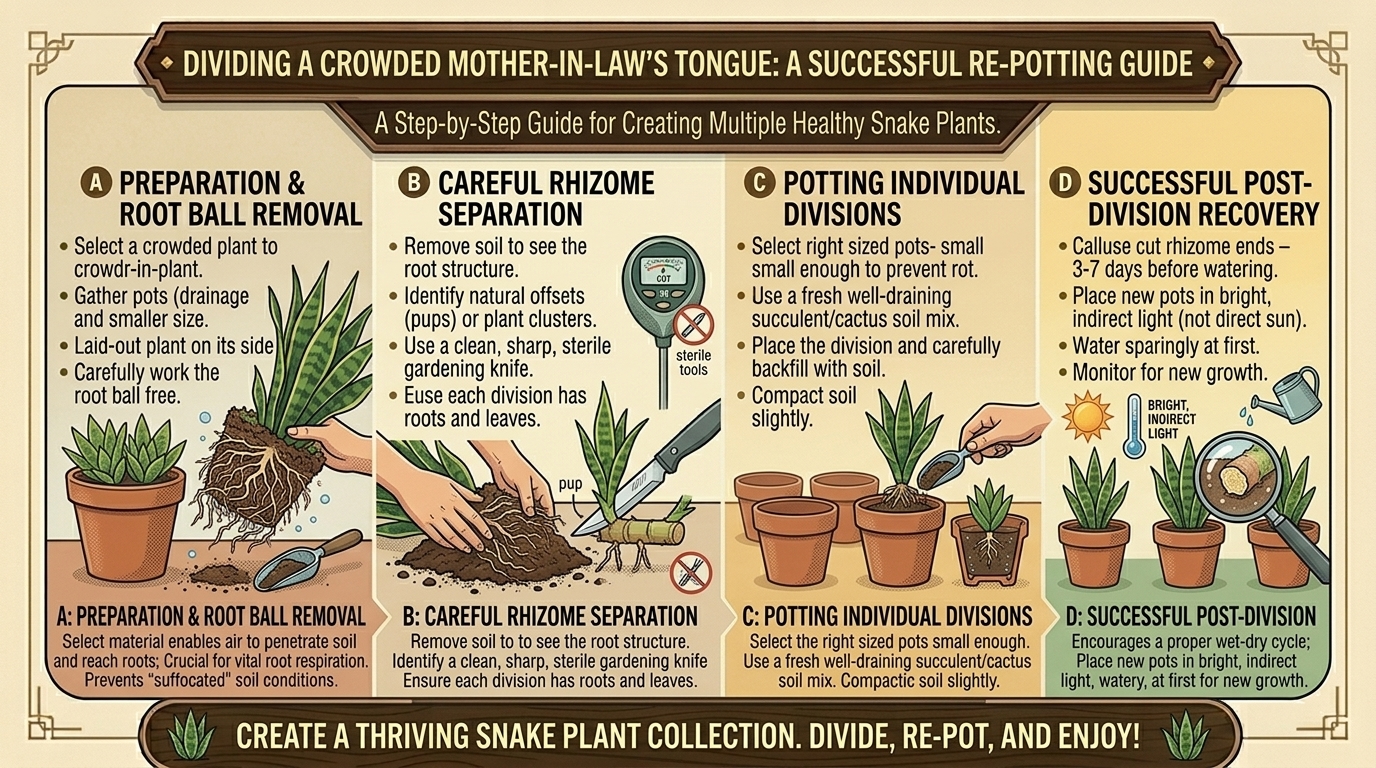
7. Why do my succulent roots stick to the inside of a terracotta pot when I repot?
Because terracotta pulls moisture outward, fine succulent roots often grow toward the cool, damp clay walls and cling to them. When repotting, simply soak the pot beforehand or gently run a knife around the inner edge to loosen the root ball without tearing it.
8. Are there any succulents that actually prefer glazed ceramic pots?
Tropical epiphytic or jungle cacti (like the Epiphyllum Orchid Cactus, Christmas Cactus, or Disocactus) and tropical rainforest succulents prefer higher humidity and slightly more moisture retention, meaning they can handle glazed pots better than true desert cacti.
9. How often should I water succulents in terracotta compared to glazed pots?
As a general rule, succulents in terracotta pots may need to be watered roughly 20% to 30% more frequently during summer, whereas in glazed pots, you must let the soil dry completely, which can take significantly longer depending on indoor humidity.
10. Is terracotta more expensive than glazed ceramic?
Usually, terracotta is much more affordable than glazed ceramic because it requires less complex manufacturing steps (no glazing process or high-temperature vitrification kilns). This makes it a budget-friendly option for expanding indoor plant collections.
Conclusion
When it comes to keeping desert cacti and arid succulents healthy, thriving, and free from the hidden threat of root rot, unglazed clay terracotta pots are the undisputed champions. Their unique breathability, moisture-regulating micro-porosity, and root-oxygenating walls mirror the dry, airy conditions these plants crave in nature.