Why Wiping Dust Off Your Indoor Houseplant Leaves Dramatically Improves Their Ability to Absorb Light
When indoor plant enthusiasts curate an indoor jungle—whether styling a sunlit loft in San Francisco, an urban apartment in New York, a residential home in Texas, or chic living spaces across California and Washington—they invest heavily in premium soil mixes, custom ceramic pots, specialized grow lights, and precise watering schedules. Yet, one of the most vital, foundational maintenance practices is frequently overlooked: removing dust from the leaves.
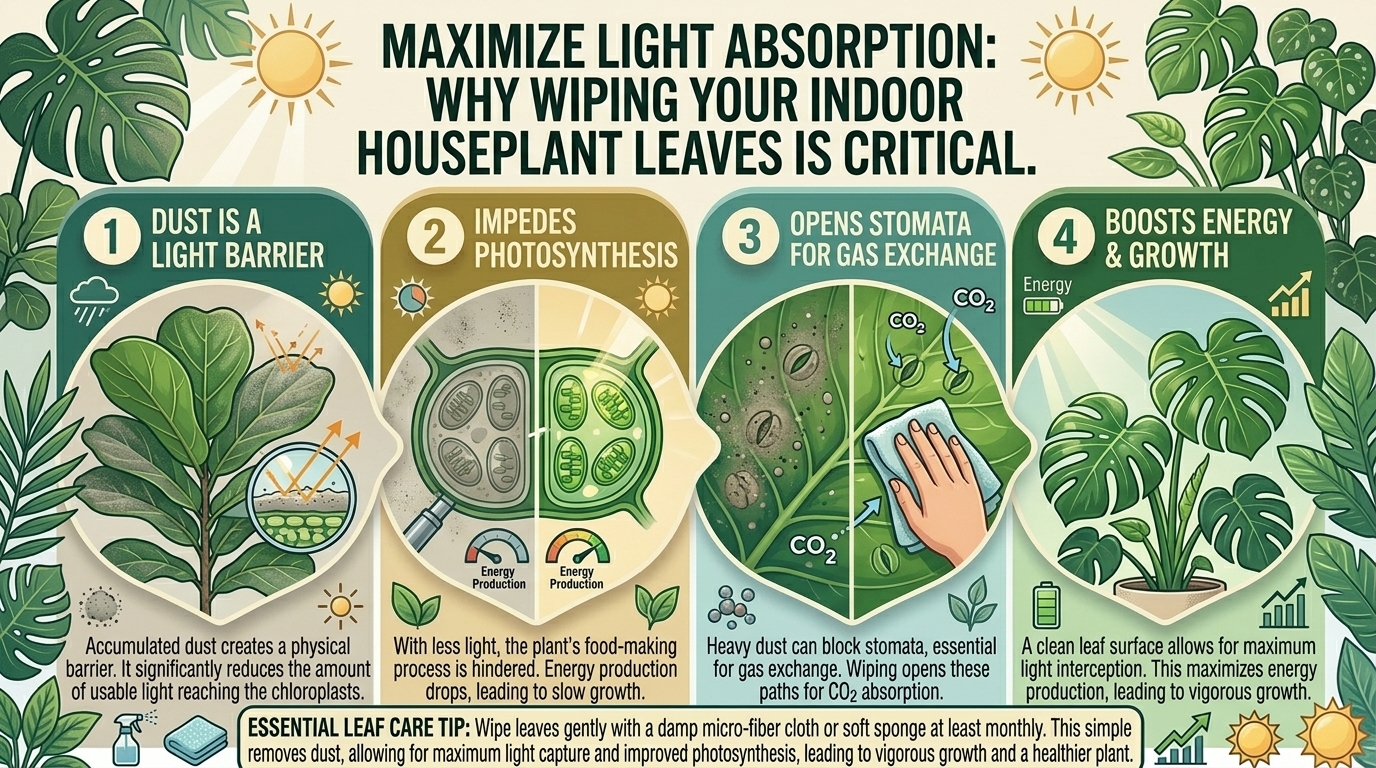
At first glance, a light grey film settling on the glossy foliage of a Monstera deliciosa, a Ficus elastica, or a Peace Lily may seem like a purely aesthetic nuisance. However, that thin layer of household dust is doing far more than dulling your plant’s shine. It acts as an organic solar shield, physically blocking vital light energy from reaching the cellular machinery your plants need to survive.
Brought to you by kcplants.com, this comprehensive masterclass dives deep into the botanical science of leaf hygiene, exploring exactly how dust starves your greenery, why clean leaves unlock exponential growth, and how to safely maintain pristine foliage for an thriving indoor garden.
Part I: The Anatomy of a Leaf and the Physics of Light Absorption
To understand why a dusty leaf struggles, we must look at how plants capture light. Leaves are essentially biological solar panels engineered by nature to harvest photons and convert them into chemical energy.
- The Role of Chlorophyll: Inside the mesophyll cells of a leaf lie chloroplasts, which contain chlorophyll—the green pigment responsible for absorbing light energy (primarily in the blue and red wavelengths).
- The Photonic Barrier: Household dust is a complex mixture of dead skin cells, textile fibers, microscopic soil particles, pollen, and combustion byproducts. When this debris settles across the leaf blade, it scatters, reflects, and absorbs incoming light before those photons can ever strike the chloroplasts.
- The “Dirty Windshield” Analogy: Think of a car windshield covered in dried mud and grime. The sun is still shining brightly outside, but the barrier prevents clear visibility inside. Similarly, a dust-covered houseplant might sit right next to a bright south-facing window, but its actual light intake can be severely restricted by a heavy surface coating.
Part II: How Dust Disrupts Photosynthesis and Plant Vigor
Photosynthesis is the engine of plant life. During this process, plants combine absorbed light energy, water, and carbon dioxide to synthesize glucose (their primary food source), releasing fresh oxygen as a byproduct. When dust covers the leaves, this entire metabolic chain reaction is compromised:
- Energy Starvation: With fewer photons penetrating the epidermis, the rate of photosynthesis drops. A starved plant produces less glucose, leading to sluggish growth, smaller new leaves, and a general lack of vigor.
- Stomatal Clogging and Gas Exchange: Leaves breathe through microscopic cellular valves called stomata (primarily located on the undersides of leaves). Heavy dust accumulation can clog these structures, inhibiting the intake of carbon dioxide and the release of oxygen and moisture vapor.
- Increased Vulnerability to Pests: Stressed plants with compromised immune systems emit chemical signals that attract sap-sucking insects. Furthermore, dusty environments provide ideal micro-habitats for spider mites and thrips to hide from natural predators and environmental checks.
Part III: Step-by-Step Guide to Cleaning Different Houseplant Leaf Textures
Not all houseplants have the same foliage structure. Using the wrong cleaning technique can damage delicate leaves. Here is how to clean different leaf types safely:
- Large, Smooth, and Glossy Leaves (e.g., Monstera, Fiddle Leaf Fig, Rubber Tree):
- Support the back of the leaf with one hand.
- Wipe gently from the stem to the tip using a soft, damp microfiber cloth soaked in tepid water.
- Avoid harsh chemical “leaf-shine” products, which can clog stomata and trap dust.
- Fuzzy or Velvet Leaves (e.g., African Violets, Begonias):
- Water trapped on hairy leaves can cause rot or fungal spotting.
- Instead of a damp cloth, use a very soft, dry artist’s paintbrush or a specialized soft makeup brush to gently sweep away dust particles.
- Small, Trailing, or Fine Foliage (e.g., String of Pearls, Ferns):
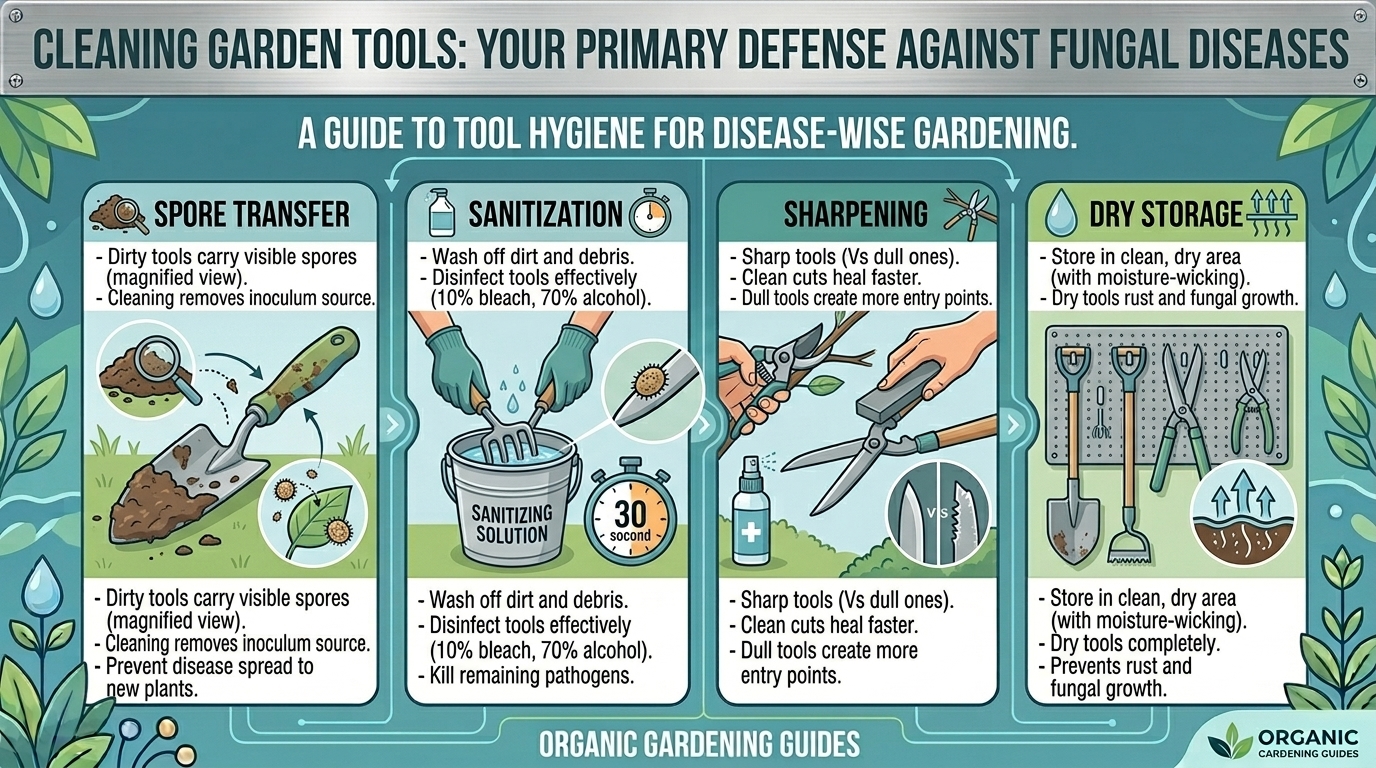
- Take smaller potted plants to the kitchen sink or shower and give them a gentle, lukewarm rinse using a handheld sprayer on a low-pressure setting.
- Cover the soil surface with plastic wrap if you wish to prevent soil washout, and let them dry completely in a well-ventilated area.
Part IV: Environmental Factors That Accelerate Dust Accumulation
Depending on where you live or where your plants are positioned within your home, dust accumulation rates can vary wildly:
- Urban Environments (San Francisco, New York): High-density urban living, heavy street traffic, and open windows can cause fine particulate matter and soot to enter homes rapidly, coating leaves within weeks.
- Arid or Windy Climates (Texas, parts of California): Dry air increases static electricity, causing dust particles to cling more aggressively to leaf surfaces. Homes with forced-air heating and cooling systems also circulate airborne dust continuously.
- Proximity to High-Traffic Zones: Plants placed near entryways, ceiling fans, or active pet zones gather particulate matter much faster than plants tucked away in quiet corners.
Part V: Pro Tips for Maximizing Indoor Plant Light Efficiency
- Establish a Routine Cleaning Schedule: Inspect your houseplants every two to three weeks. A good rule of thumb is to wipe down your plants whenever you do your regular household dusting.
- Combine Cleaning with Pest Scouting: Leaf-cleaning sessions double as an ideal time to inspect the undersides of leaves for early signs of pests, sticky honeydew residue, or discoloration.
- Optimize Plant Placement: Pair regular cleaning with strategic placement. Ensure your plants receive bright, indirect light tailored to their specific species requirements, allowing them to make the absolute most of every unblocked photon.
10 Frequently Asked Questions (FAQ)
1. Does wiping dust off houseplant leaves really make a noticeable difference in their growth?
Yes. Removing dust clears the solar-blocking barrier over the chlorophyll, allowing maximum light absorption and significantly boosting photosynthetic efficiency, which directly translates to healthier, faster growth.
2. How often should I clean the leaves of my indoor houseplants?
A general guideline is to check and clean your plants every 2 to 4 weeks. If you notice a visible grey film or if you live in a dusty urban environment, you may need to clean them more frequently.
3. Can I use commercial leaf-shine sprays to make my plants look glossy?
It is generally best to avoid commercial aerosol leaf-shines. These products often leave an oily or synthetic residue that seals the stomata, attracts more dust over time, and can damage delicate leaf tissues. Plain lukewarm water is safest.
4. What is the best liquid to use when wiping down leaves?
Plain, tepid (lukewarm) water is ideal. For plants with mineral or hard water spots (limescale), a few drops of mild castile soap or a tiny drop of gentle dish soap per quart of water can be used, followed by a clean water rinse.
5. Can all houseplants be showered in the bathroom or sink?
Not all. Smooth-leaved tropical plants love a gentle shower. However, fuzzy-leaved plants (like African Violets) or succulents that hold water in rosettes can rot or scar if water pools on their leaves or crowns.
6. How do I clean plants with fuzzy or delicate leaves that hate water?
Use a soft-bristled, dry brush—such as a clean makeup brush or a soft artist brush—to gently sweep dust away from the leaves without damaging the delicate trichomes (hairs).
7. Does dust on leaves also attract pests?
Yes. Heavy dust layers can create a micro-environment that shelters tiny pests like spider mites and thrips, while weakening the plant’s natural defenses due to reduced energy production.
8. Why do hard water spots form on my houseplant leaves, and how do I remove them?
Hard water stains occur when tap water high in calcium and magnesium dries on the leaf surface. You can remove these chalky mineral deposits by wiping the leaves down with a cloth dampened with a 50/50 mixture of distilled water and white vinegar.
9. Should I clean the undersides of the leaves as well?
Yes. While light absorption happens primarily on the upper surface of the leaf, cleaning the underside is crucial because many plant stomata and common houseplant pests reside there.
10. Does leaf cleaning improve indoor air quality?
Indirectly, yes. By maximizing the plant’s capacity for photosynthesis, clean leaves allow the plant to function at peak efficiency, optimizing carbon dioxide absorption and oxygen output within your indoor living space.
Conclusion
Wiping dust off your indoor houseplant leaves is much more than a cosmetic chore—it is an essential horticultural practice that directly dictates how well your plants thrive. By removing the microscopic solar shield resting on your foliage, you instantly maximize light absorption, supercharge photosynthesis, and protect your green investments from pests and stress. Visit kcplants.com regularly for more expert tips, guides, and insights to help your indoor jungle flourish!