Every home gardener eventually faces the devastating reality of environmental stress. Whether it is a brutal, triple-digit heatwave scorching your raised beds in Texas, an unexpected late-spring frost threatening tender shoots in New York, prolonged drought conditions and municipal water restrictions in California, relentless winter saturation in Washington, or microclimate wind and fog swings in San Francisco, plants constantly battle invisible pressures.
When plants experience extreme weather, transplant shock, drought, or soil salinity imbalances, their internal cellular systems go into overdrive. Without adequate internal defense mechanisms, cellular walls collapse, photosynthesis stalls, and plants wither, leaving them vulnerable to pests and disease.
Enter kelp meal—one of the most powerful organic soil amendments available to the modern gardener. Harvested sustainably from cold, nutrient-dense ocean kelp forests (typically Ascophyllum nodosum), kelp meal is far more than a simple fertilizer. It is a biological powerhouse packed with natural plant hormones, complex carbohydrates, and over 60 trace minerals that act like an internal immune system booster for your crops.
This exhaustive, masterclass-level guide explores the exact biological science behind how kelp meal builds plant resilience, how it interacts with soil microbiology, and how you can apply it to safeguard your garden across diverse regional climates.
Chapter 1: The Plant Physiology of Environmental Stress
To understand why kelp meal works so effectively, we must first understand what happens inside a plant when environmental stress strikes.
1. How Stress Damages Plant Cells
When a plant encounters drought, heat, or cold stress, its cells produce high levels of Reactive Oxygen Species (ROS)—unstable free radicals that attack and degrade cellular membranes, proteins, and DNA. This oxidative stress causes wilting, chlorosis (yellowing leaves), stunted root growth, and eventual plant death.
2. Osmotic Adjustment and Cell Turgor
During drought or high-salinity conditions, the soil draws moisture away from plant roots through osmotic pressure. To survive, plants must synthesize internal protective compounds called osmoprotectants (such as proline and soluble sugars) that help maintain cell turgor pressure, keeping leaves firm and stomata functioning properly.
Chapter 2: The Magic Inside Kelp Meal (Phytohormones and Trace Minerals)
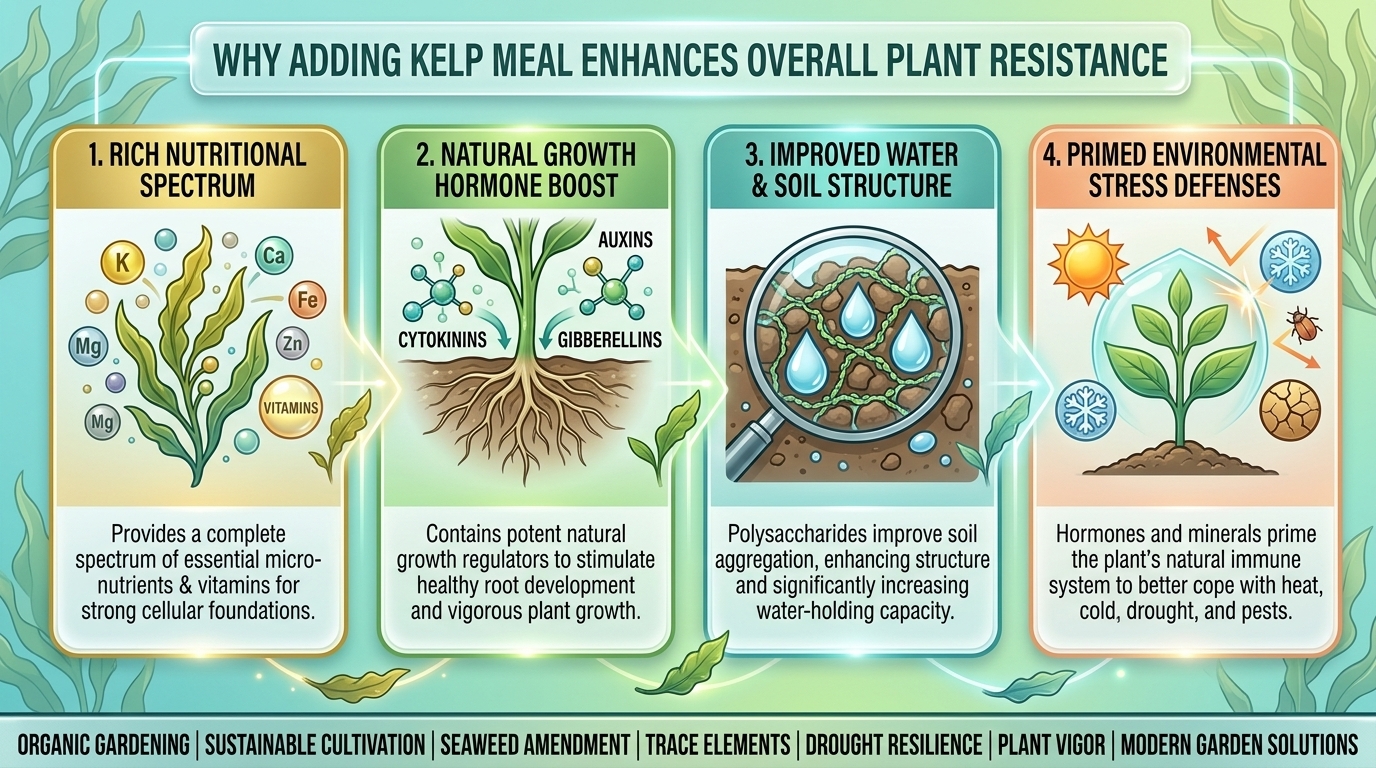
Kelp meal (Ascophyllum nodosum) survives crashing waves, intense UV exposure, and fluctuating tides by manufacturing specialized biochemical survival compounds. When applied to your garden soil, these compounds trigger protective mechanisms inside your plants.
[Kelp Meal Biochemical Profile]
  ├── Natural Phytohormones (Auxins, Cytokinins, Gibberellins) -> Stimulate deep root networks & cell division
  ├── Bioactive Alginates & Carbohydrates -> Feed beneficial soil microbes & improve soil structure
  ├── Comprehensive Trace Minerals (60+ elements) -> Correct micro-nutrient deficiencies
  └── Osmoprotectants / Betaines -> Shield plant cells from drought, heat, and frost stress
1. Phytohormones (Plant Growth Regulators)
Kelp meal is exceptionally rich in natural plant hormones that regulate growth and stress response:
- Cytokinins: Delay cellular aging (senescence), stimulate lateral bud growth, and encourage heavy branching.
- Auxins: Direct root elongation and help plants recover rapidly from transplant shock.
- Gibberellins: Regulate elongation and help plants push through adverse weather phases.
2. Alginates and Complex Carbohydrates
- Alginates are long-chain polysaccharides found in seaweed. When mixed into garden soil, alginates serve as a primary food source for beneficial soil bacteria and mycorrhizal fungi.
- As these microbes consume alginates, they secrete sticky gums (glomalin) that bind soil mineral particles into stable crumbs, drastically improving soil moisture retention and aeration.
3. Broad-Spectrum Trace Minerals
Unlike synthetic NPK fertilizers that supply only three major nutrients (Nitrogen, Phosphorus, Potassium), kelp meal provides over 60 rare trace minerals drawn directly from the ocean. These micronutrients act as essential co-factors for plant enzymatic reactions, ensuring robust, balanced cellular development.
Chapter 3: Regional Gardening Realities: Texas, New York, California, Washington, and San Francisco
Environmental stress is entirely local. Tailoring your kelp meal application strategy to your specific climate ensures maximum plant protection.
1. Texas (Beating Scorching Heat and Drought Stress)
- The Regional Challenge: Texas summers bring brutal, prolonged heatwaves and intense solar radiation that push plants into severe heat stress, causing blossom drop on tomatoes and scorching foliage.
- Kelp Application Strategy: Apply kelp meal to your raised beds and garden soil in early spring before summer heat sets in. The natural cytokinins in kelp thicken cell walls and regulate stomatal closure, helping plants transpire efficiently and survive triple-digit temperatures without collapsing.
2. New York (Handling Freeze-Thaw Cycles and Urban Stress)
- The Regional Challenge: New York gardens experience harsh winter freezes, erratic spring temperature swings, and urban soil compaction that weaken perennial plants and stunt early root growth.
- Kelp Application Strategy: Work kelp meal into your soil during autumn preparation or early spring planting. Its rich trace mineral profile rebuilds depleted urban soils, while its natural plant hormones stimulate vigorous root hair growth to combat frost heaving and early-season chill.
3. California (Maximizing Drought Resilience and Salinity Tolerance)
- The Regional Challenge: California faces chronic water scarcity, strict municipal irrigation limits, and soils that can accumulate high mineral salt levels from recycled irrigation water.
- Kelp Application Strategy: Kelp meal acts as a natural osmotic regulator. By boosting the plant’s internal osmoprotectants, kelp-fed plants require less frequent watering to maintain turgor pressure. Furthermore, kelp helps buffer plants against high soil salinity.
4. Washington (Fortifying Against Cold, Wet Winters and Fungal Pressure)
- The Regional Challenge: Western Washington’s persistent winter rainfall and damp, overcast conditions create chronic root saturation and invite fungal pathogens that attack stressed plant crowns.
- Kelp Application Strategy: Incorporate kelp meal into your raised beds to feed beneficial soil bacteria (Bacillus and Streptomyces). A biologically active soil naturally outcompetes root-rotting fungi, protecting your plants through soggy Pacific Northwest winters.
5. San Francisco (Navigating Marine Microclimates, Wind, and Fog)
- The Regional Challenge: San Francisco gardens deal with chilly marine fog, fierce coastal winds, and variable microclimates that can chill tender plants and cause physical wind burn.
- Kelp Application Strategy: Use kelp meal as a soil top-dressing and apply liquid kelp foliar sprays. Foliar application allows plants to absorb stress-fighting hormones and trace minerals instantly through leaf stoma, providing rapid recovery from coastal wind stress.
Chapter 4: How to Apply Kelp Meal Effectively in Your Garden
Kelp meal is a versatile, long-lasting amendment that can be applied in several ways depending on your gardening goals.
[Kelp Application Methods]
  ├── Method 1: Soil Incorporation (Mix 1-2 cups per 100 sq. ft. into top 6 inches)
  ├── Method 2: Planting Hole Doses (1-2 tablespoons mixed directly into root zone)
  ├── Method 3: Kelp Meal Tea (Steep in water with molasses to create liquid microbial drench)
  └── Method 4: Foliar Spray (Extract liquid kelp for rapid cellular absorption)
1. Direct Soil Incorporation (General Beds)
- Application Rate: Spread 1 to 2 cups of kelp meal per 100 square feet of garden bed, then gently work it into the top 4 to 6 inches of soil where root activity is densest.
- Timing: Apply in early spring before planting, or side-dress established perennial beds in late autumn.
2. Planting Hole Application (Preventing Transplant Shock)
- When planting new perennials, shrubs, or vegetable starts, mix 1 to 2 tablespoons of kelp meal directly into the bottom of the planting hole, blending it slightly with native soil.
- The high concentration of auxins will stimulate rapid root hair development, eliminating transplant shock and helping the plant anchor quickly.
3. Brewing Kelp Meal Tea
- Steep 1/2 cup of kelp meal in a 5-gallon bucket of dechlorinated water along with a tablespoon of unsulfured molasses for 24 hours, using an aquarium air pump for oxygenation.
- Pour this nutrient-rich liquid drench around the base of stressed or heavy-feeding plants for an instant biological and mineral boost.
Chapter 5: 10 Frequently Asked Questions (FAQs)
1. Is kelp meal a fertilizer or a soil amendment?
Kelp meal functions primarily as an organic soil amendment and plant biostimulant. While it contains low levels of NPK (typically around 1-0-2 or 1-0-4), its true value lies in its rich profile of trace minerals, natural plant hormones (cytokinins and auxins), and complex carbohydrates that boost plant stress resistance.
2. How does kelp meal help plants survive drought conditions?
Kelp meal stimulates deep, expansive root systems that can access moisture deeper in the soil profile. Additionally, its bioactive compounds help plants accumulate natural osmoprotectants, allowing cells to retain water and maintain turgor pressure during dry spells.
3. Can kelp meal burn plant roots if I apply too much?
No. Unlike synthetic chemical fertilizers or high-nitrogen blood meal, kelp meal is completely organic, non-burning, and chemically gentle. Even if you accidentally apply extra kelp meal, it will not harm plant roots or cause fertilizer burn.
4. How long does kelp meal take to break down in the soil?
Kelp meal is a steady, slow-release amendment. Soil microbes break down its fibrous structure over 2 to 4 months, continuously releasing trace minerals, plant hormones, and food for beneficial bacteria throughout the growing season.
5. Can I use kelp meal for indoor container plants and herbs?
Yes! Kelp meal is fantastic for indoor potted plants and container herbs. Mix 1 teaspoon into the topsoil of medium-sized pots or brew a weak kelp tea to water your houseplants, boosting their vigor in low-light indoor environments.
6. Does kelp meal attract pests or rodents to my garden?
Unlike bone meal, blood meal, or fish emulsion (which can attract scavenging animals), dried kelp meal has a mild, earthy, ocean-like aroma that rarely attracts mammalian pests or rodents.
7. What is the difference between kelp meal and liquid seaweed extract?
Kelp meal is dried, ground seaweed that provides a steady, slow-release supply of minerals and long-term soil microbial food. Liquid seaweed extract is a concentrated liquid concentrate that delivers an immediate, fast-acting dose of hormones and trace minerals via foliar spray or root drench.
8. Does kelp meal help plants recover from frost and cold damage?
Yes. The natural plant regulators in kelp meal help repair damaged cell membranes, stimulate quick new tissue growth, and improve cellular resilience against cold snaps and late-spring frosts.
9. Is sustainable kelp harvesting harmful to ocean ecosystems?
Reputable manufacturers harvest kelp sustainably from wild, cold-water kelp forests (Ascophyllum nodosum in the North Atlantic) using hand-cutting methods that leave the holdfast (root base) intact, allowing the kelp forests to regenerate rapidly without environmental degradation.
10. Can I mix kelp meal with my homemade compost pile?
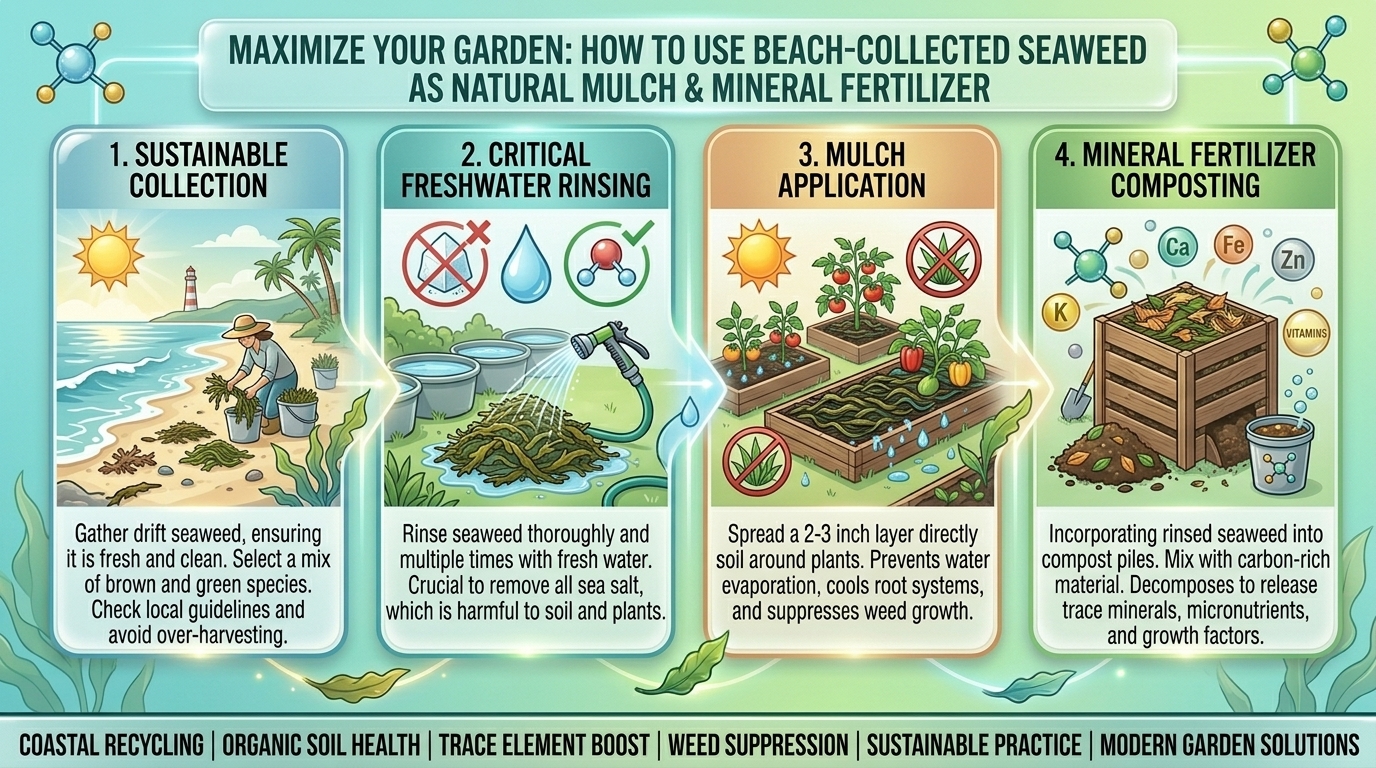
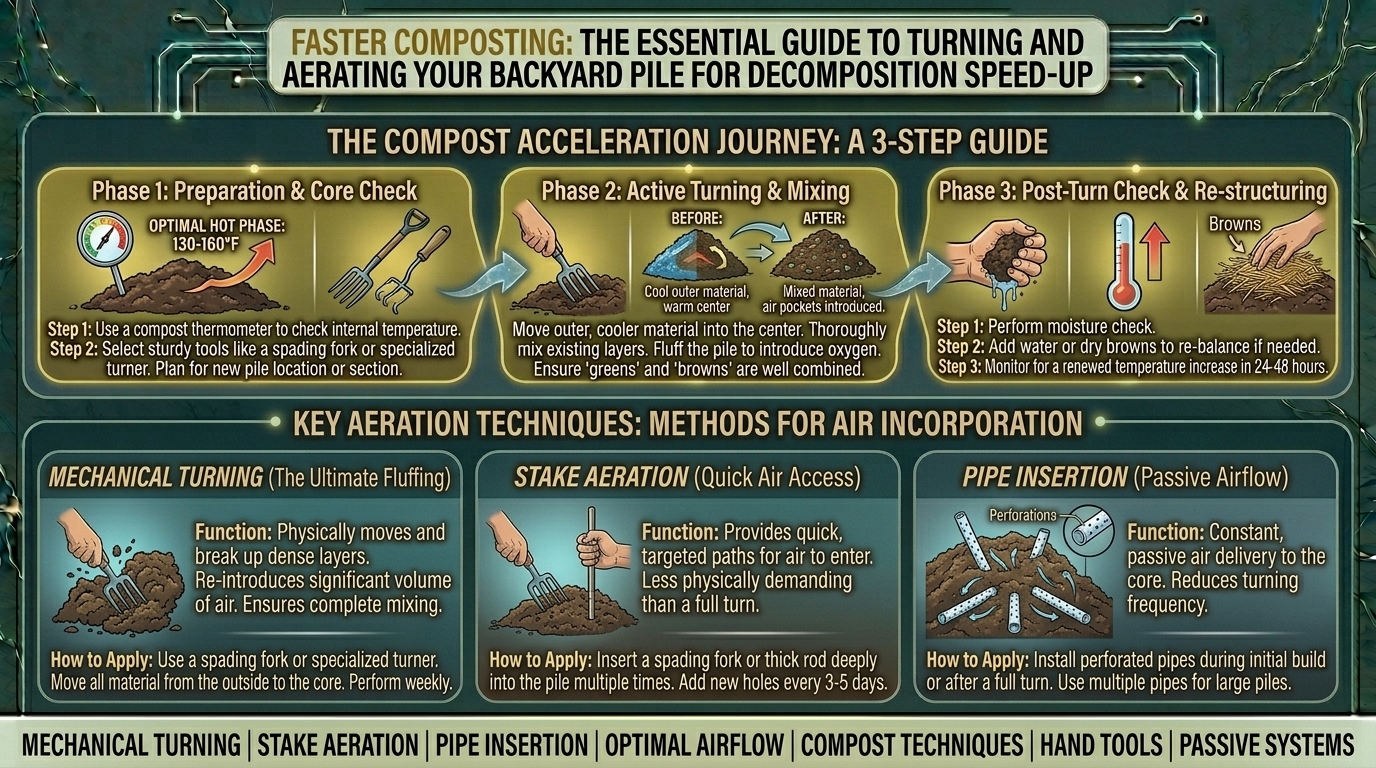
Absolutely. Sprinkling kelp meal into your compost pile introduces valuable trace minerals and feeds the thermophilic bacteria, accelerating the decomposition process and enriching your finished compost with ocean nutrients.
Conclusion: Build an Unshakable Garden with Kelp Meal
Environmental stress is an inevitable part of gardening, but plant failure is not. By incorporating kelp meal into your soil management routine, you equip your plants with natural auxins, cytokinins, trace minerals, and cellular armor that make them resilient against heat waves, drought, frost, and soil imbalances.