How to Build a Simple DIY Beer Trap to Catch and Eliminate Destructive Garden Slugs Overnight
Welcome back to kcplants.com, your ultimate online destination for practical, eco-friendly, and highly effective gardening solutions. Whether you are tending to backyard raised beds under the intense sun of Texas and California, managing urban container gardens on a windy balcony in San Francisco or New York, or nurturing delicate cool-season greens through the damp, misty climate of Washington, there is one common nocturnal marauder that every gardener dreads: the garden slug.
You walk out to your garden eager to check on your prized lettuce, hostas, or dahlias, only to find ragged, jagged holes chewed through the leaves and a shiny, silvery trail of dried slime glistening across the soil. Slugs are relentless night-shift feeders. Operating under the cover of darkness or heavy overcast skies, a small population of gastropods can decimate tender seedlings in a single evening.
While chemical bait pellets exist, many modern gardeners prefer safer, organic, and non-toxic methods that protect family pets, birds, and beneficial soil microbes. One of the oldest, cheapest, and most brilliantly effective organic weapons in garden history is the DIY beer trap.
This comprehensive guide will teach you the science behind why beer traps work so well, step-by-step instructions for building an escape-proof trap, best placement practices, and how to maintain your traps for maximum nightly success.
Part 1: Why Beer Attracts Slugs (The Science Behind the Trap)
To build an effective trap, it helps to understand what draws slugs to beer in the first place. Slugs possess an exceptionally sharp sense of smell, which they use to locate decaying organic matter, moisture, and food sources.
The Power of Fermentation
- Yeast and Sugars: Commercial beer is packed with fermenting yeast, sugars, hops, and malt. To a slug, the chemical aroma profile of fermentation mimics the scent of overripe, decomposing fruit and rich, yeasty organic matter—their absolute favorite meals.
- The Fatal Attraction: Once a slug catches the scent plume drifting through the damp evening air, it glides across the soil directly toward the source. It slides into the container, climbs over the rim, drops in to feed on the liquid, and—due to the slippery container walls and the intoxicating nature of the fluid—is unable to crawl back out, ultimately drowning peacefully overnight.
Part 2: Materials Needed to Build Your DIY Beer Trap
You do not need expensive commercial slug traps or specialized gear. Everything required to build a professional-grade beer trap is likely already sitting in your kitchen or recycling bin.
The Checklist:
- A Shallow Container: Small, flat-bottomed plastic food tubs (like old yogurt, margarine, or takeout containers), shallow tuna cans, or even disposable plastic cups work wonderfully.
- Standard Beer: You do not need expensive craft IPAs or top-shelf stouts. In fact, cheap, bottom-shelf, high-yeast macro-lagers or stale beer left over from a weekend gathering work significantly better because of their strong yeast content.
- A Utility Knife or Scissors: To modify your container lids.
- Shovel or Trowel: To dig a shallow sinking hole in the soil.
Part 3: Step-by-Step Instructions to Build and Install Your Beer Trap
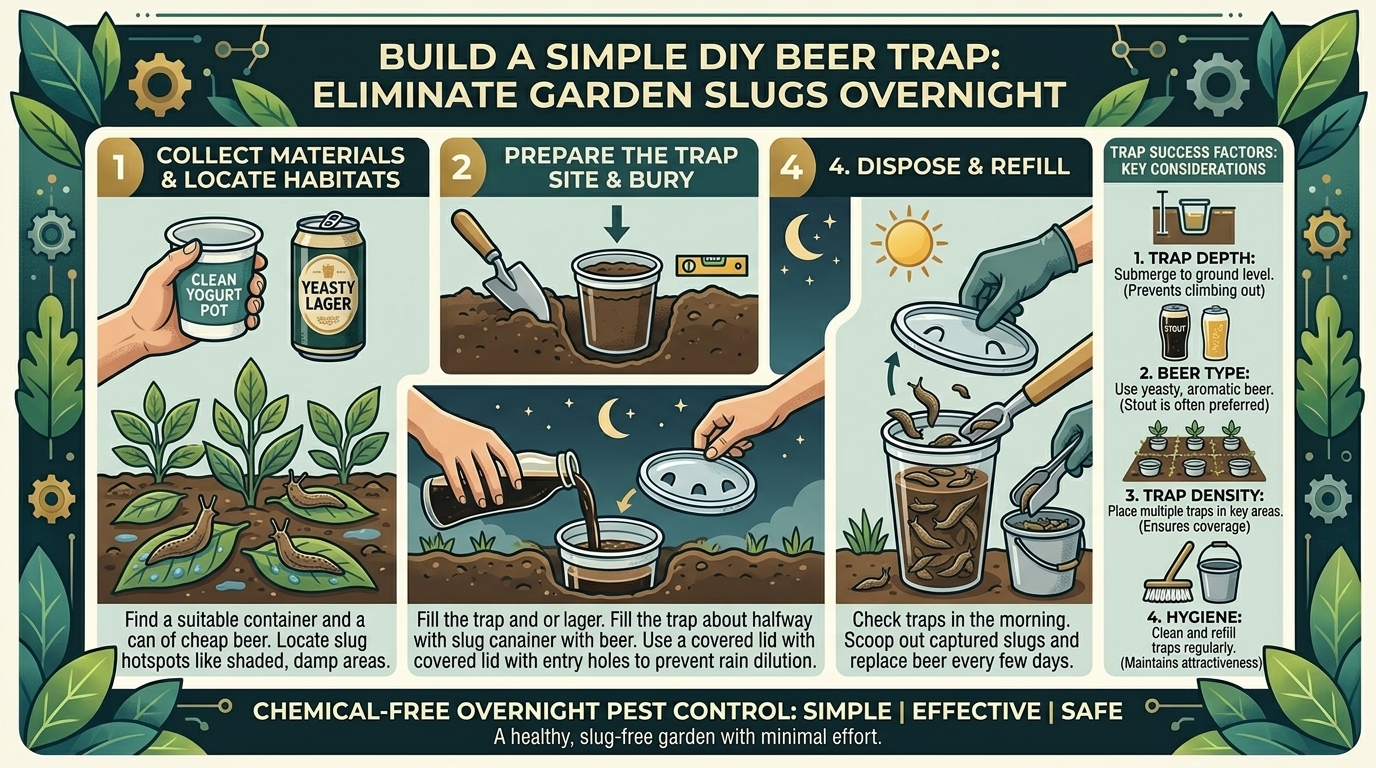
Proper installation is the secret difference between catching zero slugs and waking up to a container full of hundreds of pests. Follow this 4-step framework:
Step 1: Prepare the Container
Take your shallow plastic container and clean it thoroughly. If you are using a plastic food tub with a lid, use a utility knife to cut a small, coin-sized entry hole directly into the side of the container (just above the fluid line) or punch small entry holes in the lid. This prevents rain from diluting your beer during overnight downpours and keeps wandering neighborhood cats or dogs from drinking the liquid.
Step 2: Sink the Trap Flush with the Soil Line
Slugs travel along the surface of the soil. If your beer trap sits on top of the ground like a tall cup, slugs will have trouble climbing up the vertical plastic walls.
- Use your trowel to dig a small hole in the soil directly adjacent to your most vulnerable plants (such as hostas, lettuce, or strawberries).
- Place your container inside the hole so that the rim of the container sits perfectly flush and level with the surface of the surrounding soil.
Step 3: Pour the Beer
Fill the container with beer until it is roughly 1 to 2 inches deep (leaving at least an inch of empty space between the liquid surface and the rim of the container so trapped slugs cannot easily reach a handhold to escape).
Step 4: Check and Clean Daily
Wake up early the next morning and inspect your trap. You will likely find a surprising number of slugs floating inside. Dispose of the contents in your outdoor compost or municipal trash, rinse the container clean with water, refill with fresh beer, and reset the trap every 2 to 3 days.
Part 4: Pro Tips for Maximizing Trap Efficiency
To turn your DIY beer trap into a high-output slug eradication machine, apply these expert horticultural tips:
- Strategic Placement: Place your traps in cool, damp, shaded microclimates where slugs naturally congregate during the day—such as beneath large perennial leaves, near the base of compost bins, or right along moist mulched borders.
- No Beer? No Problem: If you don’t drink beer or don’t want to waste it, you can mix a homemade alternative: 1 tablespoon of active dry yeast, 1 tablespoon of sugar, and 1 cup of warm water. The yeast will activate, ferment, and produce the exact same yeasty aroma that attracts slugs.
- Protect from Rain: If heavy spring storms are predicted (especially in regions like Washington or New York), always use a covered container setup with side entry holes to keep rainwater from turning your beer trap into a watery soup that allows slugs to float right back out.
Part 5: Frequently Asked Questions (FAQ)
1. Does the brand or type of beer matter for catching slugs?
Yes! Slugs prefer beers with high yeast content and strong fermentation aromas. Cheap, mass-market American or European lagers and ales work significantly better than filtered craft beers or heavily hopped IPAs, which can sometimes deter them.
2. Will beer traps attract stray cats, dogs, or wildlife to my garden?
While dogs and cats are sometimes attracted to the sweet smell of fermenting yeast, consuming large quantities of alcohol can be toxic to domestic pets. To prevent pets from drinking from your traps, always use a plastic container with a secure lid featuring small side-entry holes, or place an inverted wire mesh basket secured with garden staples over the trap.
3. How often should I empty and refill my beer traps?
You should check, empty, and refill your beer traps every 2 to 3 days. Over time, the beer evaporates, the yeast odor fades, and the container fills up with decomposing slug debris, which quickly turns into a foul-smelling sludge that loses its attractive power.
4. Do beer traps attract slugs from my neighbor’s yard?
A common gardening myth suggests that beer traps draw slugs in from all over the neighborhood. In reality, a slug’s scent-tracking range is relatively short (usually just a few feet). Beer traps only attract the slugs already active in your immediate garden beds, pulling them away from your prized vegetables and into the trap.
5. Can I use baker’s yeast and water instead of actual beer?
Yes, absolutely! A mixture of warm water, sugar, and active dry yeast produces carbon dioxide and fermentation byproducts that mimic beer very effectively, making it a fantastic, budget-friendly alternative.
6. Why are there no slugs in my beer trap in the morning?
If your trap is empty, check a few things: Is the rim sitting flush with the soil line? Did heavy rain dilute the beer? Are you placing the trap close enough to where the slugs are feeding? Moving the trap closer to damaged foliage often solves the issue.
7. Will beer traps catch snails as well as slugs?
Yes! Garden snails share the same biological attraction to fermenting yeast and sugars. Snails with shells will readily crawl into a properly sunk, wide-mouthed beer trap and drown overnight.
8. Are there any organic alternatives if beer traps aren’t enough?
If you are dealing with a severe slug infestation during exceptionally wet seasons, you can supplement your beer traps with iron phosphate-based organic baits (such as Sluggo). Iron phosphate is completely safe to use around children, pets, and wildlife.
9. Can I use wine or vinegar instead of beer?
While sweet fruit wines can attract insects like fruit flies and yellowjackets, fermented malt and yeast in beer are universally proven to be far more attractive to gastropods than wine or vinegar.
10. How can I prevent slugs from entering my garden in the first place?
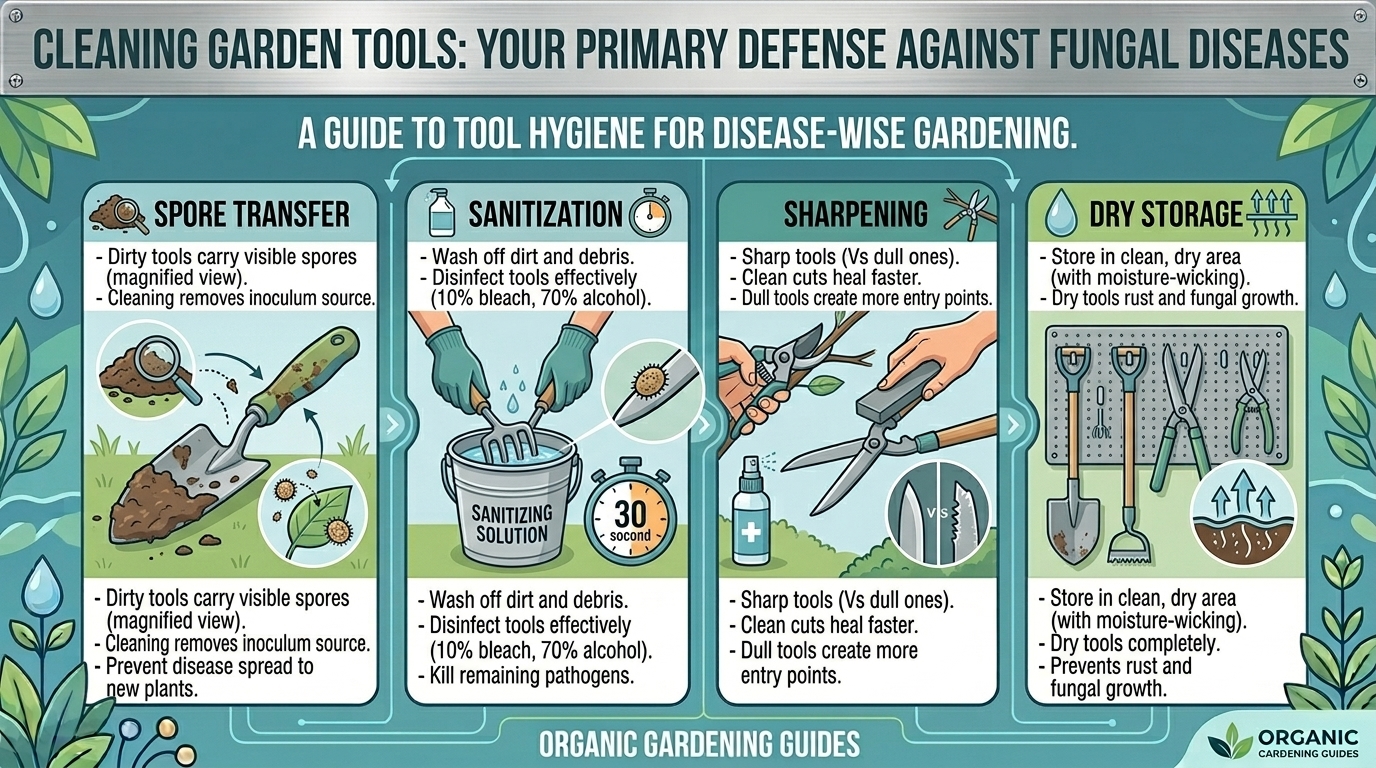
Combine your beer traps with physical barriers (such as copper tape around raised beds, rings of food-grade diatomaceous earth, or sharp volcanic pumice) and switch from overhead sprinklers to drip irrigation to keep soil surfaces dry.
Conclusion
Building a DIY beer trap is one of the easiest, most satisfying, and cost-effective organic gardening projects you can undertake. By sinking a simple plastic container flush with your soil, filling it with cheap fermented lager, and placing it strategically near your vulnerable greens, you can intercept nocturnal marauders before they ever touch your harvest. Take control of your garden oasis today, and enjoy a lush, unblemished crop from coast to coast.