Welcome back to kcplants.com! If you are a plant parent cultivating indoor palm trees across the diverse microclimates of Texas, New York, California, Washington, or San Francisco, you have likely experienced a heartbreaking moment: walking up to your majestic Parlor Palm, Areca Palm, or Kentia Palm only to find that the lush green fronds are ending in unsightly, papery, brown, crispy tips.
Indoor palm trees bring an instant touch of tropical elegance, lush architecture, and serene vacation vibes into any living room, office, or bedroom. However, palms have a reputation for being somewhat dramatic. When indoor growing conditions fall short of their tropical expectations, the very first place they display their distress is at the absolute tips of their fronds.
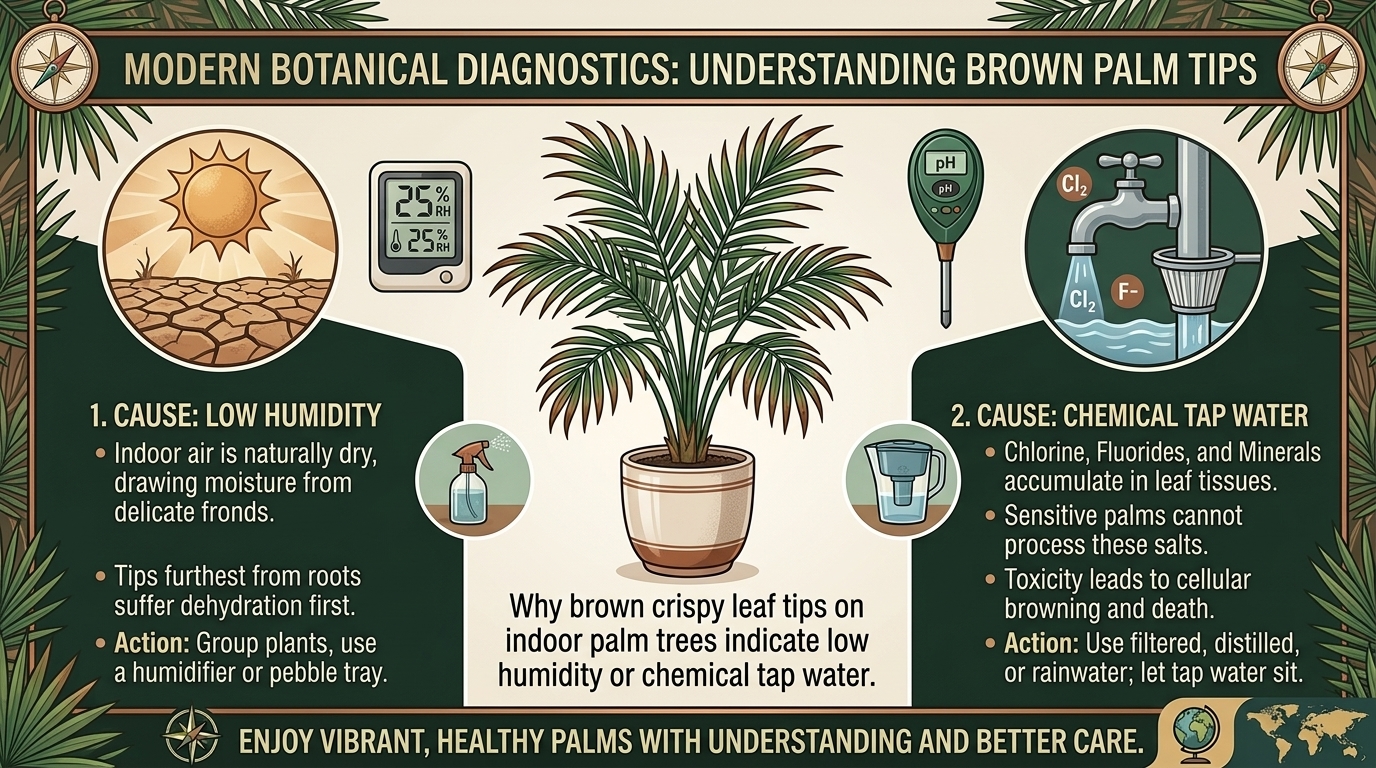
In 95% of cases, brown, crispy leaf tips on indoor palms are caused by one of two invisible culprits: chronically low indoor humidity or accumulated chemical salts from municipal tap water.
This comprehensive, highly informative guide explores the biology of indoor palms, how to diagnose the root cause of leaf browning, and step-by-step strategies to restore your palms to pristine health across every US climate zone.
1. The Biology of Palms: Why Do Tips Turn Brown?
To understand browning fronds, we must look at how palms transport water and nutrients.
The Hydraulic Challenge of Palms
Palms are ancient monocots (related to grasses and lilies), meaning their vascular systems differ significantly from woody dicot trees.
- Water and dissolved nutrients travel upward from the roots through long, fibrous vascular bundles all the way to the absolute tip of each frond leaflet.
- Because palm leaves terminate in narrow, pointed tips, these farthest points are the hydraulic dead-ends of the plant.
- When moisture is scarce or water is contaminated with harsh chemicals, the extreme tips are the first cells to be starved of water and poisoned by mineral buildup, causing them to dehydrate, die, and turn crispy brown.
2. Culprit #1: Chronically Low Indoor Humidity
The most common reason for crispy palm tips is arid indoor air. In their native tropical and subtropical habitats, palms thrive in humid jungle canopies or coastal environments where air moisture routinely hovers between 60% and 80%.
The Indoor Air Trap
Inside our homes, modern heating and cooling systems wage a relentless war on humidity:
- Winter Heating: In regions like New York and Washington, running indoor radiators and forced-air heaters during winter plunges indoor humidity down to a desert-like 15% to 25%.
- Air Conditioning: In Texas, continuous summer AC usage strips moisture out of sealed indoor spaces.
- Coastal Paradox: Even in San Francisco or California, where outdoor coastal air is damp, running indoor heating or closed-window climate control dries out interior spaces drastically.
When dry air surrounds a palm frond, moisture evaporates from the leaf pores (transpiration) much faster than the roots can supply it. The delicate leaf tips dry out first, turning crisp and brown.
3. Culprit #2: Chemical Tap Water Toxicity
If your humidity levels are relatively stable and your palm still develops brown, scorched tips, the issue is likely chemical toxicity hiding in your watering can.
What is Hiding in Tap Water?
Municipal tap water across the United States is treated to be safe for human consumption, but it contains cocktail chemicals and dissolved minerals that sensitive tropical palms despise:
- Fluoride and Chlorine: Water treatment additives used to sanitize public water supplies accumulate in palm leaf tissues over time, directly poisoning the marginal cells of the fronds and causing severe tip burn.
- Total Dissolved Solids (TDS / Hard Water): High levels of calcium, magnesium, and sodium create mineral imbalances in the soil. When these minerals concentrate around the roots, they cause osmotic burn, mirroring the exact symptoms of underwatering and producing brown, crispy tips.
4. Regional Climate Breakdown for Indoor Palms
Where you live dictates how you should manage your indoor palm care routine:
New York & Washington
- The Hazard: Bitter winters require heavy indoor heating, creating extreme dry air.
- The Fix: Invest in a dedicated cool-mist humidifier placed within 5 feet of your palm, and switch from tap water to filtered or distilled water during winter months.
San Francisco & California
- The Hazard: While coastal humidity helps, indoor heating in older Victorian homes or modern apartments creates sudden micro-climate shifts.
- The Fix: Monitor your heating vents. Never place a delicate palm (like a majesty palm or bamboo palm) directly in the path of blowing hot or cold air.
Texas
- The Hazard: Intense summer heat causes rapid soil dry-down, and hard municipal water supplies in many Texas cities load potting soil with heavy mineral salts.
- The Fix: Regularly flush your palm’s soil with clean water every 4 to 6 weeks to leach out accumulated tap water salts (as covered in our previous guides at kcplants.com).
5. Step-by-Step Solutions to Stop and Prevent Brown Tips
If your palm already has crispy tips, you can’t turn dead brown tissue green again, but you can stop the damage from spreading and encourage flawless new fronds.
1. Boost Ambient Humidity
- Group Plants: Cluster your palms together with other tropicals to create a shared micro-humidity zone.
- Use a Humidifier: Running an electric ultrasonic humidifier near your palms is the single most effective way to eliminate low-humidity tip burn.
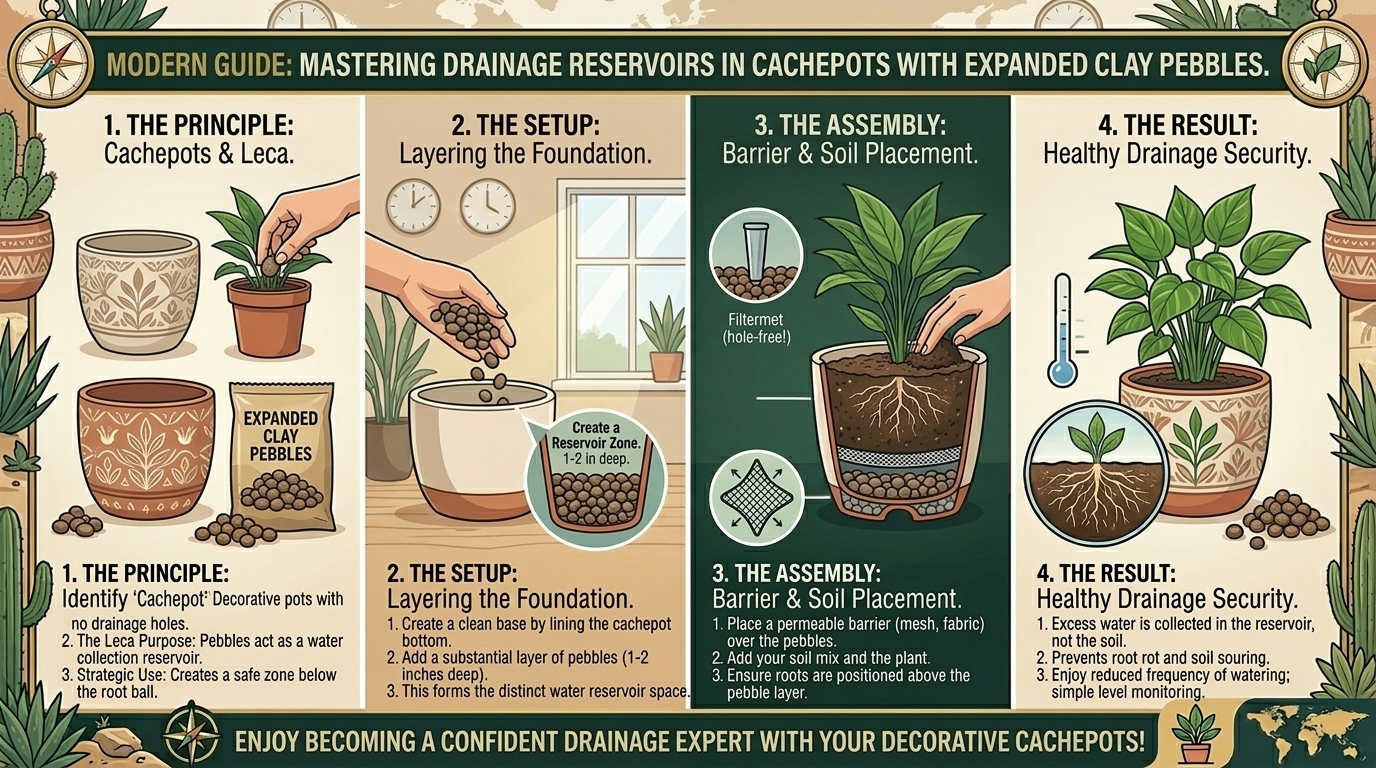
- Pebble Trays: Place your potted palm on a shallow tray filled with water and expanded clay pebbles, ensuring the water level sits just below the bottom of the pot.
2. Switch Your Water Source
- Stop watering sensitive palms straight from the tap if your local water is hard or chemically treated.
- Collect rainwater, use reverse osmosis (RO) water, or run your tap water through an under-sink filtration system to strip out fluoride, chlorine, and excess mineral salts.
3. Proper Pruning Technique (Aesthetic Trim)
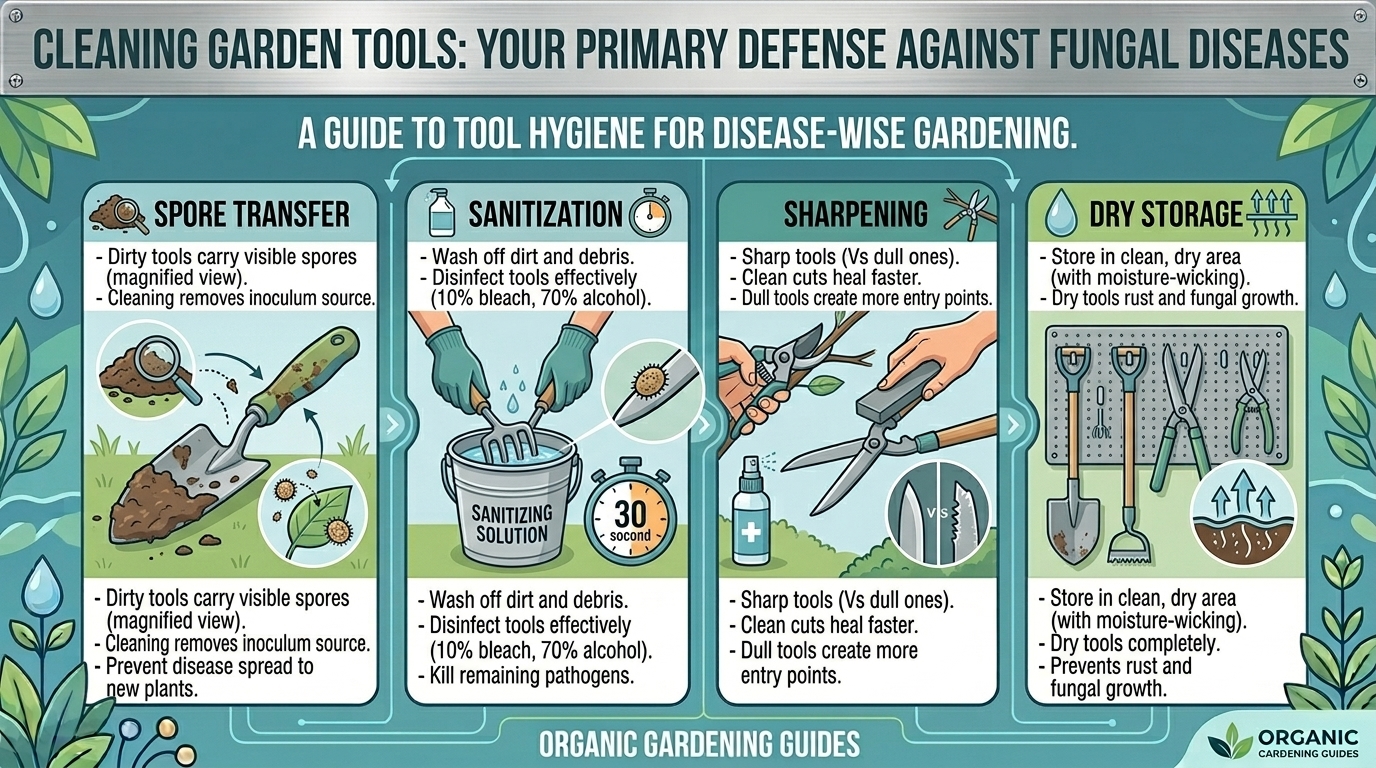
- You can trim away unsightly brown tips with clean, sharp kitchen shears or scissors.
- Crucial Tip: Always cut within the dead brown tissue, leaving a tiny 1-millimeter border of brown edge. Never cut into the green living tissue, as doing so will damage healthy cells and trigger a brand-new brown crust to form!
6. Frequently Asked Questions (FAQ)
1. Can I turn brown palm tips back to green?
No. Once leaf tissue dies and turns brown and crispy, it is dead plant matter and cannot be revived or turned green. You can neatly trim off the brown tips with sharp scissors for aesthetic purposes.
2. Are brown tips on palms caused by overwatering or underwatering?
Both can contribute! Underwatering dehydrates the leaf tips, while overwatering rots the roots, disabling the plant’s ability to transport water upward, which paradoxically results in the exact same crispy brown tips.
3. Which indoor palms are most sensitive to tap water chemicals?
Majesty Palms (Ravenea rivularis) and Areca Palms (Dypsis lutescens) are notoriously sensitive to fluoride and chlorine in tap water, reacting almost immediately with widespread brown leaf tips.
4. How do I know if my indoor humidity is too low for my palm?
You can use an inexpensive digital hygrometer (humidity monitor) placed near your plants. If the reading drops below 40%, your indoor air is too dry for tropical palms.
5. Should I mist my palm fronds with a spray bottle to increase humidity?
Hand-misting is largely ineffective because it only raises humidity for a few minutes and can encourage fungal leaf spot diseases if water droplets sit on the fronds too long. A room humidifier is vastly superior.
6. Can spider mites cause brown tips on indoor palms?
Yes! Spider mites thrive in warm, dry indoor air—the exact conditions that cause low humidity. They pierce palm cells to suck sap, leaving fronds looking speckled, dull, and eventually browning at the tips. Inspect the undersides of your fronds for fine webbing.
7. Does fertilizer burn cause brown tips on palms?
Yes. Over-fertilizing your indoor palm builds up chemical salts in the soil, burning the roots and manifesting as scorched, brown leaf tips. Always use a diluted half-strength fertilizer during spring and summer, and never fertilize a dry plant.
8. How can I safely trim brown tips without damaging the plant?
Use sterilized scissors to cut along the natural contour of the leaf tip, making sure to leave a tiny sliver of brown edge behind so you do not puncture the living green cells.
9. Why are lower fronds on my palm turning completely brown and dying off?
This is entirely normal natural aging! Palms grow from the top (the crown), pushing out new fronds while older, lower fronds naturally yellow, turn brown, and die off over time. You can prune away completely dead lower fronds at the base of the stem.
10. Do indoor palms need specialized potting soil?
Yes. Palms prefer a rich, well-draining soil mix that retains moderate moisture without becoming soggy. Adding a bit of perlite and compost to standard organic potting mix provides the ideal balance for healthy root expansion.
Conclusion
Brown, crispy leaf tips on indoor palm trees are your plant’s primary SOS signal, pointing directly toward dry indoor air or toxic tap water chemistry. By identifying your local regional challenges—whether you are battling winter radiators in New York, dry indoor AC in Texas, or managing microclimates in San Francisco—you can easily adjust your humidity and watering habits.
With a dedicated humidifier, filtered water, and proper care, your indoor palm trees will reward you with lush, emerald-green fronds that bring vibrant tropical beauty into your home all year round.
Looking for more expert palm care guides, troubleshooting tips, and indoor gardening advice? Explore our complete library right here at kcplants.com!