How to Create a Hidden Garden Retreat Separated by Tall Evergreen Privacy Hedge Walls
Transforming an open backyard into a secluded, sanctuary-like hidden garden retreat is one of the most rewarding landscape design projects you can undertake. Tall evergreen privacy hedge walls serve as living architecture—creating soft structural boundaries, muffling urban ambient noise, blocking unwanted views, and establishing microclimates ideal for relaxation.
Whether you are designing an intimate urban sanctuary in San Francisco, managing microclimates and rainfall in Washington, balancing cold winters with warm summers in New York, or crafting a drought-tolerant oasis in Texas or southern California, tall evergreen hedges offer year-round structure and privacy.
At KC Plants, we guide homeowners through designing, selecting, planting, and maintaining living evergreen walls to create functional outdoor sanctuaries tailored to regional growing zones.
1. Choosing the Best Evergreen Hedge Species for Your Region
Selecting the right plant species is the foundational step of building a long-lasting living wall. Your choice depends on your region’s hardiness zone, winter temperatures, soil pH, and moisture availability.
| Evergreen Species | Growth Rate | Mature Height | Best Regional Fit | Key Characteristics |
| Green Giant Arborvitae (Thuja) | Fast (3–5 ft/yr) | 20–40 ft | Washington, New York, Texas | Dense pyramid shape; highly disease resistant; tolerates heavy winter snow. |
| English Laurel (Prunus laurocerasus) | Fast (2–3 ft/yr) | 10–18 ft | Washington, California, San Francisco | Broad glossy leaves; excellent noise barrier; thrives in partial shade to full sun. |
| Italian Cypress (Cupressus sempervirens) | Moderate (1–2 ft/yr) | 20–30 ft | California, Texas | Formal, slender columnar form; drought tolerant; perfect for narrow side yards. |
| Wax Myrtle (Morella cerifera) | Fast (2–3 ft/yr) | 10–15 ft | Texas, Southern California | Native evergreen; salt-tolerant; drought-resistant once established. |
| Japanese Boxwood (Buxus microphylla) | Slow (6–12 in/yr) | 5–8 ft | All Regions | Classic formal look; ideal for mid-level inner garden divisions and pathways. |
2. Step-by-Step Guide to Planning and Installing Your Living Wall
Establishing a healthy, dense evergreen hedge wall requires careful soil preparation, proper spacing, and initial pruning structure.
1.Calculate Spacing and Setback Lines:Avoid mature root and canopy crowd issues.
Measure your property lines and check local zoning setbacks. Space fast-growing conifers like Arborvitae 5 to 6 feet apart on center for a tight hedge wall; broadleaf evergreens like Laurel should be spaced 4 to 5 feet apart.
2.Excavate and Amend Soil Channels:Prepare deep, well-draining soil trenches.
Instead of digging individual holes, dig a continuous planting trench twice as wide as the root balls. Amend native soil with organic compost and well-rotted manure to ensure root establishment and adequate drainage.
3.Plant at Proper Soil Depth:Protect root crowns during installation.
Set plants in the trench so the root collar sits 1 to 2 inches above the surrounding soil line. Settling will occur, and planting too deep causes stem rot. Backfill with amended soil and tamp down firmly to remove air pockets.
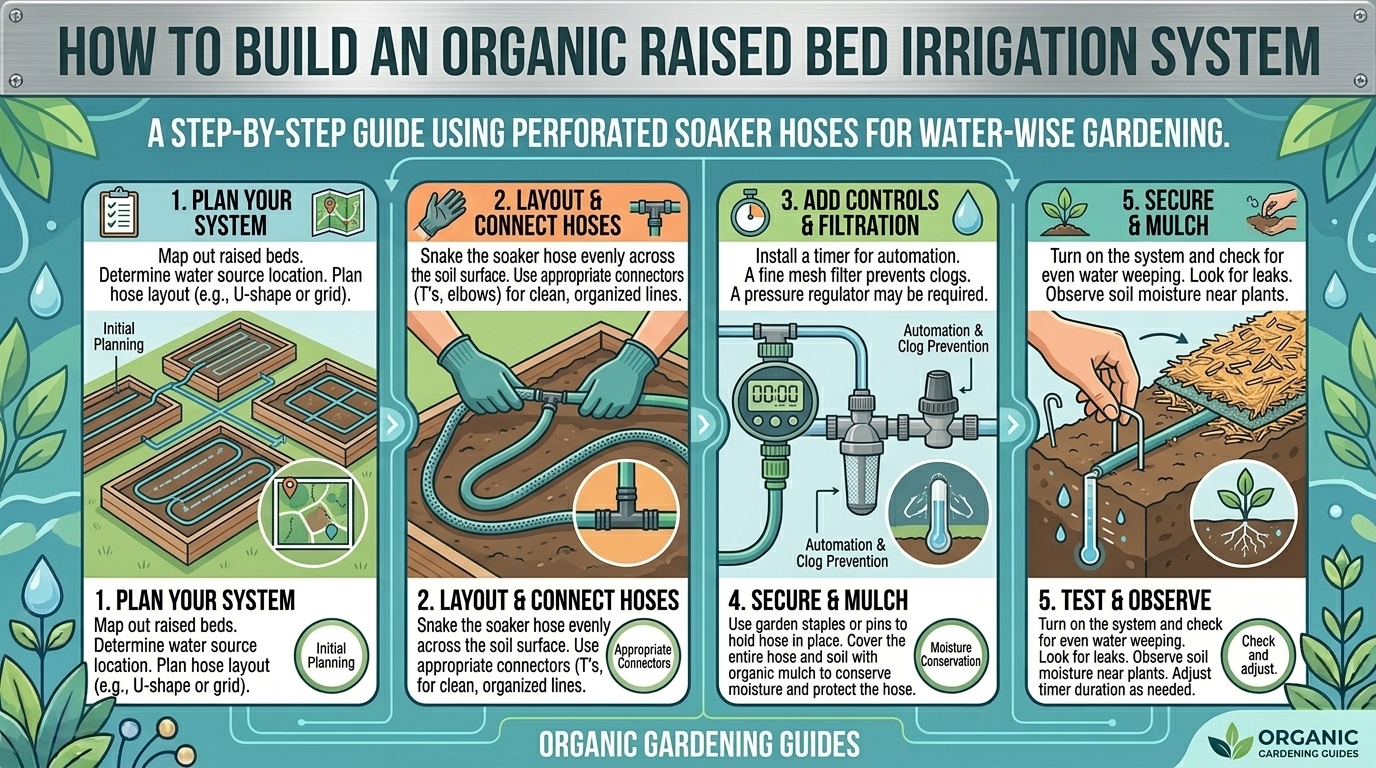
4.Install Soaker Hose Drip Irrigation:Establish continuous low-evaporation hydration.
Lay a dedicated drip irrigation line along the base of the hedge row under a 3-inch layer of organic wood mulch. Deep soak newly planted hedges twice weekly during their first two growing seasons.
3. Designing the Interior Layout of Your Hidden Retreat
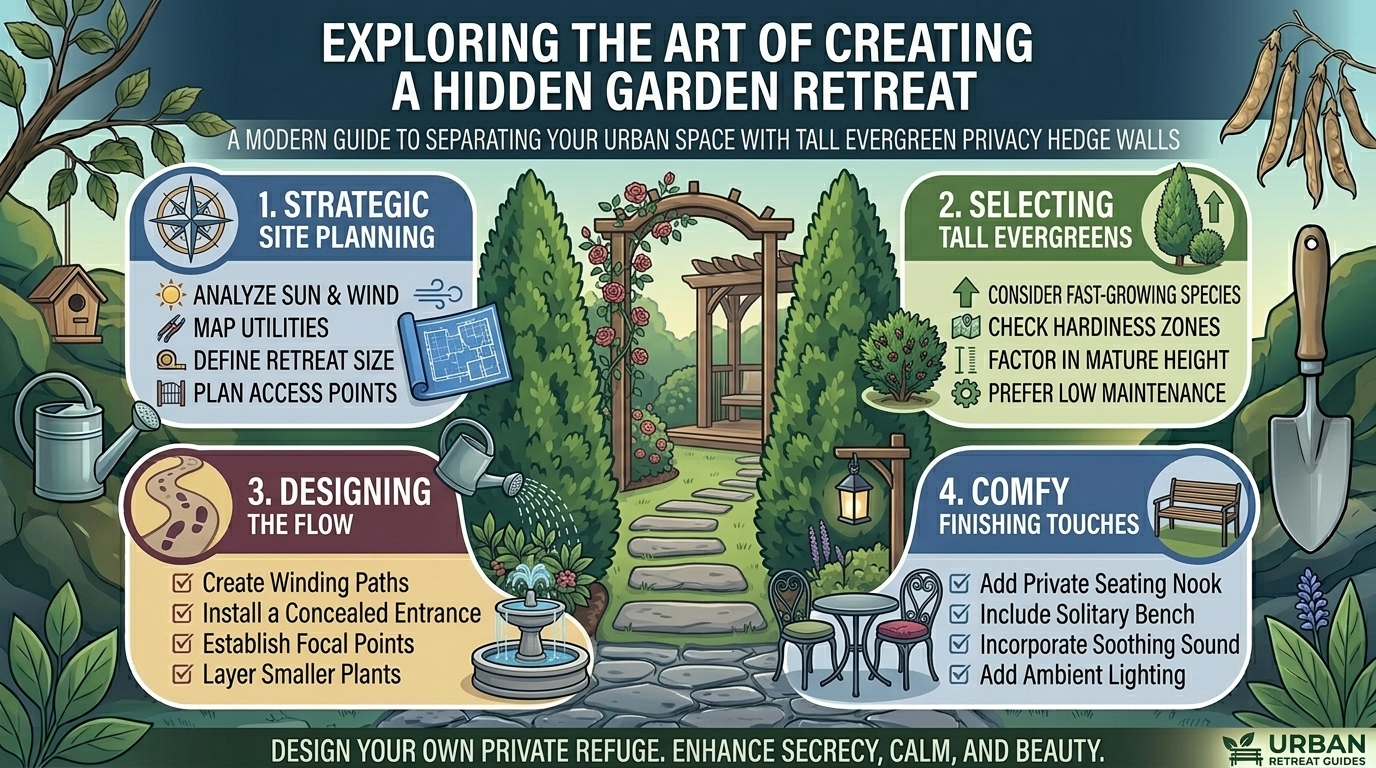
Once your evergreen hedge wall creates structural separation from the main yard, focus on turning the inner court into a functional sensory retreat.
Hardscape and Pathway Integration
- Flagstone or Gravel Pathways: Create a curving entry path leading through a gap in the hedge wall. A winding entrance heightens the sense of discovery and mystery.
- Seating and Focal Points: Place a teak bench, water fountain, or fire pit at the dead-center or far corner of the enclosure to draw visitors inward.
Layering Inner Plants for Texture and Color
Contrast the dark, formal background of your evergreen hedge with softer, flowering inner layers:
- Top Layer (Hedge Wall): Tall evergreens (Arborvitae, Laurel, Cypress).
- Middle Layer: Hydrangeas, Japanese Maples, or ornamental grasses for seasonal movement.
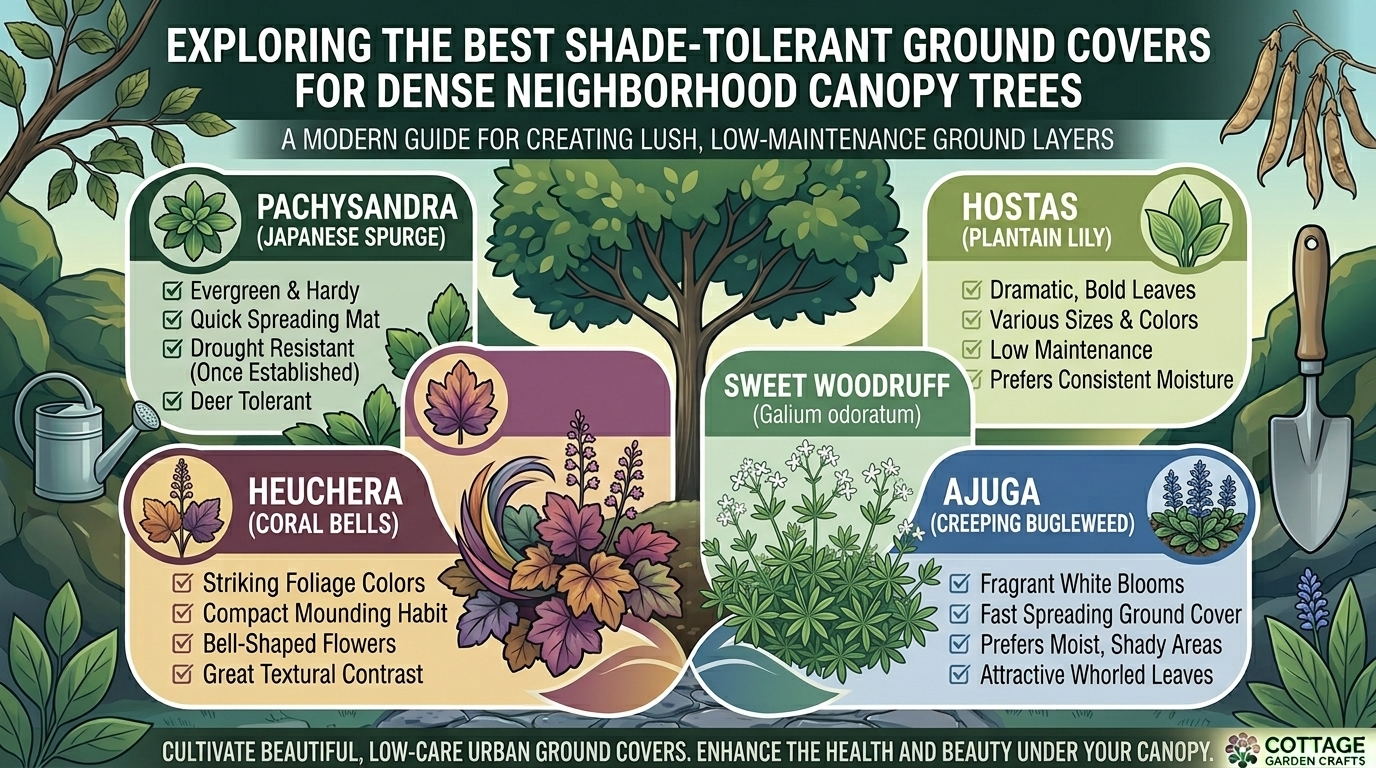
- Ground Layer: Hostas, ferns, creepers, and aromatic groundcovers like thyme or creeping rosemary.
10 Frequently Asked Questions (FAQ)
1. How long does it take for an evergreen privacy hedge to form a solid wall?
Fast-growing species like ‘Green Giant’ Arborvitae or English Laurel typically form a solid, opaque privacy wall within 3 to 5 years when properly spaced, watered, and fertilized.
2. How close to a fence line or property line can I plant a tall hedge?
Check local municipal regulations. Generally, plant hedges at least 3 to 5 feet inside your property line to allow mature root spread and space for you to prune the exterior side without trespassing.
3. What is the best evergreen hedge for small, narrow yards in cities like San Francisco or New York?
Slender, columnar species like Italian Cypress, ‘Sky Pencil’ Holly, or ‘Emerald Green’ Arborvitae grow tall while maintaining a footprint of only 2 to 3 feet in width.
4. How do I stop the bottom branches of my privacy hedge from thinning out?
Prune your hedge in a subtle “A-frame” shape—slightly wider at the bottom than at the top. This allows sunlight to reach the lower branches, keeping foliage dense all the way to the ground.
5. Do evergreen privacy hedges help reduce traffic and neighborhood noise?
Yes. Dense evergreen hedges with broad foliage and thick branch structures absorb and scatter high-frequency ambient noise, creating a noticeably quieter microclimate within the garden retreat.
6. What fertilizer should I use for newly planted evergreen hedge walls?
Apply a balanced, slow-release nitrogen fertilizer formulated for trees and shrubs in early spring, paired with an autumn top-dressing of organic compost.
7. Can I create an evergreen hedge wall in full shade?
Yes. Species like Yew (Taxus), Boxwood, and certain Laurel varieties perform exceptionally well in partial to deep shade conditions beneath large mature tree canopies.
8. How do I protect my privacy hedge wall from winter snow damage in cold climates like Washington or New York?
Multi-stemmed evergreens can split under heavy snow. Gently brush heavy snow off branches with a broom, or loosely wrap inner trunks with arbor tie webbing before winter storms arrive.
9. What is the best drip irrigation schedule for established evergreen hedges in dry states like Texas or California?
Established evergreen hedges benefit from deep, infrequent watering. Run drip irrigation lines for 45 to 60 minutes 1 to 2 times per week during dry periods to encourage deep root growth.
10. How do I create a doorway or archway opening in a living hedge wall?
Allow hedge plants flanking the entrance to grow 2 feet taller than the target arch height. Train and tie flexible upper branches across a temporary wooden or metal arbor frame until they intertwine naturally.
Conclusion
Creating a hidden garden retreat surrounded by tall evergreen privacy hedge walls turns an ordinary yard into an inviting outdoor sanctuary. By selecting climate-appropriate evergreen species, installing proper drip irrigation, maintaining an A-frame pruning shape, and layering sensory inner plants, you establish a peaceful, living sanctuary that grows richer with every passing season.