How to Design a Low-Water Desert Oasis Landscape Style Using Succulents and Decorative Gravel
Creating a stunning, drought-resilient garden does not mean settling for a barren yard of bare dirt and sparse cacti. A well-executed low-water desert oasis landscape combines structural succulents, architectural cacti, lush drought-tolerant perennials, and contrasting decorative gravel to create a serene, resort-style retreat. This landscaping approach—often celebrated in xeriscaping—drastically reduces water consumption while elevating outdoor curb appeal.
Whether you are transforming an arid residential lot in Texas, adapting to strict water conservation standards across California and San Francisco, navigating dry summer spells in Washington, or designing a low-maintenance home garden in New York, a desert oasis style offers a durable, year-round solution.
At KC Plants, we guide homeowners through designing, selecting, and installing climate-appropriate plants and stone materials to build thriving, water-wise landscapes tailored to regional conditions.
1. Principles of Desert Oasis Landscape Design
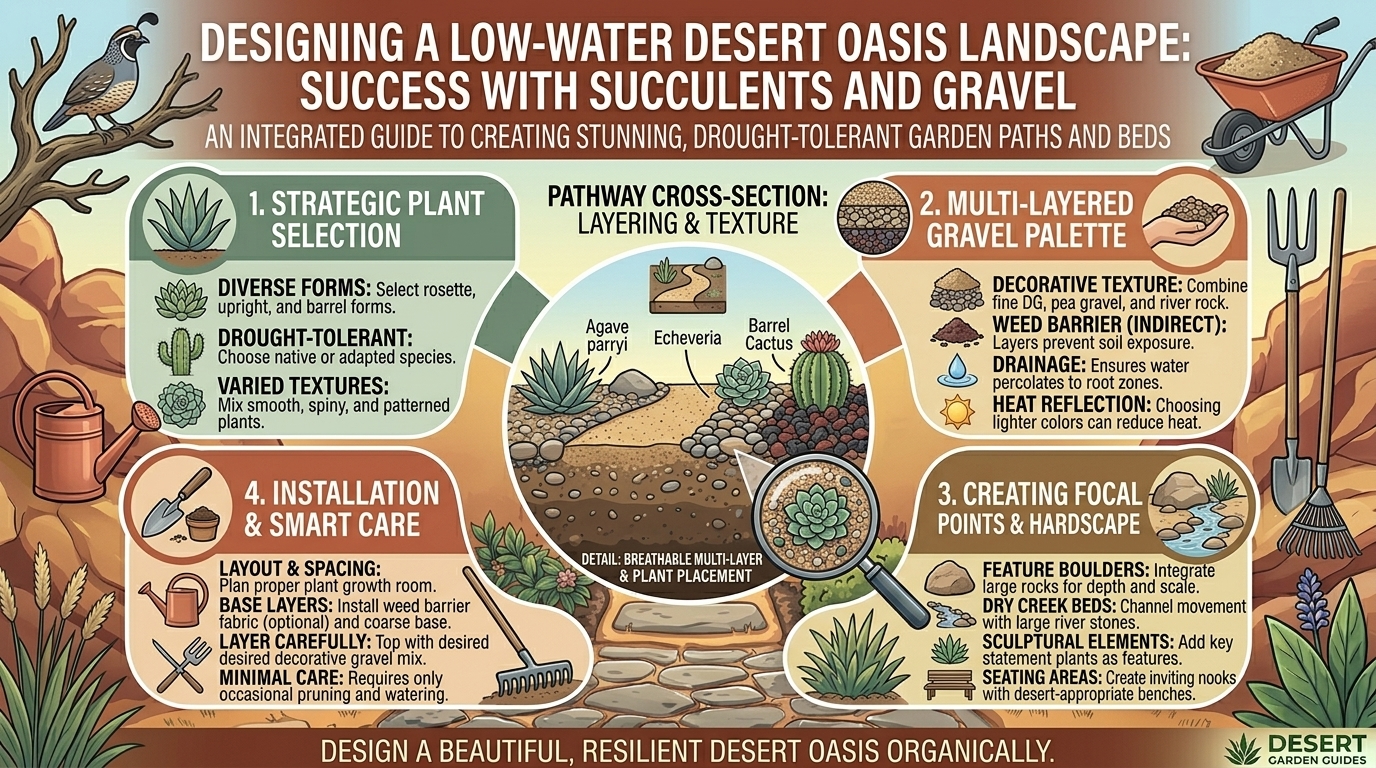
Designing a desert oasis relies on creating visual harmony through plant architecture, stone texture, and subtle focal points. Unlike traditional lawns that rely on uniform green turf, a desert landscape relies on contrast and form.
Focal Plants vs. Accent Clusters
- Architectural Anchors: Position large, bold succulents—such as Agave americana, Yucca rostrata, or Golden Barrel Cacti—as primary focal points near entryways, patio borders, or garden bends.
- Softening Accents: Surround rigid cacti and agaves with softer, flowering succulents like Echeveria, Sedum groundcovers, or Aloe species to balance sharp angles with lush textures.
Layering Decorative Gravel and Boulders
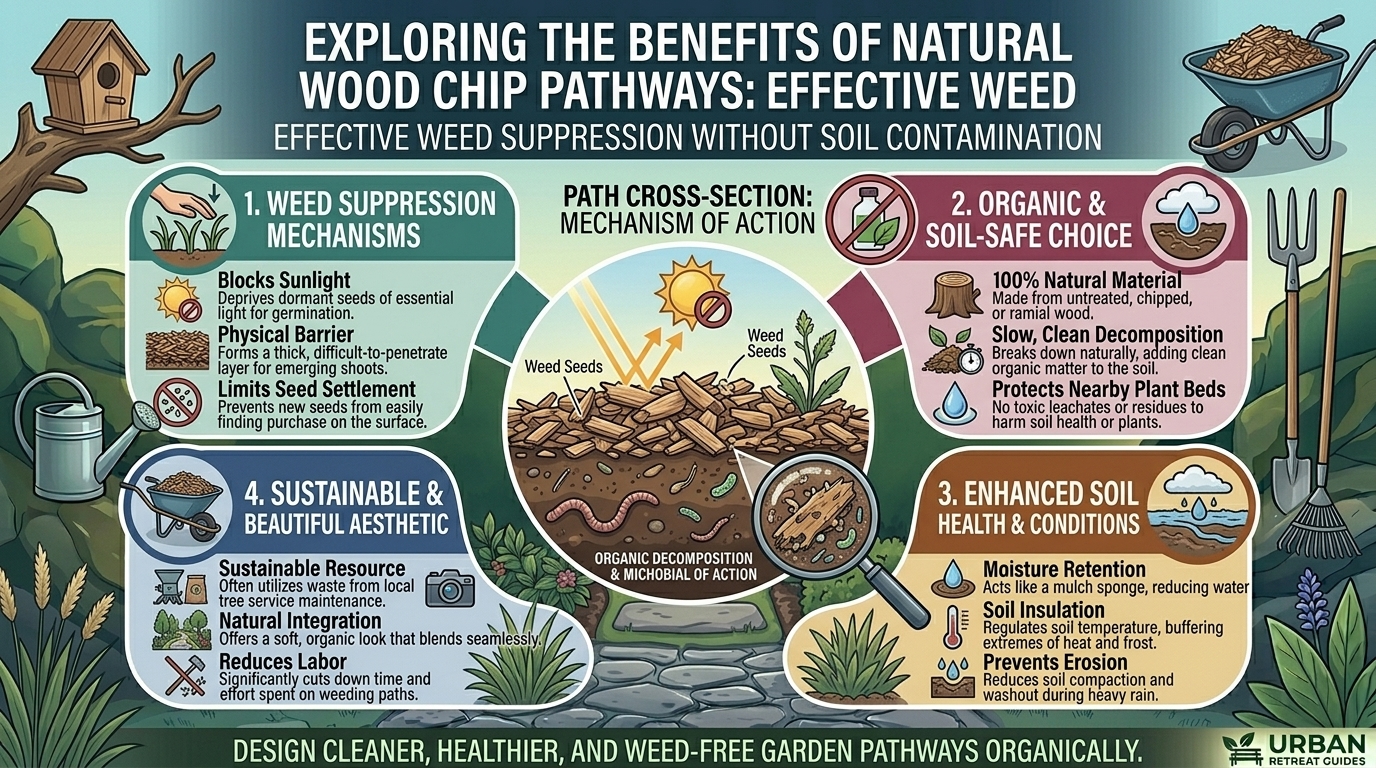
Gravel serves as both a weed barrier and a textural backdrop. Combining different stone sizes creates depth:
- Base Layer (Pea Gravel or Decomposed Granite): Provides a smooth, clean field that enhances plant silhouettes.
- Accent Zones (River Pebbles & Crushed Rock): Defines pathways and dry creek beds to guide water flow naturally.
- Anchor Boulders: Large weather-worn fieldstones or basalt boulders ground the landscape, making the garden feel like a naturally occurring desert canyon.
| Plant Category | Recommended Species | Maturity Height / Spread | Regional Suitability | Key Design Role |
| Architectural Anchors | Agave americana (Century Plant) | 6–10 ft tall / 8–10 ft wide | Texas, California, San Francisco | Bold, structural focal point; dramatic focal centerpiece. |
| Medium Structural | Blue Yucca (Yucca rostrata) | 6–12 ft tall / 3–5 ft wide | Texas, California, Washington, NY | Shimmering blue foliage; excellent vertical height. |
| Mid-Level Flowering | Coral Aloe (Aloe striata) | 2–3 ft tall / 2–3 ft wide | California, San Francisco, Texas | Coral winter blooms; smooth, fleshy evergreen rosettes. |
| Groundcover Fillers | Blue Chalksticks (Senecio serpens) | 1 ft tall / 2–3 ft wide | California, San Francisco | Cool blue ground carpet; contrasts against tan gravel. |
| Cold-Hardy Accent | Stonecrop (Sedum spurium) | 4–6 in. tall / 12–24 in. wide | New York, Washington, Texas, CA | Frost-tolerant carpet; thrives in northern cold winters. |
2. Step-by-Step Guide to Installing Your Desert Oasis Garden
Installing a succulent and gravel landscape requires proper soil preparation and drainage management to ensure long-term plant health.
1.Grade the Area and Enhance Soil Drainage:Prevent root rot in heavy clay or wet soils.
Succulents require fast-draining soil. Excavate heavy native clay and mix in 50% coarse builder’s sand, crushed pumice, or expanded shale to build raised planting mounds or berms that lift roots out of standing water.
2.Position Boulders and Structural Anchors First:Map dry creek beds and focal paths.
Place heavy accent boulders deeply into the soil (buried 1/3 of their depth) before planting. This ensures they look naturally embedded in the terrain rather than sitting loosely on top of the ground.
3.Plant Succulents on Mounds and Slope Outcrops:Group plants by water needs (Hydrozoning).
Set succulents into the amended soil mounds, keeping root collars slightly elevated above the surrounding grade. Group species with similar sunlight and moisture requirements together.
4.Lay Permeable Fabric and Spread Decorative Gravel:Suppresses weeds while retaining subsoil moisture.
Cover open soil surfaces with a high-grade commercial weed fabric. Spread a 2 to 3-inch layer of decorative gravel or crushed stone over the top, keeping stone 2 inches away from plant stems.
3. Water Management and Seasonal Maintenance
Even drought-tolerant desert landscapes require strategic hydration and care to maintain their resort-style aesthetic.
Drip Irrigation and Hydrozoning
While succulents survive on rainfall once established, installing a low-volume drip irrigation system ensures survival during extended summer droughts. Place 1-gallon-per-hour drip emitters directly at the root zone of large agaves and yuccas, running the system deeply but infrequently (once every 2 to 3 weeks in hot summer months).
Seasonal Care Tips
- Spring Refresh: Rake decorative gravel to remove fallen leaves and wind-blown debris. Top-dress sparse gravel spots with fresh stone.
- Winter Protection: In cooler zones like New York or Washington, protect sensitive succulents from severe frost by covering them with breathable frost cloth or selecting ultra-hardy species like Sempervivum and Opuntia.
10 Frequently Asked Questions (FAQ)
1. Can I design a succulent desert oasis in rainy climates like Washington or New York?
Yes. Select cold-hardy, moisture-tolerant species such as Sempervivum (Hens and Chicks), cold-hardy Sedum varieties, and native Opuntia (Prickly Pear). Planting on sharp-draining gravel mounds prevents root rot during wet seasons.
2. How thick should decorative gravel be spread over a landscape?
Spread decorative gravel at a uniform depth of 2 to 3 inches. Spreading it too thin allows weeds to break through, while spreading it deeper than 4 inches makes walking difficult and buries plant crowns.
3. Do I need weed fabric under my decorative gravel?
Yes. A heavy-duty, breathable landscape fabric prevents decorative gravel from sinking into native soil over time while suppressing weed seeds from germinating below.
4. How often do succulents in a desert gravel garden need water?
Newly planted succulents need light watering once a week for the first month. Once established (after 6 to 12 months), most succulents need deep watering only once every 2 to 4 weeks during hot, rainless periods.
5. Will decorative gravel make my yard too hot in sunny areas like Texas or California?
Gravel absorbs and radiates solar heat, which succulents actually love. However, to keep your yard comfortable for human enjoyment, integrate shade trees (like Palo Verde or Mesquite) and cool-toned gravel colors (such as slate blue or light river gray).
6. What is the difference between decomposed granite (DG) and gravel?
Decomposed granite consists of fine, silt-like crushed granite particles that pack down into a firm, walkable surface ideal for pathways. Gravel consists of larger, loose crushed stones (1/4″ to 3/4″) best used for plant mulch beds.
7. How do I clean leaves and debris out of decorative gravel beds?
Use a leaf blower on its lowest power setting angled parallel to the ground to sweep away loose leaves without displacing the heavier decorative stone underneath.
8. Are succulents safe to plant around curious pets?
While many succulents like Echeveria and Sedum are non-toxic, certain species—such as Euphorbia (which secretes an irritating milky sap) and sharp spined agaves—should be kept away from pet play areas.
9. How do I prevent weeds from growing in gravel pathways over time?
Dust and organic debris settle into gravel over time, creating a germinating medium for airborne seeds. Spray occasional weed sprouts with an organic vinegar-based herbicide spray on hot, sunny days.
10. Can I mix succulents with native flowering perennials in a desert garden?
Absolutely. Combining succulents with native drought-tolerant perennials—such as Salvia, Russian Sage, Black-Eyed Susans, or Desert Willow—adds seasonal flower color and attracts beneficial pollinators like bees and hummingbirds.
Conclusion
Designing a low-water desert oasis using succulents and decorative gravel blends ecological water conservation with modern landscape aesthetics. By selecting climate-resilient plants, building fast-draining soil mounds, layering multi-textured stones, and setting up efficient drip irrigation, you can enjoy a vibrant, low-maintenance outdoor sanctuary year-round.
For more regional landscape ideas, drought-tolerant plant guides, and xeriscaping strategies tailored across Texas, New York, California, Washington, and San Francisco, visit KC Plants.