How to Prepare Indoor Houseplants for Indoor Life After Spending the Warm Summer Outdoors
Welcome back to kcplants.com! If you are a plant parent living across regions like Texas, New York, California, Washington, or San Francisco, you likely treated your indoor tropical houseplants to a summer vacation outdoors.
Placing houseplants outside on a shady patio, balcony, or porch during the warm summer months works absolute wonders. Basking in natural outdoor airflow, high ambient humidity, and unfiltered sunlight, plants often explode with lush, vigorous growth.
However, as summer fades into autumn and outdoor temperatures begin to drop, bringing your green friends back inside requires a careful transition. Moving an outdoor plant straight into a climate-controlled living room without preparation can cause massive shock, leaf drop, and an unwelcome invasion of hitchhiking pests.
This comprehensive, step-by-step guide covers everything you need to know to transition your outdoor tropicals back indoors successfully, tailored for gardeners across the United States.
1. The Science of the Transition: Why Moving Indoors is Shocking
To understand why plants struggle when transitioning from outdoors to indoors, you have to look at the massive environmental shift.
The Outdoor Paradise
Outside, your plants enjoy:
- Infinite Air Circulation: Gentle breezes strengthen plant stems and evaporate surface moisture instantly.
- High Light Intensity: Even in shady spots, outdoor light levels are hundreds of times brighter than indoor rooms.
- Natural Humidity & Rainfall: Regular humidity fluctuations and rain showers keep foliage clean and hydrated.
The Indoor Reality
Inside your home, conditions change dramatically:
- Stagnant Air: Indoor air lacks constant natural breezes, increasing vulnerability to mold and pests.
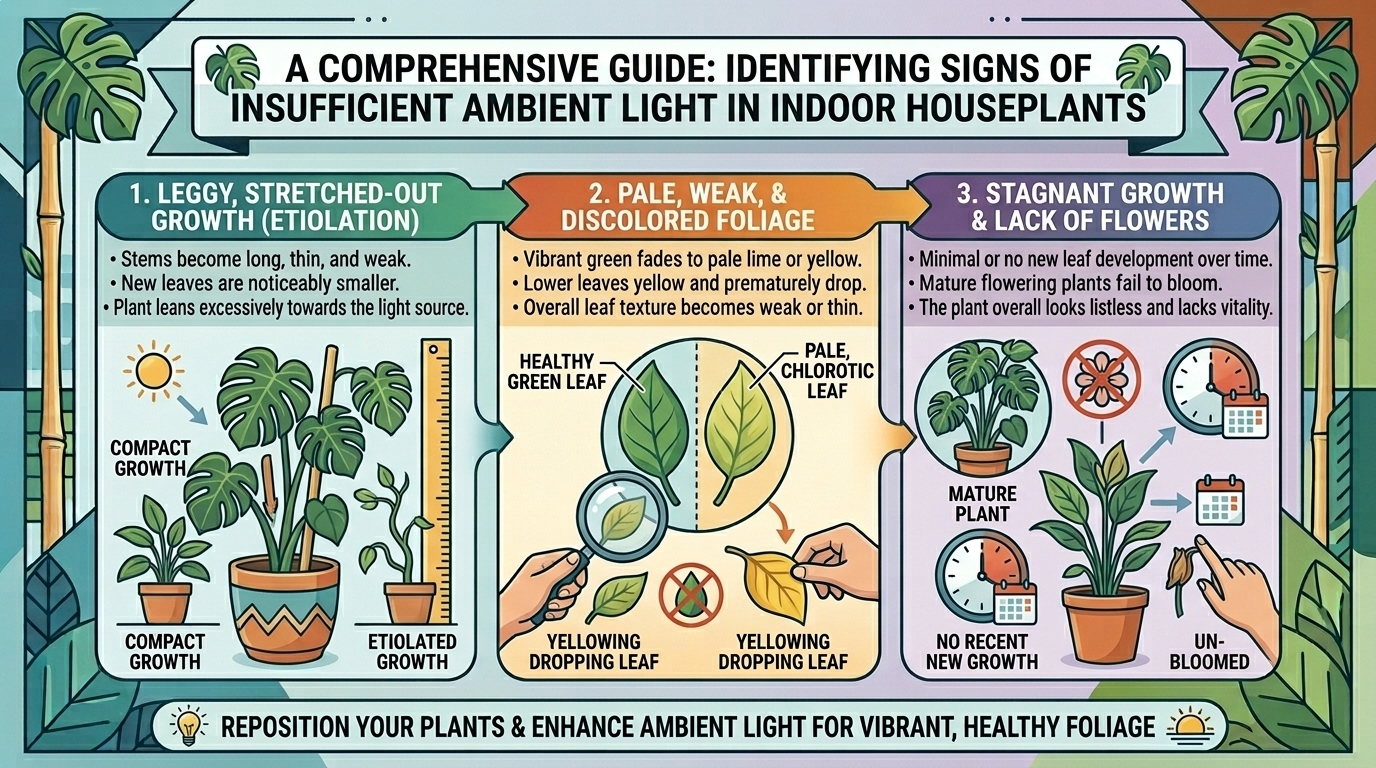
- Light Starvation: Indoor windows block up to 50% or more of natural light intensity.
- Dry HVAC Air: As autumn sets in and heating or air conditioning cycles run, indoor humidity plunges.
When a plant is ripped from high-light, high-airflow conditions and placed into a dim, stagnant room overnight, its biological systems panic, resulting in sudden leaf drop.
2. Regional Timing: When to Bring Plants Indoors
Timing is everything. Leave your plants outside too long, and a sudden autumn frost can kill tropical foliage instantly. Bring them in too early, and you miss out on the final weeks of warm weather.
The Magic Temperature Threshold
As a general rule across all regions, never leave tropical houseplants outside when nighttime temperatures consistently drop below 50°F (10°C). Most tropicals experience severe cellular stress and root sluggishness when exposed to lingering chill.
Regional Deadlines
- New York & Washington: Autumn arrives early and aggressively here. You typically need to begin moving plants indoors by mid-to-late September before nighttime temperatures plummet.
- San Francisco & California: Coastal California enjoys much milder autumns. You can often keep plants outside through late October, though coastal fog and chilly marine nights mean you should monitor evening forecasts closely.
- Texas: Texas summers bleed deep into autumn. Outdoor plants can often stay outside comfortably through October or early November, provided you watch out for sudden cold fronts sweeping down from the north.
3. Step-by-Step Guide to Bringing Outdoor Plants Inside
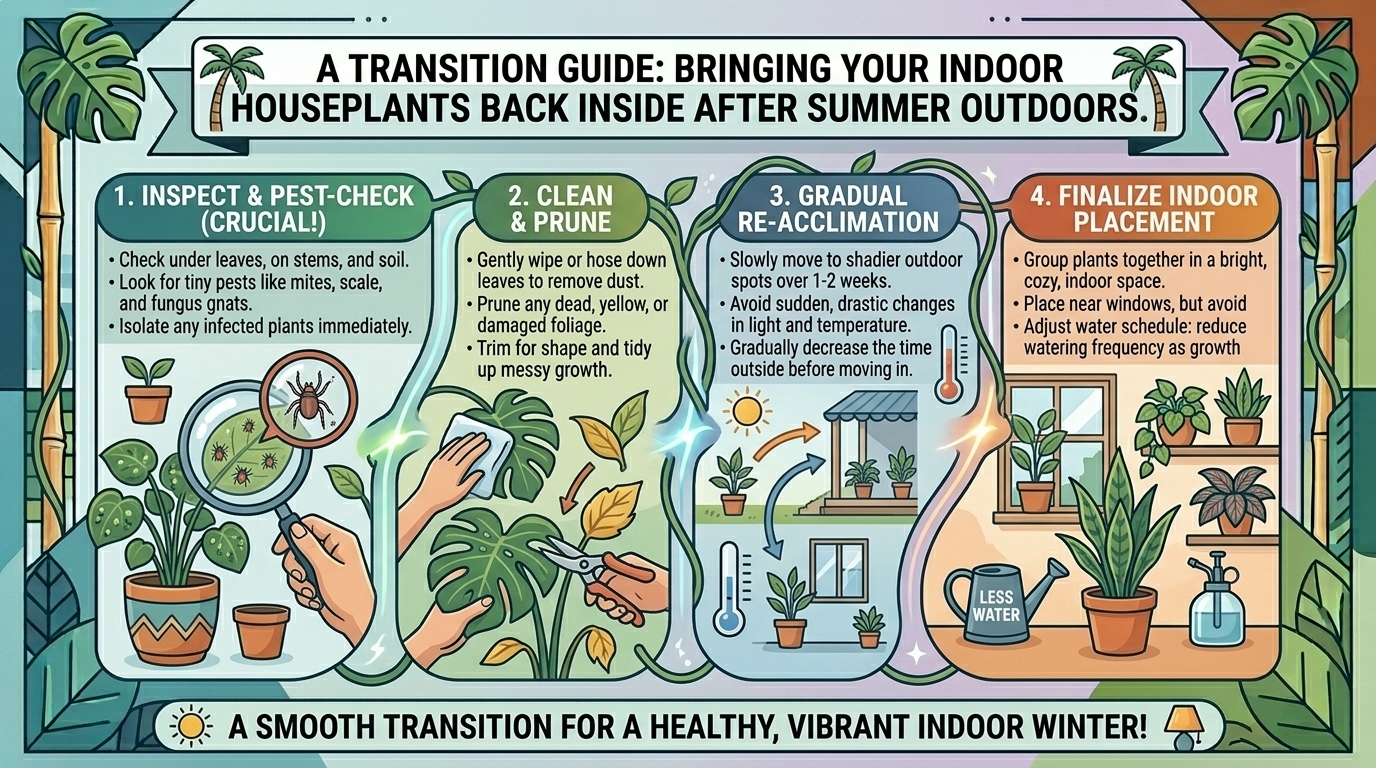
To protect your home from pests and your plants from shock, follow this rigorous 4-step preparation process.
Step 1: The Thorough Pest Inspection (Crucial!)
Outdoor plants inevitably pick up local wildlife. Before crossing your threshold, inspect every plant meticulously.
- Check Everywhere: Look at the undersides of leaves, along stem joints, inside new leaf sheaths, and down in the soil surface.
- Common Hitchhikers: Look out for aphids, spider mites, scale, caterpillars, and fungus gnats.
- Treatment: Spray the entire plant—including stems and soil—with organic insecticidal soap or neem oil. Repeat this treatment twice over 10 days while the plant is still outside to eradicate any unhatched eggs.
Step 2: Cleaning and Pruning
- Wash Down Foliage: Use a garden hose with a gentle spray nozzle to blast away dust, pollen, and lingering bugs from the leaves.
- Trim Dead Growth: Snip away any yellowing, damaged, or sun-scorched leaves. Pruning now prevents the plant from wasting energy on damaged tissue as it adapts to indoor life.
Step 3: Cleaning the Pots and Check Drainage
- Check the bottom drainage holes of your pots. Earthworms, slugs, or roly-polys often crawl into the drainage holes from the outdoor dirt.
- Wipe down the exterior of the ceramic or terracotta pots so you don’t track mud or outdoor debris onto your indoor floors.
Step 4: The Gradual Acclimation Period
Do not just bring an outdoor plant and place it in a dark corner of your living room. Acclimate it over 1 to 2 weeks:
- Step A: Move the plants to a partially shaded, protected spot outdoors (like a porch) for a few days to get them used to slightly lower light.
- Step B: Bring them inside during the evening, placing them in the brightest room of your house (near a south- or west-facing window) for increasing periods each day.
4. Post-Transition Care: Surviving the Indoor Winter
Once your plants are safely back inside, adjust your care routine immediately.
- Reduce Watering: Because indoor light levels are lower and temperatures are cooler than outdoors, your plants’ metabolic rates will slow down. They will drink significantly less water. Always check soil moisture with your finger before watering.
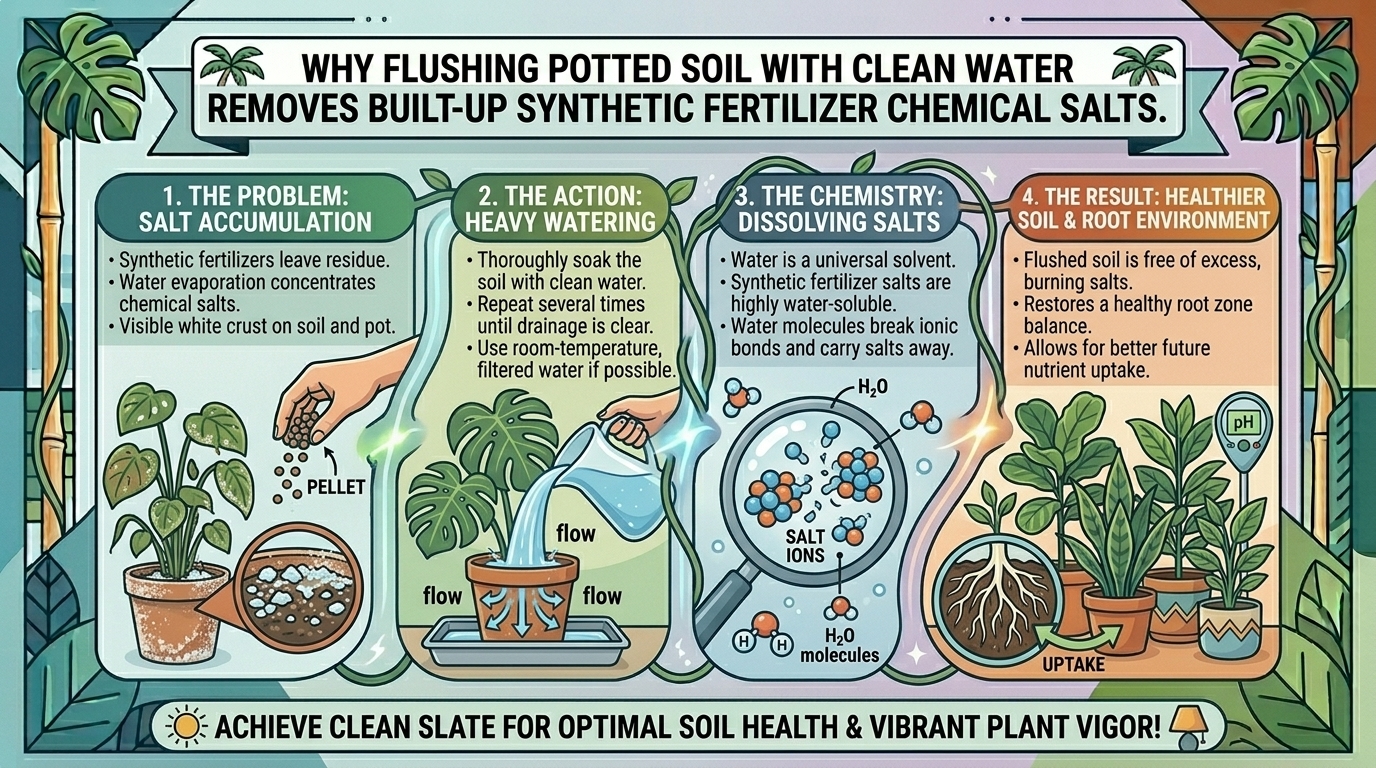
- Pause Fertilization: Do not fertilize newly transitioned plants. Giving nutrients to a plant adjusting to lower light causes fertilizer salt buildup and root burn. Wait until spring.
- Boost Humidity: Combat dry indoor air by grouping plants together, using a cool-mist room humidifier, or placing pots on pebble trays.
5. Frequently Asked Questions (FAQ)
1. What happens if my tropical houseplant gets caught in an unexpected frost?
Frost instantly ruptures plant cell walls, turning leaves black, mushy, and translucent. Immediately prune away all dead, frost-bitten foliage, bring the plant inside to a warm, bright spot, and keep soil slightly dry while it attempts to push out new growth from the roots.
2. Why is my outdoor plant dropping leaves immediately after bringing it indoors?
This is classic transition shock caused by the sudden drop in light intensity and airflow. The plant is shedding leaves it can no longer support in lower indoor light. Provide it with the brightest spot possible (or add a grow light) and it will stabilize within a few weeks.
3. How do I prevent bringing spiders or bugs inside my house?
A thorough inspection combined with a preventative spray of neem oil or insecticidal soap while the plant is still outside is your best defense. You can also soak the root ball in lukewarm water for 20 minutes to flush out soil-dwelling pests like earwigs or grubs.
4. Should I repot my outdoor plants right before bringing them inside?
No. Repotting causes root shock. Combining root shock with the stress of moving indoors is a recipe for disaster. Wait until spring to repot, unless the plant is dangerously root-bound and literally cracking its pot.
5. Do indoor plants need less water after moving inside from outdoors?
Yes, absolutely. Outdoors, wind, heat, and high light evaporate soil moisture rapidly. Indoors, stagnant air and lower light mean soil stays damp much longer. Reduce watering frequency to prevent root rot.
6. Can I leave shade-loving plants in full sun outdoors during the summer?
Only if they were gradually acclimated to it. However, shade lovers like Calatheas or Ferns will suffer severe leaf scorch if thrown into direct midday sun. Always match outdoor placement to the plant’s natural shade requirements.
7. Why are fungus gnats suddenly appearing in my indoor plants after bringing them inside?
Outdoor soil often harbors fungus gnat larvae. When brought into warm indoor homes, they hatch rapidly. Let the top 2 inches of soil dry out completely between waterings to break their life cycle.
8. How do regional climates affect the indoor transition timeline?
Gardeners in northern hubs like New York and Washington must bring plants indoors much earlier (September) due to sharp autumn temperature drops, whereas gardeners in Texas and California have a longer window through October.
9. Should I clean dust and pollen off plant leaves before bringing them inside?
Yes! Giving your plants a thorough shower with a garden hose cleans away summer dust, pollen, and microscopic pests, ensuring they look pristine and healthy in your indoor living spaces.
10. When is it safe to start taking my houseplants back outdoors next year?
Wait until all danger of spring frost has completely passed and nightly temperatures consistently remain above 50°F (10°C)—typically mid-to-late spring depending on your local US region.
Conclusion
Transitioning your indoor tropical houseplants from their summer outdoor vacation back into your climate-controlled home is a vital annual ritual. By timing your move before autumn chills set in, executing a rigorous pest inspection, and acclimating your plants gradually, you protect your indoor space from unwanted bugs and save your plants from severe transition shock.