Living in an urban apartment—whether a high-rise in San Francisco, a brownstone in New York, a studio in Washington, a flat in California, or a modern unit in Texas—often means working with limited outdoor space. However, a small balcony can easily transform into a productive, organic garden that yields fresh culinary herbs, medicinal greens, and compact vegetables.
At kcplants.com, we advocate for building a necessary base garden: a core collection of essential, low-maintenance plants grown using 100% natural and sustainable methods. This comprehensive guide walks you through setting up an eco-friendly balcony oasis from scratch.
1. Assessing Your Balcony’s Microclimate
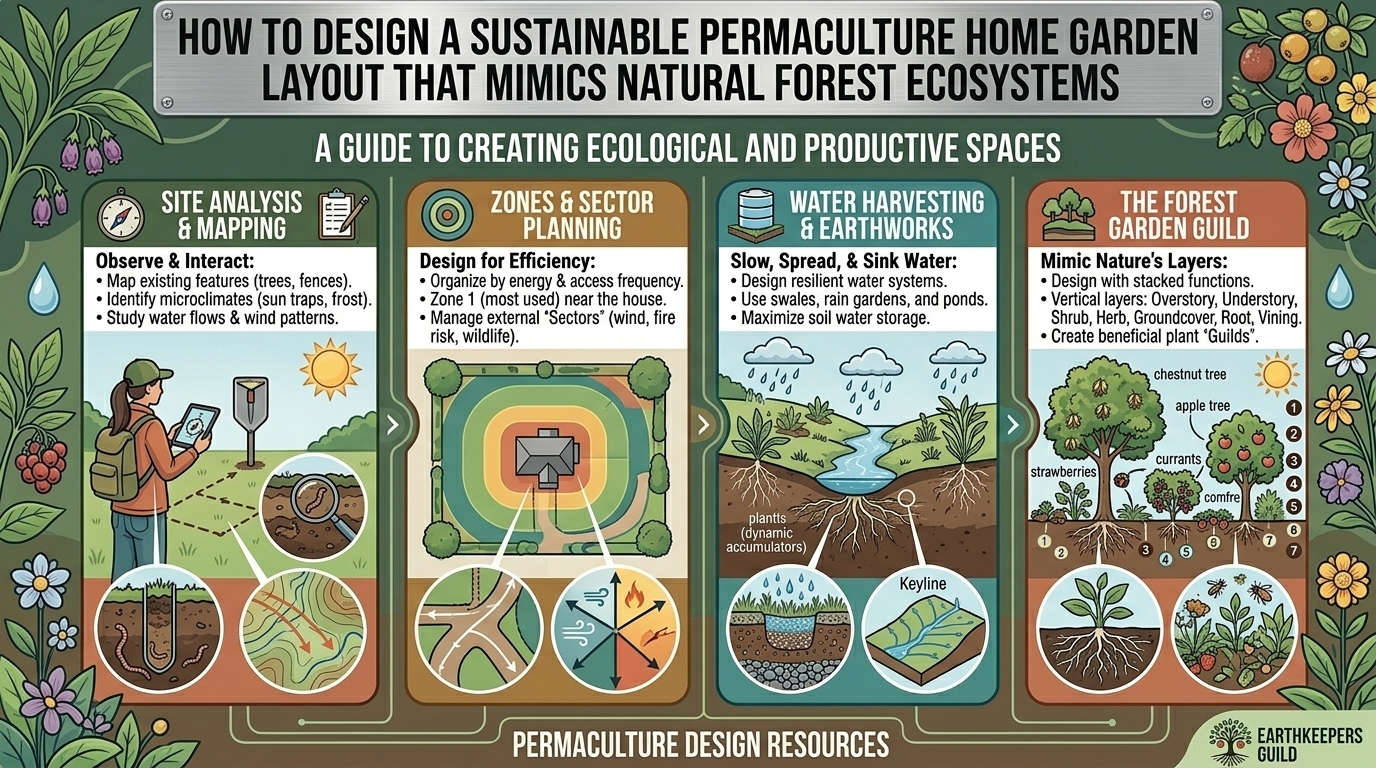
Before buying pots or seeds, map your balcony’s unique environmental conditions. Urban microclimates vary significantly depending on building orientation, wind exposure, and local climate zones.
Sunlight Mapping
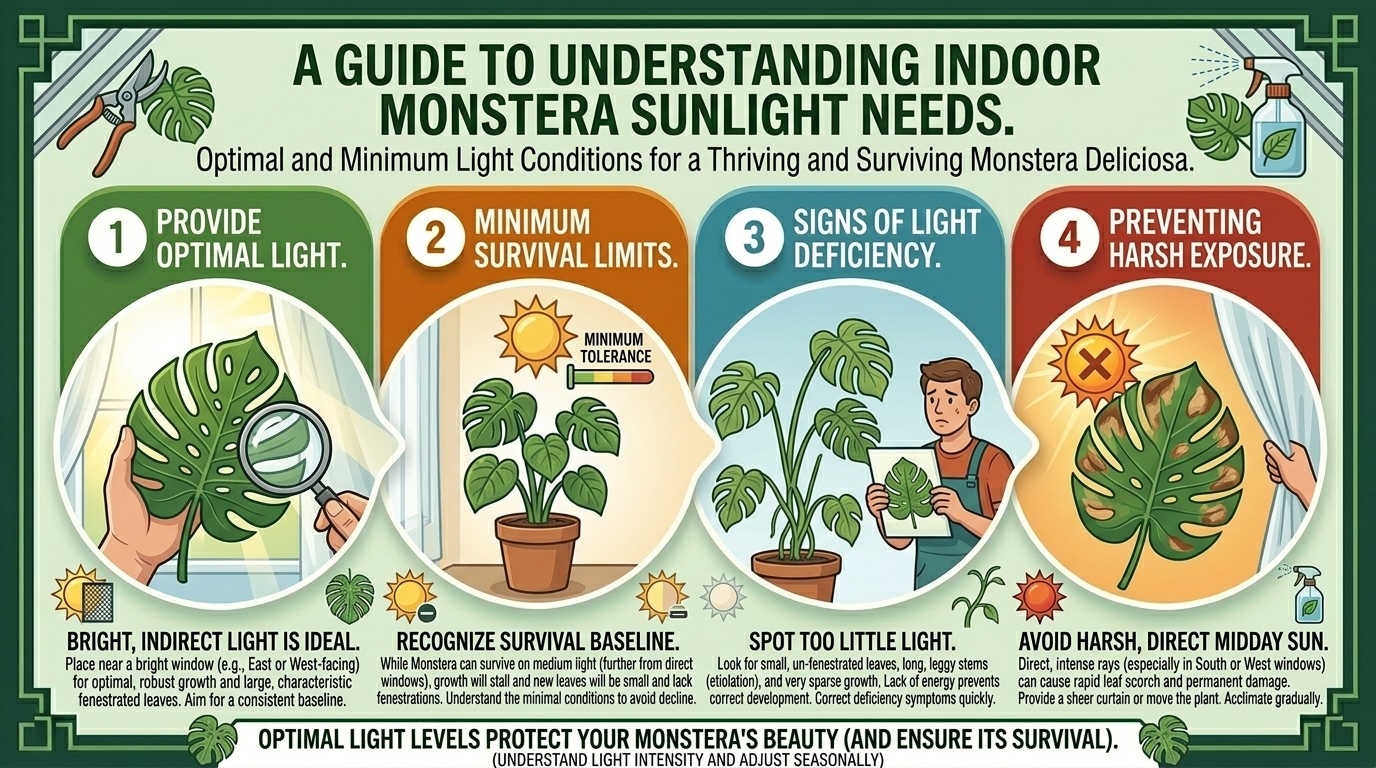
Observe how many hours of direct sunlight your balcony receives daily:
- Full Sun (6+ hours): Ideal for fruiting crops (tomatoes, peppers), Mediterranean herbs (rosemary, thyme), and pollinator-friendly flowers. Common in south- or west-facing balconies in sunny regions like Texas and Southern California.
- Partial Sun / Shade (3–5 hours): Perfect for leafy greens (spinach, kale, lettuce), root crops (radishes, carrots), and shade-tolerant herbs (mint, parsley, cilantro). Typical for north-facing urban units in dense cities like San Francisco or New York.
Wind & Weight Constraints
- Wind: High-rise apartments in windy areas (such as San Francisco or coastal Washington) require sturdy containers, plant ties, and windbreakers to protect delicate stems.
- Structural Weight: Avoid heavy concrete pots. Instead, choose lightweight recycled plastic, fabric aeration pots, or natural terracotta paired with airy organic soil mixes.
2. Choosing the Essential “Necessary Base” Plants
A base garden focuses on high-yield, versatile plants that offer medicinal, culinary, or air-purifying value while thriving in container environments.
| Plant Category | Recommended Varieties | Sunlight Requirement | Ideal Container Type |
| Culinary Base Herbs | Genovese Basil, Flat-Leaf Parsley, Thyme, Chives | 4–6+ Hours | 8–10 inch Terracotta or Fabric Pots |
| Medicinal / Tea | Mint (Spearmint/Peppermint), Chamomile, Lemon Balm | 3–5 Hours | Isolated 10-inch Pot (Mint spreads rapidly) |
| Nutritional Greens | Lacinato Kale, Baby Spinach, Butterhead Lettuce | 3–4 Hours | Wide, Shallow Railing Planters |
| Compact Produce | Cherry Tomatoes, Patio Peppers, Radishes | 6+ Hours | Deep 5-Gallon Fabric Grow Bags |
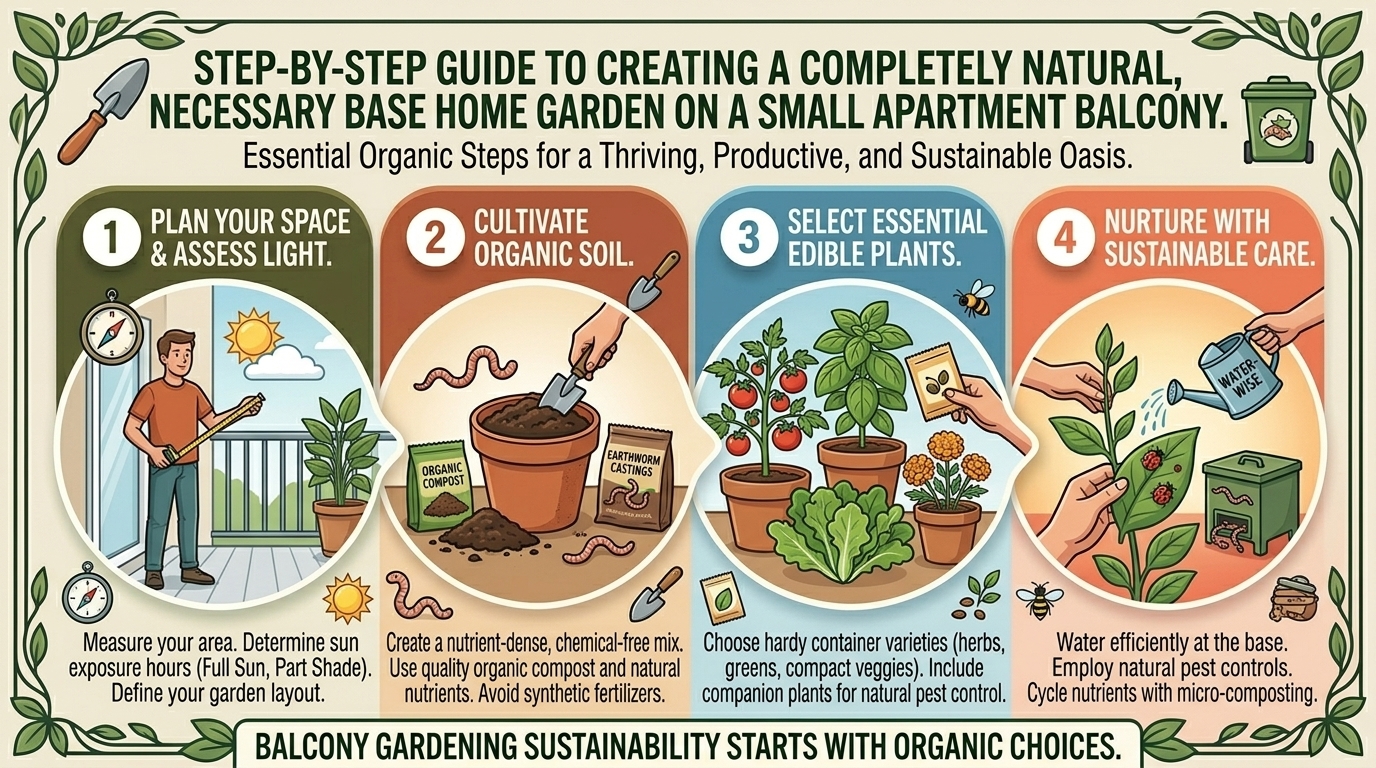
3. Step-by-Step Guide to Building Your Natural Garden
Follow these chronological steps to construct your balcony garden without synthetic chemicals, artificial fertilizers, or single-use plastics.
1.Prepare and Waterproof Your Balcony Space:Ensuring structural stability and drainage.
Clear the balcony surface completely. Lay down breathable, non-slip outdoor decking or natural coir mats to protect flooring from water runoff. Ensure all drainage outlets are clear of debris.
2.Mix Organic Living Soil:Creating a lightweight, chemical-free foundation.
Avoid standard garden soil, which compacts easily in pots. Combine equal parts organic coco coir (for moisture retention), perlite or pumice (for drainage), and rich organic worm castings or compost (for natural nutrition).
3.Select and Arrange Containers:Optimizing limited square footage.
Utilize vertical space with railing planters, hanging baskets, and stacked plant stands. Group plants with similar water and light requirements together to simplify care routines.
4.Plant Your Base Garden:Sowing seeds and transplanting starters.
Moisten your soil mix before planting. Sow seeds at their recommended depths or gently transplant young nursery starters, ensuring roots are untangled and covered with soil up to the root crown.
5.Establish an Organic Maintenance Routine:Sustaining healthy growth naturally.
Water thoroughly when the top inch of soil feels dry. Mulch the surface with organic straw or wood chips to conserve moisture in warmer climates like Texas or California.
4. Natural Pest Management & Soil Fertility
Balconies are self-contained ecosystems. Maintaining health without synthetic pesticides requires preventive natural strategies:
- Companion Planting: Interplant marigolds or basil alongside tomatoes to deter common pests like aphids and hornworms naturally.
- Neem Oil & Insecticidal Soap: Spray a mixture of organic cold-pressed neem oil, mild castile soap, and water during early morning or evening hours to treat minor pest outbreaks.
- Compost Tea & Liquid Kelp: Feed your plants every 2–3 weeks with organic liquid kelp fertilizer or aerated compost tea to encourage vibrant foliage and strong root structure.
5. Frequently Asked Questions (FAQ)
1. How much weight can a standard apartment balcony support?
Most modern residential balconies are built to hold at least 50 to 100 pounds per square foot. Using lightweight organic potting mixes, fabric pots, and plastic or wooden containers keeps your setup well within safety limits.
2. Can I grow a balcony garden if I live in a cold climate like Washington or New York?
Yes. During cold winters, focus on cool-season crops like kale, spinach, and radishes in early spring and autumn. Bring tender perennial herbs indoors under grow lights when temperatures drop below freezing.
3. How often should I water container plants on a balcony?
Balcony plants dry out faster than in-ground garden beds due to elevated wind and sun exposure. Check daily during heatwaves; water deeply until moisture drains from the bottom whenever the top inch of soil feels dry.
4. What are the best plants for a completely shaded balcony?
Leafy greens (kale, lettuce, arugula), Asian greens (pak choi), and herbs like mint, parsley, and chives thrive in lower-light environments receiving as little as 3 hours of indirect sunlight daily.
5. How do I prevent water from dripping onto my neighbors’ balconies below?
Always place saucer trays underneath drainage holes or use closed-bottom planter boxes with internal reservoirs. Water slowly to give soil time to absorb the moisture.
6. Are fabric grow bags better than terracotta pots for balconies?
Fabric grow bags promote air-pruning (preventing root binding), provide excellent drainage, and are extremely lightweight. Terracotta offers great stability against wind and an attractive natural look, though it adds more weight.
7. How do I attract pollinators to a high-rise apartment balcony?
Plant bright, nectar-rich flowers such as lavender, marigolds, sweet alyssum, or zinnias alongside your edibles. Bees and butterflies easily spot these blooms even several stories up.
8. Can I make my own organic fertilizer at home for balcony plants?
Yes. Diluted worm casting tea, steeped banana peel water (rich in potassium), or crushed organic eggshells (for calcium) provide excellent natural nutrition without synthetic chemicals.
9. How do I protect plants from strong high-altitude winds?
Position taller or heavier containers against solid balcony walls, use trellises anchored to railings, or install sheer outdoor mesh screens to break wind velocity while letting light through.
10. What is the most important “necessary base” plant for beginners?
Culinary herbs like basil, mint, and chives offer the highest success rate. They adapt well to containers, grow quickly, and provide fresh harvests all season long.
Conclusion
Creating a completely natural base garden on a small apartment balcony is one of the most rewarding ways to connect with nature in an urban environment. By matching your plant selections to your light conditions, choosing lightweight organic growing media, and utilizing smart vertical layouts, you can turn even the smallest outdoor space into a thriving, self-sustaining green sanctuary.