What Are the Best Companion Herbs to Plant Next to Brassicas Like Cabbage and Broccoli?
Introduction: The Natural Defense System of the Garden
If you have ever tried growing brassicas—such as cabbage, broccoli, kale, cauliflower, and Brussels sprouts—you likely know how quickly these magnificent plants can become a magnet for ravenous pests. From the voracious larvae of the cabbage white butterfly to stealthy aphids and flea beetles, brassicas seem to sit at the absolute top of every garden insect’s menu.
For decades, commercial and home gardeners alike turned straight to chemical sprays and synthetic pesticides to protect their cruciferous crops. However, a smarter, more sustainable, and infinitely more beautiful method exists: companion planting with herbs.
By pairing your brassicas with strategic, aromatic companion herbs, you can harness nature’s chemical warfare and biological diversity. Certain herbs confuse pests with intense essential oils, while others lure beneficial predatory insects that decimate pest populations before they can damage your harvest.
This comprehensive, highly informative guide explores the science, strategy, and specific herb pairings needed to safeguard and supercharge your brassica beds. Whether you are cultivating a backyard plot under the intense sun of Texas, managing a compact urban garden in New York, optimizing Mediterranean microclimates in California and San Francisco, or navigating the cool, damp soils of Washington, this guide will help you build a resilient, thriving garden ecosystem tailored for kcplants.com.
The Ecology of Brassica Pests and Herb Companionship
Brassicas belong to the Brassicaceae family. They are chemically unique because they produce organic sulfur compounds called glucosinolates (which give cruciferous vegetables their characteristic sharp, pungent flavor and health benefits). Interestingly, while these compounds deter some insects, they act as an absolute dinner bell for specialized pests.
Why Companion Herbs Work
Insects locate their host plants primarily through scent. When a field or garden bed is a monoculture—meaning only cabbage or only broccoli is planted—the scent profile is uniform and acts as an open invitation to pests flying overhead.
Companion herbs disrupt this process through three primary mechanisms:
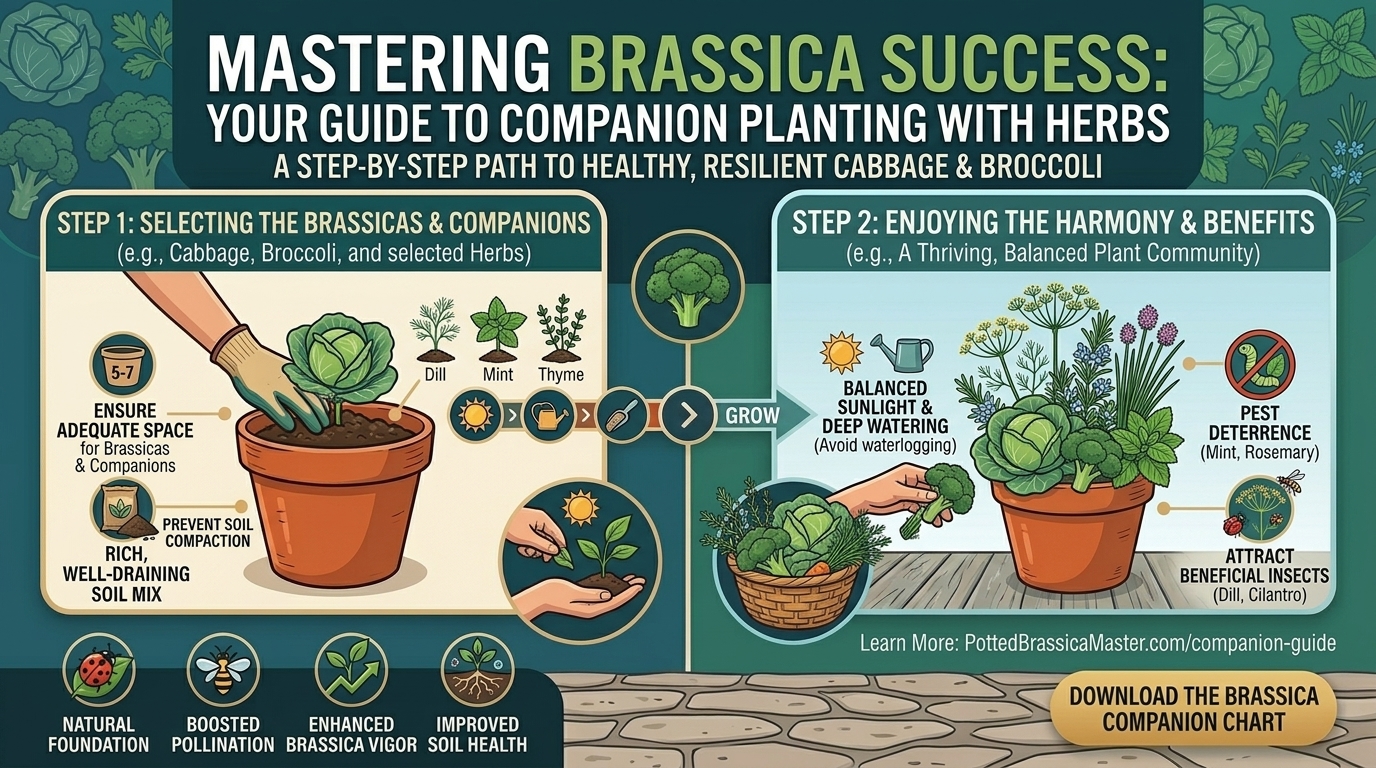
- Olfactory Confusion: Aromatic herbs release overpowering essential oils (such as rosemary, thyme, and mint) that mask the scent of the nearby brassicas, making it nearly impossible for pests to locate them.
- Beneficial Insect Attraction: Many herbs feature tiny, nectar-rich flowers that attract predatory wasps, lacewings, ladybugs, and hoverflies. These beneficial insects do not eat your vegetables; instead, they consume aphids, caterpillars, and soft-bodied pests.
- Trap Cropping and Repellence: Some herbs actively repel pests via volatile organic compounds, while others serve as sacrificial trap crops that lure pests away from your prized cabbages.
Regional Growing Realities for kcplants.com Growers
Implementing companion planting requires understanding how local climate dynamics influence both your brassicas and your protective herbs.
Texas: Beating the Heat and Managing Pest Pressures
- The Challenge: Texas features long, scorching summers and mild winters, meaning brassicas are typically grown as cool-season crops (fall, winter, and early spring). High heat causes brassicas to bolt, while warm winters keep pest populations active year-round.
- The Solution: Pair your brassicas with heat-tolerant, robust herbs like rosemary and sage that can withstand Texas sun and provide year-round aromatic defense.
New York: Timing Seasonal Windows and Maximizing Cool-Season Vigor
- The Challenge: New York experiences distinct seasons, with freezing winters and warm, humid summers that encourage fungal pressures and rapid pest flare-ups (like imported cabbageworms).
- The Solution: Utilize hardy perennial herbs like thyme and chives that return reliably each spring, establishing a defensive perimeter just as your spring brassica seedlings go into the ground.
California & San Francisco: Leveraging Mediterranean Climates and Microclimates
- The Challenge: California’s diversity means interior valleys are hot and dry, while San Francisco and coastal areas experience cool fog, brisk winds, and mild temperatures.
- The Solution: In San Francisco, cool-loving herbs like cilantro, parsley, and dill thrive alongside your brassicas. In interior California, drought-tolerant herbs like oregano and rosemary help conserve soil moisture while protecting crops.
Washington: Embracing Pacific Northwest Moisture and Damp-Soil Dynamics
- The Challenge: Washington’s damp springs and wet autumns create ideal conditions for slugs, snails, and fungal blights that attack stressed brassicas.
- The Solution: Plant upright, well-spaced herbs like dill and cilantro that do not trap excessive moisture near the soil surface, preventing stagnant microclimates around your cabbage heads.
The Best Companion Herbs for Brassicas
Choosing the right herbs to interplant with your cabbage and broccoli can make the difference between a pristine harvest and a decimated crop. Here are the top-performing companion herbs:
1. Dill (Anethum graveolens)
- Why It Works: Dill is one of the absolute best brassica companions. Its umbel-shaped flower heads attract predatory wasps, hoverflies, and tachinid flies. The larvae of these beneficial insects are voracious predators of cabbage loopers and aphids.
- Best Practice: Let a few dill plants go to flower near your broccoli beds, but avoid planting them too densely, as mature dill can compete for deep soil moisture.
2. Rosemary (Salvia rosmarinus)
- Why It Works: Rosemary is an evergreen powerhouse packed with pungent essential oils. Its strong aroma acts as a powerful deterrent against the cabbage moth, confusing its sense of smell so it fails to lay eggs on your cabbage leaves.
- Best Practice: Plant perennial rosemary bushes at the corners or borders of your raised brassica beds.
3. Thyme (Thymus vulgaris)
- Why It Works: Low-growing and creeping, thyme acts as a living mulch. Its strong scent repels cabbage worms and flea beetles, while its dense growth habit helps shade the soil, retaining moisture and suppressing weeds around shallow-rooted broccoli plants.
- Best Practice: Plant creeping thyme directly beneath large cabbage or cauliflower plants as a living ground cover.
4. Mint (Mentha species)
- Why It Works: Mint emits an overwhelmingly strong fragrance that masks brassica scents and deters flea beetles, ants, and earth fleas.
- Crucial Warning: Mint is aggressively invasive via underground runners. Always plant mint in containers or sunken pots embedded in your garden bed to prevent it from choking out your broccoli and cabbage roots.
5. Sage (Salvia officinalis)
- Why It Works: Sage is a woody perennial herb that repels cabbage moths and carrot rust flies. Its velvety, textured leaves also make it a less-than-ideal landing pad for crawling insects.
- Best Practice: Place sage plants on the windward side of your brassica patch so prevailing winds carry its protective aroma across your crops.
6. Cilantro / Coriander (Coriandrum sativum)
- Why It Works: When cilantro bolts (goes to flower in warm weather), it produces delicate white flowers that are magnets for beneficial predatory insects, particularly tiny parasitic wasps that attack cabbage pest larvae.
- Best Practice: Succession-sow cilantro every few weeks near your brassicas to ensure a continuous supply of flowering beneficial insect magnets.
7. Chamomile (Matricaria chamomilla)
- Why It Works: German chamomile accumulates calcium, potassium, and sulfur, which it releases back into the soil as it grows, feeding neighboring heavy-feeding brassicas. It also attracts hoverflies and beneficial pollinators.
- Best Practice: Scatter chamomile seeds casually around the perimeter of your broccoli and cabbage beds.
Companion Planting Layout Strategies for Your Garden
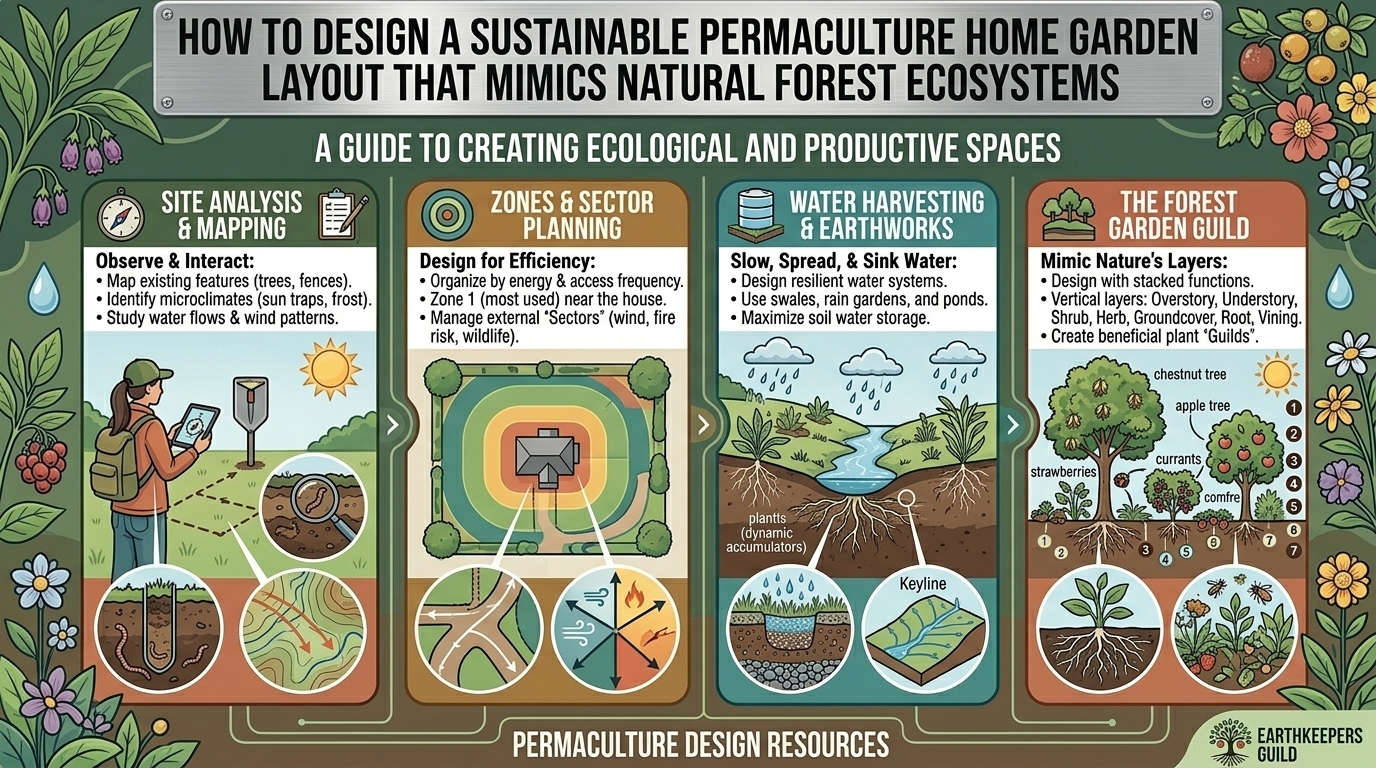
Maximizing the benefits of herb companions requires more than just tossing seeds into a bed. Strategic layout design ensures your crops get adequate sunlight, air circulation, and nutrients.
1. The Perimeter Defense Layout
Plant tall or spreading perennial herbs (like rosemary, sage, and mint in pots) around the outer perimeter of your brassica block. This creates an aromatic buffer zone that intercept pests before they reach your center crops.
2. The Interplanting Grid
For smaller herbs like thyme, cilantro, and basil (which also repels pests), weave individual herb plants directly between every two or three cabbage or broccoli heads. This breaks up the monoculture texture and creates localized scent barriers.
3. Managing Root and Sunlight Competition
Brassicas are heavy feeders with broad leaves that cast significant shade. Ensure you pair them with herbs that tolerate partial shade (like cilantro and parsley) or those that require minimal root space so they do not starve your broccoli of vital nitrogen and water.
Frequently Asked Questions (FAQs)
1. Which herbs should I never plant near brassicas?
You should avoid planting strychnine, fennel, and tall dill directly in the middle of your brassica rows. Fennel secretes allelopathic compounds that stunt the growth of almost all garden vegetables, including cabbage and broccoli, and attracts unwanted pests.
2. How do herbs protect cabbage and broccoli from pests?
Herbs protect brassicas through two primary actions: their strong essential oils mask the scent of the vegetables to confuse pests (like the cabbage moth), and their nectar-rich flowers attract beneficial predatory insects that eat pests like aphids and caterpillars.
3. Can I plant mint directly in my brassica bed?
No, unless it is contained. Mint spreads aggressively through underground runners and will quickly crowd out your broccoli and cabbage plants. Always grow mint in a sunken pot or a separate container placed within your garden bed.
4. Do rosemary and sage survive winter in colder regions like New York and Washington?
Yes, rosemary and sage are woody perennials, but in colder climates like New York and Washington, they may need winter protection (such as a thick layer of mulch or bringing container-grown plants into a sheltered garage) to survive harsh freezes.
5. Will companion herbs alter the flavor of my broccoli or cabbage?
Not at all. While herbs absorb and produce unique chemical compounds, they do not transfer flavor to neighboring vegetables through the soil. Your broccoli will taste like pure broccoli, infused with nothing more than natural health.
6. What is the best herb to deter the cabbage white butterfly?
Rosemary and thyme are exceptionally effective at deterring the cabbage white butterfly. Their intense aromatic profiles disrupt the insect’s ability to detect the host plant, preventing them from landing and laying eggs.
7. How close to my brassicas should I plant my companion herbs?
You can plant low-growing herbs like thyme within 6 to 12 inches of the brassica stem. Taller perennial herbs like sage or rosemary should be spaced 18 to 24 inches away to prevent them from casting too much shade on your developing heads of cabbage.
8. Do I need to fertilize my brassicas differently when using companion herbs?
Brassicas are heavy feeders that require rich, nitrogen-dense soil and plenty of calcium, whereas most Mediterranean herbs (like rosemary and thyme) prefer lean, slightly poor soil. Keep this in mind when side-dressing your brassicas with organic compost or balanced fertilizers.
9. Can I use flowering cilantro as a pest control tool?
Yes! When cilantro bolts and produces flowers, it attracts parasitic wasps and hoverflies. These beneficial insects lay their eggs inside aphids and cabbage worms, effectively controlling pest populations naturally.
10. How does regional climate impact herb and brassica companionship?
Climate dictates your growing schedule. In hot regions like Texas, herbs help shade soil and retain moisture during shoulder seasons. In cooler zones like San Francisco and Washington, proper herb spacing ensures adequate airflow, preventing dampness and fungal issues in dense brassica beds.
Conclusion: Cultivating a Balanced, Pest-Resilient Garden
Integrating companion herbs into your brassica beds is one of the most effective ways to shift from reactive pest control to proactive garden ecology. By letting nature do the heavy lifting, you reduce your reliance on manual pest picking and chemical sprays while creating a biodiverse, vibrant, and aromatic outdoor space.