There are few plants as reliable, resilient, and striking in a home landscape as daylilies (Hemerocallis). With their breathtaking trumpet-shaped blossoms, drought tolerance, and ability to thrive across challenging soil conditions, they are a beloved staple of perennial borders nationwide. However, walking out to admire your daylilies mid-summer only to find their lush green foliage covered in powdery, unsightly orange and yellow pustules can instantly ruin your gardening joy.
You have been struck by daylily rust (Puccinia hemerocallidis), a highly contagious and aggressive fungal pathogen that has become an escalating nightmare for ornamental gardeners.
For passionate landscape designers and home growers cultivating gardens across diverse environments—from compact urban courtyards in San Francisco and New York to sprawling suburban landscapes in Texas, Washington State, and California—combating rust fungus requires a proactive, eco-friendly approach. While synthetic fungicides are widely available, many gardeners prefer safe, natural, organic remedies that cure fungal outbreaks without damaging soil health, polluting local waterways, or harming beneficial pollinators. This comprehensive guide explores daylily rust biology, natural curative sprays, cultural management protocols, and expert tips to permanently protect your ornamental daylily collection.
1. The Enemy Profile: Understanding Daylily Rust Biology
To successfully cure daylily rust, you must understand how this fungal pathogen operates. Daylily rust is caused by the obligate parasite fungus Puccinia hemerocallidis. Unlike other common garden fungi that live off decaying matter, rust fungi require living plant tissue to survive and multiply.
+-----------------------------------------------------------------+
|             THE DAYLILY RUST INFECTION CYCLE                    |
|                                                                 |
|   [1. Spore Dispersion & Arrival]                               |
|   - Wind-borne or water-splashed urediniospores land on moist     |
|     daylily leaves, germinating rapidly within hours.           |
|              |                                                  |
|              v                                                  |
|   [2. Penetration & Leaf Colonization]                          |
|   - The fungal germ tube penetrates the leaf stomata, feeding   |
|     on internal plant cell fluids and sapping vital energy.     |
|              |                                                  |
|              v                                                  |
|   [3. The Characteristic Pustule Eruption]                      |
|   - Bright orange, powdery spores burst through the lower and   |
|     upper epidermis, staining fingers and clothing upon contact.|
|              |                                                  |
|              v                                                  |
|   [4. Secondary Reinfection]                                    |
|   - Millions of new spores drift onto neighboring plants,       |
|     escalating a localized spot into a full-scale garden blight.|
+-----------------------------------------------------------------+
Identifying Rust vs. Daylily Streak
Do not confuse rust with Daylily Streak (a physiological or bacterial issue causing yellow streaking). True rust is instantly identifiable by its bright, powdery orange-yellow dust that rubs off on your fingers when you brush against the infected leaves.
2. Top Natural Curative and Preventative Sprays
When rust strikes, commercial chemical fungicides are not your only option. You can manufacture powerful, eco-friendly organic sprays at home using kitchen and garden pantry staples that stop fungal spore germination in its tracks.
- The Baking Soda & Horticultural Oil Spray: Mix 1 tablespoon of baking soda and 1 teaspoon of liquid castile soap or organic horticultural oil into 1 gallon of water. Baking soda alters the surface pH of the leaf, creating an inhospitable, alkaline environment where fungal spores cannot germinate or survive. The oil acts as a sticking agent to hold the mixture on waxy daylily foliage.
- Bio-Fungicide (Bacillus subtilis): This naturally occurring, beneficial soil bacterium works as an elite biological fungicide. Strains like Bacillus subtilis colonize leaf surfaces, competing directly with rust fungi for space and nutrients while releasing natural compounds that rupture fungal cell walls.
- Neem Oil Emulsion: Pure, cold-pressed neem oil contains active organic compounds (azadirachtin) that inhibit fungal spore production and suffocate microscopic fungal structures. Mix 2 tablespoons of neem oil per gallon of water with a dash of soap, and apply strictly during evening hours to avoid leaf scorch.
3. Cultural Control: Modifying the Microclimate
Fungi cannot germinate, spread, or thrive without two critical components: stagnant moisture and warmth. By altering your garden’s microclimate and daylily maintenance routine, you starve the fungus of its required moisture.
+-----------------------------------------------------------------+
|             CULTURAL MANAGEMENT PROTOCOLS                       |
|                                                                 |
|   [1. Switch to Base Watering]                                  |
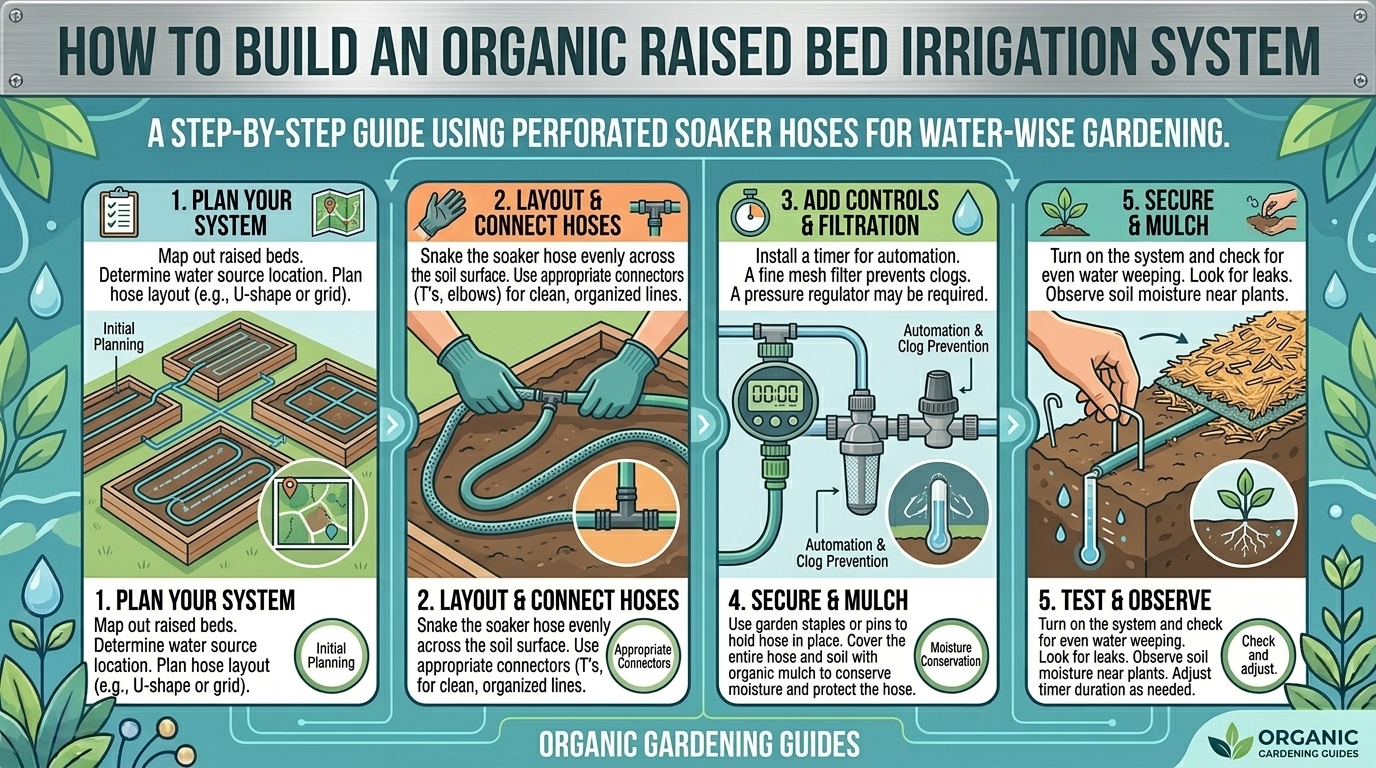
|   - Never use overhead sprinklers that wet daylily foliage.     |
|     Install soaker hoses or drip lines to deliver moisture      |
|     directly to the soil root base.                             |
|              |                                                  |
|              v                                                  |
|   [2. Maximize Air Circulation]                                 |
|   - Divide overcrowded daylily clumps every 3 to 4 years. Leave |
|     at least 2 to 3 feet of open space between plants to allow  |
|     wind to dry morning dew rapidly.                            |
|              |                                                  |
|              v                                                  |
|   [3. Morning Sunlight Optimization]                            |
|   - Plant daylilies in full sun (6+ hours daily). Sunlight      |
|     quickly bakes away morning condensation, cutting short the  |
|     wet window required for spore germination.                  |
+-----------------------------------------------------------------+
4. Regional Climate Strategies Across the United States
Your local geography, humidity levels, and seasonal rainfall dictate how aggressively daylily rust will attack your garden:
San Francisco and New York City
In San Francisco, coastal fog and persistent morning maritime moisture create a high-humidity microclimate that favors fungal outbreaks. In New York, humid summer rainstorms combined with dense perennial plantings trigger rapid rust spread. In these urban environments, prioritize wide spacing, aggressive morning sun exposure, and preventative baking soda sprays in early summer.
Washington State
The Pacific Northwest features long periods of damp, overcast, rainy weather. Because daylily foliage remains wet for extended hours, rust spores find ideal conditions to multiply. Focus heavily on sub-surface drip irrigation and planting resistant cultivars suited to damp regional climates.
Texas and California
In hot, dry regions of Texas and Southern California, daylily rust is less prevalent during peak summer drought, but it flares up aggressively during damp spring seasons or under heavy automated overhead lawn sprinkler systems. Ensure your sprinklers are angled away from perennial garden beds.
5. The Radical “Hard Cutback” Technique for Severe Infections
If daylily rust has advanced to a severe stage where more than 50% of the foliage is coated in orange pustules, natural sprays alone may not save the existing leaves. You must perform a total sanitary reset:
- Severe Shearing: Using sterilized pruning shears, cut every single daylily leaf down to 2 to 3 inches above the soil line.
- Sanitation Cleanup: Gather all cut, infected leaves immediately. Do not put them in your home compost bin, as high compost temperatures do not always destroy resistant rust spores. Bag them tightly and discard them in the trash, or burn them if local ordinances allow.
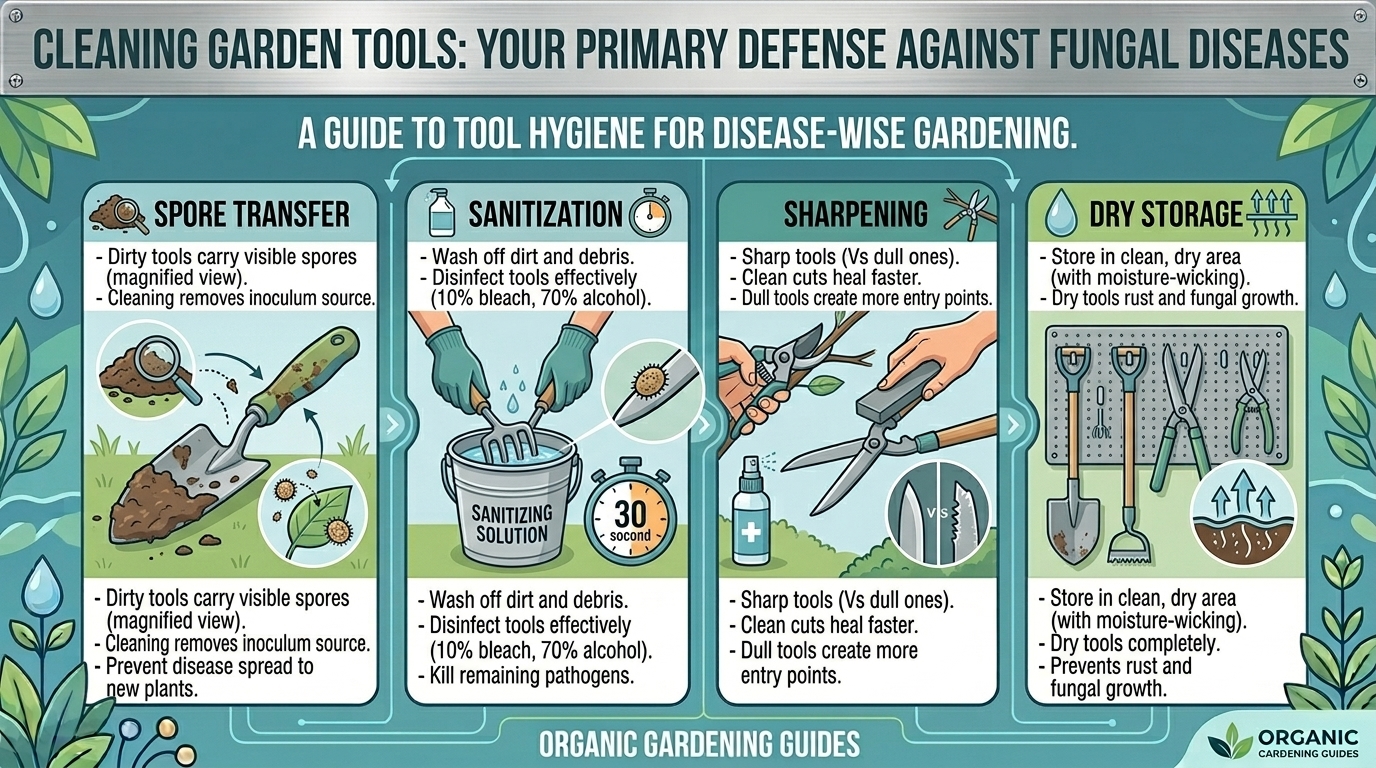
- Clean Tools: Sterilize your shears with rubbing alcohol or a 10% bleach solution before moving on to the next plant.
- Feed and Regrow: Apply a balanced organic compost tea or slow-release organic fertilizer around the base and water deeply. Daylilies are remarkably tough; within 3 to 4 weeks, they will push out a fresh, vibrant, completely rust-free flush of new green foliage.
6. Comprehensive Daylily Rust Management Schedule
| Timing | Action Item | Primary Objective |
| Early Spring (Emergence) | Apply preventative bio-fungicide (Bacillus subtilis) | Establish a protective biological shield before spores arrive |
| Late Spring (Growth Phase) | Thin overcrowded clumps & convert to drip watering | Optimize air circulation and eliminate leaf moisture |
| Mid-Summer (Peak Risk) | Monitor leaf undersides weekly; apply baking soda spray | Catch early orange pustule outbreaks before mass dispersion |
| Autumn (Dormancy) | Clear away dead winter debris; inspect crown health | Remove overwintering fungal habitats before next season |
7. Frequently Asked Questions (FAQs)
1. Can daylily rust kill my established daylily plants?
Directly, no. Daylily rust rarely kills an established plant outright because the root tubers store abundant energy. However, repeated severe infections weaken the plant year after year, stunting its growth, ruining its blooms, and leaving it vulnerable to secondary winter rot.
2. Is daylily rust contagious to other plants in my garden?
No. Daylily rust (Puccinia hemerocallidis) is highly specific; it attacks only daylilies (Hemerocallis species). It will not spread to your roses, hostas, tomatoes, or other ornamental perennials.
3. How do I know if my newly purchased daylilies have rust?
Inspect the undersides of the leaves before buying. Look for small yellow spots that turn into raised, powdery orange blisters. Quarantine all new daylily additions in your garden for 3 to 4 weeks before planting them near your established collection.
4. Will baking soda spray burn my daylily leaves?
When mixed at the correct ratio (1 tablespoon per gallon of water with a dash of soap), baking soda is entirely safe. However, avoid exceeding this concentration, as excess sodium and bicarbonate can cause leaf-tip burn under intense midday sun.
5. Can I compost infected daylily leaves?
It is not recommended. Unless your home compost pile consistently achieves “hot composting” temperatures above 140°F (60°C) for several weeks, fungal rust spores can survive the composting process and reinfect your garden when you spread the finished compost next spring.
6. Are certain daylily varieties resistant to rust?
Yes! Plant breeders have developed specific rust-resistant daylily cultivars. When purchasing new plants, look for varieties explicitly labeled as rust-resistant by reputable nurseries to minimize future outbreaks.
7. Why do my daylilies get rust every single year?
Rust spores can overwinter on evergreen and semi-evergreen daylily foliage in mild climates, or travel on wind currents from neighboring yards. If you live in a damp climate, annual preventative spraying and strict sanitation are required.
8. Should I cut my daylilies back in the winter?
Yes. Trimming deciduous daylily foliage down to ground level late in autumn after a hard frost removes dead material and eliminates the primary overwintering habitat for fungal spores and insect pests.
9. Does overhead watering cause daylily rust?
Yes. Water droplets splashing off soil onto lower leaves—combined with water pooling on leaf surfaces—provide the exact moisture film that fungal spores need to germinate and penetrate plant tissue within hours.
10. Can systemic chemical fungicides cure rust better than natural remedies?
Systemic chemical fungicides penetrate plant sap to kill internal fungi, but they are often toxic to beneficial insects, earthworms, and pollinators. Natural remedies, when applied early as preventatives or combined with the hard-cutback method, offer an equally effective, eco-friendly solution without chemical toxicity.
8. Conclusion
Curing and preventing daylily rust on your ornamental garden plants does not require drenching your landscape in harsh synthetic chemicals. By adopting a multi-layered organic strategy—combining safe homemade baking soda and bio-fungicide sprays, optimizing your garden’s microclimate with drip irrigation and proper plant spacing, and utilizing the radical sanitary cutback method for severe outbreaks—you can successfully banish rust from your yard.