Imagine stepping into your backyard, urban balcony, or community plot each spring without the back-breaking labor of tilling soil, buying hundreds of seed packets, and starting tender crops indoors from scratch. Welcome to the world of perennial vegetables—the ultimate low-maintenance, high-reward strategy for modern gardeners.
Unlike traditional annual vegetables (like tomatoes, lettuce, and beans) that complete their life cycle in a single year and die, perennial vegetables establish root systems, crowns, or woody structures that live for multiple years. Plant them once, and they will reliably return season after season, often becoming more vigorous, productive, and resilient with age.
Whether you are gardening in the humid expanses of Texas, the frosty winters of New York, the Mediterranean microclimates of California, the damp Pacific maritime conditions of Washington, or the foggy urban microclimates of San Francisco, perennial food gardening is a game-changer.
In this comprehensive guide, we will explore the absolute best perennial vegetables to grow, regional adaptation tips for diverse American climates, layout strategies, maintenance secrets, and answers to your most pressing cultivation questions.
Why Make the Switch to Perennial Vegetables?
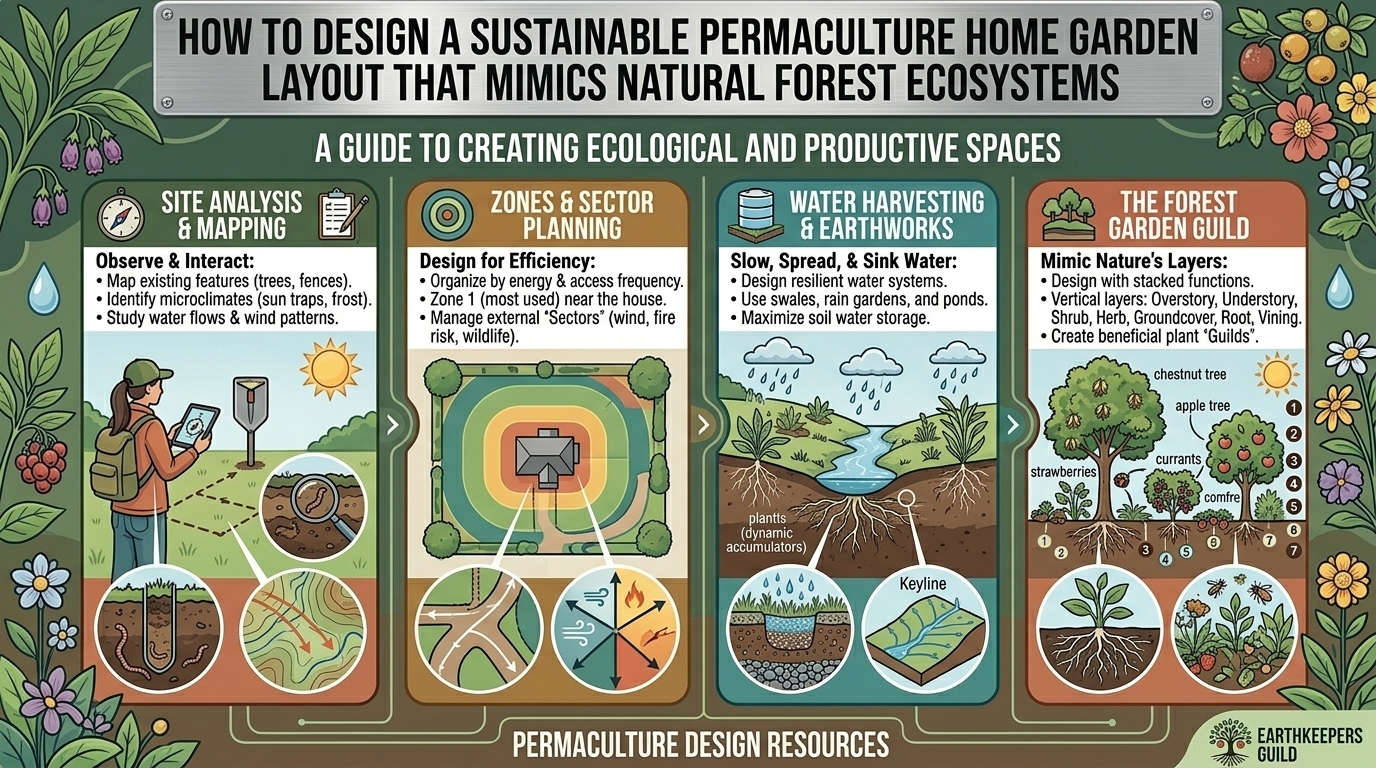
Before diving into the specific plant varieties, it helps to understand why shifting toward a perennial-heavy garden layout (often called peramculture gardening or food forestry) is revolutionizing modern agriculture and home growing.
- Unmatched Soil Health: Annual tilling destroys underground fungal networks (mycorrhizae) and exposes soil microbes to scorching air. Perennials leave the soil undisturbed year-round, allowing earthworms, beneficial bacteria, and organic matter to build a rich, sponge-like soil structure.
- Time and Money Savers: Buying seeds, starter trays, potting mix, and replacing plants annually adds up. Perennials are a one-time investment that compounds over decades.
- Climate Resilience: Because perennial vegetables develop deep, established root systems, they are drastically more resilient against sudden droughts, heavy rains, and erratic temperature shifts compared to shallow-rooted annuals.
- Early Spring Harvests: While annual gardeners are still waiting for the soil to warm up enough to plant seeds, perennial vegetables like asparagus, rhubarb, and sea kale are already bursting forth with fresh food.
Top 10 Perennial Vegetables to Plant Once and Harvest for Years
1. Asparagus (Asparagus officinalis)
- Lifespan: 15 to 25+ years
- Ideal Zones: USDA Zones 3 through 9
- The Lowdown: The undisputed king of the perennial patch. Asparagus requires patience—you should resist harvesting during its first two years so the crowns can build deep energy reserves. By year three, you’ll be rewarded with weeks of crisp, tender spears every spring. Homegrown asparagus blows grocery store produce out of the water, as sugars convert to starch rapidly after picking.
- Pro Tip: Plant crowns in a deeply trenched, well-draining bed enriched with plenty of aged compost. Keep free of weeds, as asparagus despises heavy root competition.
2. Rhubarb (Rheum rhabarbarum)
- Lifespan: 10 to 15+ years
- Ideal Zones: USDA Zones 3 through 8
- The Lowdown: Famous for its tart, ruby-red stalks used in pies and crumbles, rhubarb is an exceptionally cold-hardy vegetable that acts like an ornamental giant in the landscape with its massive, tropical-looking leaves. It thrives in cooler regions and requires a certain number of winter chill hours to break dormancy successfully.
- Safety Note: Never consume rhubarb leaves, as they contain high concentrations of toxic oxalic acid. Harvest only the fleshy stalks.
3. Jerusalem Artichoke / Sunchoke (Helianthus tuberosus)
- Lifespan: Indefinite (self-propagating tuber)
- Ideal Zones: USDA Zones 3 through 9
- The Lowdown: Don’t let the name fool you—sunchokes are neither artichokes nor from Jerusalem; they are a species of native North American sunflower. They produce tall, striking yellow blooms in late summer and an abundant underground harvest of knobby, nutty tubers that taste like a cross between a water chestnut and an artichoke heart.
- Pro Tip: They are prolific growers. Plant them in an out-of-the-way corner of your garden because once they establish, it is nearly impossible to dig up every single underground tuber, ensuring they return every year.
4. Egyptian Walking Onions (Allium × proliferum)
- Lifespan: Indefinite
- Ideal Zones: USDA Zones 3 through 10
- The Lowdown: Also known as tree onions or walking onions, these fascinating plants produce a cluster of small bulbils at the top of their stalks instead of flowers. As the bulbils grow heavy, the stalk bends down (“walks”) and touches the soil, rooting itself to create a brand-new plant. You can harvest underground bulbs, green scallion-like spring shoots, and top bulbils for pickling.
5. Globe Artichoke (Cynara cardunculus)
- Lifespan: 3 to 5 years (often grown as an annual in cold climates, true perennial in mild regions)
- Ideal Zones: USDA Zones 7 through 10 (Perennial), can be grown elsewhere with winter protection
- The Lowdown: Producing massive, thistle-like silvery foliage and iconic edible flower buds, globe artichokes love mild, frost-free maritime winters and cool summers. They double as striking architectural landscape plants. If left unharvested, the buds open into breathtaking, brilliant purple-blue giant flowers.
6. French Sorrel (Rumex scutatus)
- Lifespan: 5 to 8 years
- Ideal Zones: USDA Zones 4 through 9
- The Lowdown: If you love a bright, lemony zing in your salads, French sorrel is your plant. It is one of the earliest greens to emerge in spring. The arrow-shaped leaves contain oxalic acid, giving them a distinctively tart, refreshing punch that cuts through rich soups, egg dishes, and fish. It handles partial shade remarkably well.
7. Sea Kale (Crambe maritima)
- Lifespan: 10+ years
- Ideal Zones: USDA Zones 4 through 9
- The Lowdown: A coastal native of Europe, sea kale produces thick, glaucous blue-green leaves and clouds of fragrant honey-scented white flowers in early summer. The young shoots can be blanched and eaten like asparagus, while the leaves can be cooked like standard kale. It thrives in poor, sandy, well-drained soils where other plants struggle.
8. Good King Henry (Blitum bonus-henricus)
- Lifespan: Indefinite
- Ideal Zones: USDA Zones 3 through 8
- The Lowdown: Historically dubbed “poor man’s asparagus,” this traditional European potherb was a cottage garden staple before modern annual spinach took over. It yields tender shoot tips in spring, arrow-shaped leaves throughout summer, and edible flower buds that can be cooked like miniature broccoli florets. It prefers partial shade and alkaline soils.
9. Tree Collards / Perennial Kale (Brassica oleracea var. acephala)
- Lifespan: 3 to 7 years
- Ideal Zones: USDA Zones 8 through 11 (can survive mild winters in Zone 7)
- The Lowdown: Unlike standard garden kale that bolts and dies after flowering, tree collards grow woody, branching stems that can reach heights of 6 to 8 feet, resembling miniature palm trees. They produce sweet, purplish-green leaves year-round in mild climates and can withstand light frosts with improved flavor. Propagation is done entirely through cuttings rather than seeds.
10. Horseradish (Armoracia rusticana)
- Lifespan: Indefinite
- Ideal Zones: USDA Zones 3 through 9
- The Lowdown: The definition of “plant it and forget it.” Horseradish is a powerhouse root crop prized for its fiery, sinus-clearing pungency. It requires almost zero care once established. However, because its roots can dive deep and spread rapidly, many gardeners choose to grow it inside a large, deep bottomless container or raised bed to keep it from taking over the garden.
Regional Microclimate Strategies: Tailoring Your Garden
Growing perennial vegetables successfully depends heavily on understanding your regional climate. Here is how to adapt your perennial strategy across diverse geographic areas:
1. Texas (Hot Summers, Mild Winters: Zones 7–9)
- The Challenge: Scorching summer heat waves can stress cool-season perennials, and intense sun can cause some greens to bolt or turn bitter.
- Top Choices: Jerusalem artichokes, Malabar spinach (a heat-loving perennial vine), Egyptian walking onions, and globe artichokes.
- Growing Strategy: Provide afternoon shade for delicate greens like French sorrel. Mulch heavily around asparagus and root crops to insulate the soil from extreme heat and retain vital moisture.
2. New York (Cold Winters, Warm Summers: Zones 3–7)
- The Challenge: Hard freezing winters require plants with robust winter dormancy, while humid summers can invite fungal diseases.
- Top Choices: Asparagus, rhubarb, French sorrel, sea kale, and horseradish.
- Growing Strategy: Cut back dead top-growth of herbaceous perennials (like rhubarb and asparagus) in late autumn and blanket the crowns with a thick layer of straw or leaf mulch to protect them from deep freezes.
3. California (Mediterranean Climates, Diverse Elevations: Zones 8–10)
- The Challenge: Extended dry spells and summer drought conditions require water-wise landscaping, though coastal zones benefit from steady fog.
- Top Choices: Globe artichokes, tree collards, cardoons, garlic chives, and sea kale.
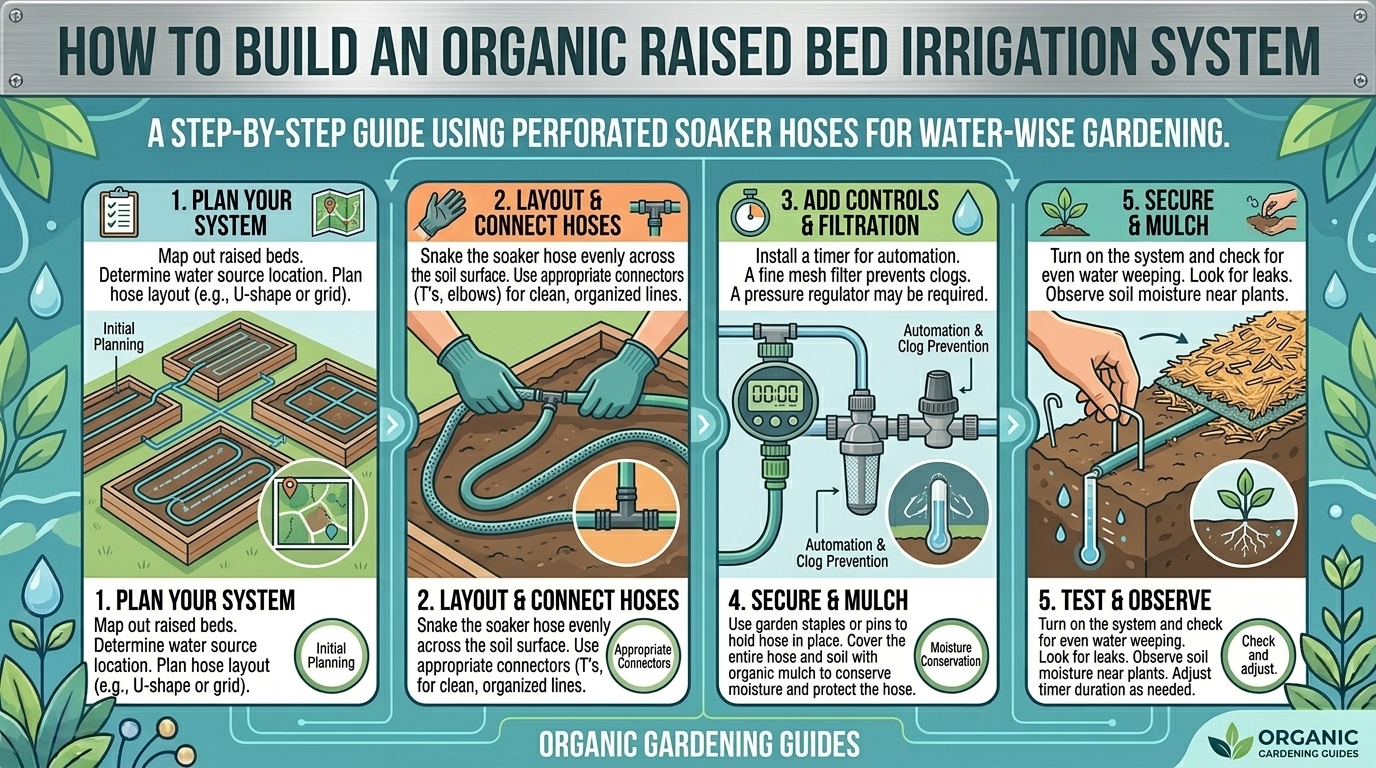
- Growing Strategy: Install drip irrigation lines directly to perennial root zones. Group plants with similar water needs together in zones to optimize water efficiency during dry months.
4. Washington (Maritime Dampness, Mild Temperatures: Zones 6–9)
- The Challenge: High winter rainfall can lead to root rot in poorly draining soils, while cloudy summers mean choosing varieties that tolerate lower light levels.
- Top Choices: Rhubarb, perennial kales, walking onions, and stinging nettles (managed in a corner).
- Growing Strategy: Focus heavily on soil drainage. Amend heavy clay soils with copious amounts of compost and coarse sand, or plant your perennials in raised beds to prevent waterlogging during wet Pacific Northwest winters.
5. San Francisco (Cool Coastal Microclimate, Fog, USDA Zone 10)
- The Challenge: Rare extreme heat, constant cool winds, damp marine air, and persistent summer fog.
- Top Choices: Tree collards thrive phenomenally in the Bay Area’s mild, fog-kissed climate. Globe artichokes, French sorrel, and perennial leeks also excel.
- Growing Strategy: Utilize windbreaks (like fencing or hedges) to protect tender shoots from steady coastal breezes. Take advantage of the lack of killing frosts to harvest greens continuously 365 days a year.
Step-by-Step Guide: Establishing Your Perennial Patch
Laying out a perennial bed is different from planting a standard annual vegetable patch because these plants will occupy the exact same spot for a decade or more. Proper preparation upfront saves immense headaches down the road.
[Site Selection] ➔ [Deep Soil Prep & Weed Eradication] ➔ [Crown/Root Placement] ➔ [Thick Organic Mulching] ➔ [Long-term Maintenance]
- Choose the Right Location: Most perennial vegetables demand full sun (at least 6 to 8 hours of direct sunlight daily). Ensure you place them away from high-traffic mowing zones and where they won’t cast shade on future annual crops.
- Execute Total Weed Eradication: Because you cannot aggressively till or dig around established perennial roots later, purge all perennial weeds (like Bermuda grass, bindweed, or thistle) completely before planting. Sheet mulching (lasagna gardening) with cardboard and compost several months ahead is an effective technique.
- Amend the Soil Deeply: Work organic matter, aged manure, and compost deep into the planting trench or hole. Since you won’t be tilling again, this is your primary chance to set up a nutrient-rich foundation.
- Apply Heavy Organic Mulch: Surround your newly planted crowns with a 3-to-4-inch layer of wood chips, straw, or shredded leaves. This suppresses opportunistic weeds, retains moisture, and slowly feeds the soil biology.
- Establish Proper Spacing: Respect mature plant sizes. An asparagus bed or globe artichoke clump expands significantly over 3–5 years. Crowding leads to reduced yields and disease vulnerability.
Frequently Asked Questions (FAQ)
1. Do perennial vegetables require fertilizer every year?
Yes, but they prefer organic top-dressing rather than synthetic chemical liquid feeds. Each spring, apply a 2-inch layer of well-rotted compost or aged manure around the base of the plants. Worm castings and organic bone meal can also be scratched lightly into the surface soil to replenish macro-nutrients.
2. Can I grow perennial vegetables in containers or raised beds?
Absolutely! Raised beds provide exceptional drainage, which is ideal for crops like asparagus, horseradish, and artichokes. Large containers (at least 15 to 20 gallons) work wonderfully for spreading root crops like sunchokes or aggressive herbs, preventing them from overtaking confined urban spaces.
3. When is the best time of year to plant perennial vegetables?
The ideal planting window is early spring as soon as the soil can be worked, or early autumn in mild climates (such as California and Texas). Autumn planting allows roots to establish deep structural networks during winter rains without the stress of intense summer heat.
4. Why shouldn’t I harvest asparagus in its first year?
Asparagus crowns need all their green fern growth during the first and second years to capture sunlight, photosynthesize, and pump vital carbohydrates down into their underground root storage system. Harvesting too early starves the crown, resulting in weak, spindly spears and a shortened plant lifespan.
5. How do I stop perennial weeds from taking over my permanent beds?
Prevention is key. Maintain a thick, continuous layer of organic mulch (3–4 inches deep) across all bare soil spaces. For persistent weeds that sneak through, hand-pull them immediately while young, or use a sharp hand-cultivator to slice taproots just beneath the soil surface.
6. Are there perennial vegetables that thrive in shady spots?
Yes! While most vegetables require full sun, plants like Good King Henry, French sorrel, rhubarb (which appreciates light afternoon shade in hotter southern zones), and wild leeks (ramps) tolerate or even prefer partial shade conditions.
7. How do I handle pests and diseases on permanent plants?
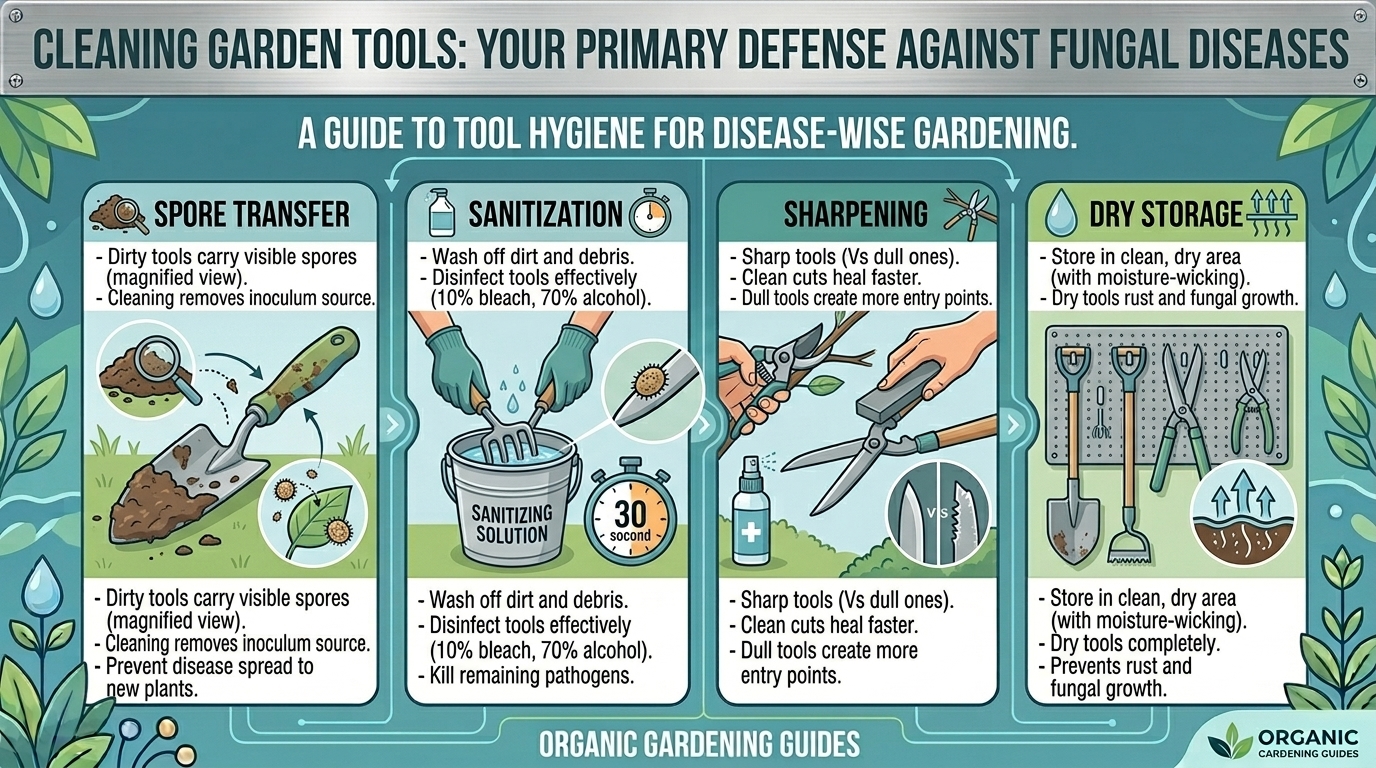
Because perennial patches mimic natural ecosystems, they naturally attract beneficial predatory insects (ladybugs, parasitic wasps, birds) that help keep pest populations in balance. Encourage biodiversity by planting companion flowers nearby. Prune away dead or diseased foliage promptly at the end of each season to prevent overwintering fungal spores.
8. Can I propagate my perennial vegetables to expand my garden?
Yes, most perennial vegetables are exceptionally easy to multiply! Crops like rhubarb, chives, and sorrel can be divided at the root crown every 3 to 4 years using a sharp spade. Tree collards and certain kales are easily propagated via stem cuttings, while walking onions multiply automatically via top bulbils.
9. Do perennial vegetables taste different from annual vegetables?
Many perennial vegetables possess robust, earthy, complex, or distinctively sharp flavor profiles compared to mild, highly-bred supermarket annuals. For example, French sorrel has a sharp lemony bite, sea kale offers a rich nutty-cabbage fusion, and homegrown asparagus provides an unmatched garden-sweet crunch.
10. How long before a newly planted perennial bed becomes fully productive?
It varies by crop. Leafy greens like French sorrel yield light harvests by late summer of their first year. However, root and crown heavyweights like asparagus and globe artichokes require patience, typically reaching peak, heavy commercial-grade productivity by their third growing season.
Conclusion
Transitioning part or all of your food growing space to perennial vegetables is one of the most rewarding commitments you can make as a gardener. By selecting the right varieties suited to your specific regional climate—whether you are battling the dry heat of Texas, navigating New York winters, or enjoying the maritime fog of San Francisco—you unlock a self-sustaining cycle of abundant harvests.