How to Naturally Eliminate Scale Insects from Woody Stemmed Plants Without Harsh Synthetic Pesticides
Welcome to kcplants.com, your trusted digital greenhouse for sustainable plant care and organic horticulture. Whether you are cultivating a sprawling outdoor landscape under the blazing sun of Texas and California, managing urban container gardens and rooftop citrus in New York and San Francisco, or protecting prized woody ornamentals through the damp, chilly winters of Washington, encountering pests is an inevitable part of being a plant parent.
Among all common sap-sucking insects, few are as masters of disguise or as frustratingly resilient as scale insects.
If you have ever run your fingers along the woody stem of a fiddle-leaf fig, an indoor citrus tree, a jasmine vine, or a beloved garden shrub and noticed strange, bumpy crusts that seem like part of the plant’s natural bark, you likely have a scale infestation. Because adult scale insects clamp down tightly onto stems and secrete a hard, waxy, turtle-shell-like protective armor, standard sprays often bounce right off them.
Fortunately, you do not need to douse your plants in toxic synthetic neurotoxins or systemic chemical insecticides to win the battle. This comprehensive guide explores the biology of scale insects, why woody stems are prime targets, and how to use safe, organic, non-toxic methods to completely eradicate scale and restore your plants to vibrant health.
Part 1: What Are Scale Insects and Why Are They So Hard to Kill?
Scale insects belong to the superfamily Coccoidea. Unlike fast-moving aphids or delicate whiteflies, adult female scale insects are entirely immobile. Once they find a prime feeding spot on a woody stem or leaf vein, they lose their legs and eyes, anchor their mouthparts deep into the plant’s vascular system (phloem), and stay put for the rest of their lives.
The Two Main Types of Scale Found on Woody Plants
- Armored Scale: These insects secrete a hard, separable waxy shield over their bodies. They do not produce sticky honeydew, but their feeding causes severe leaf drop, yellowing, and branch dieback.
- Soft Scale: These insects secrete a continuous, soft, rubbery, or dome-shaped waxy covering that is actually part of their body structure. Soft scales drink massive quantities of plant sap and excrete a sugary, sticky liquid called honeydew, which coats stems and leaves, quickly fostering black sooty mold.
The Stealthy Life Cycle
Scale reproduction is what makes them so difficult to eradicate in a single application:
- The Crawlers: Female scales lay hundreds of microscopic eggs beneath their protective shields. When the eggs hatch, the tiny, mobile nymphs—known as crawlers—emerge and walk (or drift on air currents) to new parts of the plant.
- Lockdown: Once a crawler finds a feeding site, it flattens out, secretes its armor, and becomes stationary.
- The Treatment Challenge: Sprays that easily kill soft crawlers are completely ineffective against armored adult shields. Therefore, any organic treatment plan must account for this multi-stage lifecycle.
Part 2: The Best Natural and Organic Treatments for Woody Stems
Because woody-stemmed plants (like citrus, hibiscus, ficus, and fruit trees) have tough outer bark, you can use powerful organic treatments that might otherwise scorch delicate herbaceous seedlings.
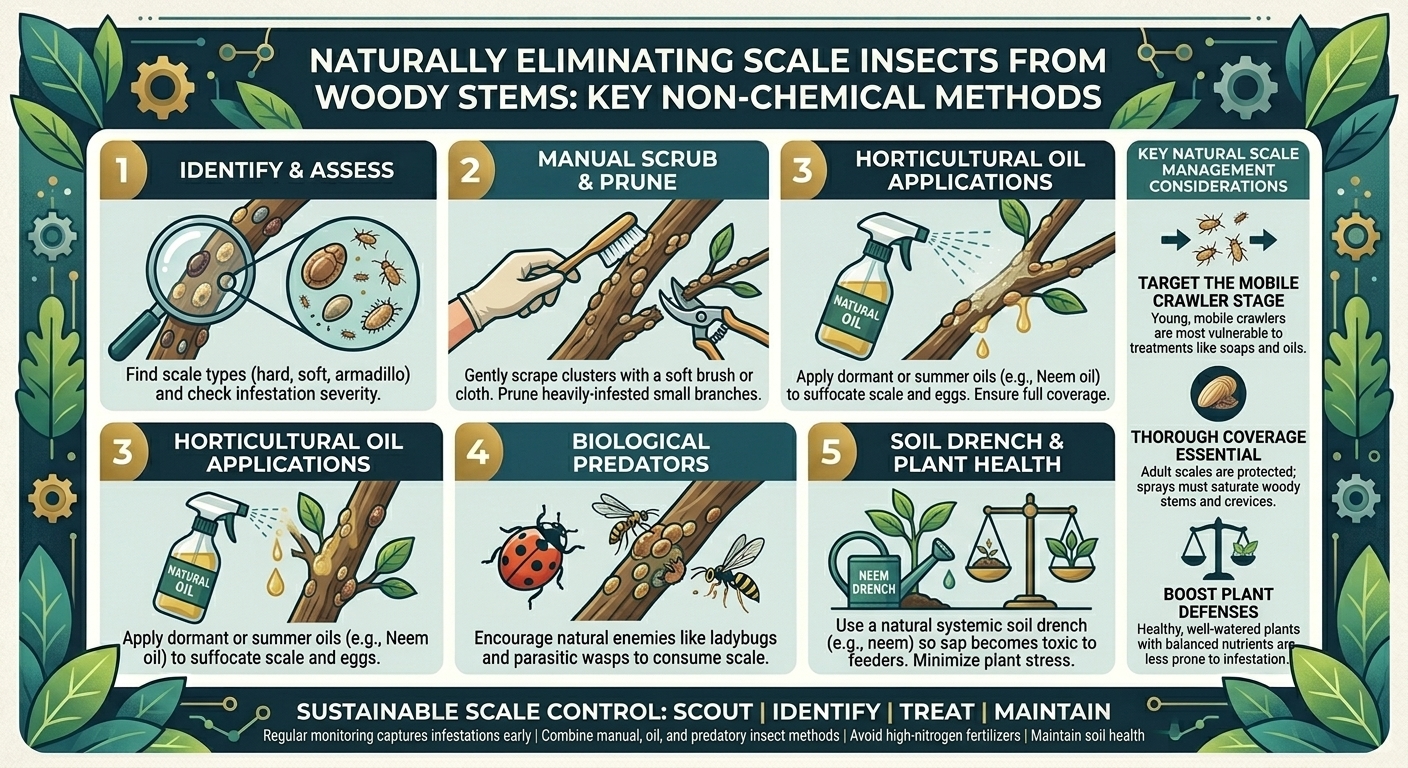
1. Horticultural Neem Oil (Cold-Pressed)
- How It Works: Pure, cold-pressed neem oil contains azadirachtin, a natural compound that disrupts insect hormonal balance, prevents feeding, and suffocates stationary scales.
- Application: Mix 2 tablespoons of raw, cold-pressed neem oil and a few drops of mild liquid castile soap (to act as an emulsifier) per gallon of warm water. Spray the entire woody stem network thoroughly. The oil seeps under the waxy shields and suffocates both adults and crawlers.
2. Horticultural Mineral Oils (Summer and Dormant Oils)
- How It Works: Highly refined petroleum- or plant-based horticultural oils coat insects in a microscopic film, cutting off their oxygen supply instantly.
- Application: Horticultural oils are exceptionally effective on woody stems because thick bark tolerates oil treatments better than soft leaves. Apply during overcast days or in the evening to prevent sunscorch.
3. Mechanical Removal (The Rubbing Alcohol Method)
- How It Works: For localized or early-stage infestations on woody stems, manual removal is 100% effective and immediate.
- Application: Dip a cotton swab or an old soft-bristled toothbrush into standard 70% isopropyl (rubbing) alcohol. Gently scrub the raised bumps along the stems. The alcohol instantly dissolves the waxy protective coating, killing the insect on contact. Afterward, wipe the stems clean with a damp cloth.
4. Insecticidal Soaps (Potassium Salts of Fatty Acids)
- How It Works: Commercial organic insecticidal soaps break down the cell membranes of soft-bodied crawlers during their mobile phase. While less effective against hardened adult armored scale, they are fantastic for wiping out active crawler waves.
Part 3: Step-by-Step Eradication Protocol for Woody Plants
To successfully clear scale from woody stems without damaging your plants, follow this structured 4-step treatment framework:
Step 1: Prune Away Heavy Damage
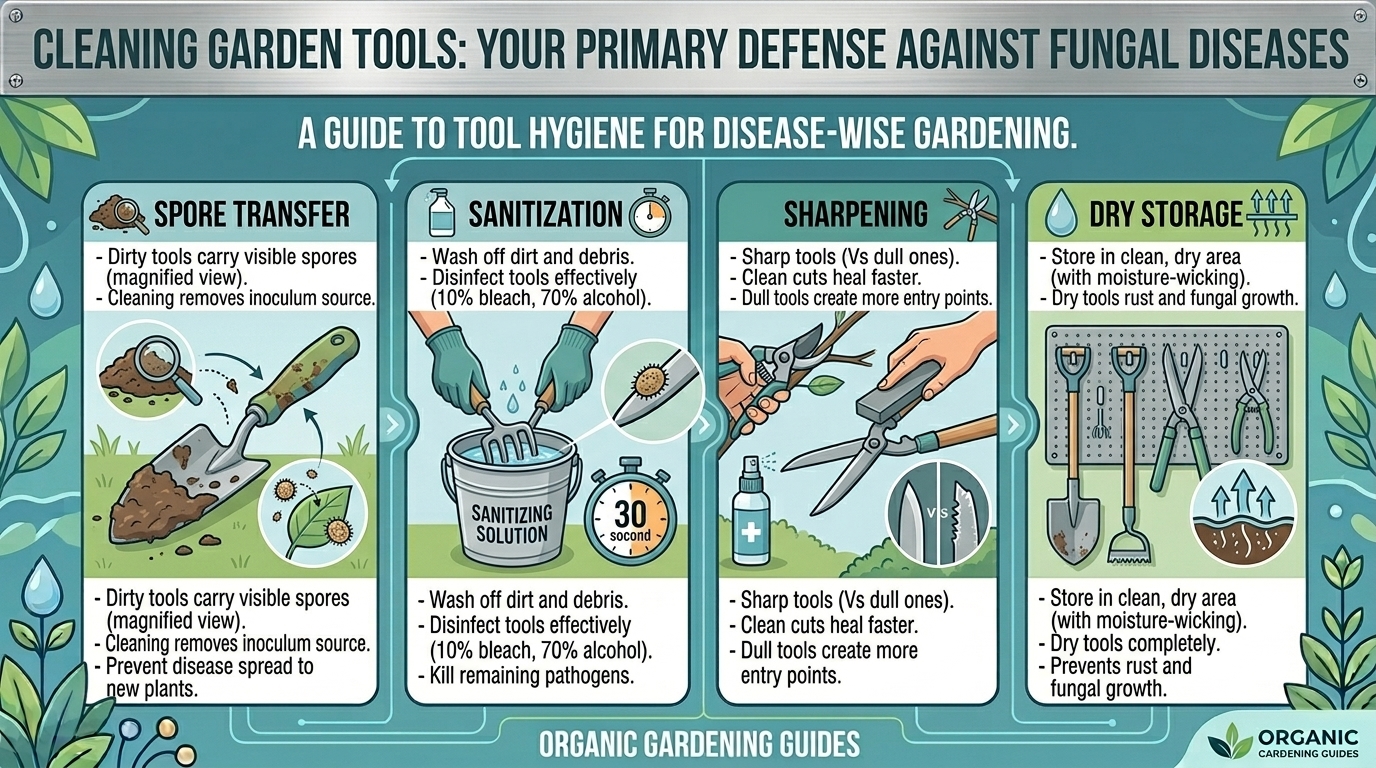
Inspect your plant thoroughly. If certain branches or twigs are completely encrusted with layers of scale and showing severe dieback, prune them off entirely using sterilized shears. Seal the infected branches in a plastic bag and throw them in the outdoor trash.
Step 2: Mechanical Scrubbing
Take a bucket of warm soapy water (using mild castile soap) and a soft brush. Gently scrub the main woody trunks and larger stems to dislodge as many adult scale insects and sticky sooty mold deposits as possible.
Step 3: Apply Your Organic Spray
Choose your weapon—either horticultural oil or neem oil spray. Using a pump sprayer, coat every inch of the woody stems, branch forks, leaf axins, and both sides of the leaves until runoff occurs. Make sure to work systematically from the base of the plant upward.
Step 4: The 14-Day Repeat Cycle
Because scale eggs hatch protected beneath maternal shells over a span of several weeks, a single spraying will never eliminate a mature colony. You must repeat your horticultural oil or neem spray every 14 days for a total of 3 to 4 treatments to catch emerging crawlers before they mature and lay new eggs.
Part 4: Proactive Prevention Tips for Healthy Woody Plants
Maintaining resilient woody plants is your best line of defense against future outbreaks:
- Inspect New Additions Rigorously: Scale insects are frequently brought home on nursery stock, potted citrus trees, or outdoor ornamentals. Quarantine new plants for at least 3 weeks.
- Avoid Over-Fertilizing with Nitrogen: Pushing your woody plants into rapid, succulent green growth with high-nitrogen fertilizers creates thin, weak cell walls that sap-sucking pests adore.
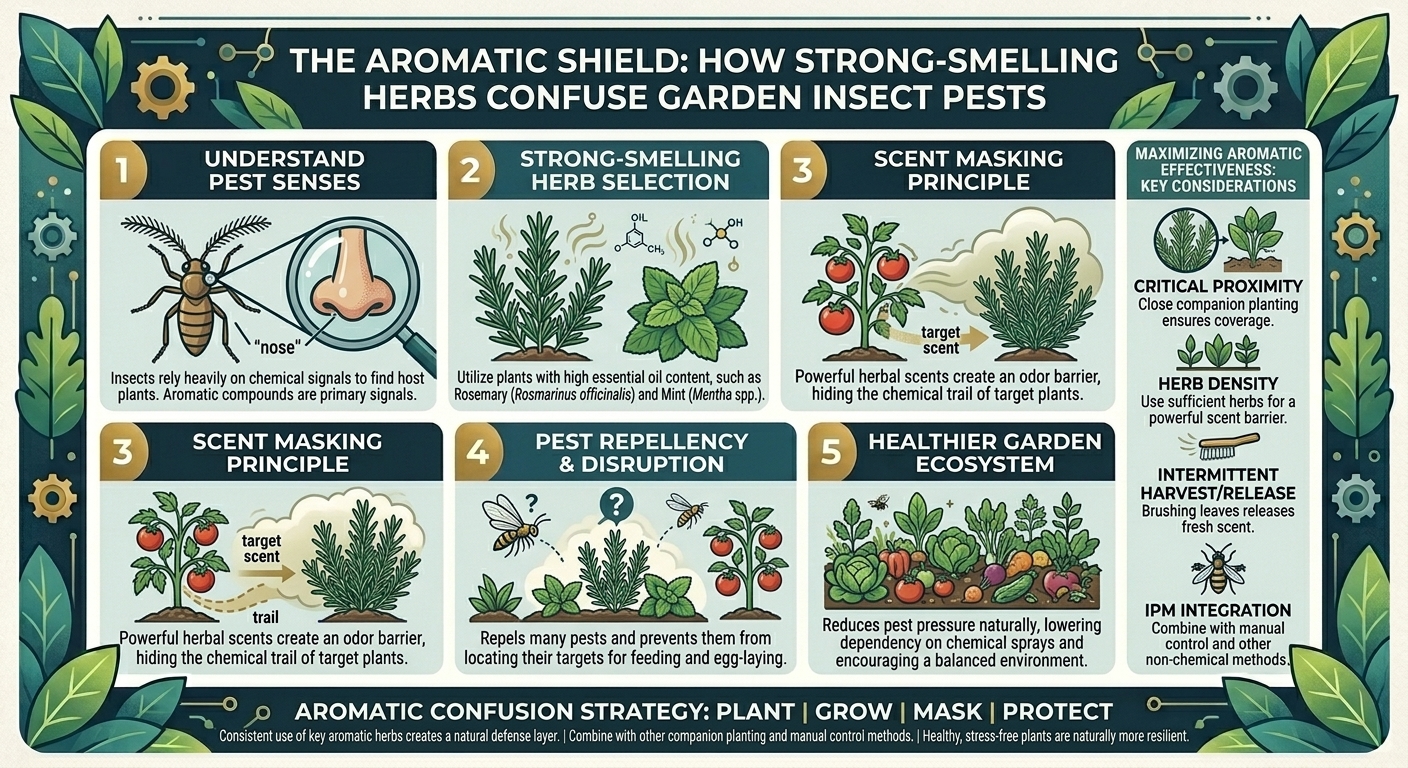
- Encourage Beneficial Predators: Ladybugs, lacewings, parasitic wasps, and predatory beetles actively hunt scale crawlers. Maintaining a diverse garden ecosystem helps keep pest numbers naturally suppressed.
- Wipe Down Indoor Woody Plants: For indoor woody specimens like Fiddle-Leaf Figs or rubber trees, wipe down stems and leaves monthly with a damp microfiber cloth to remove dust and early-stage pests.
Part 5: Frequently Asked Questions (FAQ)
1. How can I tell the difference between natural plant bark bumps (lenticels) and scale insects?
Natural plant bark bumps (called lenticels) are fixed structural parts of the bark, feel uniform, and cannot be scraped off without tearing the bark tissue. Scale insects, on the other hand, are foreign organisms that can be easily popped, scraped off with a fingernail or credit card, and often leave a small wet spot behind.
2. Can I use rubbing alcohol straight from the bottle on my plant leaves?
While 70% isopropyl alcohol is safe and effective when dabbed directly onto scale insects on woody stems using a cotton swab, you should never spray straight rubbing alcohol all over soft green leaves, as it will cause severe chemical burn and leaf scorch.
3. Why do scale insects secrete sticky honeydew?
Soft scale insects feed continuously on the sugar-rich phloem sap of plants. Because they ingest more sugary fluid than they can digest, they excrete the excess as a sticky, sugary liquid called honeydew, which coats lower leaves and attracts ants and sooty mold.
4. Do ants farm scale insects on woody plants?
Yes! Ants love feeding on the sweet honeydew secreted by soft scales. In return, ants act as bodyguards, protecting scale insects from natural predators like ladybugs. If you notice a sudden trail of ants marching up a woody stem, check the upper branches for scale or aphids.
5. Is neem oil safe to use on outdoor citrus trees in Texas or California?
Yes, cold-pressed neem oil and horticultural oils are widely used on citrus trees. However, never apply oils when temperatures exceed 90°F (32°C), as high heat combined with oil will magnify sunlight and fry the foliage. Always spray in the early morning or late evening.
6. Will horticultural oil suffocate my plant’s bark?
No. Woody stems and bark are designed to withstand oils and waxes. Horticultural oils work by coating the breathing pores (spiracles) of insects without harming the underlying plant tissue, provided you follow product label dilution rates.
7. How long does it take to completely eradicate a heavy scale infestation?
Because scale insects reproduce in overlapping generations and hide beneath protective shells, breaking an established infestation typically takes 4 to 8 weeks of consistent mechanical removal and bi-weekly oil or soap treatments.
8. Can I use systemic organic treatments for scale?
Some organic growers use soil drenches containing azadirachtin (derived from neem seeds). When watered into the soil, the plant roots absorb the compound, making the sap unpalatable to sap-sucking pests like scale and mealybugs.
9. What should I do if sooty mold covers my plant leaves?
Sooty mold is a harmless black fungus that feeds exclusively on the sugary honeydew left behind by soft scale. Once you successfully eliminate the scale insects and stop the honeydew production, you can gently wash the black mold off the leaves using a soft cloth and mild soapy water.
10. When is it better to throw away an infested woody plant?
If a woody shrub or indoor houseplant is more than 70% covered in thick, encrusted scale, suffering from severe branch dieback, and draining your energy with repeated failed treatments, discarding the plant safely in a sealed bag is often the healthiest choice to protect your other valuable plants.
Conclusion
Dealing with scale insects on woody-stemmed plants can test any gardener’s patience, but you do not need to resort to harsh synthetic chemicals to win. By understanding their resilient biology, combining physical scrubbing and rubbing alcohol with organic horticultural oils or neem sprays, and committing to a multi-week treatment schedule, you can protect your woody ornamentals, citrus trees, and indoor green collections. Keep your plants resilient, inspect your stems regularly, and enjoy a thriving, pest-free oasis from coast to coast.