Every vegetable gardener knows the familiar, frustrating routine: you spend a pristine spring weekend tilling, planting, and watering your newly established garden beds, only to return a week later and find an aggressive army of weeds sprouting up alongside your prized tomatoes, peppers, and greens. Weeding is the undisputed chore of gardening—it eats up precious leisure time, competes with your crops for vital soil nutrients and water, and can quickly overwhelm even the most passionate grower.
Across diverse growing regions—from the scorching, sun-baked clay of Texas and the variable urban plots of New York and San Francisco to the moist, fertile soils of Washington and California—organic mulch is the ultimate secret weapon. When applied correctly, a proper layer of organic mulch acts as an impenetrable shield against weed seeds while simultaneously transforming your soil into a thriving, moisture-rich ecosystem.
However, haphazardly dumping a pile of mulch around your vegetable stems can do more harm than good, leading to rot, pest infestations, and nutrient tie-up. This comprehensive guide details the science of weed suppression, the best organic materials to use, and a step-by-step masterclass on how to properly layer mulch in your vegetable garden.
1. The Science of Weed Suppression: How Mulch Works
To defeat weeds, you first have to understand how they operate. Weed seeds lie dormant in the soil by the millions, waiting for two primary triggers to germinate: light and moisture.
Blocking Photosynthesis and Light
The vast majority of annual weed seeds require direct exposure to sunlight to break dormancy and trigger germination. When you apply a thick, opaque blanket of organic mulch over your garden beds, you completely block out the sun. Even if weed seeds manage to germinate in the dark environment beneath the mulch, they lack the light required for photosynthesis, causing them to wither and die before they ever break the surface.
Conserving Moisture While Starving Weeds
While mulch keeps the underlying soil moist for your vegetable plants’ deep root systems, a dry upper layer of mulch prevents surface weed seeds from accessing the consistent moisture they need to thrive. Furthermore, a dense mulch layer physically blocks delicate weed seedlings from pushing upward through the heavy material.
2. Choosing the Right Organic Mulch for Vegetable Beds
Not all mulches are created equal. While wood chips and bark nuggets are fantastic for permanent landscape and perennial shrub beds, they are generally unsuitable for annual vegetable gardens. Wood chips take years to break down, can tie up surface nitrogen, and make seasonal tilling, planting, and seed sowing nearly impossible.
Instead, vegetable gardens demand fast-acting, nutrient-rich organic mulches that break down within a single season or two, feeding the soil food web as they degrade.
A. Shredded Autumn Leaves
- Best For: All regions (Texas, New York, California, Washington, San Francisco).
- Why It Works: Free, abundant, and lightweight, finely shredded leaves block light effortlessly, suppress weeds, and decompose into rich humus by the end of the growing season.
B. Straw (Certified Weed-Free)
- Best For: Vegetable and strawberry beds.
- Why It Works: Straw provides a clean, golden carpet that reflects sunlight, keeps fruit (like squash and tomatoes) off the wet soil, and suppresses weeds effectively. Crucial Note: Always buy certified weed-free straw (not hay, which is packed with viable grass and weed seeds).
C. Grass Clippings (Thoroughly Dried)
- Best For: Fast nitrogen release and dense weed blocking.
- Why It Works: Free from your lawn mower, grass clippings pack down tightly to choke out weeds. Caution: Apply them in thin layers (less than an inch) and let them dry out first, otherwise wet grass mats into a slimy, anaerobic blanket that smells foul and suffocates roots.
D. Compost and Leaf Mold
- Best For: Urban gardens, raised beds, and small plots.
- Why It Works: A 1-to-2-inch layer of fine, dark compost acts as a wonderful smothering mulch while delivering a direct injection of macro- and micro-nutrients to your vegetables.
3. Regional Considerations Across the U.S.
Climate dictates how mulch behaves in your garden. Tailoring your mulching strategy to your local environment ensures maximum weed suppression without unintended side effects:
Texas
- Climate Challenge: Intense summer heat, high UV radiation, and sudden dry spells.
- Mulching Strategy: Apply a generous 3-inch layer of light-colored straw or shredded leaves. Light colors reflect the blazing Texas sun, keeping root zones cool and preventing rapid soil evaporation while locking out aggressive warm-season weeds like crabgrass and nutgrass.
New York & Washington
- Climate Challenge: Heavy spring rains, damp conditions, and cooler ambient temperatures.
- Mulching Strategy: Avoid over-thick or waterlogged mulches early in spring, as they can keep the soil too cold and wet, delaying seed germination. Wait until late spring when the soil has warmed up thoroughly before applying a moderate 2-inch layer of breathable straw or shredded leaves.
California & San Francisco
- Climate Challenge: Mediterranean dry summers, water restrictions, and diverse coastal vs. inland microclimates.
- Mulching Strategy: Mulching is non-negotiable for water conservation. In San Francisco’s cool, foggy microclimate, keep mulch slightly thinner directly around plants to prevent excess surface moisture from attracting fungal diseases. In inland California, layer robustly to retain every drop of irrigation water.
4. Step-by-Step Masterclass: How to Properly Layer Mulch
Applying mulch correctly is an art form. Follow this step-by-step framework to maximize weed suppression and protect your vegetable crops.
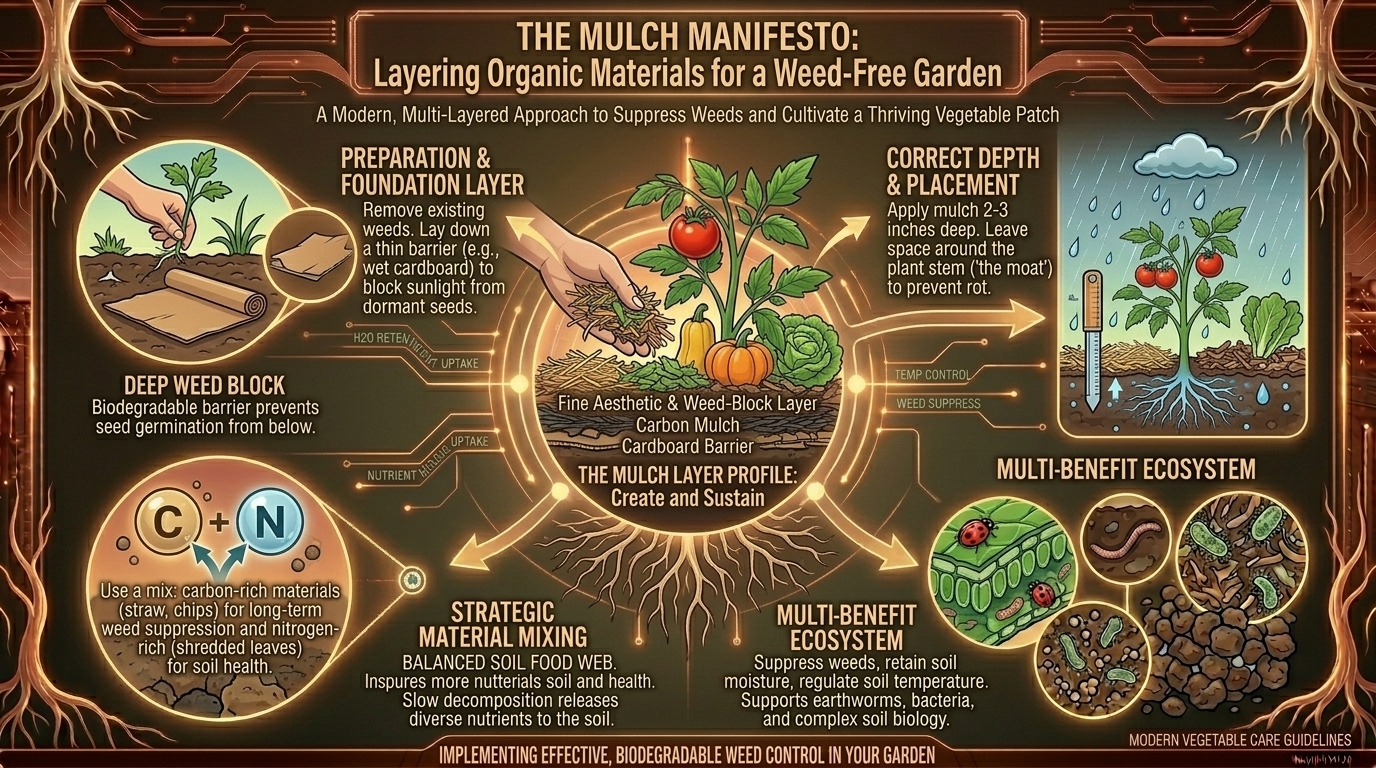
Step 1: Start with a Completely Weed-Free Bed
Mulch is a preventative tool, not an eradicating herbicide. It stops new weed seeds from germinating, but it will not reliably kill deep-rooted perennial weeds (like dandelions or thistles) that are already established. Before laying a single handful of mulch, hand-weed your entire garden bed, ensuring you pull up entire root systems.
Step 2: Amend and Water the Soil First
Before applying your organic barrier, ensure your soil is properly fertilized (with compost, organic granular fertilizer, or bone meal) and thoroughly watered. Mulch locks in existing moisture; if you lay mulch over bone-dry soil during a drought, rain or irrigation will struggle to penetrate the barrier.
Step 3: Establish the Correct Depth
Depth is the single most important factor in weed control:
- Too Thin (Under 1 Inch): Sunlight easily penetrates the material, allowing weeds to sprout right through.
- Too Thick (Over 4 Inches): The mulch packs down too tightly, cutting off essential oxygen flow to plant roots and trapping excessive moisture against stems, leading to rot and disease.
- The Sweet Spot (2 to 3 Inches): A consistent 2-to-3-inch layer of fluffy organic material blocks 99% of weed seeds while maintaining proper soil aeration and gas exchange.
Step 4: Practice the “Donut Hole” Technique (Crucial!)
Never pile mulch directly against the stems or trunks of your vegetable plants (often called “volcano mulching”). Piling wet organic material against stems traps moisture, inviting fungal pathogens, stem rot, and destructive pests like slugs, snails, and cutworms. Leave a 1-to-2-inch breathing space around the base of every plant, creating a miniature “donut hole” of bare soil.
5. Maintenance: Managing Your Mulch Throughout the Season
Mulch is not a “set-it-and-forget-it” project. To keep your vegetable beds weed-free all season long, follow these ongoing maintenance guidelines:
- Top Up as Needed: Organic mulches decompose over time as earthworms and microbes pull the material down into the soil. If your mulch layer shrinks below 1.5 inches in mid-summer, lightly top it off with another inch of fresh material.
- Pull Stray Weeds Immediately: Even the best mulch layer will occasionally see a rogue weed seed blow in on the wind and sprout in a thin spot. Pull these stray invaders immediately while they are tiny and their roots are shallow.
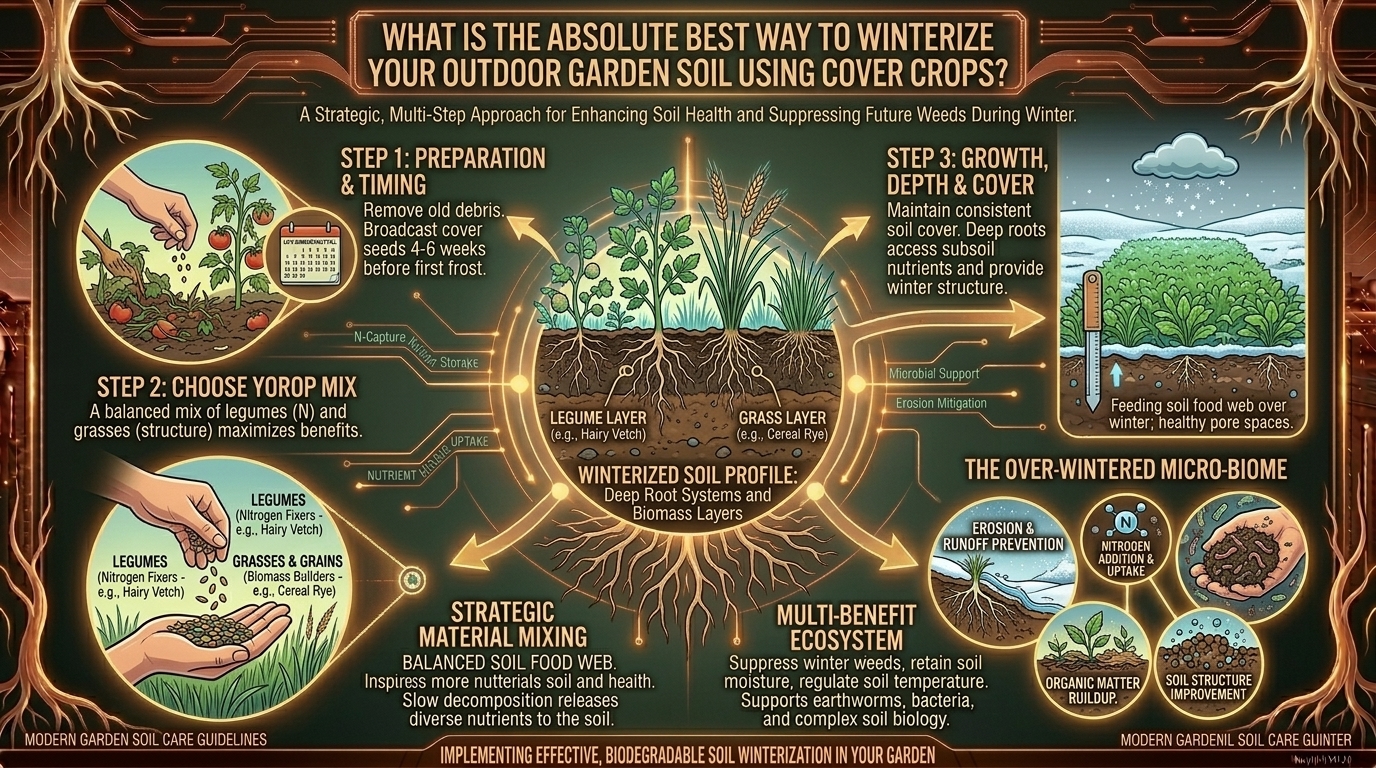
- Clear at Season’s End: In autumn, you can either rake away leftover coarse mulch to let the winter sun warm the soil, or simply till fine, decomposed leaf and straw mulch directly into the topsoil to enrich your garden for the following year.
6. Comprehensive FAQ: Everything You Need to Know
1. Can I use wood chips from tree-trimming services in my vegetable garden?
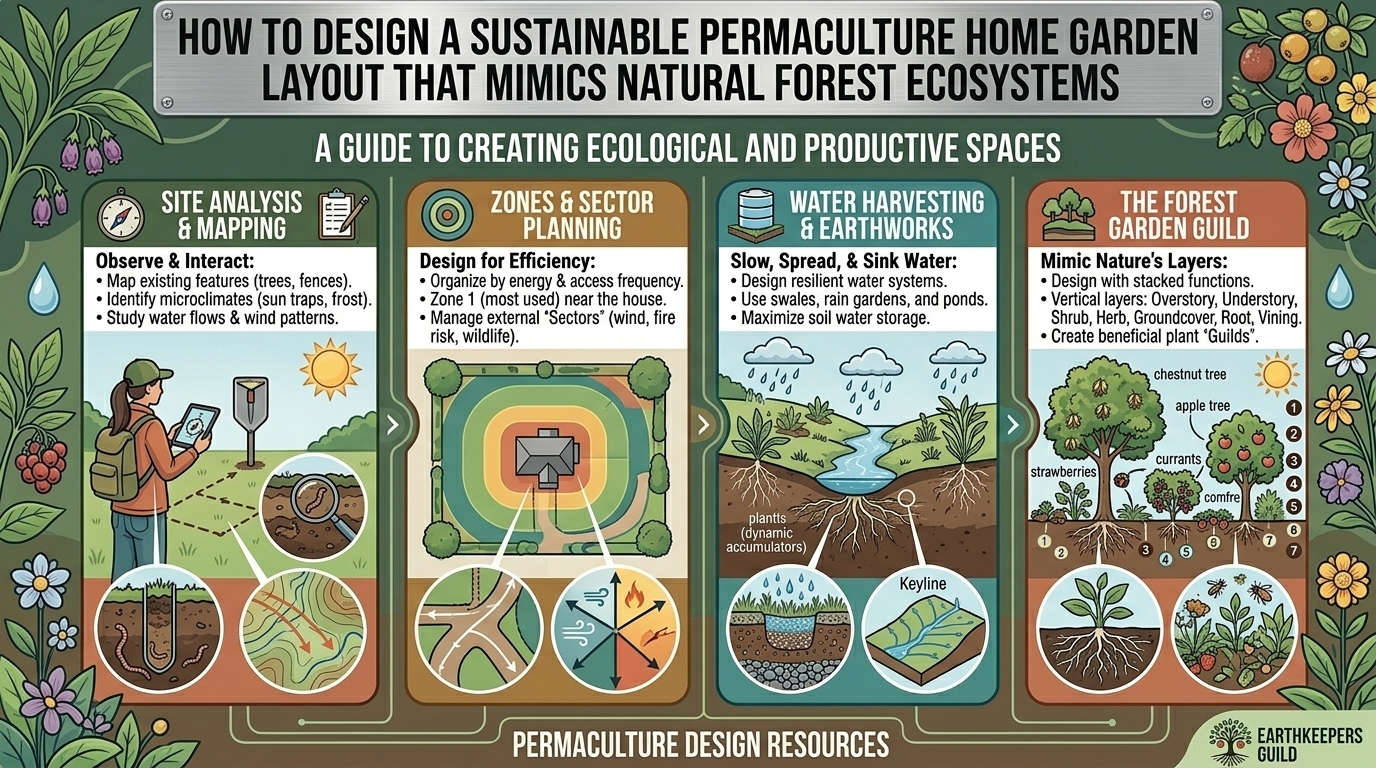
It is best to avoid standard arborist wood chips in annual vegetable beds. Wood chips are slow to decompose, draw nitrogen away from the soil surface as they break down, and make planting seeds nearly impossible. Save wood chips for permanent pathways and perennial fruit tree guilds instead.
2. Will organic mulch attract pests like slugs and snails?
In damp climates (like Washington or coastal California), thick mulches can provide hiding spots for slugs and snails. To minimize this risk, keep your mulch layer slightly thinner close to susceptible crops (like lettuce and brassicas), avoid over-watering, and maintain the 2-inch “donut hole” space around plant stems.
3. How do I plant seeds in a bed that is already mulched?
If you are direct-sowing seeds (like carrots, radishes, or beans), simply push the mulch aside in a narrow strip to expose bare soil, plant your seeds according to packet instructions, and leave the surrounding mulch in place to suppress aisle weeds. Once your seedlings sprout and grow a few inches tall, gently slide the mulch back closer to (without touching) the plant rows.
4. Can I use black plastic sheeting underneath my organic mulch?
While black plastic is an effective weed barrier, it is not recommended for home vegetable gardens. Plastic suffocates the soil, prevents vital gas exchange, stops earthworms from moving freely, prevents beneficial rainfall from soaking in, and bakes the soil roots during hot summer months. Stick to breathable organic mulches instead.
5. Why are weeds still growing right through my thick mulch layer?
If established weeds are pushing through your mulch, it usually means one of two things: either you laid the mulch over pre-existing weeds without pulling them first, or your mulch layer is composed of hay rather than straw, and the hay is actively seeding your garden with grass and weed seeds.
6. Does straw mulch attract rodents or mice to my vegetable beds?
Straw itself does not attract mice, but if you live in an area with high rodent populations, a thick layer of straw can occasionally provide cozy nesting material for overwintering mice. To prevent this, keep mulch pulled slightly away from the main bases of woody vegetable stems and clear garden debris at the end of the harvest.
7. Can I use shredded newspaper or cardboard as a weed-suppressing mulch?
Yes! “Sheet mulching” using layers of unprinted corrugated cardboard or black-and-white newspaper underneath a top layer of straw or shredded leaves is an exceptionally effective way to smother heavy weed infestations in new garden beds. Ensure you remove any shiny colored ink pages or plastic tape.
8. How often should I replace my vegetable garden mulch?
Fast-breaking organic mulches (like shredded leaves and straw) largely decompose into the soil by the end of a single growing season. You will typically need to apply a fresh layer of mulch each spring when establishing your new warm-season vegetable crops.
9. Will mulch make my vegetable garden soil too acidic?
Most common organic vegetable mulches (straw, aged compost, shredded maple/oak leaves) decompose into a neutral or very mildly acidic pH that vegetables love. Unless you are dumping massive quantities of intensely acidic materials (like fresh pine needles) onto alkaline soil, your garden pH will remain stable.
10. What is the single biggest mistake people make when mulching vegetable beds?
The biggest mistake is piling mulch directly against the stems of tomato plants, peppers, and squash. This traps moisture directly against the plant bark or stem tissue, causing stem rot, inviting fungal diseases, and giving slugs and pests a direct highway to devour your crops. Always leave a clear breathing space!
Conclusion
Mastering the art of organic mulching is one of the most liberating shifts you can make as a vegetable gardener. By replacing hours of grueling, back-breaking weeding with a simple, calculated application of shredded leaves, clean straw, or compost, you redirect your energy toward what truly matters: planting, nurturing, and harvesting an abundant crop.