How to Treat Bacterial Leaf Spot Disease on Garden Peppers Using Organic Copper Soap Formulas
Welcome to kcplants.com, your definitive online guide for organic gardening, disease prevention, and thriving backyard vegetable production. Whether you are cultivating bell and chili peppers in a sun-drenched California or Texas backyard, managing damp summer conditions across New York and Washington, or maintaining a compact container garden on a San Francisco rooftop, few things are as disheartening as watching a flourishing pepper crop succumb to disease.
Among the various ailments that afflict nightshades, Bacterial Leaf Spot (BLS)—caused primarily by the pathogen Xanthomonas campestris pv. vesicatoria—is one of the most aggressive and pervasive. It can turn a lush, green pepper plant into a defoliated, struggling skeleton in a matter of weeks. Fortunately, organic gardeners do not need harsh synthetic bactericides to save their harvest. Organic copper soap (copper octanoate) offers a safe, highly effective, and environmentally responsible way to stop bacterial leaf spot in its tracks.
In this comprehensive, SEO-optimized guide, we will explore how to identify bacterial leaf spot, understand the science of copper soap treatments, and implement a step-by-step management strategy tailored to your regional climate.
Understanding the Enemy: What Is Bacterial Leaf Spot?
Before applying any treatment, accurate identification is critical. Bacterial leaf spot is frequently confused with fungal issues like early blight or septoria leaf spot, but its behavior and physical markers are distinct.
1. Key Symptoms on Pepper Plants
- Water-Soaked Lesions: The infection typically begins on the undersides of lower leaves as small, water-soaked, dark green spots.
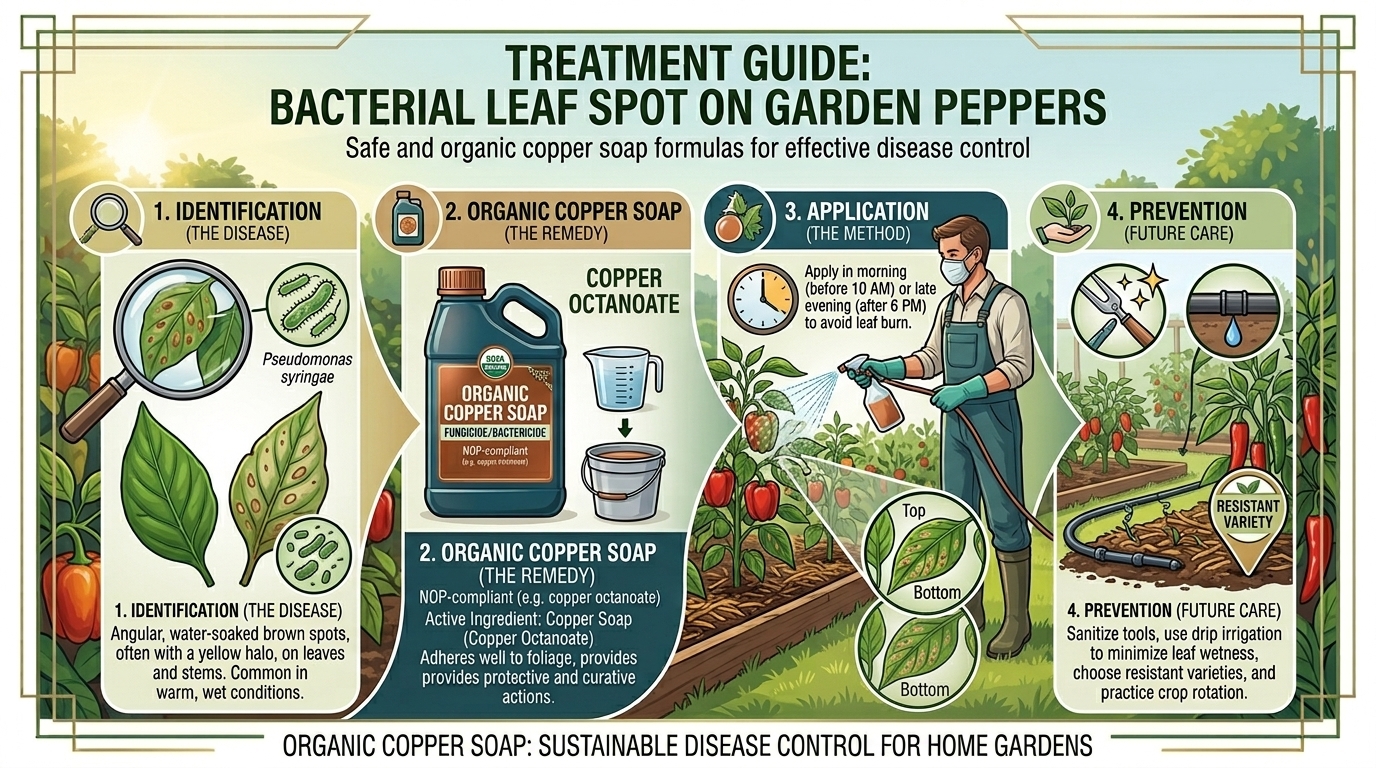
- Angular Brown Spots: As the spots expand, they turn dark brown to black and often develop a yellow chlorotic halo. Because the expansion is restricted by the leaf’s minor veins, the spots often take on an angular, geometric shape.
- Premature Defoliation: Heavily infected leaves turn yellow and drop off rapidly. This defoliation exposes developing pepper fruits to intense solar radiation, resulting in severe sunscald.
- Fruit Blemishes: On the peppers themselves, the bacteria produce raised, scab-like, rough spots that render the harvest unmarketable, though they rarely cause direct internal soft rotting.
2. How the Pathogen Spreads
Bacterial leaf spot thrives in warm, humid environments (typically between 75°F and 85°F). The bacteria overwinter on infected plant debris and seeds. During the growing season, water is the primary vehicle for transmission: splashing rain, overhead irrigation, or even brushing against wet foliage with hands and tools transfers the bacteria from plant to plant.
Regional Climate Challenges Across Major Zones
Different regional weather patterns dramatically influence how and when bacterial leaf spot strikes your garden:
- Texas & California: High humidity during early spring storms followed by intense heat waves can stress plants. Irrigating overhead in hot climates creates localized tropical microclimates around the plant base, triggering sudden bacterial breakouts.
- New York & Washington: Summer rainstorms, high relative humidity, and damp morning dews provide ideal breeding conditions for Xanthomonas populations to multiply rapidly across backyard vegetable plots.
- San Francisco: Coastal fog and microclimates keep morning air damp and cool. Without adequate morning sun and airflow, moisture lingers on pepper leaves for hours, giving ambient bacteria ample time to colonize.
The Solution: Why Organic Copper Soap (Copper Octanoate) Works
When dealing with a bacterial pathogen, standard organic fungicides (like sulfur or bio-fungicides meant strictly for molds) will fail. You need a bactericide, and copper is the gold standard in organic production.
What Is Copper Soap?
Copper soap is scientifically known as copper octanoate. It consists of copper ions bound to a fatty acid (soap).
- The Mode of Action: When sprayed onto plant foliage, the copper ions are released upon contact with moisture. These ions disrupt the cellular membranes and metabolic enzyme systems of bacterial cells, killing them instantly before they can multiply or penetrate new leaf tissue.
- Why Choose Copper Soap Over Basic Copper Sulfate? Traditional heavy copper formulas (like basic copper sulfate) can cause severe chemical burns (phytotoxicity) on tender pepper leaves, leaving yellow margins and stunted growth. Copper soap is a much gentler, finely balanced formulation that provides powerful bactericidal action while remaining exceptionally safe for delicate pepper foliage.
Step-by-Step Guide: Treating Bacterial Leaf Spot with Copper Soap
To successfully eradicate a bacterial outbreak, precision and timing are everything. Follow this step-by-step protocol:
      [ Step 1: Sanitation ]      -->  Prune heavily infected leaves and sanitize tools
                   ↓
      [ Step 2: Proper Mixing ]   -->  Dilute copper soap according to label instructions
                   ↓
      [ Step 3: Thorough Spray ]  -->  Coat all leaf surfaces, focusing heavily on undersides
                   ↓
      [ Step 4: Follow-Up ]       -->  Reapply every 7 to 10 days or after heavy rainfall
Step 1: Prune and Sanitize (Sanitation First)
- Inspect your pepper plants and carefully prune away heavily infected lower leaves where spots cover more than 50% of the tissue.
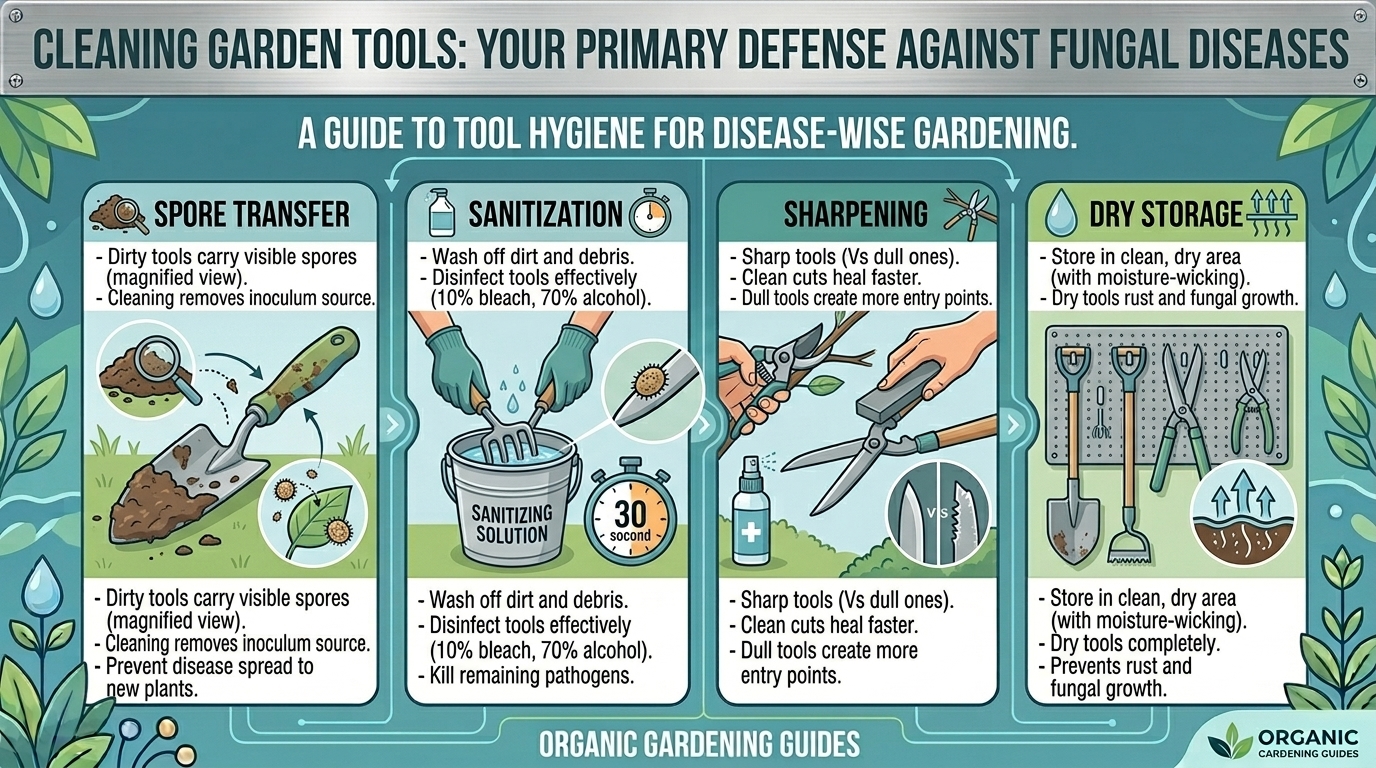
- Crucial Rule: Never prune or handle pepper plants when they are wet with dew or rain, as this smears active bacteria across healthy foliage. Dip your pruning shears in a 70% isopropyl alcohol solution between every single cut.
- Discard infected leaves in the trash; never add them to your home compost pile, where the bacteria can survive the winter.
Step 2: Mix Your Copper Soap Solution
- Purchase a trusted, OMRI-listed organic copper soap concentrate or ready-to-use spray.
- If using concentrate, mix it strictly according to the manufacturer’s label instructions using soft or filtered water. Over-concentrating the spray will not speed up healing; it will only risk leaf damage.
Step 3: Apply with Complete Coverage
- Timing Matters: Spray your pepper plants either early in the morning after dew has evaporated or late in the afternoon as the sun dips. Never spray in the heat of midday (>85°F), as direct intense sunlight combined with liquid applications can scorch the leaves.
- The Technique: Use a pump sprayer with an adjustable nozzle set to a fine mist. Thoroughly coat all above-ground plant surfaces, paying special attention to the undersides of leaves where bacterial splashing originates.
Step 4: Maintain a Treatment Schedule
- Copper soap acts as a protective and contact barrier; it does not cure tissue that is already dead, but it stops the spread to healthy tissue.
- Reapply every 7 to 10 days during damp weather, or immediately following heavy rainstorms that wash away the protective copper residue.
Comprehensive Prevention and Cultural Best Practices
Treating an active outbreak is only half the battle. To keep bacterial leaf spot from returning year after year, integrate these cultural practices into your garden design:
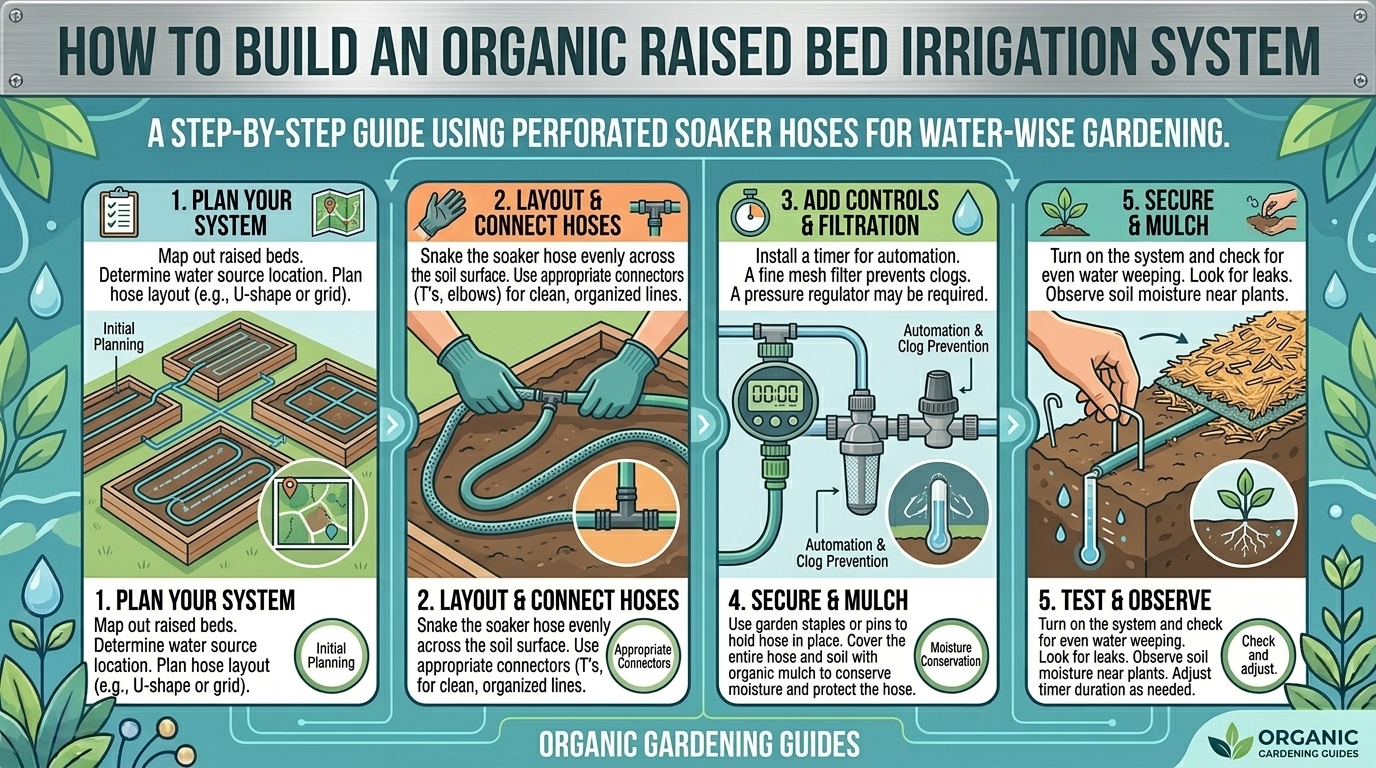
- Switch to Drip Irrigation: Never use overhead sprinklers or hand-water your peppers with a hose nozzle that splashes soil particles up onto the leaves. Install a ground-level soaker hose or drip irrigation system to keep foliage completely dry.
- Plant Resistant Cultivars: The single best long-term defense is genetics. Look for pepper seeds or transplants explicitly labeled with resistance genes (often marked as X3R or carrying resistance traits like Bs1, Bs2, or Bs3). Reliable resistant varieties include bell peppers like Aristotle X3R and Paladin, and hot varieties like Baron (poblano) and Anaheim X3R.
- Practice Strict Crop Rotation: Do not plant peppers, tomatoes, eggplants, or potatoes in the same garden bed year after year. Rotate them to a completely different part of your garden on a minimum three-year cycle to starve out lingering soil-borne pathogens.
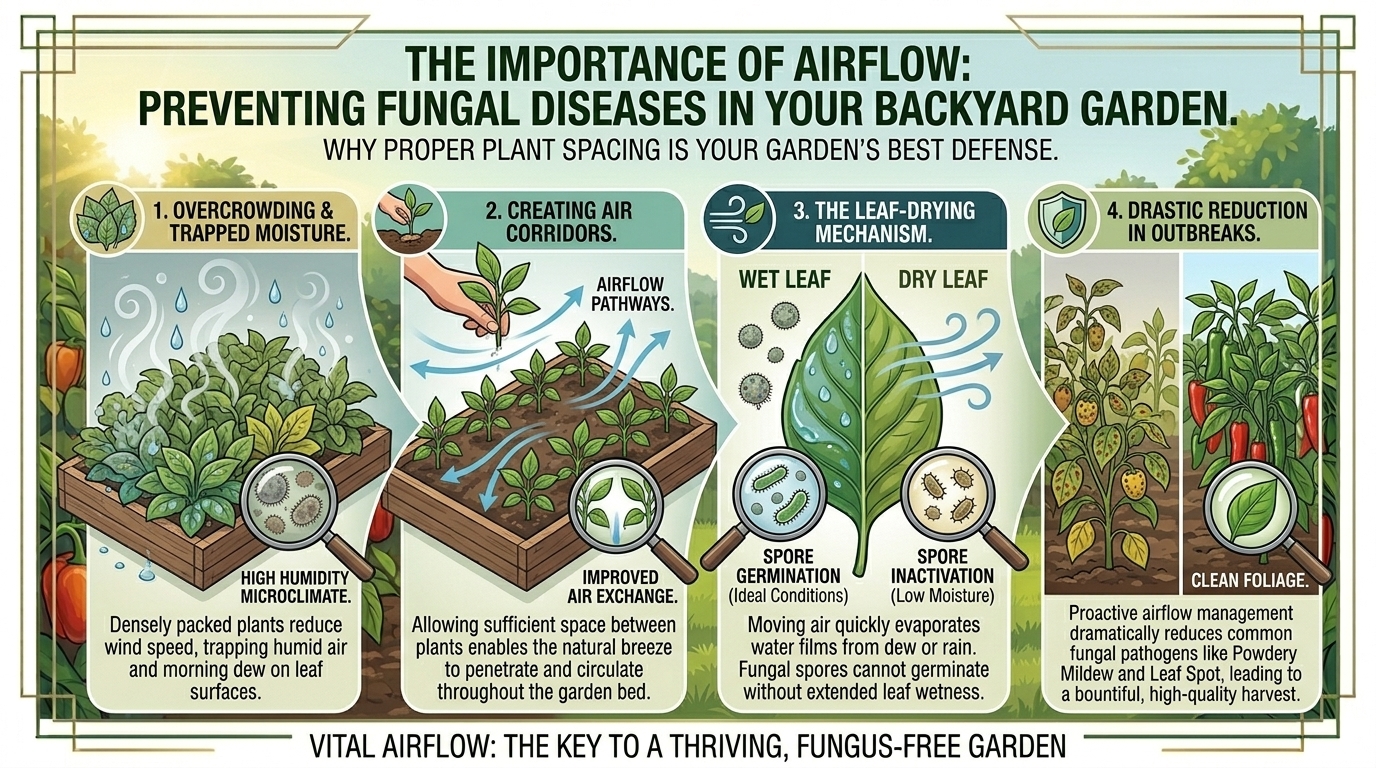
- Ensure Proper Air Circulation: Space your pepper plants at least 18 to 24 inches apart. Avoid crowding them with dense companion weeds, allowing morning breezes and sunlight to dry the leaf canopy quickly.
Frequently Asked Questions (FAQ)
1. Can copper soap cure leaves that already have black spots?
No. Once a leaf cell is dead and turned brown or black, it cannot be reversed. Copper soap acts as a protective barrier and bactericide that prevents the infection from jumping to healthy leaves and new stems.
2. Is copper soap safe to use on edible organic vegetables?
Yes. Copper soap (copper octanoate) is approved for organic gardening and breaks down safely. Simply wash your harvested peppers thoroughly with clean water before eating them.
3. Will copper soap harm beneficial honeybees or earthworms?
Copper soap has low toxicity to adult honeybees and beneficial insects when used according to label instructions. Because it is applied directly to plant foliage rather than floral nectar sources, pollinator impact is minimal, especially when sprayed at dusk or dawn.
4. What happens if I spray copper soap when temperatures are over 85°F?
Spraying copper or other liquid treatments during high heat (>85°F) can cause phytotoxicity—manifesting as yellow leaf margins, chemical burns, or leaf curling. Always apply during cooler morning or evening hours.
5. Can I combine copper soap with other organic sprays?
It is best not to mix copper soap with other harsh foliar sprays or oils (like horticultural neem oil) unless explicitly stated on the product label, as combining multiple active ingredients can accidentally burn your pepper foliage.
6. Why do my pepper fruits have scabs if my leaves look fine?
Bacterial leaf spot can infect fruit directly through tiny natural openings or wounds if water droplets splash bacteria from the soil or infected stems straight onto the developing pepper skin during warm, humid weather.
7. Does copper build up to toxic levels in garden soil?
Heavy, repeated long-term use of copper-based products can lead to a buildup of elemental copper in small garden beds over many years, which can inhibit beneficial soil microbes and earthworms. Use it strictly as an active treatment during outbreaks rather than an ongoing weekly habit.
8. Are hot peppers more resistant to bacterial leaf spot than bell peppers?
Generally, standard thin-skinned bell peppers are the most susceptible to severe defoliation. However, specific strains of the bacteria can infect both sweet and hot varieties, which is why checking seed catalogs for resistant cultivars is always recommended.
9. Can I save seeds from peppers that had bacterial leaf spot?
No. The bacteria can cling to the exterior and even penetrate the interior of seeds harvested from infected plants. Always purchase certified disease-free seeds or save seeds exclusively from entirely healthy plants.
10. How can I tell if my pepper problem is bacterial or fungal?
Bacterial leaf spot typically creates angular lesions constrained sharply by the leaf veins, often featuring water-soaked halos. Fungal spots (like early blight) usually form circular lesions with distinct concentric rings, while fungal mildews present powdery white surface coatings.
Conclusion
Treating bacterial leaf spot on garden peppers requires a combination of swift intervention, meticulous sanitation, and the power of organic copper soap. By deploying copper octanoate safely during cooler morning hours, switching to drip irrigation, and selecting disease-resistant varieties for future seasons, you can successfully protect your garden. A healthy, well-managed pepper patch will reward you with a vibrant, disease-free harvest all season long.